
Practice area
Pedestrian & Bicycle Accident Lawyers in Texas
When a motor vehicle strikes a pedestrian or cyclist in Texas, the legal framework is built on the duties imposed by Tex. Transp. Code Ch. 552 (pedestrians) and the cyclist-as-vehicle rules at Tex. Transp. Code § 551.101, which give a bicycle operator the same rights and duties as a motor-vehicle driver. Drivers owe heightened duties at marked and unmarked crosswalks, in school zones, and around any vulnerable road user, duties that get violated daily in dense urban corridors and quiet suburban neighborhoods alike. The injury profile is severe by design: there is nothing protecting a person on foot or on a bike from a several-thousand-pound vehicle.
Crosswalk law and driver duties
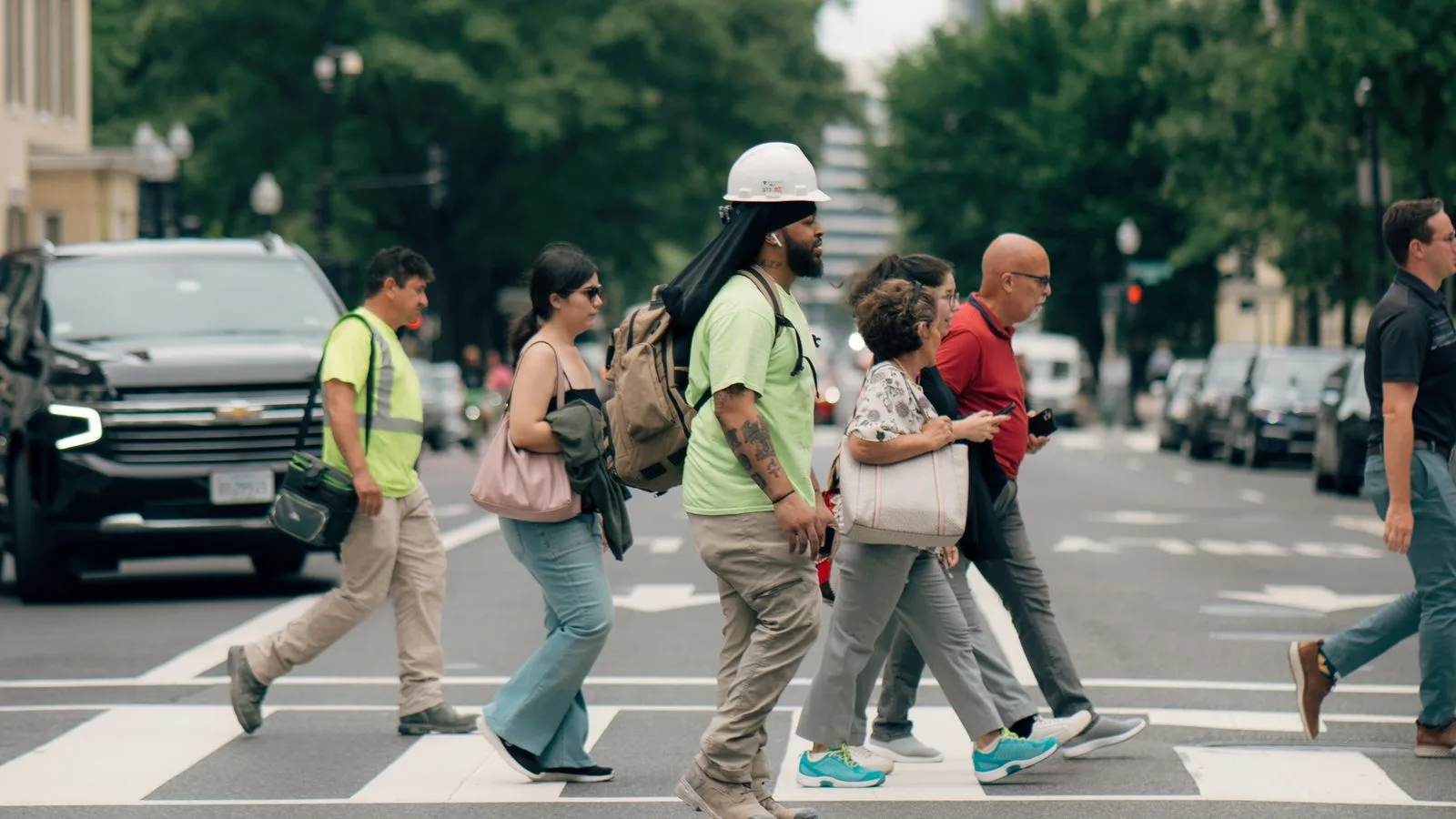
Tex. Transp. Code § 552.003 requires a driver to yield the right-of-way to a pedestrian crossing in a marked crosswalk, and at an intersection without traffic-control signals, in any part of the roadway. Drivers turning right on red or left on a green ball must yield to pedestrians lawfully in the crosswalk. School-zone duties are stricter: reduced speed limits, mandatory stops for crossing guards' signals, and statutory enhancements for moving violations. In practical terms, when a driver strikes a pedestrian in a crosswalk during a permitted crossing phase, liability is rarely a serious dispute. What is disputed is whether the pedestrian was 'in the crosswalk' and whether the driver had a fair chance to see and stop, questions that turn on signal timing data, camera footage, and witness accounts.
Bicycles, infrastructure, and the rules of the road
Under Tex. Transp. Code § 551.101, a person operating a bicycle has the rights and duties of a motor-vehicle driver. Riders generally must ride as near as practicable to the right curb (§ 551.103), with statutory exceptions for hazards, lane width, and turning movements, exceptions defense lawyers consistently understate. Many Texas cities, including Austin, have local ordinances on bike-lane use, dooring (the city of Austin prohibits opening a door into traffic without checking), and minimum passing distance for vehicles overtaking cyclists. The interaction between state law and local ordinance becomes outcome-determinative in city crashes; we read both into the file from day one.
Injuries from vehicle-versus-person impact
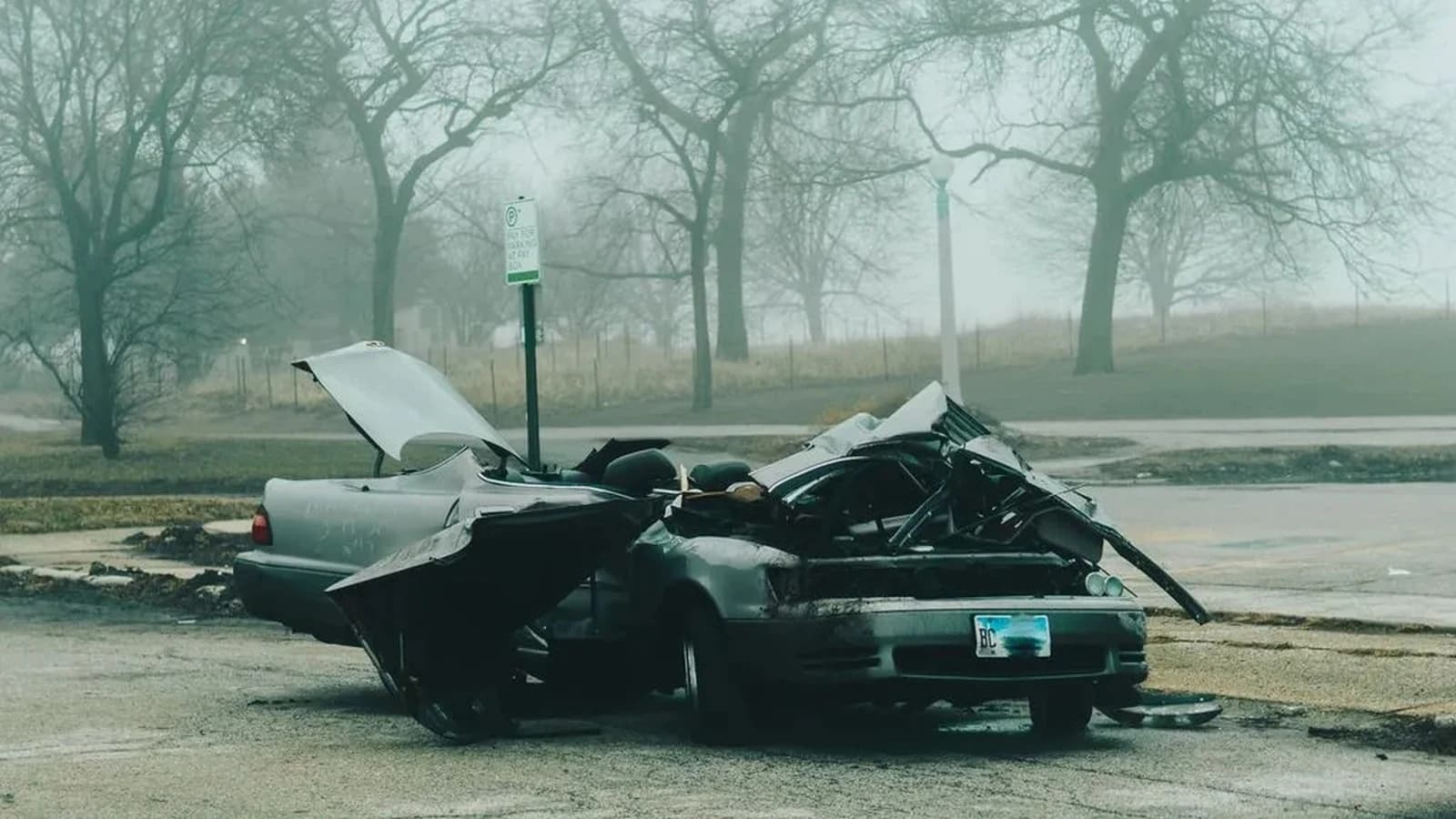
The injury chain in a pedestrian or cyclist strike is predictable and severe. Initial impact: lower-extremity fractures (tibia, fibula, femur), pelvic ring injuries from bumper contact. Hood and windshield strike: head and facial trauma, traumatic brain injury, cervical-spine injury. Ground strike: secondary head injury, road rash, shoulder fractures, internal organ damage. Even at modest urban speeds of 25-35 mph, the cumulative effect can be life-altering. Cases routinely involve multiple surgeries, prolonged inpatient rehabilitation, and lasting impairment, categories of damages that demand a careful future-care projection rather than a quick policy-limits demand.
Urban density, school zones, and event corridors
Pedestrian and cyclist injuries cluster in dense, mixed-use zones. In Austin, that means downtown around Congress and the Capitol, the West Campus and Drag corridor around UT, South Congress, and the East Side around East 6th and Cesar Chavez. School zones across Round Rock ISD, Austin ISD, Leander ISD, and Eanes ISD produce predictable morning and afternoon injury spikes, and statutory speed reductions in those zones strengthen liability claims significantly. Event corridors during SXSW, ACL Festival, and UT football weekends compound the risk. The investigation playbook adjusts to the corridor: who owns the cameras, which agency has signal-timing data, how long footage survives.



Frequently asked
Questions Texas accident victims ask us
- Not automatically, but the legal posture strongly favors the pedestrian. Tex. Transp. Code § 552.003 requires drivers to yield the right-of-way to pedestrians lawfully in a marked crosswalk and at unsignalized intersections. When a driver strikes a pedestrian who was lawfully crossing during a permitted phase, the contested issues are usually narrow: whether the pedestrian was actually in the crosswalk and whether the driver had a fair chance to perceive and stop. Camera footage, signal-timing data, and witness statements usually resolve both quickly.
- You can still recover. Texas applies modified comparative fault with a 51% bar: if your share of fault is 50% or less, you recover damages reduced by your share. A pedestrian crossing mid-block bears some duty to yield to vehicles (Tex. Transp. Code § 552.005), but a driver always owes a duty of reasonable care and lookout. Cases involving mid-block crossings turn on speed, lighting, visibility, distraction, and whether the driver had time and distance to react. The fact that you were outside a crosswalk is not the end of the analysis.
- There is no statewide minimum-passing-distance law for cyclists, but several Texas cities, including Austin, have local ordinances requiring a minimum buffer (commonly three feet for cars, six feet for commercial vehicles) when passing a person on a bicycle. Violation of a local ordinance is evidence of negligence in a civil case. Outside ordinance jurisdictions, the general duty of due care still applies and unsafe passing remains a basis for liability.
- Texas drivers owe a heightened duty of care around children, who are recognized in the case law as unable to perceive and react to traffic the way adults can. School-zone speed limits under Tex. Transp. Code § 545.356 and the speed-limit reductions adopted by local authorities give an additional violation hook when a child is struck in a posted zone. Comparative-fault analysis against young children is constrained: Texas recognizes that children below certain ages cannot legally be assigned negligence at all.
- Yes. Dooring is a recurring downtown Austin and West Campus injury pattern. Tex. Transp. Code § 545.418 prohibits opening a vehicle door on the side of moving traffic unless it is reasonably safe to do so, and Austin and other cities have local ordinances reinforcing the rule. When a driver or passenger opens a door into the path of a cyclist, the person opening the door is responsible, and the vehicle's auto policy generally covers the resulting injuries.
- Two years from the date of the incident under Tex. Civ. Prac. & Rem. Code § 16.003. If a governmental entity is potentially liable (a poorly designed intersection, a malfunctioning signal, a school district vehicle), the Texas Tort Claims Act adds a six-month notice requirement that runs separately and is often the trip wire that ends otherwise valid cases. Treat both timelines as binding and start the file long before either runs.
- Traffic-signal camera footage, nearby business surveillance, the city's signal-timing data, the responding officer's CR-3 report, EMS narrative, witness contact information collected at the scene, and (in serious cases) accident reconstruction. Footage from city poles and most businesses overwrites in 14-30 days, so preservation letters must go out in the first two weeks. The cyclist's bike and helmet should also be preserved for forensic inspection.
- Often yes, in ways riders don't expect. UM/UIM coverage on your personal auto policy generally extends to you as a pedestrian or cyclist if you are struck by an uninsured or underinsured motorist, even though you weren't in your car. Personal Injury Protection (PIP) on your auto policy similarly extends to pedestrian and cyclist injuries you suffer from a motor vehicle strike. Stacking these coverages with the at-fault driver's policy is a routine part of how we maximize recovery in vulnerable-user cases.
Let's talk about your case.
Free case review, no obligation. We'll tell you straight whether we can help.