
Areas served
Temple Personal Injury Lawyer
Temple is the medical anchor of Bell County and the central node on the I-35 corridor between Waco and Austin. Serious injury filings out of Temple are heard in the Bell County district courts in Belton, which apply the standard Tex. Civ. Prac. & Rem. Code § 16.003 two-year limitations period and the Chapter 33 proportionate-responsibility framework that governs the rest of Texas. What makes Temple distinct is the Baylor Scott & White flagship campus — a Level I trauma center that pulls patients from across Central Texas — and the medical-employment commuter pattern that drives both the local economy and a sizable share of the daily crash volume on I-35, SH-36, and the FM-93 cross-town corridor.
Where Temple crashes actually happen
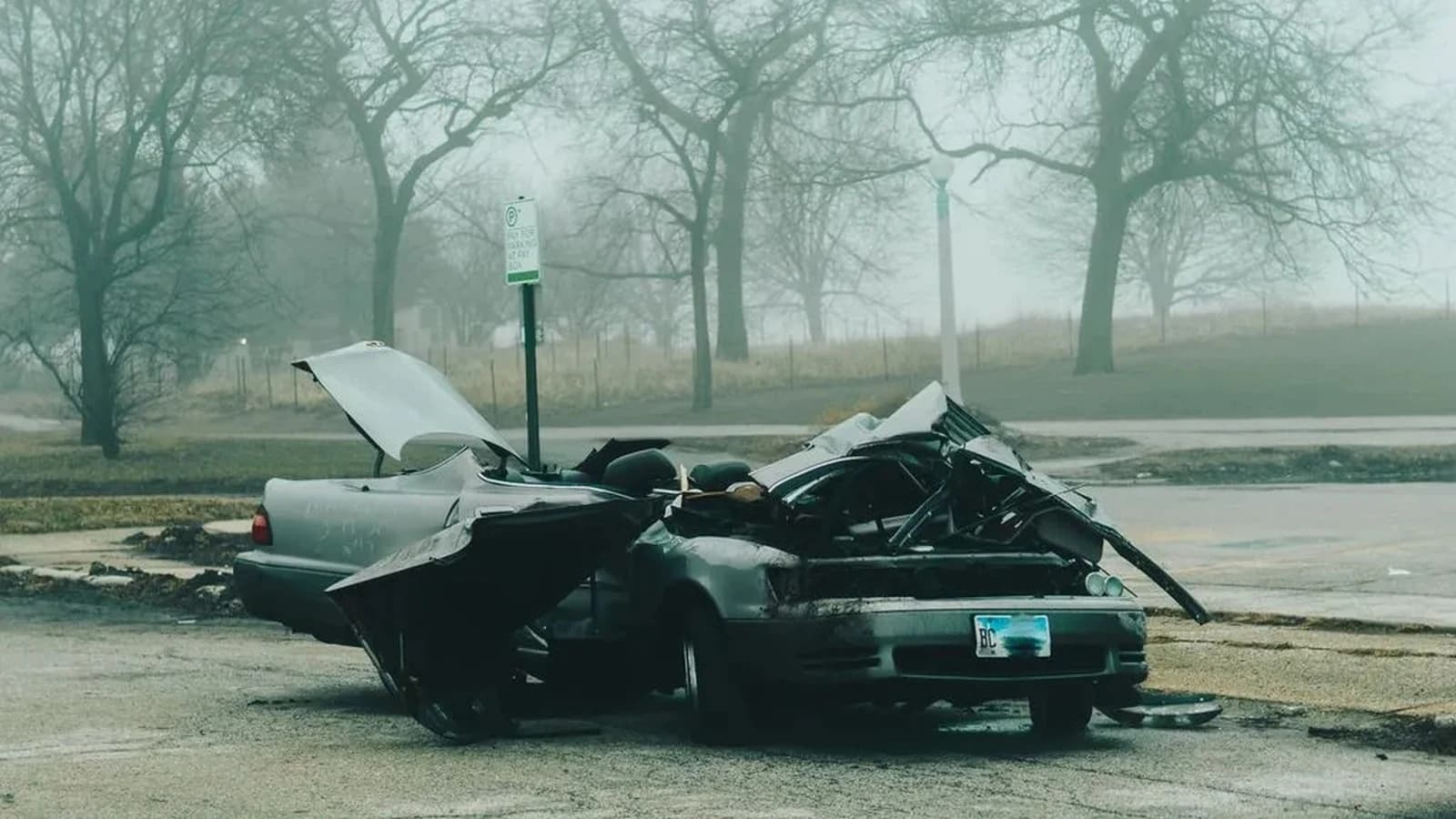
I-35 through Temple, particularly the stretch between the FM-2305 and SH-53 exits, produces the steadiest stream of rear-end and merge collisions in the city. The Adams Avenue and Central Avenue exits funnel medical-campus and downtown commuter traffic onto the main lanes at speeds well below the surrounding flow, and the long-haul truck volume between Dallas and Austin compresses the gap. SH-36 across the east side of town is the secondary collision corridor: a four-lane state highway with at-grade signalized intersections that produces left-turn and angle crashes during shift-change windows at the Baylor Scott & White campus. FM-93 (Central Avenue extended) carries cross-town and Belton-bound traffic and concentrates collisions where it intersects with Loop 363 and the medical district. We see a recurring pattern of low-speed parking and access-road incidents around the hospital campus that still produce real cervical and shoulder injuries.
Bell County district court and where your case is heard
Temple injury cases above the JP-court threshold are filed in Bell County district court in Belton: the 27th, 146th, 169th, 264th, and 426th. Under Tex. Civ. Prac. & Rem. Code § 15.002, suit is proper where a substantial part of the events occurred or where the defendant resides, which for most Temple crashes points to Bell County. Bell County juries draw from a mix of Killeen, Temple, Belton, and Harker Heights — a different demographic and verdict profile than Travis or McLennan County panels — and that mix factors into how we value a file at intake. Commercial defendants headquartered elsewhere can open alternative venues, and for a tractor-trailer collision on I-35 with a non-Texas carrier, federal diversity removal is a live question. We run that analysis before filing rather than after.
Baylor Scott & White Temple and the regional trauma chronology
Baylor Scott & White Medical Center – Temple is the system's flagship campus and a Level I trauma center, which means it absorbs the most serious crash and pedestrian cases not just from Temple but from across Bell, Coryell, Milam, and Falls counties. AirCare 5 and the system's ground transport bring patients in from the surrounding rural counties as well. The implication for a personal injury file is two-fold: the medical chronology is unusually complete on serious cases because trauma surgery, neurosurgery, and orthopedic specialists are on-site, but the moderate-acuity ER stream moves fast, and disc, labral, and mild traumatic brain injuries are routinely under-documented at first encounter. We push clients into appropriate follow-up imaging and physical-medicine consults so the record reflects the actual injury picture before any demand goes out.
I-35 truck traffic and the long-haul corridor problem
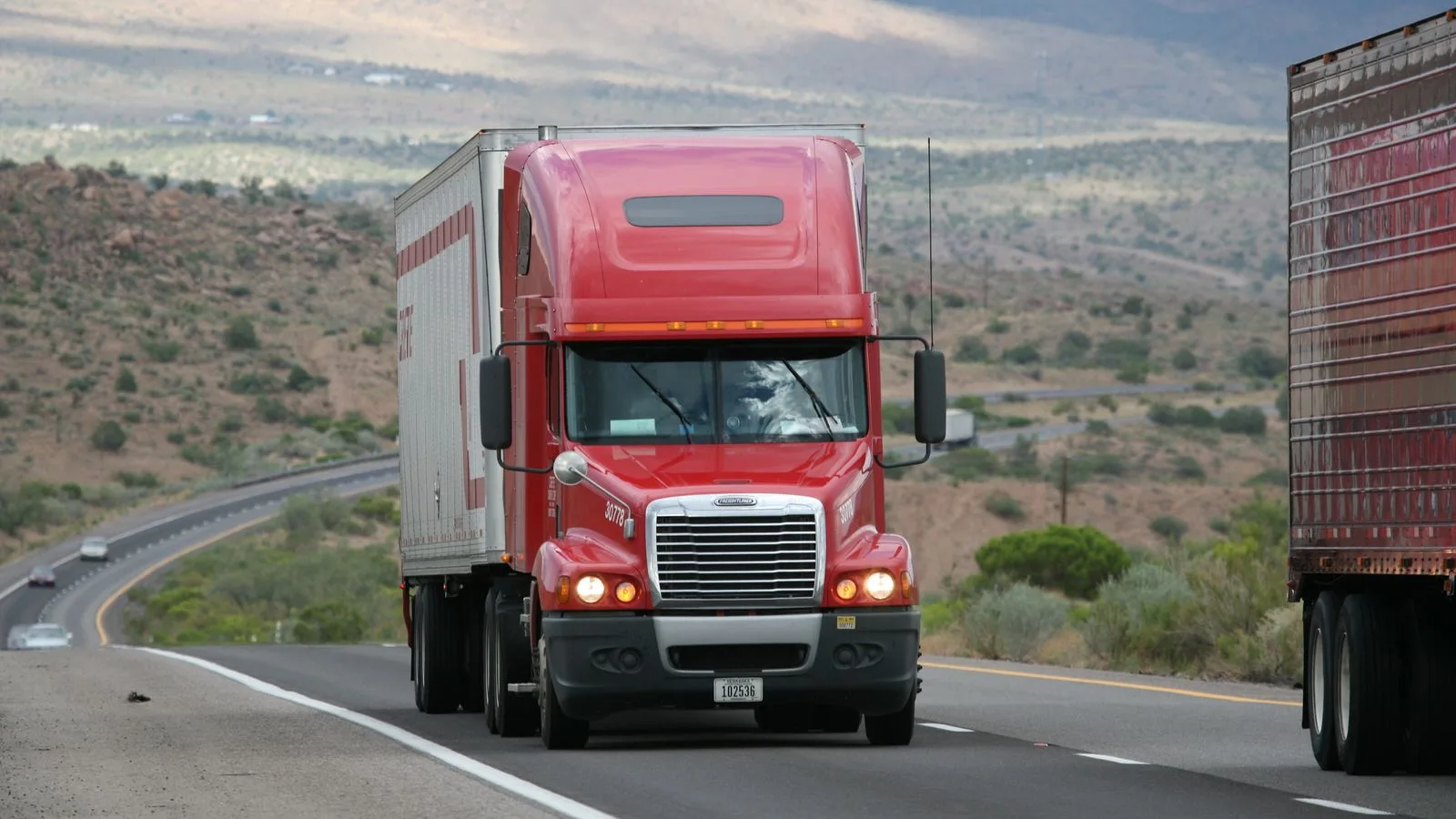
The Temple stretch of I-35 carries one of the heaviest tractor-trailer loads in the state. The long-haul corridor between the DFW logistics belt and the Austin–San Antonio metroplex runs straight through Bell County, and Temple itself hosts significant distribution and rail-transfer infrastructure. Commercial-vehicle collisions on this segment open up FMCSA driver-qualification files, electronic logging device records, hours-of-service compliance, and carrier safety records, none of which exist in a two-passenger-car crash. The evidence has short retention windows: ELD data, dashcam footage, and dispatch logs can roll off within thirty to ninety days under standard carrier retention schedules. Preservation letters in the first two weeks are routinely the difference between a contested liability fight and a conceded one.
Temple practice areas
How we help Temple injury victims.




Frequently asked
Questions Texas accident victims ask us
- Temple sits in Bell County, so an injury arising inside Temple city limits is filed in Bell County district court in Belton, one of the civil district courts that hears personal injury matters. The specific court is assigned by random docket draw after filing. If the case involves a commercial defendant headquartered elsewhere or an out-of-state trucking carrier, alternative state venues and federal diversity removal both become live questions, and the choice can materially affect the timing and settlement value of the file. We run the venue analysis before filing.
- Two practical reasons. First, on a serious crash the medical record is unusually complete because trauma surgery, neurosurgery, and orthopedic subspecialists are on-site, which makes the causation chain easier to document. Second, Baylor Scott & White Temple absorbs patients from across the rural Central Texas counties, so even a client injured in Coryell, Milam, or Falls County may end up with their primary medical record at the Temple campus. Knowing the system's chart structure and what its discharge notes typically capture — and miss — is part of building the demand.
- Venue follows the location of the crash, not your home address. A collision inside Temple city limits or unincorporated Bell County is filed in Bell County district court in Belton regardless of where you live. If you live in Bell County but were hit just across the line in Coryell, McLennan, or Williamson County, the file generally follows the crash county. We map the precise crash location against county lines at intake because it occasionally changes the strategy.
- Two years from the date of injury under Tex. Civ. Prac. & Rem. Code § 16.003. The statute is statewide; Bell County does not impose its own. Exceptions apply for minors and for claims against governmental entities: the Texas Tort Claims Act requires pre-suit notice within six months, and the City of Temple and Bell County may have shorter local-government notice windows in their charters. Treat the two-year deadline as the working window and call counsel well before it runs so dashcam, ELD, and surveillance footage can be preserved.
- The case looks very different from a two-car collision. FMCSA driver-qualification files, electronic logging device data, hours-of-service logs, post-crash drug-and-alcohol testing, and the carrier's safety record all become part of discovery. Commercial auto policies typically carry limits well above a Texas personal-policy minimum and often sit beneath an umbrella layer. Preservation letters to the carrier go out in the first days of the case to keep the ELD and dashcam from cycling off on the standard retention schedule.
- It is the most common documentation issue we work around in this market. Fast-moving ERs at high-volume trauma centers triage to the obvious injury and discharge with strain or contusion language. Disc herniations, labral tears, and mild TBIs frequently do not surface until a follow-up imaging study or specialist consult. The adjuster anchors to the discharge note and the defense theory follows. We route clients into appropriate outpatient diagnostics quickly so the medical chronology reflects the actual injury before the demand is built.
- For venue purposes, no; both end up in Bell County district court in Belton. For evidence purposes, it can matter. Inside Temple city limits, the Temple Police Department investigates and city-operated traffic signals may have recoverable timing data; in unincorporated Bell County, the Sheriff's Office or DPS is generally the investigating agency, and signal infrastructure is more limited. We build the evidence plan around the right agency from day one.
- We represent Central Texas clients from our Austin office and travel to Temple, Belton, and Killeen for scene visits, depositions, client meetings, and Bell County court appearances. The case is filed in the proper Texas venue and we appear there. Most client communication runs by phone, video, and email; in-person visits happen when they need to. The boutique caseload is the point: the attorney working your file is the one who knows the Bell County bench, the I-35 corridor, and the Baylor Scott & White medical chart.
Let's talk about your case.
Free case review, no obligation. We'll tell you straight whether we can help.