
Practice area
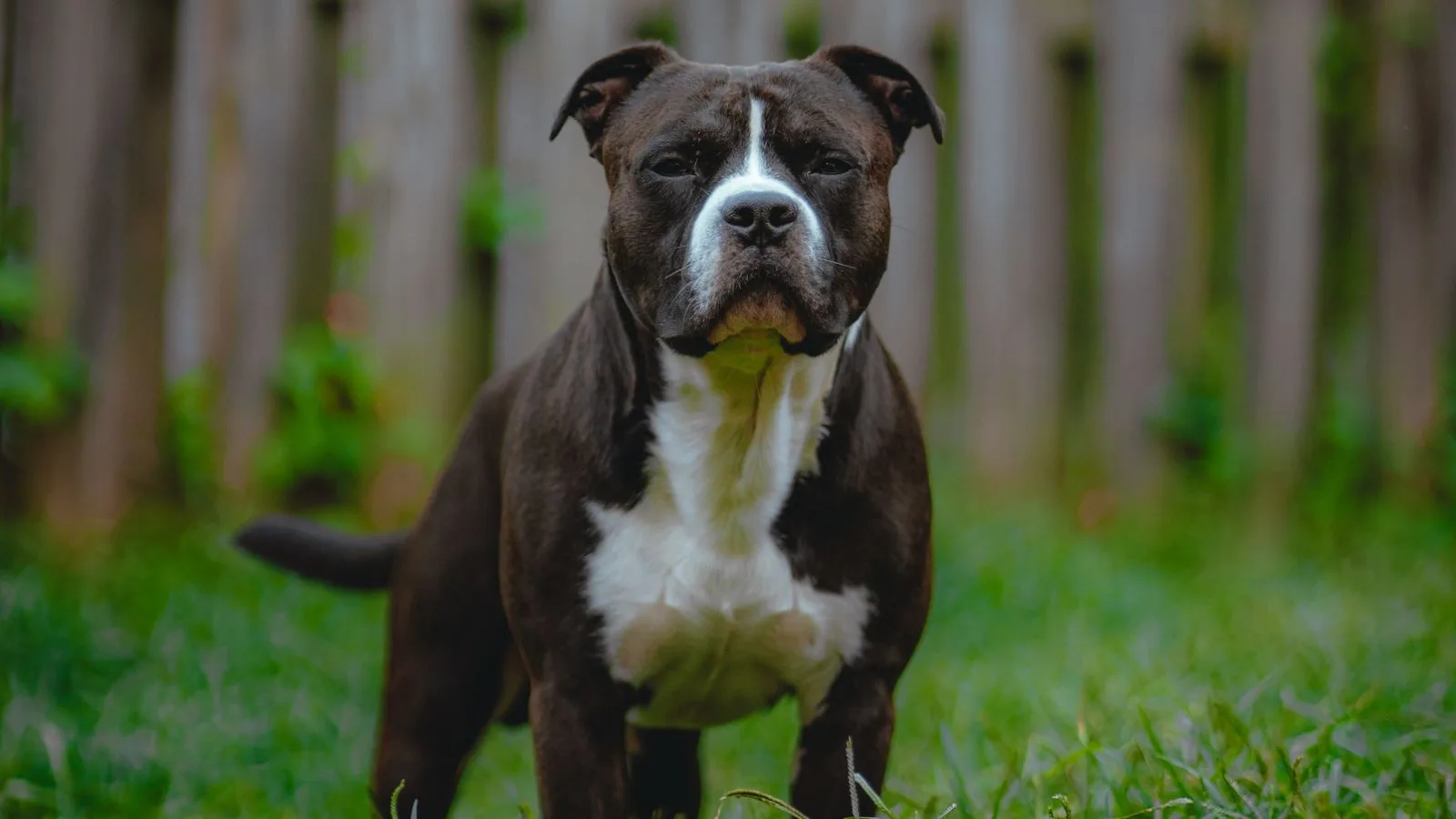
Dog Bite & Animal Attack Lawyers in Texas
Texas dog-bite law sits at the intersection of common-law strict liability and ordinary negligence. The leading authority, Marshall v. Ranne (511 S.W.2d 255), holds that an owner is strictly liable for injuries caused by an animal the owner knew or had reason to know had dangerous propensities: the 'one-bite rule,' which despite the name does not actually require a prior bite. Cases that don't meet strict-liability standards still proceed under ordinary negligence — a violation of a local leash ordinance, a failure to control a known-aggressive dog, or a landlord's failure to address a known dangerous tenant animal — and the two-year limitations period in Tex. Civ. Prac. & Rem. Code § 16.003 applies.
Marshall v. Ranne and the Texas 'one-bite' framework
Texas has not adopted a pure strict-liability dog-bite statute. Instead, Marshall v. Ranne established that an owner is strictly liable when the owner knew or had reason to know the animal had dangerous propensities abnormal to its class. 'Dangerous propensities' can be shown without a prior bite: prior aggressive lunging, snapping at people, breaking out of enclosures to chase, threatening posture toward strangers, and breed-specific behaviors documented by neighbors or prior complaints can all establish the requisite knowledge. The owner's own statements, animal-control records, and prior incident reports become the evidentiary backbone of a strict-liability theory.
Negligence theories when strict liability doesn't fit
When the dog had no documented dangerous history, the claim proceeds under ordinary negligence. The most common hook is a violation of a local leash ordinance. Austin, Round Rock, Cedar Park, Pflugerville, and most Texas municipalities require dogs to be restrained in public spaces, and a violation that proximately causes injury may support a negligence per se theory. Other negligence theories include negligent failure to confine, negligent handling (a dog known to be excitable around children, for example), and negligent supervision of a child or third party who provokes the dog. Texas Health & Safety Code Ch. 822 also creates statutory liability for owners of dogs declared 'dangerous' by animal control authorities.
Landlord and apartment-complex liability
Landlords don't automatically inherit a tenant dog's liability, but they can be on the hook when they had actual knowledge of a dog's dangerous propensities and the legal ability to remove the dog or evict the tenant and didn't act. The Texas Supreme Court's decision in Tellez v. Saban and subsequent cases require knowledge plus control. Apartment complexes that allowed a tenant to keep a dog after prior complaints, after a documented bite of another resident, or after animal-control involvement frequently meet the standard. Identifying the landlord's notice — through complaint letters, prior bite reports, property-manager emails — is often the difference between a claim limited to the tenant's homeowner's renter coverage and one that reaches the complex's commercial liability policy.
Child victims and the medical reality of bite injuries
A substantial share of Texas dog-bite cases involve children, who suffer face, head, and neck injuries at much higher rates than adults because of size proximity to the dog. The injuries are often disfiguring: lacerations, puncture wounds requiring layered closure, nerve damage, scarring that requires multi-stage plastic surgery into adulthood. Pediatric victims also frequently develop documented post-traumatic stress responses (cynophobia, sleep disturbance, persistent anxiety) that are legitimate elements of damages under Texas law. Cases involving children should not be settled until the treating plastic surgeon can opine on the projected course of revisional surgery and scar maturation, which can take 12-24 months or longer.





Frequently asked
Questions Texas accident victims ask us
- Yes, sort of. Under Marshall v. Ranne, a Texas dog owner is strictly liable when the owner knew or had reason to know of the animal's dangerous propensities. The 'one-bite' nickname is misleading because a prior bite is not required. Prior aggressive behavior — lunging, snapping, escaping enclosures to chase people, threatening posture toward strangers — can establish the owner's knowledge. When strict liability doesn't apply, the case proceeds under ordinary negligence, often through a local leash-ordinance violation.
- You can still recover under negligence theories. The most common is violation of a local leash ordinance; virtually every Texas municipality requires dogs to be restrained in public spaces, and a violation that causes injury may support a negligence per se theory. Negligent failure to confine, negligent handling, and (in commercial contexts) violations of leash rules in apartment complexes or businesses are additional theories. Strict liability under Marshall makes the case easier, but it is not the only path to recovery.
- Sometimes. Texas landlords are liable for a tenant's dog only when the landlord had actual knowledge of the animal's dangerous propensities and had the legal ability to remove the dog or evict the tenant. Knowledge plus control is the standard (see Tellez v. Saban and progeny). When prior complaints, prior bites of other tenants, or animal-control involvement is in the property manager's file and the complex took no action, the commercial general liability policy on the property becomes a real source of recovery.
- Most often, the dog owner's homeowner's or renter's insurance policy includes animal-liability coverage and is the primary source. Some carriers exclude specific breeds or require an endorsement; we read the policy carefully at intake. If the bite occurred in a commercial setting (a business, an apartment complex, a daycare), the commercial general liability policy may also be reachable. Auto policies can apply if the bite happened in or near a vehicle. Identifying every available policy is the first phase of the case.
- Children's bites tend to involve face, head, and neck injuries because of their height relative to dogs, and those injuries are frequently disfiguring. The medical course often extends into adulthood with staged plastic-surgery revisions as the child grows and scars mature. Texas law also recognizes long-term psychological injuries — cynophobia, post-traumatic stress, sleep disturbance — as recoverable damages. Settling a child's case prematurely, before the treating plastic surgeon can opine on the projected revision schedule, is one of the most common ways child victims are undercompensated.
- Two years from the date of the bite under Tex. Civ. Prac. & Rem. Code § 16.003. For child victims, the statute is tolled until the child turns 18, but practical preservation of evidence — animal-control records, witness accounts, prior-complaint files at apartment complexes — argues for early action. If a governmental entity is involved (an off-leash dog at a city park, an animal-control failure), the Texas Tort Claims Act six-month notice requirement may also apply.
- That fact pattern actually strengthens the case in most situations. A dog that left its owner's control and crossed onto your property is almost certainly a leash-ordinance violation, and the unprovoked attack on a person in their own home or yard is the classic Marshall v. Ranne fact pattern. Owners frequently try to argue the victim somehow provoked the dog; on your own property without warning, that argument rarely gets traction.
- Yes, and as soon as possible. A formal report creates an official record that supports both the strict-liability case (by documenting the bite and any prior reports involving the same dog) and the public-health quarantine process under Tex. Health & Safety Code Ch. 826. Failing to report can also leave you exposed if the dog's rabies vaccination status is unverified. Get medical care first, then make the report.
Let's talk about your case.
Free case review, no obligation. We'll tell you straight whether we can help.