
Areas served
San Antonio Personal Injury Lawyer
San Antonio is the seventh-largest city in the country and produces one of the highest serious-collision volumes in Texas. Bexar County district courts in downtown San Antonio carry a heavy civil docket of catastrophic-injury and wrongful-death filings — interstate freight wrecks on I-10 and I-35, military-base commuter crashes around Lackland and Fort Sam Houston, and Riverwalk pedestrian and rideshare incidents — all under the standard Tex. Civ. Prac. & Rem. Code § 16.003 two-year limitations and Texas's 51%-bar comparative-fault scheme. The Bexar bench moves civil dockets faster than most large Texas counties, which changes how we time medical buildouts and demand letters against a San Antonio insurer.
The San Antonio freeway grid and the crashes it produces
Five interstates and loops define the San Antonio collision map. I-10 cuts east-west across the metro and carries the bulk of long-haul freight between Houston and El Paso; most of our serious 18-wheeler intake originates on I-10 between Boerne and Seguin. I-35 hosts the Mexico-to-Midwest freight column plus the San Antonio-to-Austin commuter stream; the stack interchange at I-35 and I-410 generates a consistent flow of merge-and-rear-end claims. I-37 funnels coastal traffic toward downtown and produces high-speed losses of control near the Pecan Valley and SE Military Drive exits. Loop 410 is the inner ring road; the Loop's NW segment between US-90 and I-10 is a particularly heavy crash zone, while Loop 1604 outer-ring drivers run at near-highway speeds through Stone Oak and the medical district. US-281 north of 1604 carries the suburban commute into the Stone Oak medical corridor at all hours.
Bexar County district courts and § 15.002 venue choices
Serious-injury filings above the JP-court ceiling go to Bexar County district court at the Bexar County Justice Center on Dolorosa Street: among them the 37th, 45th, 57th, 73rd, 131st, 150th, 166th, 224th, 225th, 285th, 288th, and 408th civil districts. Bexar's civil docket is large enough that random assignment delivers genuine variability in court tendencies, which factors into trial-readiness posture. Under Tex. Civ. Prac. & Rem. Code § 15.002, suit is proper where a substantial part of the events occurred or where the defendant resides or maintains a principal place of business. An I-10 wreck involving a freight carrier headquartered in Dallas or out of state opens up alternative-venue analysis early. Bexar is often the right choice, but not always, and the analysis materially affects valuation.
San Antonio trauma centers and military medicine
San Antonio sits at the intersection of two Level I trauma operations, which is unusual for any U.S. metro. University Hospital in the South Texas Medical Center is the region's main civilian Level I and is the destination for the great majority of catastrophic civilian crashes north and west of downtown. Brooke Army Medical Center at Fort Sam Houston, formally San Antonio Military Medical Center, is the only Department of Defense Level I trauma center in the country and accepts civilian transfers under its joint trauma agreement, particularly burn cases through its dedicated burn ICU. Methodist Hospital downtown, Baptist Health System facilities, and Christus Santa Rosa cover the moderate-acuity pipeline. The recurring file problem is that fast ER discharges from downtown trauma settings often miss the disc, ligament, or labral injury that drives long-term value; we route clients into appropriate follow-up imaging quickly.
Military bases, Riverwalk events, and tourist-driven traffic
San Antonio's injury volume is shaped by three local-character factors. The military footprint — Joint Base San Antonio combines Lackland, Randolph, and Fort Sam Houston — produces a constant daytime commuter inflow on Loop 410, US-90, and I-35 with predictable rush-hour bottlenecks at the gate roads. Riverwalk and downtown tourist density during Fiesta in April, the Spurs playoff runs, Final Four years, and the holiday boat parade produce pedestrian, rideshare, and intoxicated-driver collision spikes concentrated between the Convention Center and La Villita. Tobin Center, Alamodome, and AT&T Center event nights add their own surges. Surveillance footage from Riverwalk businesses, downtown hotel cameras, and rideshare telematics typically overwrites within fourteen to thirty days; preservation letters within the first week of intake are the difference between a documented file and an adjuster argument about credibility.
San Antonio practice areas
How we help San Antonio injury victims.
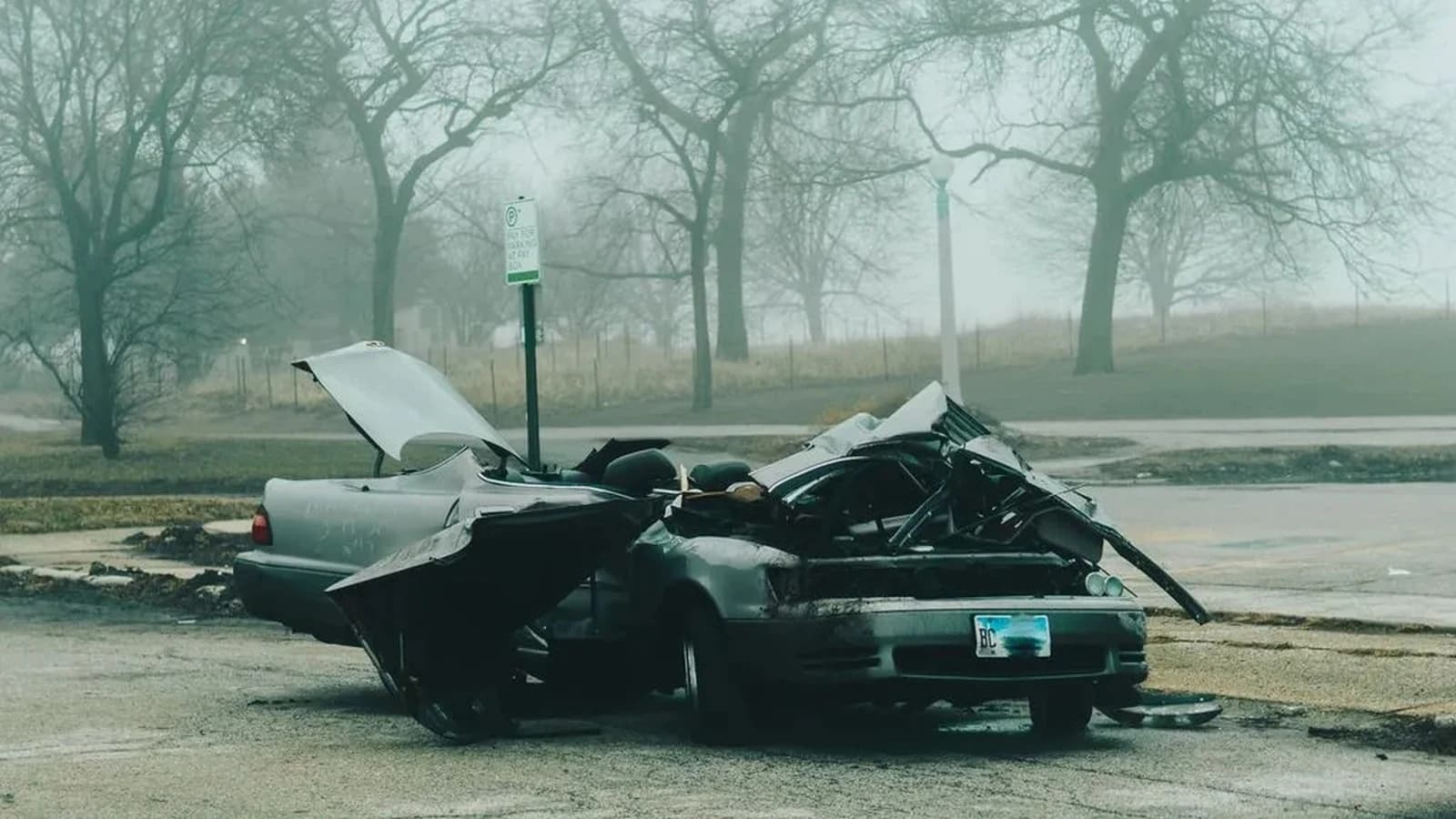
San Antonio Car Accident Lawyer
Learn more →
San Antonio Catastrophic Injury Lawyer
Learn more →
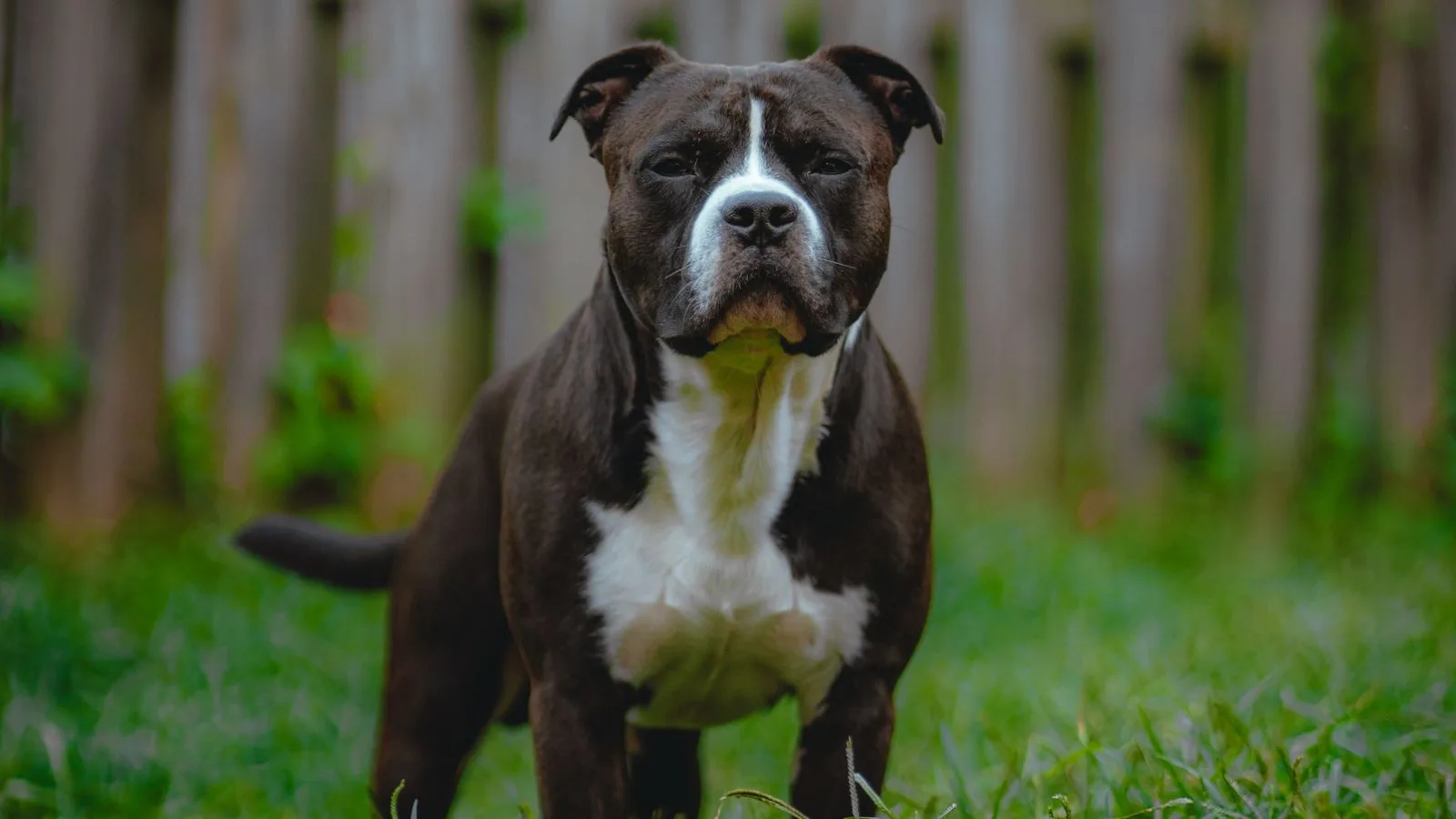
San Antonio Dog Bite Lawyer
Learn more →
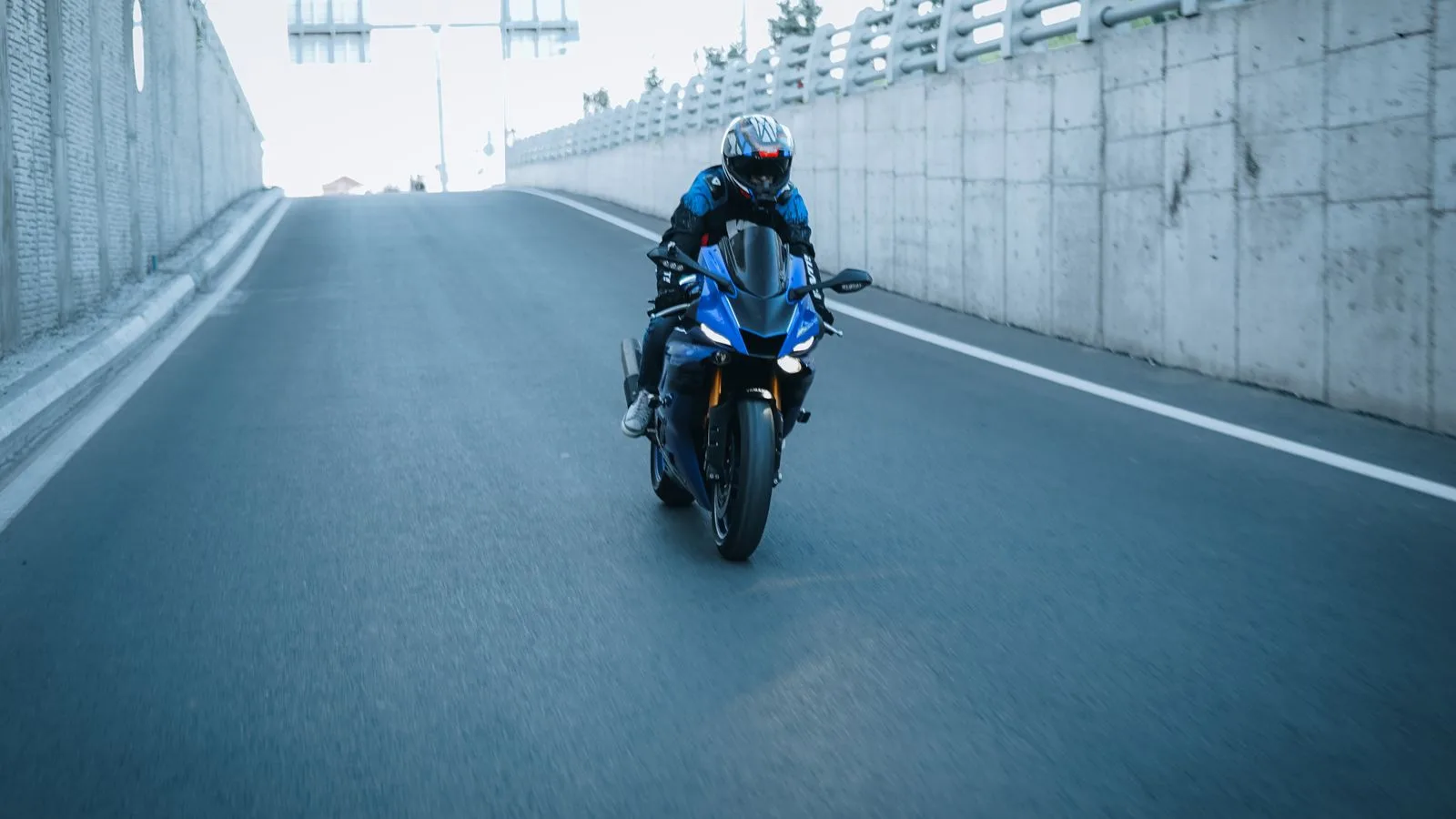
San Antonio Motorcycle Accident Lawyer
Learn more →
San Antonio Pedestrian Accident Lawyer
Learn more →
San Antonio Slip & Fall Lawyer
Learn more →
San Antonio Truck Accident Lawyer
Learn more →
Frequently asked
Questions Texas accident victims ask us
- If you were injured inside San Antonio city limits or in unincorporated Bexar County, the natural venue is Bexar County district court at the Justice Center downtown; random docket assignment delivers one of roughly a dozen civil district courts that hear personal injury matters. Crashes involving a commercial defendant headquartered elsewhere may open alternative venues under Tex. Civ. Prac. & Rem. Code § 15.002. The venue choice affects jury composition and trial timing, so we evaluate it before suit is filed.
- Austin is roughly eighty miles up I-35 from downtown San Antonio, closer than most Houston or Dallas firms ever get to Bexar County. We represent San Antonio-area clients regularly, handle intake and follow-ups remotely where convenient for the client, and travel to San Antonio for depositions, mediations, and court appearances when the file requires it. The day-to-day work is done by the same attorney handling your file from start to finish rather than handed down a chain of paralegals at a high-volume shop.
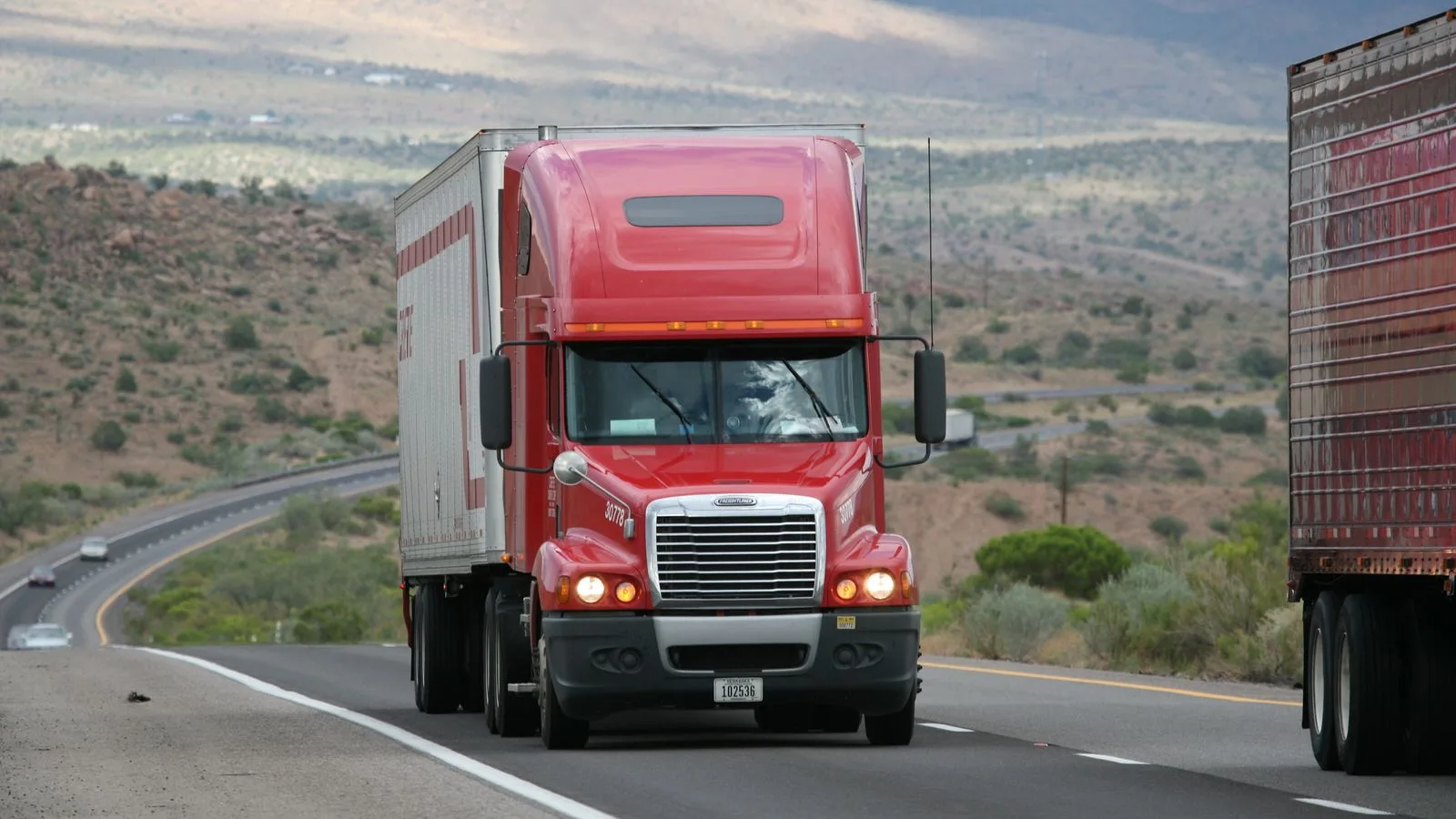
- Commercial-truck files run on a different evidence playbook than passenger collisions. Within the first few days we send a federal preservation letter covering the electronic control module download, the driver's hours-of-service records under 49 C.F.R. Part 395, the driver qualification file, post-accident drug and alcohol testing under Part 382, the cab and forward-facing camera footage, and the carrier's dispatch and load records. Most of that data lives on retention schedules measured in days or weeks at the carrier level; by the time a claim is six months old, much of it is gone.
- University Hospital in the South Texas Medical Center handles the majority of catastrophic civilian trauma transports north and west of downtown. Brooke Army Medical Center at Fort Sam Houston, the country's only DoD Level I trauma center, accepts civilian transfers, especially burn cases. Methodist Hospital downtown, the Baptist Health System hospitals, and Christus Santa Rosa cover the moderate-acuity load. Each system's discharge templates have their own quirks; we know what each one tends to leave out and how to fill in the chronology before a demand letter goes out.
- A collision that occurred on federal property at Lackland, Randolph, or Fort Sam Houston, or that involved a federal employee acting in the scope of employment, falls under the Federal Tort Claims Act rather than state tort law. The procedural rules are different: a written administrative claim must be presented to the agency before suit can be filed, the limitations and notice periods are governed by federal law, and the case is litigated in federal district court without a jury. We evaluate federal exposure at intake because it changes the deadlines, the forum, and the substantive doctrine.
- Yes. Claims against the City of San Antonio, VIA Metropolitan Transit, Bexar County, or any other Texas governmental unit are governed by the Texas Tort Claims Act, which requires written notice within six months of the incident, and the City of San Antonio's charter shortens that further to ninety days for many incidents within city limits. Miss the notice window and the underlying claim is barred regardless of how strong the merits are. We screen for governmental defendants at the first call.
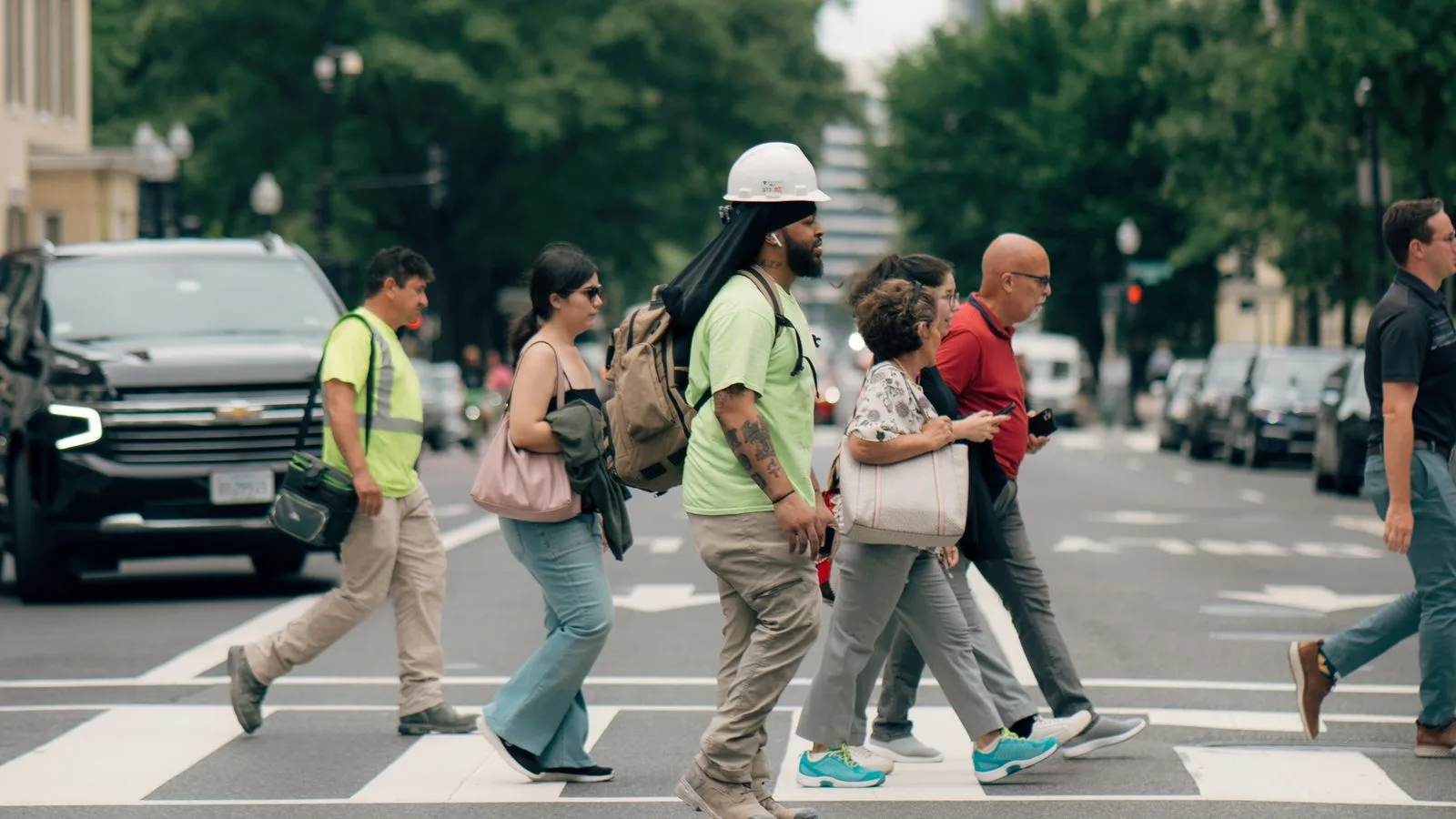
- Fiesta, the holiday boat parade, Spurs playoff nights, and Convention Center event evenings concentrate pedestrian and rideshare collision risk along Commerce Street, Houston Street, Market Street, and the Riverwalk access points. The same density that drives risk also produces witnesses — venue security, restaurant exterior cameras, hotel lobby video, and rideshare driver app logs — but the evidence has a short shelf life. Preservation letters in the first week protect the file; waiting two months almost always means working with a witness's recollection alone.
- High-volume firms advertising heavily across San Antonio billboards and bus shelters are running thousands of open files at a time. The economic model rewards settlement velocity, which means soft-tissue files often resolve at the first reasonable offer and complex cases sometimes get insufficient attention until they are close to limitations. Cap City carries a deliberately limited caseload so the lawyer working your file is the one reading the police report, talking to the treating physicians, sitting at the mediation, and trying the case if it gets there.
Let's talk about your case.
Free case review, no obligation. We'll tell you straight whether we can help.