
Areas served
Dallas Personal Injury Lawyer
Dallas sits at the center of a freeway grid that produces a heavier mix of high-speed and commercial-vehicle collisions than almost any other Texas city. Serious-injury suits filed in Dallas city limits land in Dallas County district court at the George L. Allen Sr. Courts Building downtown, where the same two-year limitations window under Tex. Civ. Prac. & Rem. Code § 16.003 and 51%-bar comparative-fault framework in § 33.001 apply. Cap City is an Austin-based boutique that represents Dallas clients statewide: we travel for scene work on I-30, LBJ, and the North Tollway, for Parkland and Baylor records review, and for any depositions or trial settings the case requires.
The Dallas freeway system that drives our intake
Five corridors generate most of the Dallas crash files we screen. I-30 east-west through downtown, particularly the Canyon at the mixmaster with I-35E, produces compressed rear-ends during both rush peaks. I-35E north of downtown stacks heavy commercial traffic against passenger vehicles where the lane configuration drops without warning. US-75 Central Expressway between downtown and the LBJ interchange is the city's most chronically backed-up artery, with sharp deceleration crashes near Mockingbird, Knox-Henderson, and Walnut Hill. LBJ Freeway (I-635) carries the worst night-time crash rate in the metro thanks to truck volume and high posted speeds. The Dallas North Tollway adds a different pattern: higher-velocity sideswipes and lane-change collisions through the Galleria and Preston corridors.
Dallas County district courts and venue choices
Civil filings exceeding the JP-court ceiling land in one of the Dallas County civil district courts at the George L. Allen Sr. Courts Building (600 Commerce Street): the 14th, 44th, 68th, 95th, 101st, 116th, 134th, 160th, 162nd, 191st, 192nd, 193rd, 298th, and 482nd, among others. Venue under Tex. Civ. Prac. & Rem. Code § 15.002 is proper where the crash occurred or where the defendant resides or maintains its principal office. A Dallas crash with a Dallas-domiciled defendant defaults to Dallas County. Cases against trucking carriers or out-of-state corporate defendants often open meaningful venue alternatives, a decision that changes both the jury pool and the path to trial.
The Parkland and Baylor trauma corridor
Dallas has the best Level I trauma infrastructure in North Texas, and most of the serious cases we work move through it. Parkland Memorial Hospital is the city's safety-net trauma center and handles a disproportionate share of major collision admissions, particularly from the I-35E, US-75, and LBJ corridors. Baylor University Medical Center on the eastern edge of downtown is the other major destination, and Methodist Dallas, Texas Health Presbyterian, and Medical City Dallas pick up the rest. Each system has its own records portal, billing chronology, and discharge-instruction pattern; insurers know those records cold and price files accordingly. We pull the complete chart, not just the ER summary, because the radiology read or trauma consult buried in the full record often changes the demand.
Industry, events, and Dallas commute patterns
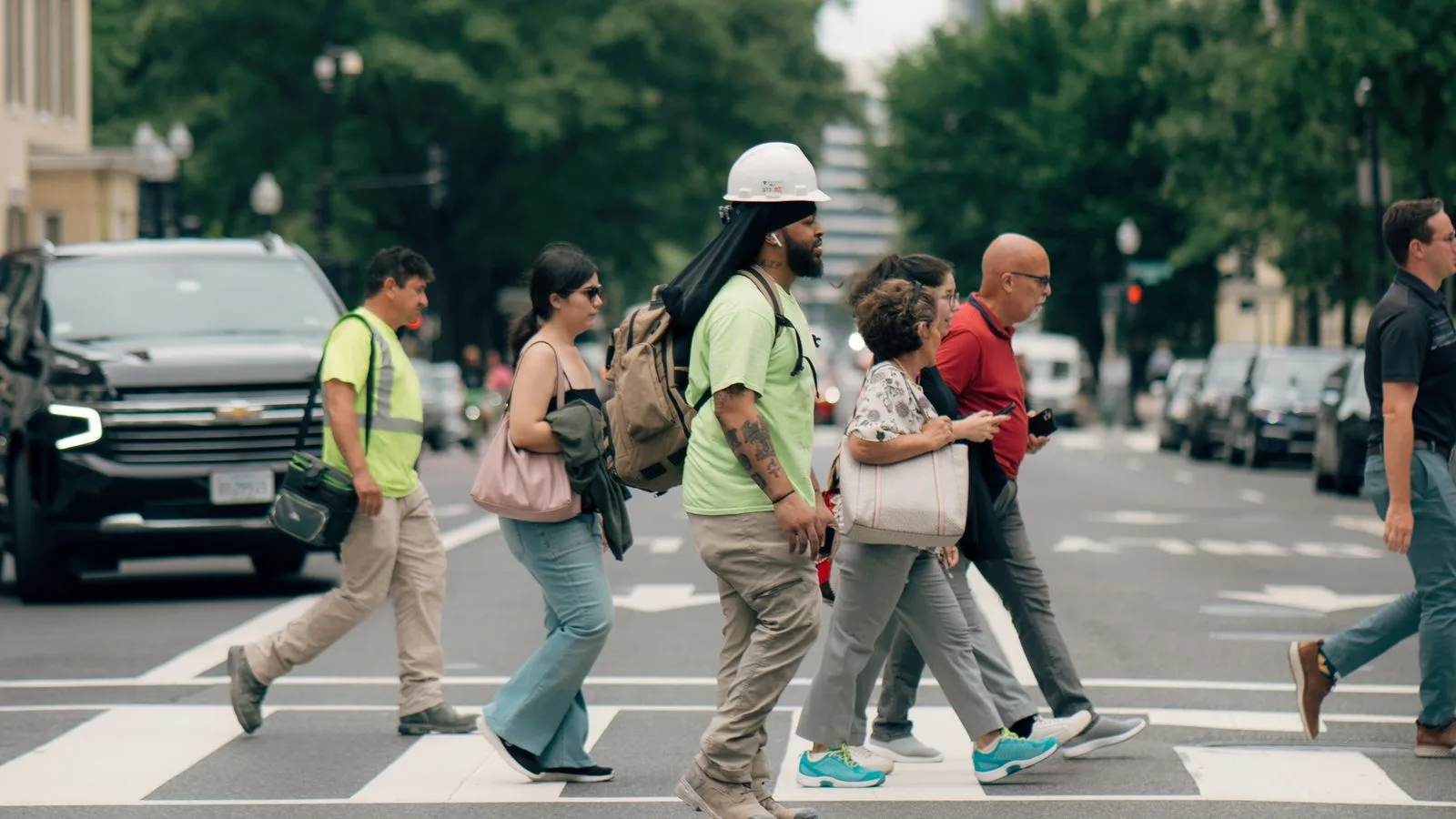
Dallas is a corporate-headquarters and logistics city, which means a higher share of cases involve company vehicles, fleet drivers, and delivery operators than a typical Texas metro. The Arts District, American Airlines Center events, State Fair traffic at Fair Park each October, and Cowboys-related congestion bleeding in from Arlington each produce predictable surge windows. Downtown and Uptown carry dense pedestrian volume on weekends, with rideshare-related injuries concentrated along McKinney Avenue, Deep Ellum, and the Bishop Arts crossings. Surveillance footage in these areas is dense but short-lived — most private cameras overwrite within two to four weeks — which is the single most common reason a strong liability case loses its best evidence.
Dallas practice areas
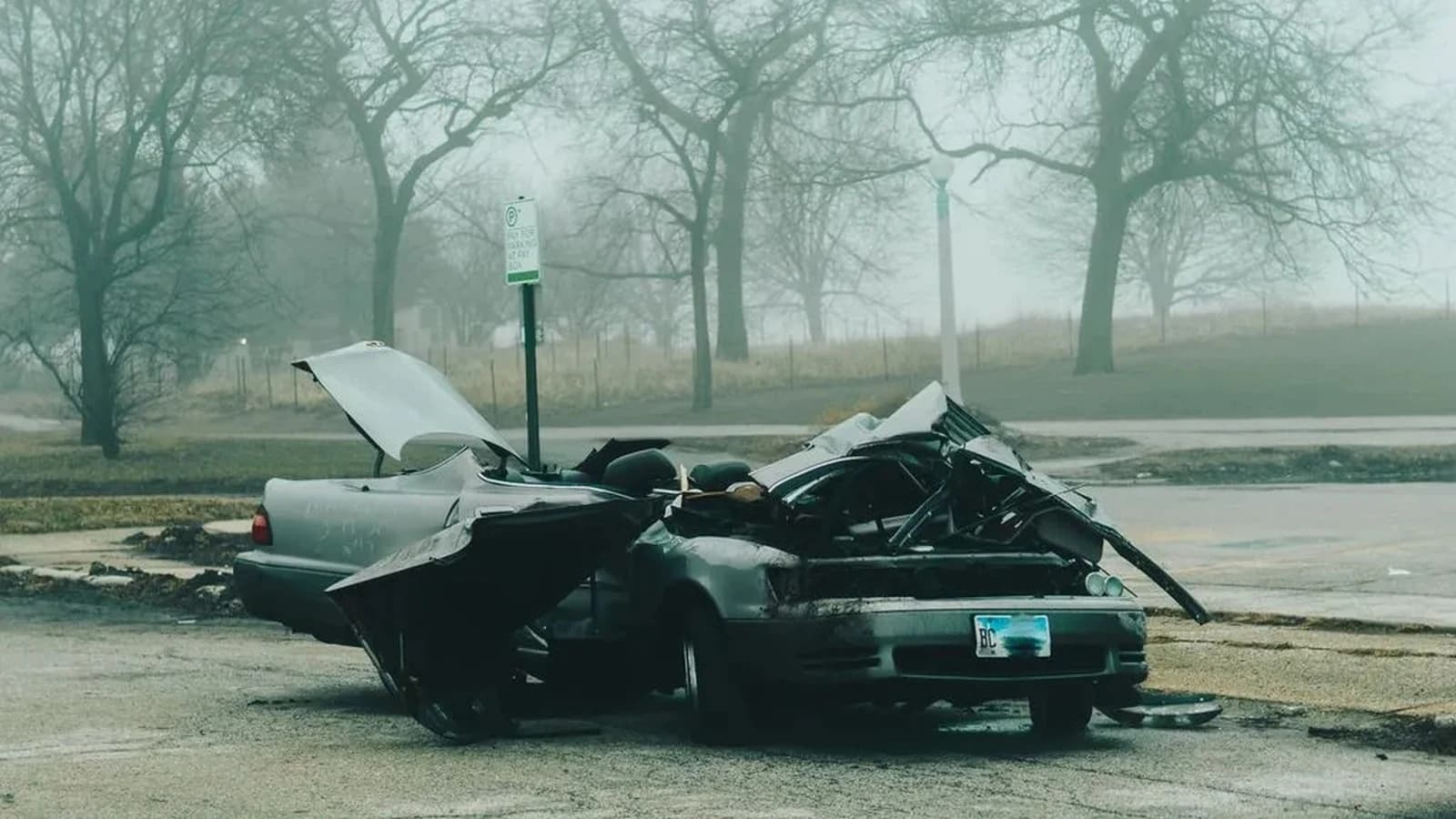
How we help Dallas injury victims.



Frequently asked
Questions Texas accident victims ask us
- If your injury occurred in Dallas city limits, the case is typically filed in Dallas County district court at the George L. Allen Sr. Courts Building at 600 Commerce Street. Court assignment is random among the civil district courts. Where the defendant is a corporate entity headquartered outside Dallas County — common in trucking, rideshare, and product cases — Tex. Civ. Prac. & Rem. Code § 15.002 may permit suit in another county, which can materially change the jury pool and trial timeline. We evaluate that question before drafting the petition.
- Yes. We represent Dallas-area clients statewide and travel for the work that needs to be done on the ground: scene inspections, treating-provider meetings, depositions, mediations, and Dallas County trial settings. Boutique caseload size is the reason the math works: we are not running a thousand-file pipeline that requires a local satellite. The same attorney handles your file from intake through resolution, with phone and video access throughout. For Dallas County trial work, we associate locally only when a specific procedural advantage requires it.
- Parkland Memorial is the Level I trauma center for the city and absorbs most of the serious collision and pedestrian-impact admissions. Baylor University Medical Center on the east side of downtown is the other heavy-volume destination, particularly for cases originating on US-75 and I-30. Methodist Dallas, Texas Health Presbyterian, Medical City Dallas, and the various Texas Health Resources hospitals across the metro handle the rest. We work with records from each of these systems regularly and know which sections of the chart insurers typically ignore.
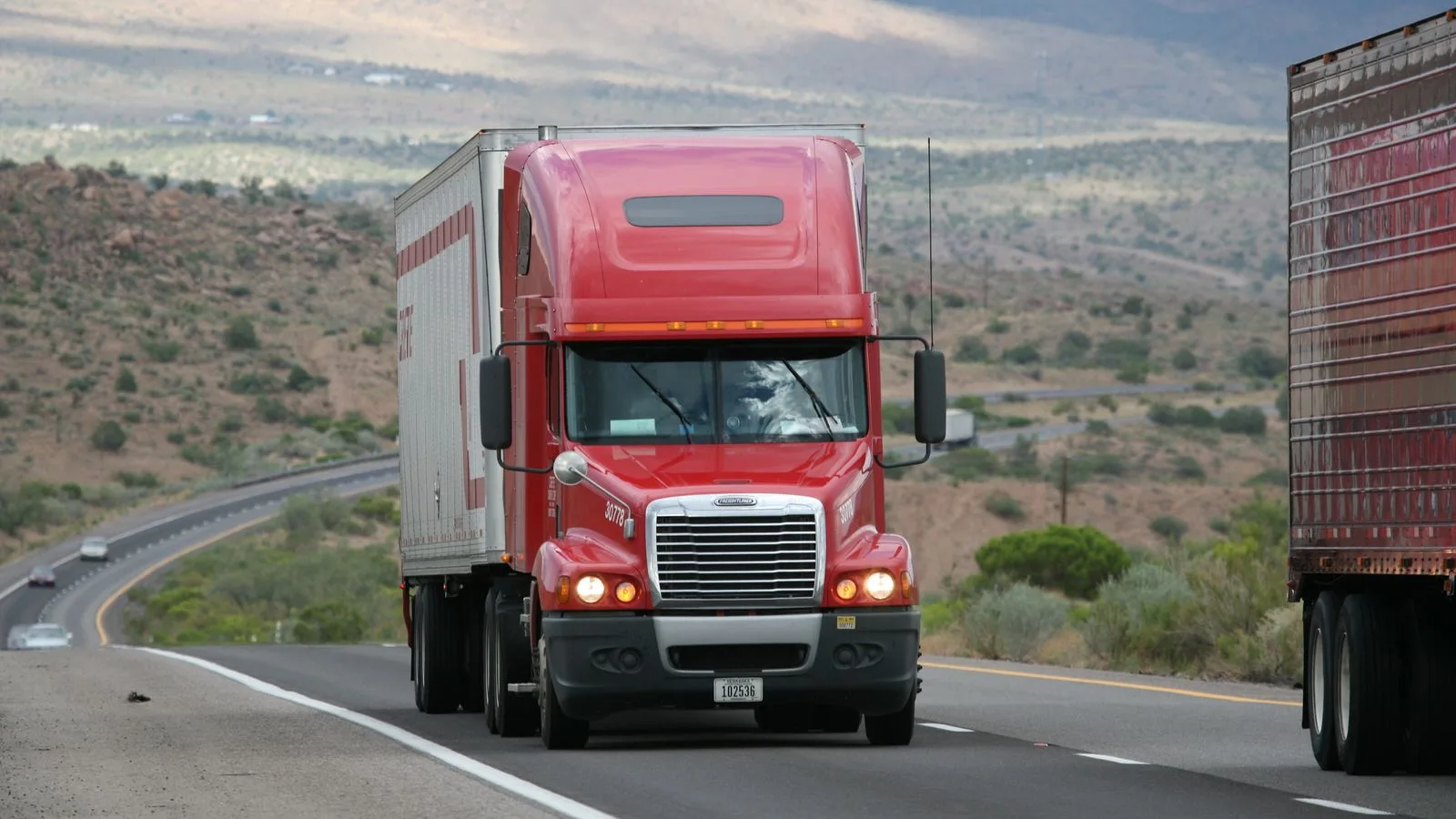
- Dallas has a heavier commercial-vehicle share than most Texas cities: LBJ, I-30, and the I-45 corridor south of downtown move significant freight, and a crash on those routes is more likely to involve a trucking company with its own claims unit, ECM data, and federal hours-of-service records. Those cases need preservation letters out in the first days, not the first weeks. Passenger-vehicle crashes on US-75 and the North Tollway look more like the standard Texas pattern but still benefit from quick DalTrans footage requests.
- Two years from the date of the injury under Tex. Civ. Prac. & Rem. Code § 16.003. The statute does not change because the crash happened in Dallas rather than another Texas county. Claims against governmental defendants — DART, the City of Dallas, Dallas County itself — require pre-suit notice under the Texas Tort Claims Act within six months and sometimes much sooner under local charters. Treat two years as the outside limit and contact counsel well before then so the evidence work can still be done.
- It changes the coverage analysis significantly. Rideshare drivers carry layered coverage: their personal auto policy applies when the app is off, a smaller contingent policy applies when the app is on but no ride is accepted, and a $1,000,000 commercial policy applies once a ride request has been accepted or a passenger is in the vehicle. The trip status at the moment of impact controls. We pull the rideshare trip records early because that timestamp is the entire claim's value driver.
- Likely yes, depending on the percentage. Texas applies modified comparative fault under Tex. Civ. Prac. & Rem. Code § 33.001: you can recover as long as your share of fault is 50% or less, with the award reduced by your percentage. Dallas County juries are familiar with the rule and will assign fault carefully. The strategy in a shared-fault case is to control the narrative on liability early: accident-reconstruction work, the police report supplement, and physical evidence at the scene all matter more than usual.
- The high-volume Dallas firms run intake operations measured in thousands of new files per year. Most of their cases never see the lawyer whose name is on the building. Cap City keeps the caseload small enough that the attorney handling your file is the one who knows the road where you were hit, the carrier on the other side, and the Dallas County judge sitting on the docket. The trade-off is that we are selective at intake, and we travel from Austin to do the work. For clients who want direct attorney access, that math works.
Let's talk about your case.
Free case review, no obligation. We'll tell you straight whether we can help.