
Areas served
Fort Worth Personal Injury Lawyer
Fort Worth's personal injury caseload looks different from Dallas's despite the cities sharing a metro. Tarrant County has its own jury composition, its own docket pace at the Justice Center and Family Law Center, and a freeway system — I-35W, I-30, I-20, and Loop 820 — that produces more long-haul commercial traffic than the Dallas grid does. Suits filed here are governed by the same Texas-wide rules: a two-year statute of limitations in most cases under Tex. Civ. Prac. & Rem. Code § 16.003, and modified comparative fault with a 51% bar under § 33.001. Cap City is a boutique firm based in Austin that handles Tarrant County matters statewide; we travel for scene investigations, Justice Center filings, and any depositions or trial work the file requires.
The Fort Worth corridors behind most of our caseload
Four routes account for the bulk of Fort Worth crash intake. I-35W northbound through downtown, particularly the stretch crossing the Trinity River and approaching the I-30 mixmaster, produces compressed rear-ends and merge-collisions during both peaks. I-30 east into Arlington carries event-night traffic from AT&T Stadium and Globe Life Field through Fort Worth in ways that other Texas cities do not contend with. I-20 along the southern edge of the city is a heavy truck-and-passenger mix with frequent lane-change collisions near the I-35W and SH-360 interchanges. Loop 820 ringing the city handles dense commuter and commercial traffic with a higher single-vehicle-loss rate than the radial freeways. Surface arterials — Camp Bowie, West 7th, and the Berry Street corridor near TCU — round out the intersection-collision pattern.
Tarrant County district courts and how filings move
Civil personal injury suits in Tarrant County are filed at the Tom Vandergriff Civil Courts Building (200 East Weatherford Street), with the Family Law Center next door handling related family matters and the broader Justice Center complex housing criminal and administrative dockets. The civil district courts — the 17th, 48th, 67th, 96th, 141st, 153rd, 236th, 342nd, 348th, 352nd, and others — hear the bulk of Tarrant County injury filings. Venue under Tex. Civ. Prac. & Rem. Code § 15.002 follows the same rules as elsewhere: where the events occurred, where the defendant resides, or the principal-office county. Tarrant County juries trend differently from Dallas juries in subtle but real ways, and we evaluate that before settling on venue when alternatives exist.
JPS Health Network and the Fort Worth trauma map
John Peter Smith Hospital (JPS) is the Level I trauma center for Tarrant County and the safety-net hospital that absorbs most serious-collision admissions in Fort Worth. Texas Health Harris Methodist Fort Worth downtown, Baylor Scott & White All Saints, Texas Health Southwest, and Medical City Fort Worth handle the rest of the moderate-to-high acuity volume. Each of these systems uses a different EMR vendor, has its own records-request process, and produces a discharge summary that is shorter than the underlying chart. The single most common mistake we see in pre-suit Fort Worth files is reliance on the ER summary alone; the operative note, the radiology read, or the trauma consult buried in the full chart routinely changes the demand by an order of magnitude.
Industry and event traffic patterns specific to Fort Worth
Fort Worth's economy is heavier on energy, logistics, and aviation than Dallas's, which means a higher share of crash files involve commercial-fleet drivers: oilfield-service vehicles, regional trucking, and Alliance-corridor freight running north on I-35W toward the airport. Stock Show season at Will Rogers Memorial Center in January and February produces a predictable surface-street congestion spike around the Cultural District. TCU home football weekends and Sundance Square event traffic concentrate pedestrian risk downtown. Camp Bowie's slip-lane intersections and the West 7th corridor near the museum district generate a steady stream of left-turn and angle collisions. Local surveillance footage rarely survives beyond two to four weeks, which is the deciding factor on how fast a preservation letter has to go out.
Fort Worth practice areas
How we help Fort Worth injury victims.
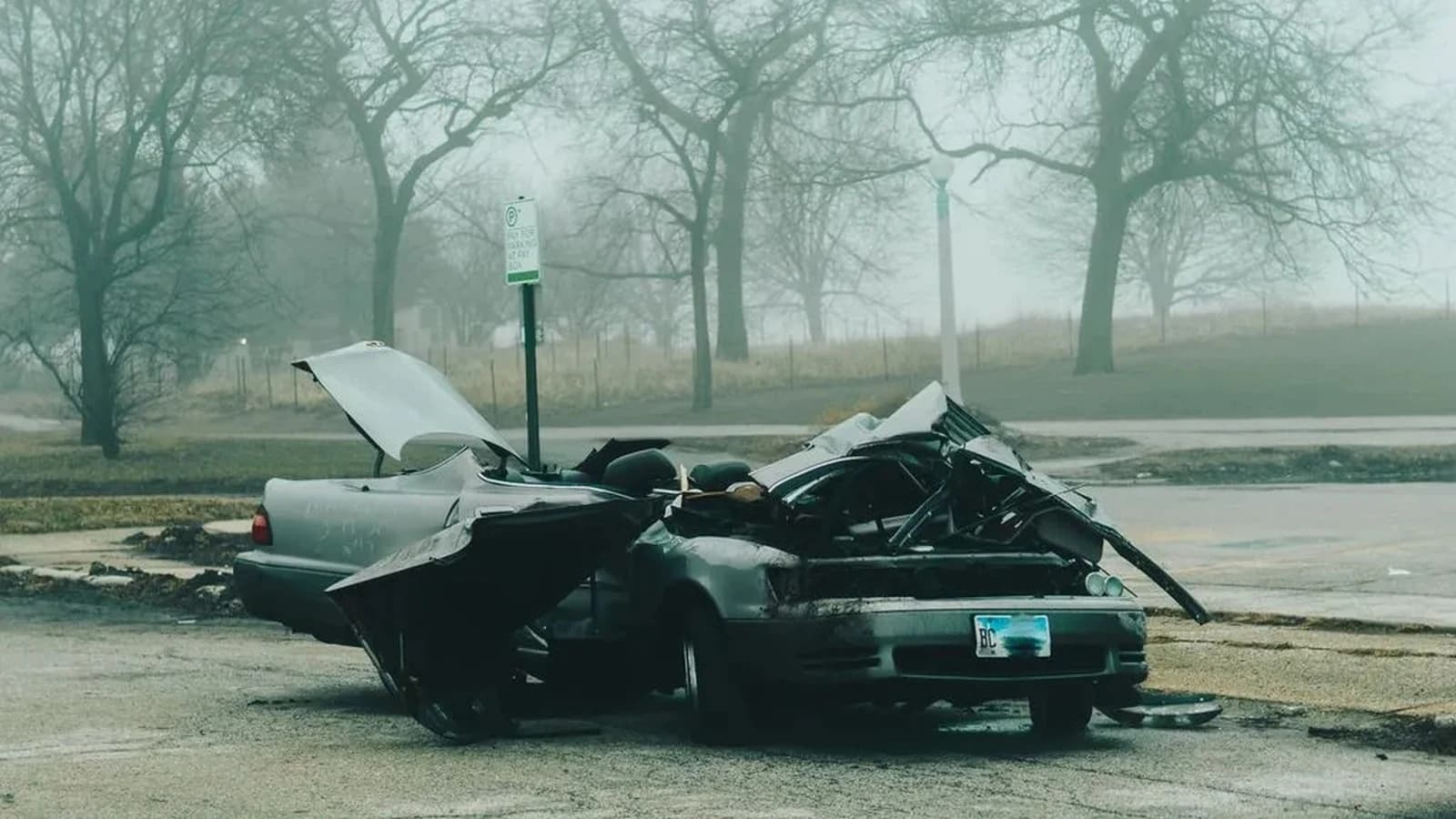
Fort Worth Car Accident Lawyer
Learn more →

Fort Worth Catastrophic Injury Lawyer
Learn more →
Fort Worth Dog Bite Lawyer
Learn more →

Fort Worth Motorcycle Accident Lawyer
Learn more →
Fort Worth Pedestrian Accident Lawyer
Learn more →

Fort Worth Slip & Fall Lawyer
Learn more →
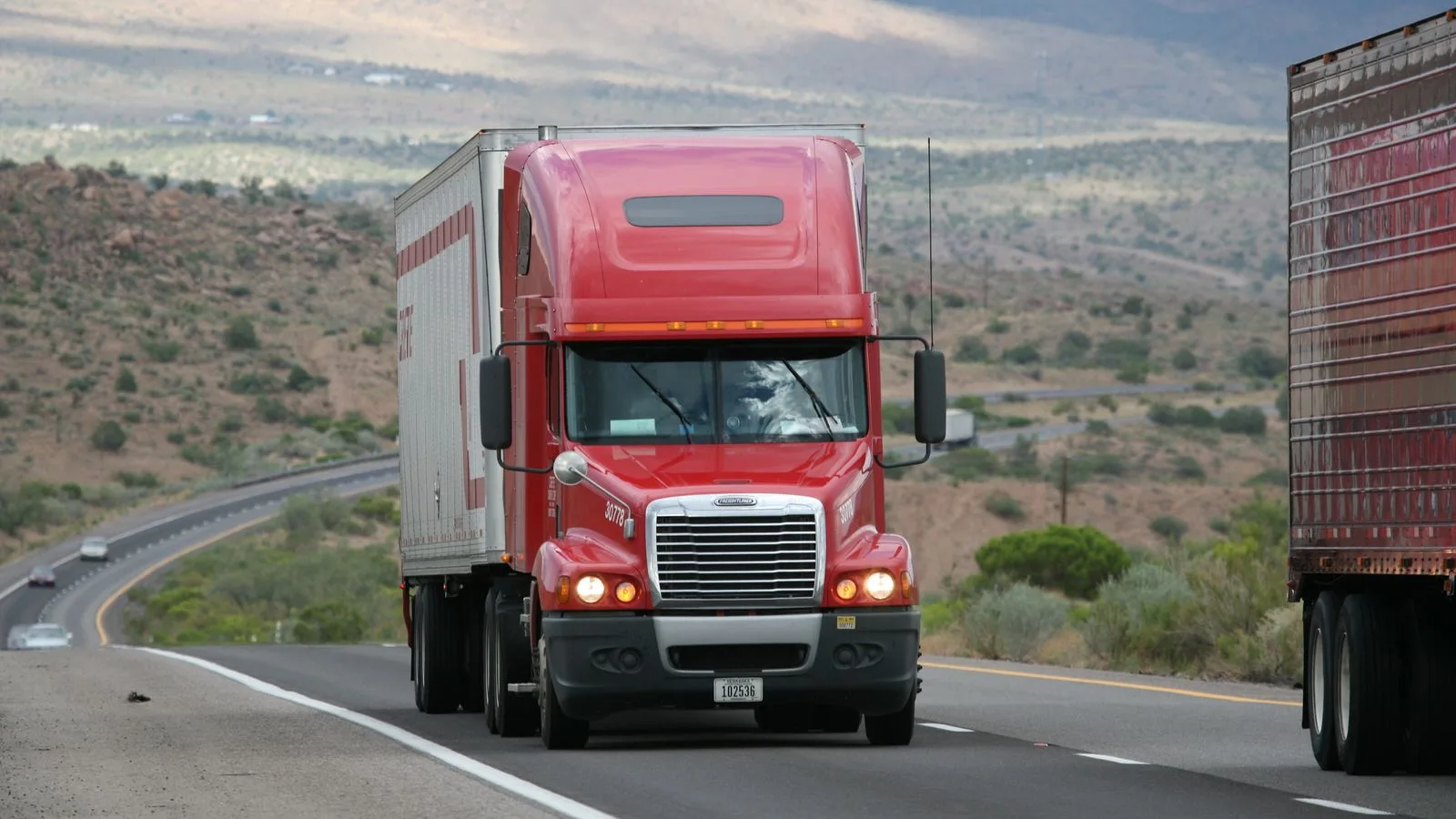
Fort Worth Truck Accident Lawyer
Learn more →
Frequently asked
Questions Texas accident victims ask us
- If your injury occurred in Fort Worth, the case is typically filed in Tarrant County district court at the Tom Vandergriff Civil Courts Building, part of the broader Tarrant County Justice Center complex. The civil district courts handle personal injury filings on a random-draw assignment. For cases involving corporate defendants headquartered outside Tarrant County, Tex. Civ. Prac. & Rem. Code § 15.002 may allow filing elsewhere, and that choice can shift the jury composition meaningfully. We evaluate venue before drafting.
- Yes. We represent Fort Worth and broader Tarrant County clients statewide and travel for the work that requires being on the ground: scene visits, depositions, mediations, and Tarrant County trial settings. The boutique caseload is what makes that travel sustainable. You get direct attorney access through every phase of the case, with phone and video communication in between in-person work. We associate locally only where a specific procedural reason calls for it.
- JPS Hospital is the Level I trauma center and handles the bulk of serious collision and pedestrian-impact admissions in Tarrant County. Texas Health Harris Methodist downtown, Baylor Scott & White All Saints, Texas Health Southwest, and Medical City Fort Worth handle the rest. Each system has its own records portal and billing chronology. We pull the complete chart rather than relying on the ER discharge summary because the imaging read or trauma consult buried inside often reframes the entire claim.
- Event-related cases shift the evidence picture. Stadium operators, parking lots, and rideshare drivers all carry surveillance and trip data that is usually preserved on shorter retention schedules than the underlying claim deserves. If your injury occurred at the venue itself or in a venue-controlled lot, premises-liability rules apply and the operator's incident-report process matters from day one. If it occurred on the I-30 corridor between Fort Worth and Arlington, traffic-camera and rideshare telematics drive the file. Early counsel makes more difference here than in routine crash claims.
- Two years from the date of injury under Tex. Civ. Prac. & Rem. Code § 16.003. The deadline is statewide; it is not different in Tarrant County. Cases involving governmental entities — the City of Fort Worth, Tarrant County, the Trinity Metro transit authority — require pre-suit notice within six months under the Texas Tort Claims Act, and some local entities require notice even sooner. Treat the two-year window as a backstop and engage counsel well before it runs.
- Commercial-vehicle crashes open a different evidence track than passenger-vehicle claims. The carrier's ECM (engine control module) data, the driver's hours-of-service logs, the maintenance records on the tractor and trailer, and any onboard camera footage are all preservable but only if a spoliation letter goes out quickly. Federal Motor Carrier Safety Regulations also bring in independent duties on the company itself — hiring, training, and supervision — that can support a direct negligence theory against the carrier separate from the driver. We treat fleet cases as their own subspecialty from intake.
- In practice, yes. Tarrant County juries trend more conservative on noneconomic damages than Dallas County juries in most case types, and defense counsel knows that, which is why settlement values often look different across the metro line. The right venue is the venue where the case is best presented, and where alternatives exist under Tex. Civ. Prac. & Rem. Code § 15.002, that choice can change settlement leverage. We assess it case by case rather than defaulting.
- Volume firms in this market are built to settle files quickly at predictable multiples of the medicals. That works for some cases. It does not work for the cases where the medical picture takes time to develop, where liability is contested, or where the file needs real attorney attention rather than paralegal-driven processing. Cap City's caseload is intentionally smaller so the attorney handling your case is the one negotiating with the adjuster and the one who will try the case if it has to be tried.
Let's talk about your case.
Free case review, no obligation. We'll tell you straight whether we can help.