
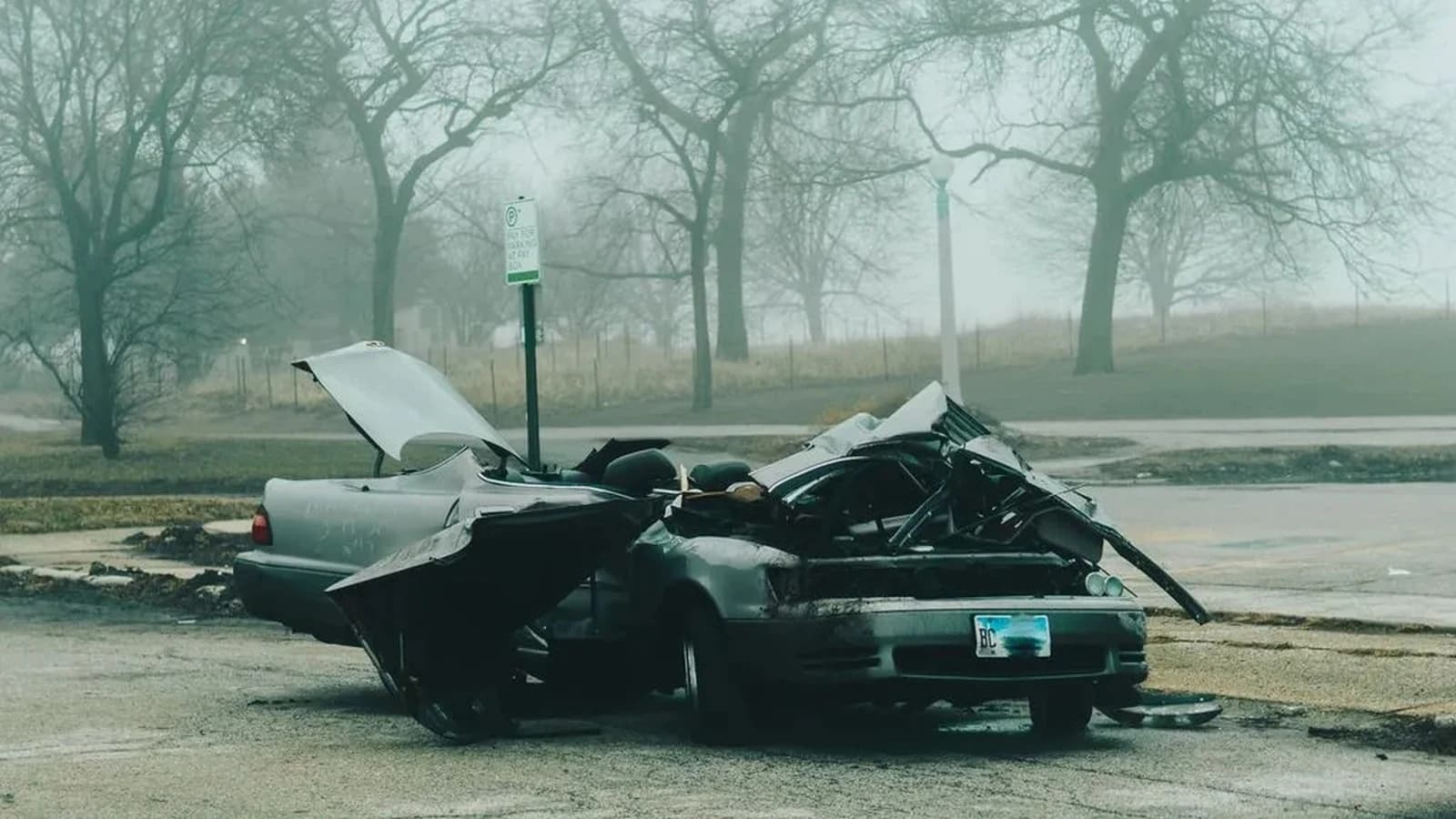
Lakeway · Car Accident
Lakeway Car Accident Lawyer
A car accident claim on Lakeway's roads is a personal injury case built on Texas fault-based negligence rules: you can recover damages as long as your share of blame is 50 percent or less, but your award is reduced by that percentage. The most common Lakeway scenarios play out on RM-620 between the Mansfield Dam and Bee Cave, where the combination of suburban traffic volume, blind curves, and elevation changes creates rear-end and cross-centerline collisions that a standard flat-road analysis does not fully capture. Tex. Civ. Prac. & Rem. Code § 16.003 gives two years from the crash date to file in Travis County district court in Austin. Initial injury presentations—especially soft-tissue harm—often look minor in the first 24 hours, and carriers count on that gap to low-ball early offers.
Why Lakeway cases are different
Lakeway car-crash intake is shaped by the spine of RM-620 between the Mansfield Dam and Bee Cave, where elevation changes, blind curves, and deceleration zones produce cross-centerline collisions and high-speed rear-ends on an alignment never built for suburban volume.
Fault under Chapter 33 on RM-620 and RR-2222
Texas resolves who pays under the Chapter 33 proportionate-responsibility framework, and Lakeway's Hill Country geometry changes how that fight plays out. On RM-620 the recurring patterns are cross-centerline collisions on the curves and high-speed rear-ends in the deceleration zones, while RR-2222 dropping from Four Points toward City Park produces run-off-road losses of control on the descending grades. A driver who leaves the road on a downhill curve has to overcome the inference that they were traveling too fast for conditions, even below the posted limit, which shifts the fault analysis in the injured party's favor. Because Texas applies a 51 percent bar, keeping a client at or below half the fault decides whether recovery is possible at all. On these grades the event data recorder download is often decisive, because the speed and braking record settles disputes the eyewitness accounts cannot.
UM/UIM coverage and the seasonal alcohol pattern
A serious RM-620 collision frequently outruns the at-fault driver's personal liability limits, and the path to full compensation then runs through stacked coverage rather than a single policy. We examine the client's own underinsured-motorist coverage and any household-resident coverage, then layer it against the at-fault driver's limits. Texas requires insurers to offer UM/UIM, and waiving it takes a written rejection, so coverage a claimant assumed they never bought often exists. Lakeway adds a distinct wrinkle: the lake-recreation alcohol pattern on RM-620 returning toward Austin in the late afternoon and evening drives a meaningful share of serious-injury crashes, and an intoxicated at-fault driver who carries thin limits makes a client's own coverage the realistic source of recovery on a high-energy wreck.
More in Lakeway
Other ways we help Lakeway injury victims.




Frequently asked
Lakeway car accident questions
- Lakeway is in Travis County, so a case above the JP-court threshold files in Travis County district court in downtown Austin, in one of the dozen civil district courts that hear personal injury matters, assigned by random docket draw. Tex. Civ. Prac. & Rem. Code section 15.002 controls venue, and for a Lakeway crash the answer is usually straightforward because both the crash location and most defendants point to Travis County.
- Possibly. Texas uses proportionate responsibility with a 51 percent bar, so you can recover as long as your share of fault is 50 percent or less, with your award reduced by your percentage. On a curving RM-620 or RR-2222 scene, fault often turns on speed-for-conditions and positioning, so the EDR data and the responding agency's crash file frequently decide whether you stay on the right side of that line.
- Generally two years from the crash under Tex. Civ. Prac. & Rem. Code section 16.003, a statewide statute Travis County does not change. If a government entity is involved, such as the City of Lakeway, Travis County, or TxDOT, a much shorter pre-suit notice deadline under the Texas Tort Claims Act applies, often six months. Engaging counsel early protects EDR data and witness recollections before they are lost.
- Yes, particularly for cervical disc injuries and soft-tissue damage. In the first 24 hours after a crash, adrenaline can mask pain and imaging may not yet show the full extent of disc herniation. Carriers know this and will push early settlement offers precisely to close the file before the real injury picture develops. Continuing medical evaluation after an RM-620 or RR-2222 crash is important before accepting any offer.
- Lake Travis recreation traffic peaks from April through September, and the return pattern on RM-620 toward Austin in the late afternoon and evening drives a significant share of alcohol-involved serious-injury crashes. If the at-fault driver was intoxicated, Texas Civ. Prac. & Rem. Code Chapter 41 opens an exemplary-damages theory on top of compensatory recovery, which changes the settlement posture fundamentally. The hospital blood-alcohol record and any DWI charge are central evidence in those cases.
- Your own underinsured-motorist coverage is often the realistic source of full compensation when the at-fault driver's limits are inadequate. Texas requires insurers to offer UM/UIM, and declining it requires a written rejection, so coverage you assumed you did not buy may exist in your own policy. We layer the at-fault limits against your available UM/UIM and any household-resident policies to identify the complete recovery picture early in the case.
Where we work from
Downtown Austin. Lakeway clients welcome.
Our office is in downtown Austin; we represent Lakeway-area clients statewide and travel to Lakeway for case-specific needs (scene visits, medical-records consultations, court appearances). Home and hospital visits when injuries make travel difficult.
Talk to a Lakeway car accident lawyer.
Free case review, no obligation. We'll tell you straight whether we can help.