
Lakeway · Motorcycle Accident
Lakeway Motorcycle Accident Lawyer
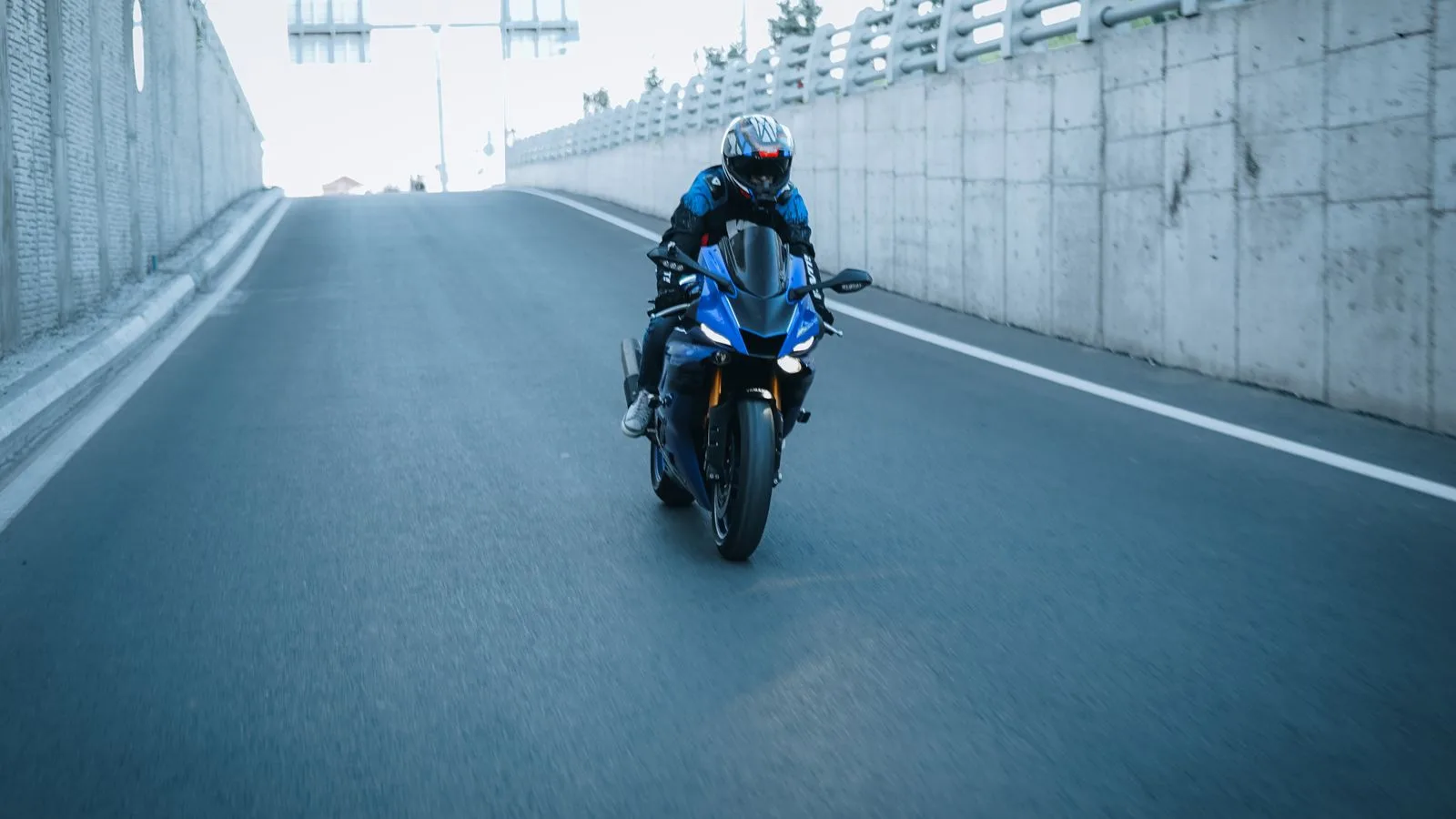
A motorcycle crash claim in Lakeway follows Texas fault-based negligence rules under Chapter 33, but riders face a harder evidentiary battle than passenger-vehicle occupants because juries often assign comparative fault to motorcyclists without direct evidence of wrongdoing. The terrain of RR-2222 and RM-620—sharp elevation changes, hairpin curves, and limited sightlines—creates crash conditions that the standard left-turn or lane-change insurance defense distorts into a speeding narrative. Because Texas imposes a 51 percent fault bar, a rider whose recovery share is reduced below zero by an inflated fault finding loses everything, which makes reconstruction of the Hill Country road geometry a central defensive task. Helmet law compliance under Tex. Transp. Code § 661.003 is relevant but does not reduce non-head-injury damages as a matter of law.
Why Lakeway cases are different
Lakeway draws riders to the Hill Country sweep of RR-2222 and RM-620, and that same geometry, with its hairpin curves, elevation changes, and limited shoulders, makes a motorcycle crash here both more likely to be severe and more vulnerable to the rider-bias defense insurers reflexively raise.
Rider bias against the RR-2222 geometry
Insurers routinely assume a motorcyclist was speeding or riding recklessly, and the curving downhill terrain of RR-2222 from Four Points into the lake basin gives them an easy story to tell. Defeating that bias requires turning the road geometry itself into evidence rather than letting it work against the rider. The blind curves, sharp elevation changes, and sight-distance limitations the city file describes mean a car turning across the rider's path frequently never had the line of sight to clear, and the physical evidence, skid marks, debris field, and impact geometry, often shows the rider had no opportunity to avoid the collision. Under the Chapter 33 proportionate-responsibility framework and the 51 percent bar, rebutting the speed assumption with reconstruction and any EDR data is what keeps a deserving rider on the right side of the fault line.
Left-turn and lane-change crashes and severe injuries
The classic motorcycle-versus-car collisions, the left-turn-across-path at an intersection and the lane-change that does not account for a rider, are especially dangerous on RM-620 because the corridor mixes suburban turning movements with higher-speed through traffic on an alignment that was not designed for the volume. A rider has no crumple zone, so even a moderate-speed collision on these roads produces orthopedic fractures, road rash requiring debridement, and traumatic brain injury, the categories of harm that carry large future-care costs. The Hill Country transport problem compounds this: the city file notes EMS times from remote stretches can run twenty to thirty minutes longer than from the Austin core, and that time-to-treatment gap can worsen outcomes, which we work into the medical chronology and the demand.
More in Lakeway
Other ways we help Lakeway injury victims.



Frequently asked
Lakeway motorcycle accident questions
- We turn the road geometry into evidence. RR-2222's blind curves and elevation changes often mean a car crossing the rider's path never had the sight distance to clear, regardless of the rider's speed. Reconstruction of the skid marks, debris field, and impact angles, plus any EDR data, frequently rebuts the speed assumption. Under the 51 percent bar, defeating that bias is what protects your recovery.
- Often not by itself. Motorcycle injuries on RM-620 and RR-2222 tend toward fractures, brain injury, and road rash with high future-care costs that outrun a minimum liability policy. We examine your own underinsured-motorist coverage and any household coverage and stack it against the at-fault limits, because on a severe rider injury that layered coverage is usually the realistic source of full compensation.
- It can affect both outcome and proof. The city file notes EMS transport from remote stretches of RR-2222 or Hudson Bend can run twenty to thirty minutes longer than from central Austin, which can worsen an initial injury. We document that time-to-treatment gap in the medical chronology because it helps explain the severity of the harm and supports the value of the claim.
- Not automatically. Under Tex. Transp. Code § 661.003, riders 21 and older may ride without a helmet if they carry qualifying medical coverage or completed an approved safety course. Even where helmet use is relevant, Texas law requires causation—the absence of a helmet does not reduce damages for injuries to parts of the body other than the head. The defense must prove a causal link between helmet absence and the specific injury at issue, which is a higher bar than insurers typically acknowledge.
- No, it is effectively an admission. Texas drivers owe a duty to see what is present on the roadway, and a statement that the driver did not see a motorcycle approaching describes a failure to maintain a proper lookout, not an excuse. We treat 'I never saw the motorcycle' statements as a core piece of liability evidence and use them to rebut any comparative-fault claim against the rider.
- Potentially. A road-surface or debris hazard can support a claim against a property owner, a government entity, or a driver whose conduct created the condition, depending on the facts. Claims against the City of Lakeway, Travis County, or TxDOT for roadway conditions require timely pre-suit notice under the Texas Tort Claims Act, typically within six months. We evaluate the source of the hazard early because the defendant and the notice timeline differ from a driver-versus-rider collision.
Where we work from
Downtown Austin. Lakeway clients welcome.
Our office is in downtown Austin; we represent Lakeway-area clients statewide and travel to Lakeway for case-specific needs (scene visits, medical-records consultations, court appearances). Home and hospital visits when injuries make travel difficult.
Talk to a Lakeway motorcycle accident lawyer.
Free case review, no obligation. We'll tell you straight whether we can help.