
Tyler · Truck Accident
Tyler Truck Accident Lawyer
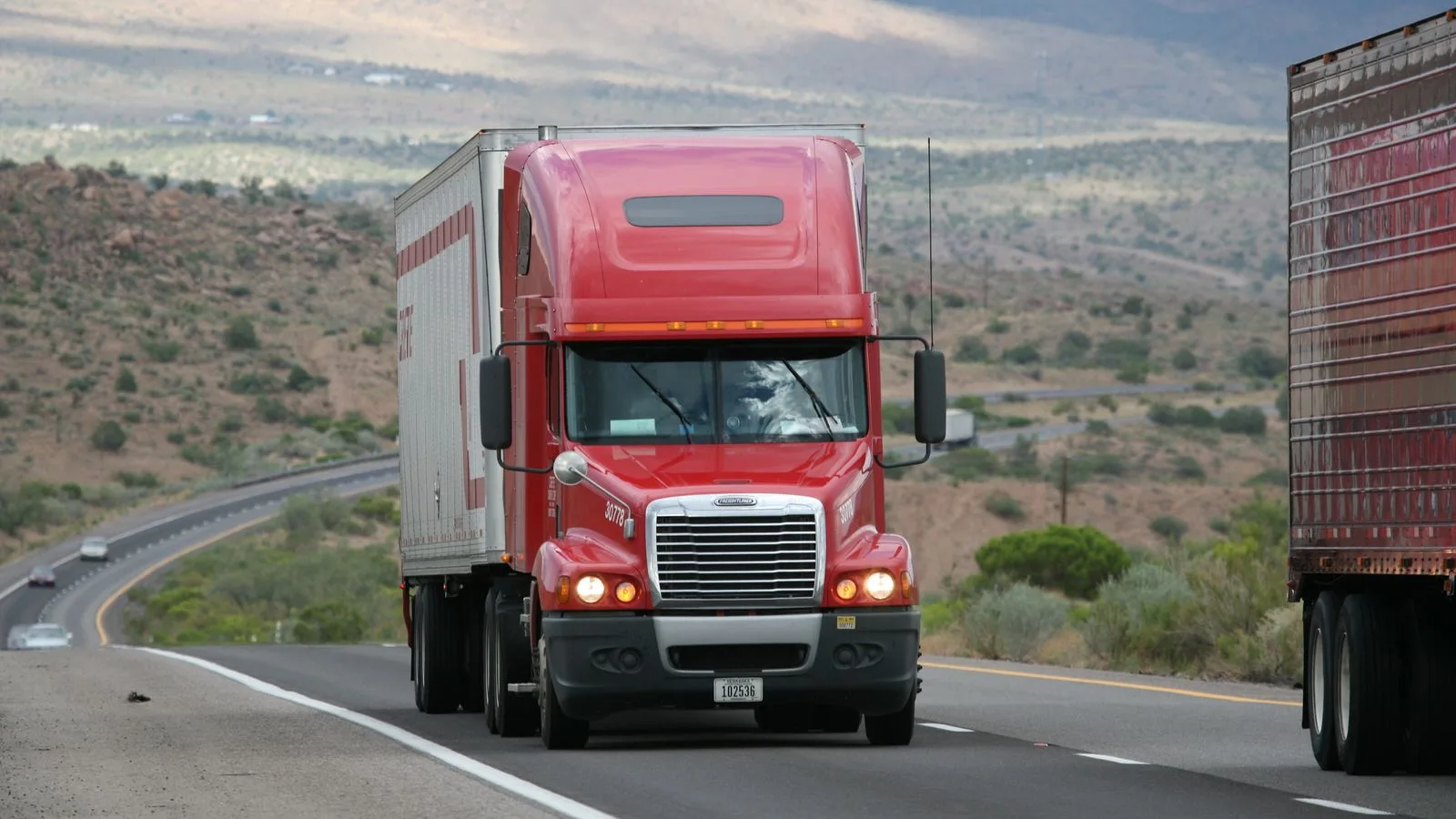
A commercial truck crash in Smith County activates a regulatory layer that ordinary car cases never touch: Federal Motor Carrier Safety Regulations, FMCSA driver-qualification requirements, and electronic logging device data that a carrier running I-20 between Dallas and Shreveport must keep. Texas law holds the motor carrier liable alongside the driver under respondeat superior, and when the truck carries timber from the Pine Belt operations east of Tyler, load-securement rules under 49 CFR Part 393 add a separate theory of liability. The two-year statute under Tex. Civ. Prac. & Rem. Code § 16.003 applies, but the preservation window for ELD logs and ECM data is far shorter, often weeks, making immediate action essential.
Why Tyler cases are different
I-20 moves heavy long-haul freight between Dallas and Shreveport across the north of Smith County, and the surrounding FM and US routes carry the Pine Belt's log trucks, chip haulers, and forestry vehicles. A collision with one of these commercial carriers is a fundamentally different case from a two-car wreck.
FMCSA rules and the evidence a Tyler truck case turns on
Commercial motor carriers running I-20 and the Smith County freight routes answer to Federal Motor Carrier Safety Administration regulations and Texas DOT oversight. That opens evidence a personal-auto crash never touches: the driver's hours-of-service logs and electronic logging device data, the driver-qualification file, vehicle inspection and maintenance records, post-crash drug-and-alcohol testing, and the carrier's broader safety history. Hours-of-service limits exist because fatigue drives long-haul crashes, and ELD data can show whether a driver on the Dallas-to-Shreveport run was over their limit. This electronic evidence ages out and can be overwritten, so we send spoliation letters to the carrier immediately to lock down logs, telematics, and dashcam footage before routine retention cycles erase them.
Timber haulers, load securement, and employer liability
Tyler sits at the edge of active Pine Belt forestry operations, and loaded log trucks and chip haulers run the routes around Smith County year-round. These cases add a layer most truck files do not: load-securement standards under 49 CFR Part 393 govern how timber is chained and strapped, and a securement failure that contributes to a crash is its own theory of liability separate from how the truck was driven. When the driver was working within the scope of employment, the motor carrier is generally liable for the driver's negligence, which matters because commercial operators carry far higher policy limits than personal drivers. We build the case around the carrier's records and coverage layers, not just the crash report, and identify every responsible entity, from the driver to the carrier to any separate shipper or load broker.




Frequently asked
Tyler truck accident questions
- Timber haulers are commercial motor carriers regulated by the FMCSA and Texas DOT. Their hours-of-service logs, ELD data, driver-qualification files, and post-crash testing all become evidence, and load-securement rules under 49 CFR Part 393 govern how the timber was strapped. A securement failure can be its own liability theory, and commercial carriers typically carry higher policy limits than personal drivers.
- Quickly. Electronic logging data, telematics, and dashcam footage are subject to routine retention cycles and can be overwritten within weeks. We send spoliation letters to the carrier as soon as we are retained to legally require preservation of those records. The sooner counsel is involved, the better the chance of locking down the data that often decides a long-haul I-20 case.
- Usually yes. When a driver causes a crash while working within the scope of employment, the motor carrier is generally responsible for that negligence, and the carrier's commercial policy is the primary coverage. There may also be claims against a separate shipper or load broker depending on the facts. Identifying every responsible entity is central to reaching the higher limits commercial cases carry.
- FMCSA regulations require carriers to maintain a file for each driver containing the commercial driver's license, driving history, medical certification, and other records that confirm the driver was properly screened before being put on the road. If the carrier failed to check a prior violation or medical disqualification, that failure is its own evidence of negligent hiring or entrustment. We demand the full qualification file immediately because carriers are not required to keep it indefinitely after a driver leaves.
- It depends on the vehicle's gross vehicle weight rating and the carrier's operating authority. Commercial motor vehicles over 10,001 pounds operating in interstate commerce fall under FMCSA regulations regardless of cargo type, so a nursery delivery fleet running US-69 or FM-2493 during the spring shipping season can be subject to the same hours-of-service and driver-qualification rules as a long-haul timber carrier. We confirm FMCSA registration status as one of the first steps in any commercial-vehicle case.
- If the crash occurred in Smith County, venue is available in the Smith County district courts in downtown Tyler under Tex. Civ. Prac. & Rem. Code § 15.002. A carrier headquartered outside Texas may also be sued where it does business in Texas, and alternative venue choices can affect jury composition and defense bar. We evaluate venue alongside insurance coverage before filing, because the choice can change settlement leverage on a high-exposure commercial case.
Where we work from
Downtown Austin. Tyler clients welcome.
Our office is in downtown Austin; we represent Tyler-area clients statewide and travel to Tyler for case-specific needs (scene visits, medical-records consultations, court appearances). Home and hospital visits when injuries make travel difficult.
Talk to a Tyler truck accident lawyer.
Free case review, no obligation. We'll tell you straight whether we can help.