
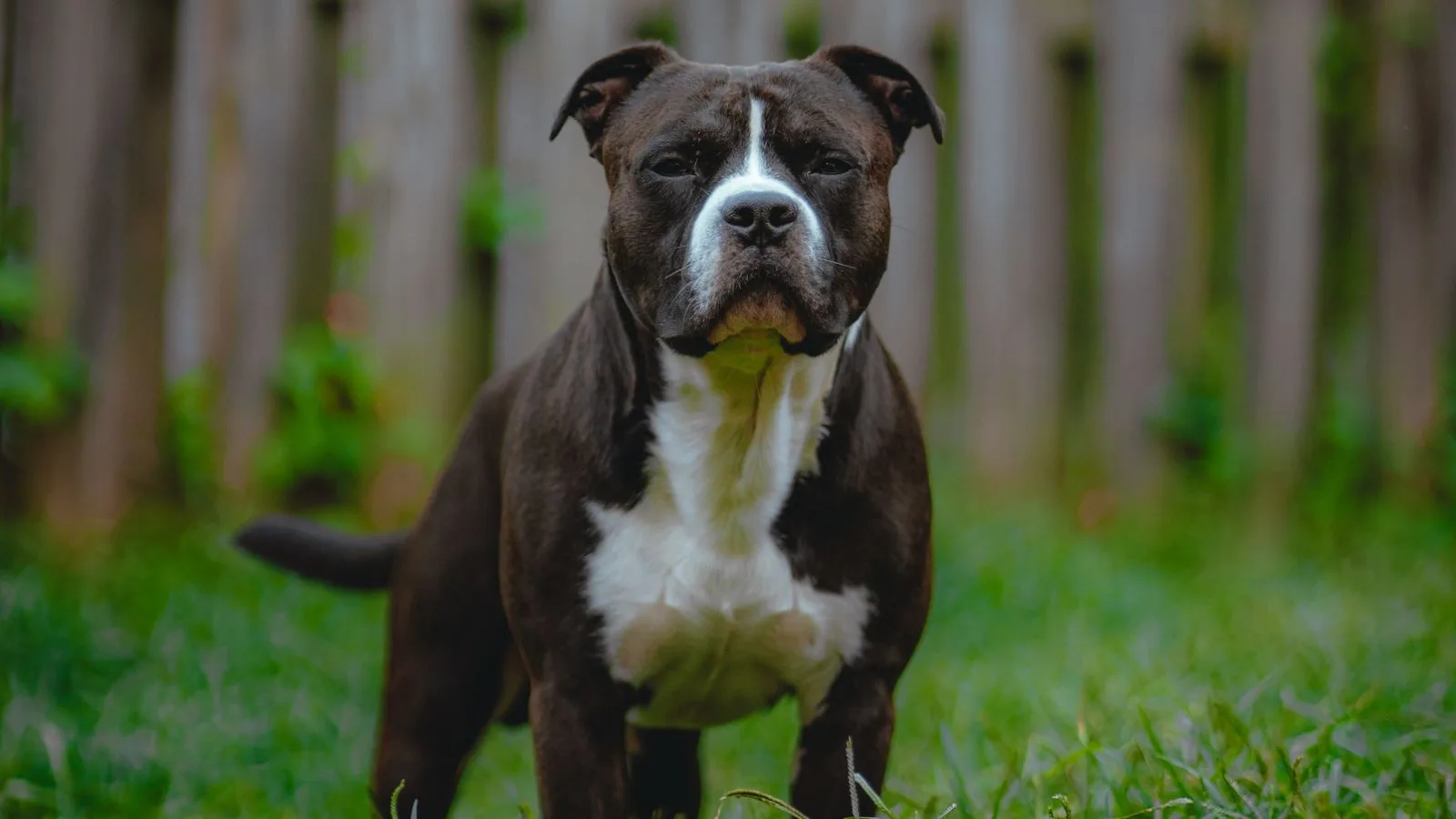
Tyler · Dog Bite
Tyler Dog Bite Lawyer
A dog-bite claim in Tyler rests on proving that the dog's owner knew or had reason to know the animal posed a danger, or that the owner failed to exercise reasonable control over the dog, such as by violating a City of Tyler leash ordinance. Texas follows a common-law framework rather than a strict-liability statute, so investigating the animal's history and prior complaints with Smith County or City of Tyler animal control is often essential to establishing liability. The two-year statute under Tex. Civ. Prac. & Rem. Code § 16.003 applies, though for child victims under eighteen the limitations period is tolled until their eighteenth birthday. Serious bite injuries in the Tyler area are treated at UT Health East Texas on Beckham Avenue.
Why Tyler cases are different
A serious dog attack in the Tyler area often sends the victim to UT Health East Texas, and children frequently suffer deep facial and hand wounds. Texas handles these claims through owner-liability and negligence rules rather than a single bite statute, which makes the facts of each case decisive.
Texas owner liability and the negligence path
Texas does not have a broad statutory strict-liability rule for dog bites; instead it follows a common-law framework often summarized as the 'one-bite' rule alongside ordinary negligence. An owner is liable when they knew or had reason to know their dog was dangerous, for instance through a prior bite, aggressive behavior, or breed-specific history, and the dog then injured someone. Separately, an owner can be liable in negligence for failing to control or restrain the animal reasonably, even without prior knowledge of viciousness, such as letting a dog roam loose in violation of a local leash ordinance. We investigate the dog's history, prior complaints, and any Smith County or City of Tyler animal-control records, because establishing the owner's knowledge or carelessness is what turns a sympathetic story into a provable claim.
Severe injuries, children, and homeowner coverage
Dog attacks cause uniquely damaging wounds, deep puncture and tearing injuries, facial scarring, nerve damage, and infection risk, and children are bitten in the face and hands at far higher rates because of their height. Serious bites in the Tyler area are treated at UT Health East Texas, and facial reconstruction or scar revision can mean care that extends for years, especially for a growing child. The financial recovery usually runs through the dog owner's homeowner's or renter's insurance, which commonly covers dog-bite liability. We identify that policy early and document the full injury picture, including future surgical needs and the psychological impact of a disfiguring attack, because the long-term cost of a child's facial scarring is far larger than the initial emergency treatment alone.





Frequently asked
Tyler dog bite questions
- Texas largely follows a common-law approach. An owner is liable if they knew or should have known the dog was dangerous, often shown by a prior bite or aggressive behavior, and the dog then injured someone. You can also pursue a negligence claim if the owner failed to control or restrain the dog reasonably, such as violating a leash ordinance, even without proof of prior viciousness.
- Children are bitten in the face and hands at higher rates and often need long-term care, including scar revision or reconstructive surgery as they grow. Serious bites in the Tyler area are treated at UT Health East Texas. We document the full future treatment plan and the psychological impact, because the lifetime cost of disfiguring injuries to a child far exceeds the initial emergency care.
- Compensation usually comes from the dog owner's homeowner's or renter's insurance, which commonly includes dog-bite liability coverage. We identify the applicable policy early and confirm its limits. Establishing the owner's knowledge of the dog's danger or their failure to restrain it is what supports the claim against that coverage, so we gather animal-control records and prior-complaint history promptly.
- Yes. Animal-control records including prior bite reports, dangerous-animal designations under Texas Health and Safety Code Chapter 822, and complaint histories are important evidence of what the owner knew. We request those records early in the case. A prior report showing the dog lunged at or threatened another person, even without a prior bite, can support the known-dangerous-propensity theory that triggers owner liability.
- Yes. The apartment complex itself may share liability if management had knowledge of the dog's dangerous behavior and the ability to require the owner to remove or confine the animal but failed to act. We look for prior written complaints to management and any records showing the complex received notice. Both the owner's renter's insurance and the complex's commercial general liability policy are potential sources of coverage.
- The general deadline is two years from the date of the attack under Tex. Civ. Prac. & Rem. Code § 16.003. For a child victim, that deadline is tolled, meaning paused, until the child turns eighteen, so the claim does not expire during childhood. Even so, contacting an attorney promptly preserves the evidence, witness recollections, and animal-control records that are hardest to reconstruct years later.
Where we work from
Downtown Austin. Tyler clients welcome.
Our office is in downtown Austin; we represent Tyler-area clients statewide and travel to Tyler for case-specific needs (scene visits, medical-records consultations, court appearances). Home and hospital visits when injuries make travel difficult.
Talk to a Tyler dog bite lawyer.
Free case review, no obligation. We'll tell you straight whether we can help.