
Free Case Review
Close
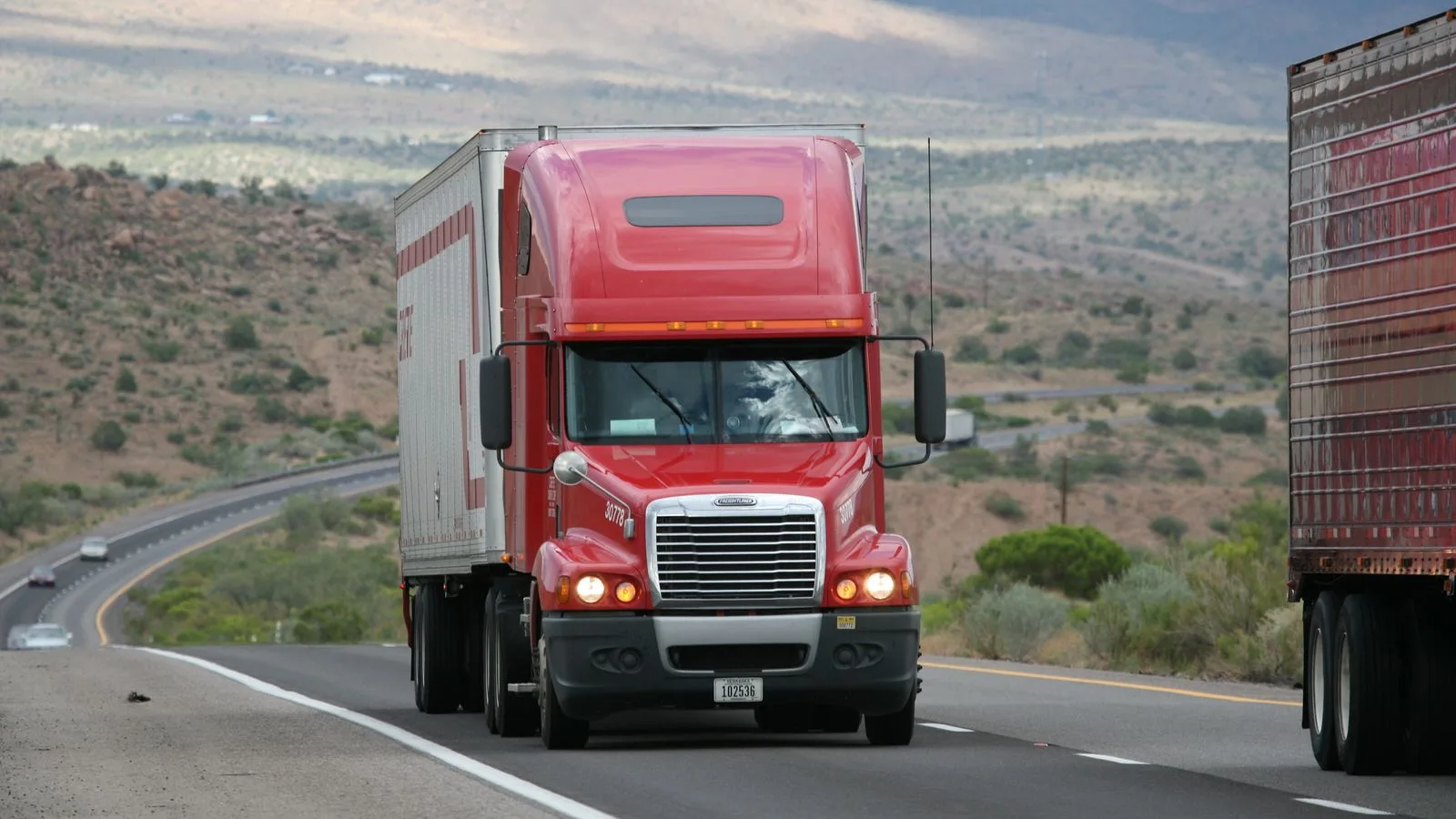
18-wheeler semi-truck on a Texas highway at sunset representing commercial truck accident legal representation

Truck Accident Lawyer Texas: Why Specialized Legal Representation Matters After a Crash

Large commercial trucks weighing up to 80,000 pounds turn minor errors into life-altering disasters on Texas highways. These crashes involve many liable parties and complex evidence that disappears fast. Finding legal help is the first step toward holding a trucking company accountable.

Contact Cap City Injury Attorneys Today for Your No-Cost Case Review

A truck accident lawyer in Texas is vital for victims facing the painful aftermath of a severe semi-truck wreck. These cases are harder to win than car accident claims because they involve strict federal laws and multiple insurance companies that demand expert oversight. According to data from the FMCSA, trucking companies must follow clear rules about driver rest and vehicle safety to prevent deadly crashes. At Cap City Injury Attorneys, we look at truck data and hiring files to find proof of negligence that large firms often miss. Our boutique style gives you direct access to a skilled attorney who is ready to fight for the full payment you need to move forward.

How FMCSA Regulations Strengthen Your Texas Truck Accident Case

The Federal Motor Carrier Safety Administration (FMCSA) sets the rules for the trucking industry. These federal laws keep roads safe by holding trucking firms to high standards. When an Austin Truck Accident Lawyer looks at your case, they start by checking for FMCSA violations. Any broken rule can be key proof of negligence in a Texas court.

The FMCSA regulates driver rest limits, vehicle maintenance, driver qualifications, and drug testing for all commercial trucks. When a carrier violates these rules, that violation becomes powerful evidence of negligence in your personal injury case.

Hours of Service and Driver Fatigue

Driver fatigue is a major cause of crashes on Texas roads. To prevent this, the FMCSA enforces strict Hours of Service (HOS) rules under FMCSA 49 CFR Part 395. Under these regulations, commercial truck drivers are restricted to a maximum of 11 hours of driving, and only after they have completed 10 consecutive hours off-duty. Furthermore, drivers are strictly prohibited from driving after they have been on duty for 14 hours total in a single day. You can find the full list of these safety rules at FMCSA.gov.

To ensure compliance, federal mandates require most commercial trucks to be equipped with Electronic Logging Devices (ELDs) that automatically and precisely record driving hours. Tampering with, falsifying, or overriding ELD data is a severe federal violation. When trucking companies pressure drivers to exceed their HOS limits, or look the other way when log data is manipulated, they put corporate profit over public safety. An experienced Austin truck accident lawyer will immediately demand these digital logs to prove that driver fatigue was a primary contributing factor to your crash.

Vehicle Maintenance and Safety Checks

A fully loaded commercial semi-truck can weigh up to 80,000 pounds, which is roughly 20 times the weight of an average passenger vehicle. Because of this massive disparity in mass, commercial trucks require up to 40% more stopping distance than standard passenger cars. At 65 mph, an 18-wheeler requires approximately 525 feet to come to a complete stop. Consequently, even a minor equipment or mechanical failure can have catastrophic, deadly results on Texas highways.

To mitigate these risks, federal law dictates that motor carriers must implement robust vehicle maintenance programs. Under 49 CFR Part 396, trucking companies and drivers are required to conduct thorough pre-trip and post-trip vehicle inspections, and carriers must maintain meticulous inspection, repair, and maintenance records. These mandatory checks must cover critical safety components, including brake systems, steering mechanisms, tires, coupling devices, and lights. When a crash occurs, your legal team will issue a spoliation letter to prevent the destruction of these records. Missing, incomplete, or falsified maintenance logs often serve as clear evidence that the trucking company failed its legal duty to maintain a safe fleet.

Driver Qualifications and Professional Licensing

Safely operating a commercial motor vehicle requires specialized training, sharp reflexes, and professional skill. The FMCSA establishes rigorous standards for driver qualifications under 49 CFR Part 391. To legally operate a commercial truck, a driver must hold a valid Commercial Driver’s License (CDL) and must pass regular comprehensive Department of Transportation (DOT) physical examinations to verify they are physically and medically fit to operate these heavy vehicles safely.

Trucking companies are legally required to maintain a detailed driver qualification file for every operator they employ. This file must contain the driver’s CDL history, medical examiner’s certificates, and annual driving record reviews. When a carrier hires an operator with a history of safety violations, physical impairments, or an invalid license, the company can be held independently liable for negligent hiring, negligent training, negligent supervision, or negligent retention. Your attorney will meticulously audit the driver’s qualification file to identify any systemic hiring failures by the trucking carrier.

Drug and Alcohol Testing Requirements

Operating an 80,000-pound commercial vehicle while under the influence of drugs or alcohol is an act of extreme negligence. To prevent impaired driving, the FMCSA enforces strict drug and alcohol testing regulations under 49 CFR Part 40. Motor carriers are legally required to participate in random drug and alcohol testing pools, conduct pre-employment screenings, and perform reasonable-suspicion testing.

Crucially, federal regulations mandate immediate post-crash drug and alcohol testing for truck drivers following any serious accident. Under FMCSA rules, alcohol testing must ideally occur within 2 hours (and absolutely no later than 8 hours) of the collision, while drug testing must be conducted within 32 hours of the crash. These strict post-accident testing requirements apply to any accident involving a fatality, or any crash where the truck driver receives a citation and a vehicle is towed or an injured person requires immediate medical treatment away from the scene. If a carrier fails to administer these tests within the federally mandated windows, or if a driver tests positive, this violation serves as powerful evidence of negligence in a Texas personal injury lawsuit.

Who Can Be Held Liable After a Texas Truck Accident?

Truck crash cases are much more complex than standard car wrecks. In a typical car crash, you usually only deal with the other driver and their insurance. But in a commercial crash, many people and companies may share the blame. Finding every at-fault party is a key part of what a truck accident lawyer in Texas does to help you get back on your feet.

Multiple parties may share liability in a truck accident: the trucking company, the driver, parts manufacturers, cargo loaders, and shipping brokers. Your lawyer identifies every at-fault party to maximize your recovery.

The Trucking Company and Vicarious Liability

In most cases, the trucking company is the first place we look for answers. Under a legal rule called vicarious liability, an employer is often responsible for the mistakes their employees make while on the clock. If a driver speeds or runs a red light while making a delivery, the company may have to pay for the harm caused. This rule ensures that a big company cannot hide from the damage its business model creates on our roads.

Beyond the driver’s actions, the company may also face claims for its own bad choices. These include poor hiring or failing to train a driver. According to FMCSA standards, carriers must ensure their drivers have a valid license and pass regular health checks. If a firm puts an unsafe driver on the road, they are at fault for the crash.

Begin Your No-Cost Case Review Today — Call (512) 612-3110 or Contact Us Online

Manufacturers and Maintenance Shops

Sometimes the crash happens because a part on the truck fails. Large trucks carry heavy loads and travel long distances, which puts stress on tires and brakes. If a tire blows out due to a factory flaw, the maker of that tire may be liable. Maintenance shops also play a role: if a shop fails to fix a known brake issue, they could be held at fault for a crash caused by that failure.

Brokers and Cargo Loaders

The party that packs the truck also has a duty to keep the public safe. If cargo is not tied down right, it can shift during a turn and cause the truck to roll over. Shipping brokers also have a job to do — they must check the carriers they use. If a broker hires a carrier with a poor safety record, they may share in the liability for any resulting crash.

Texas Modified Comparative Negligence

Texas uses a rule called modified comparative negligence, often known as the 51% bar rule. Under this law, you can only get money for your claim if you are not more than 50% at fault for the crash. If a jury finds you were 51% or more to blame, you cannot get any money at all. This is why a truck accident lawyer in Texas must work hard to prove the other parties were the ones who truly caused the crash.

Why Early Evidence Preservation Is Critical After a Texas Truck Accident

Evidence in a truck crash can vanish in just a few days. Trucking firms often have rapid response teams that go to crash sites right away. These teams work to gather data that protects the company’s profits. They may even get to the scene before the police arrive.

Trucking companies dispatch rapid response teams within hours of a crash to secure evidence that favors their side. You must act immediately to preserve black box data, dashcam footage, and maintenance logs before they disappear.

Legal professional examining an 18-wheeler black box data recorder and digital log evidence for a truck accident investigation

How Trucking Companies Act Fast

Trucking firms use these teams to coach drivers and take photos that favor their side. They know that physical proof is the most powerful tool in a court case. If you do not act fast, key files may be lost or wiped. This is why you need a truck accident lawyer Texas to help you right away.

The data found in a truck’s black box or on its dashcam can show who was at fault. But federal rules only require companies to keep some of these records for a short time. Under FMCSA rules, driver logs for hours of service may only be held for six months. Without a legal order, the company might write over that data or destroy old logs.

Steps to Protect Your Legal Rights

You must act fast to stop the loss of proof. Here are the steps you should follow after a crash with a big truck.

  1. Call the Police. Always call the police after a crash. They will make a report that notes the scene and any tickets given. This report is a vital piece of proof for your case.
  2. Get Medical Care. See a doctor even if you feel fine. Some harms take hours or days to show up. Medical files show that the crash caused your injuries.
  3. Record the Scene. Use your phone to take photos of all vehicles. Capture skid marks, road signs, and any debris. These images show how the crash happened.
  4. Save Truck Data. Big trucks have black boxes that record speed and braking. You need a lawyer to stop the firm from wiping this device after the crash.
  5. Send a Legal Letter. A truck accident lawyer Texas will send a spoliation letter. This letter tells the firm they must not destroy logs, video, or repair files.
  6. Hire a Lawyer Soon. Many pieces of proof can be lost in weeks. Starting your case fast helps ensure your lawyer can find the truth before it is gone.

Why Legal Letters Matter

A spoliation letter is a formal notice. It warns the firm of legal fines if they hide or destroy proof. At Cap City Injury Attorneys, we send these letters right away to protect our clients. We know how to deal with the fast teams that insurance firms send to the scene. By freezing the records now, we can build a strong case for the money you need.

How Truck Accident Claims Differ From Car Accident Cases

Most drivers know how a standard car accident claim works. You trade insurance info, get a crash report, and file a claim. But when a semi-truck is involved, the legal landscape changes. These cases are not just bigger car wrecks — they involve different laws, more evidence, and much higher stakes.

Truck accident claims involve federal FMCSA regulations, multiple liable parties, larger insurance policies (up to $5 million+), and complex digital evidence like black box data and ELD logs — none of which apply to standard car accident claims.

Force and Injury Severity

The sheer size of a commercial truck is the most obvious difference. A fully loaded semi-truck can weigh up to 80,000 lbs. This is about 20 times the weight of a passenger car. Because of this massive weight, truck crashes often cause catastrophic injuries that a typical car accident lawyer in Austin might not see every day.

These crashes also need much more space to stop. An 18-wheeler needs about 40% more stopping distance than a car. When a truck driver fails to brake in time, the force of the impact can be life-changing for everyone in the smaller vehicle.

Large commercial semi-truck next to a small passenger car on a Texas highway showing the dramatic size difference in truck versus car accidents

Federal Laws and Rules

Trucking is a heavily regulated industry. While car drivers only follow state traffic laws, commercial carriers must follow strict rules from the Federal Motor Carrier Safety Administration (FMCSA). These rules cover how many hours a driver can stay on the road, how often they must check their truck, and how they must screen their staff.

A truck accident lawyer in Texas must look for violations of these federal rules. For example, if a driver stayed on duty past the legal 14-hour limit, that violation is key evidence of negligence. Proving these violations needs a deep dive into logs and records that do not exist in car accident cases.

Complex Evidence and Liability

In a car wreck, you usually deal with one other driver. In a truck accident, many parties may be at fault. This could include the driver, the trucking company, the cargo loaders, or even the truck maker. Finding the right party to sue is a vital step in your case.

The evidence is also more complex. Commercial trucks have black boxes that record speed and braking data. They also have GPS logs and dashcam video. A skilled law firm will send a legal letter right away to make sure the trucking company does not delete this data.

Feature Car Accident Claim Truck Accident Claim
Average Weight About 4,000 lbs Up to 80,000 lbs
Primary Laws State traffic laws State laws plus FMCSA rules
Liable Parties Usually one driver Multiple (driver, carrier, etc.)
Insurance Policy Minimum $30k/$60k in Texas $750,000 to $5 million+
Key Evidence Crash report, photos Black box, ELD logs, dashcam
Injury Type Varies (soft tissue to severe) Often catastrophic or fatal

Why Specialized Experience Matters

General personal injury lawyers often lack the tools to handle a commercial truck case. These claims need quick action to save evidence before it is lost. Trucking companies have rapid response teams that get to the scene within minutes. You need a team that can match that speed and knows how to use federal law to hold them responsible.

Ready to Speak With a Truck Accident Lawyer? Call (512) 612-3110 or Contact Us Now

What Compensation Can You Recover in a Texas Truck Accident Claim?

A crash with a large truck often leads to high medical bills and lost income. In Texas, the law allows you to seek payment for these costs. An Austin personal injury lawyer can help you find every source of money for your recovery. Your claim can cover both the money you lost and the physical pain you feel.

Texas law allows truck accident victims to recover economic damages (medical bills, lost wages, property damage) and non-economic damages (pain and suffering, loss of enjoyment of life). Punitive damages may also apply in cases of gross negligence.

Economic Damages for Financial Loss

Economic damages pay for the actual money you spent or lost. This includes all your past and future medical care. You can also get back the pay you missed because you could not work. If your car or other property was damaged, you can claim the cost to fix or replace it. These costs are easy to count with bills and pay stubs.

Future costs are also part of your claim. If you cannot return to your old job, you may get money for your lost earning capacity. This helps you and your family if you have a long-term disability. Under Texas Civil Practice and Remedies Code Section 16.003, you usually have two years from the crash date to file a lawsuit.

Non-Economic Damages and Punitive Awards

Some losses do not have a set price tag. These are called non-economic damages. They cover your physical pain and mental anguish. You can also seek money for the loss of enjoyment of life. These awards help address the emotional toll a crash takes on you and your loved ones.

In some cases, you may seek punitive damages. These are meant to punish the trucking company for gross negligence. This happens when a company shows a total lack of care for safety. For example, if they knew a driver was dangerous but let them drive anyway, a court might order these extra payments.

Insurance Layers and Additional Coverage

Trucking companies must carry much more insurance than car drivers. Federal law in 49 CFR Part 387 requires these firms to have at least $750,000 in coverage. Many large carriers have millions of dollars in total insurance layers. This money is vital when your injuries are severe.

Sometimes the company’s insurance is not enough. In that case, your own uninsured or underinsured motorist (UM/UIM) coverage might help. This can provide an extra layer of protection if the other party cannot pay for all your losses. Checking all these paths is a key part of building a strong claim for your future.

Why Boutique Representation Matters for Truck Accident Victims

Truck accident claims differ from standard car crash cases. Because of the size of these vehicles and the complex rules involved, choosing the right 18-wheeler wreck lawyer is vital. Many large law firms operate as settlement mills. These firms take on a high volume of cases and push for fast, low-value deals to keep their numbers up.

Boutique firms like Cap City Injury Attorneys limit their caseload to provide white-glove service, direct attorney access, and trial-ready advocacy. This approach consistently secures higher settlements than high-volume settlement mills.

Direct Access to Your Attorney

At a large firm, your case may be handled by a junior associate or a paralegal. You may never speak to the lead lawyer until the day of your deposition or trial. At Cap City Injury Attorneys, we work on a small number of cases so every client works directly with a senior attorney from day one. Our founders Matthew Mandelker (18 years of experience) and Chandler Wallace bring trial-tested advocacy from St. Mary’s University School of Law — ranked 13th nationally in Trial Advocacy.

Fighting Against Corporate Legal Teams

Commercial trucking companies have deep pockets and aggressive legal teams. They often send rapid response teams to the crash site before the police even arrive. To win, you need a lawyer who can match their force. We use federal safety regulations to hold carriers and drivers accountable for negligence. By keeping our firm small and focused, we provide the aggressive help needed to beat large corporations. We cover all upfront costs so you can focus on healing. We go head-to-head with corporate defense counsels and commercial insurance carriers to secure the maximum compensation for medical bills, lost wages, and long-term rehabilitation.

White-Glove Service Model and Selective Caseload Philosophy

At Cap City Injury Attorneys, we purposely reject the high-volume model of traditional personal injury law. By maintaining a highly selective caseload, we dedicate white-glove service to every individual we represent. This means limiting the number of cases we accept at any given time so that we can invest our full resources, attention, and forensic investigation capabilities into maximizing your recovery. We understand that a truck wreck is a life-altering event. Our boutique philosophy guarantees that your family receives compassionate, customized support alongside the elite, aggressive legal representation required to secure justice. We handle the complex legal, administrative, and evidentiary burdens so that you can dedicate your energy entirely to physical and emotional healing.

Frequently Asked Questions

What is the average settlement for a truck accident in Texas?

There is no single average settlement for a truck accident because every case has unique facts. Your award depends on how badly you were hurt, the amount of insurance money, and who was at fault. Cases with lifelong injuries often result in much higher payments than those with minor harms. It is best to talk to a truck accident lawyer in Texas to find out what your specific claim may be worth.

How long does it take to settle a truck accident claim in Texas?

The time it takes to settle a truck accident case varies based on the facts of the crash. Some simple claims may settle in a few months. But hard cases with many parties can take a year or longer to reach a final deal. Factors like the length of your medical care and how the insurance firm acts affect the timeline. A good lawyer will work to move your case forward while making sure you do not settle for less than you need.

How much does it cost to hire a truck accident lawyer in Texas?

Most truck accident lawyers in Texas work on a contingency fee basis. This means you do not pay any upfront costs or hourly rates to start your case. The law firm pays for all legal expenses, such as hiring experts and filing court papers. You only pay a fee if the lawyer wins your case through a settlement or trial verdict. This model ensures that every person has access to legal help no matter how much money they have.

Can I file a wrongful death lawsuit after a fatal truck accident in Texas?

Yes, the surviving spouse, children, or parents of the victim can file a wrongful death claim in Texas. Under the Texas Civil Practice and Remedies Code Section 71.002, these family members can seek money for lost income and mental pain. These cases help families find justice after a sudden and tragic loss. It is important to act fast, as special rules and deadlines apply to these types of lawsuits.

Ready to speak with an Austin truck accident lawyer?

Waiting to act after a serious crash can put your legal rights at risk because trucking companies start their defense within hours of an accident. Critical evidence like dashcam footage can disappear quickly, which may cost you the chance to hold the at-fault parties liable for your bills. Our team at Cap City Injury Attorneys handles the hard legal work so you can focus on your healing and your family during this time. We work on a focused number of cases to ensure every client gets the direct time and high level of care they need to win.

Ready to schedule a no-cost case review with an experienced truck accident lawyer? Call (512) 612-3110 or Contact Cap City Injury Attorneys 24/7