
El Paso · Truck Accident
El Paso Truck Accident Lawyer
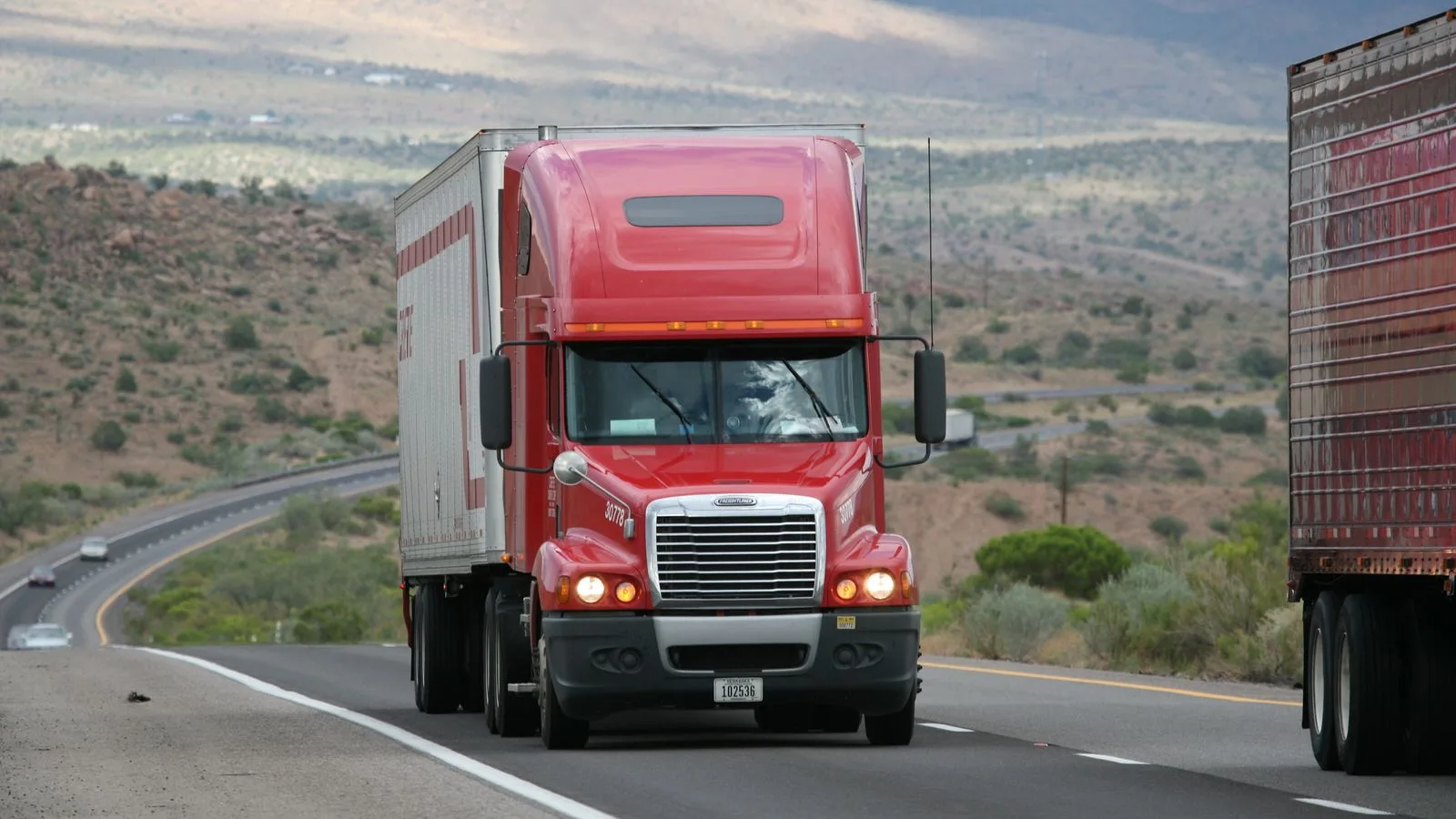
A commercial truck crash case in El Paso is governed by a layered regime: the Federal Motor Carrier Safety Regulations (49 C.F.R. Parts 350–399), Texas Transportation Code Ch. 644, and Texas common-law respondeat superior that pulls the motor carrier in alongside the driver. El Paso's position at the U.S.-Mexico border means many of these tractors run cross-border drayage through the Bridge of the Americas or the Ysleta-Zaragoza crossing, subjecting them to additional FMCSA cross-border authority requirements on top of the standard hours-of-service and inspection rules. El Paso County district court handles the litigation, and the two-year statute under Tex. Civ. Prac. & Rem. Code § 16.003 controls, though the practical evidence window for ELD and ECM data is far shorter.
Why El Paso cases are different
El Paso sits where I-10 meets the U.S.-Mexico border, and a large share of the trucks here run cross-border freight regulated by both FMCSA rules and federal bond requirements. That makes an El Paso 18-wheeler case a layered defendant and coverage problem from the first day.
Cross-border freight and the defendant chain
Drayage runs between the Bridge of the Americas, Ysleta-Zaragoza, and Santa Teresa ports of entry and U.S.-side warehouses dominate El Paso's commercial-vehicle docket. The tractor that hit you may be operated by a U.S. domestic carrier, a U.S. carrier with cross-border authority, a Mexican carrier running under specific FMCSA authority, or a leased owner-operator; and the shipper, freight broker, and bond surety can each be a relevant defendant depending on the load. These parties often sit in different states, but Texas long-arm jurisdiction reaches each of them because the crash happened in Texas. We map that entire chain at intake, because the map drives the case theory and tells us which insurance layers — the carrier's primary, the broker's contingent coverage, the MCS-90 federal endorsement — actually answer for your injuries.
Hours-of-service, ELD data, and weather discipline
The transmountain stretch of I-10 and Loop 375 generates fog, black-ice, and dust-storm chain reactions where a commercial driver's speed-and-distance discipline becomes the central liability question. FMCSA-regulated drivers and their carriers are charged with knowing the route and adjusting for documented conditions, so a failure to slow in an advisory becomes a federal-rule and Texas Transportation Code violation rather than a he-said dispute. Hours-of-service logs, electronic logging device data, pre-trip inspection records, and the driver qualification file sit at the center of these files. We send spoliation letters early covering the ECM, ELD logs, dispatch communications, fuel and toll records, post-crash drug and alcohol testing, and the carrier's FMCSA crash and inspection history, because that data cycles out under retention schedules in weeks, not years.
More in El Paso
Other ways we help El Paso injury victims.






Frequently asked
El Paso truck accident questions
- Yes. The crash occurred in Texas, so Texas law and personal jurisdiction attach regardless of where the cargo originated. Cross-border freight raises a layered defendant analysis across the carrier, shipper, broker, and bond surety. The MCS-90 federal endorsement attached to the carrier's policy provides a guaranteed minimum-coverage layer that operates independent of many policy defenses, and it is often the real source of recovery.
- Be cautious. Early offers usually arrive before your full injuries — and the carrier's exposure — are known, and accepting one closes the claim permanently. In El Paso truck cases we've seen offers land within days of the crash. We prefer to first secure the ELD and qualification-file evidence and complete the medical chronology, then evaluate against every available policy layer.
- The driver's location doesn't end the case. The crash happened in Texas, and the motor carrier and its U.S. insurance answer regardless of where the individual driver is. Service and asset-collection against the driver personally may be harder, but the carrier's primary policy, the MCS-90 endorsement, and any contingent or excess coverage layered behind it are typically the actual recovery sources.
- Very quickly. ELD logs, ECM engine data, and driver qualification files cycle out under federal retention schedules, often within weeks of a crash. Carrier dispatch records and post-crash drug and alcohol testing results can also disappear. We send spoliation letters covering all of those records within days of being retained, because evidence lost before a letter issues is rarely recoverable.
- Commercial carriers operating in interstate commerce, including cross-border drayage through El Paso's ports of entry, are subject to the Federal Motor Carrier Safety Regulations, 49 C.F.R. Parts 350–399. Those rules cover hours-of-service limits, pre-trip inspection requirements, drug and alcohol testing, and driver qualification standards. A violation of an FMCSR rule that causes a crash is evidence of negligence per se in Texas courts.
- Usually yes. Under 49 C.F.R. § 376.12, the motor carrier whose operating authority the truck ran under remains liable to the public regardless of whether the driver is labeled an independent contractor. Texas also recognizes negligent entrustment and negligent supervision claims against carriers that hire or retain unqualified drivers. The independent-contractor label is a defense the carrier raises internally; it does not shield it from injured third parties.
Where we work from
Downtown Austin. El Paso clients welcome.
Our office is in downtown Austin; we represent El Paso-area clients statewide and travel to El Paso for case-specific needs (scene visits, medical-records consultations, court appearances). Home and hospital visits when injuries make travel difficult.
Talk to a El Paso truck accident lawyer.
Free case review, no obligation. We'll tell you straight whether we can help.