
Houston · Truck Accident
Houston Truck Accident Lawyer
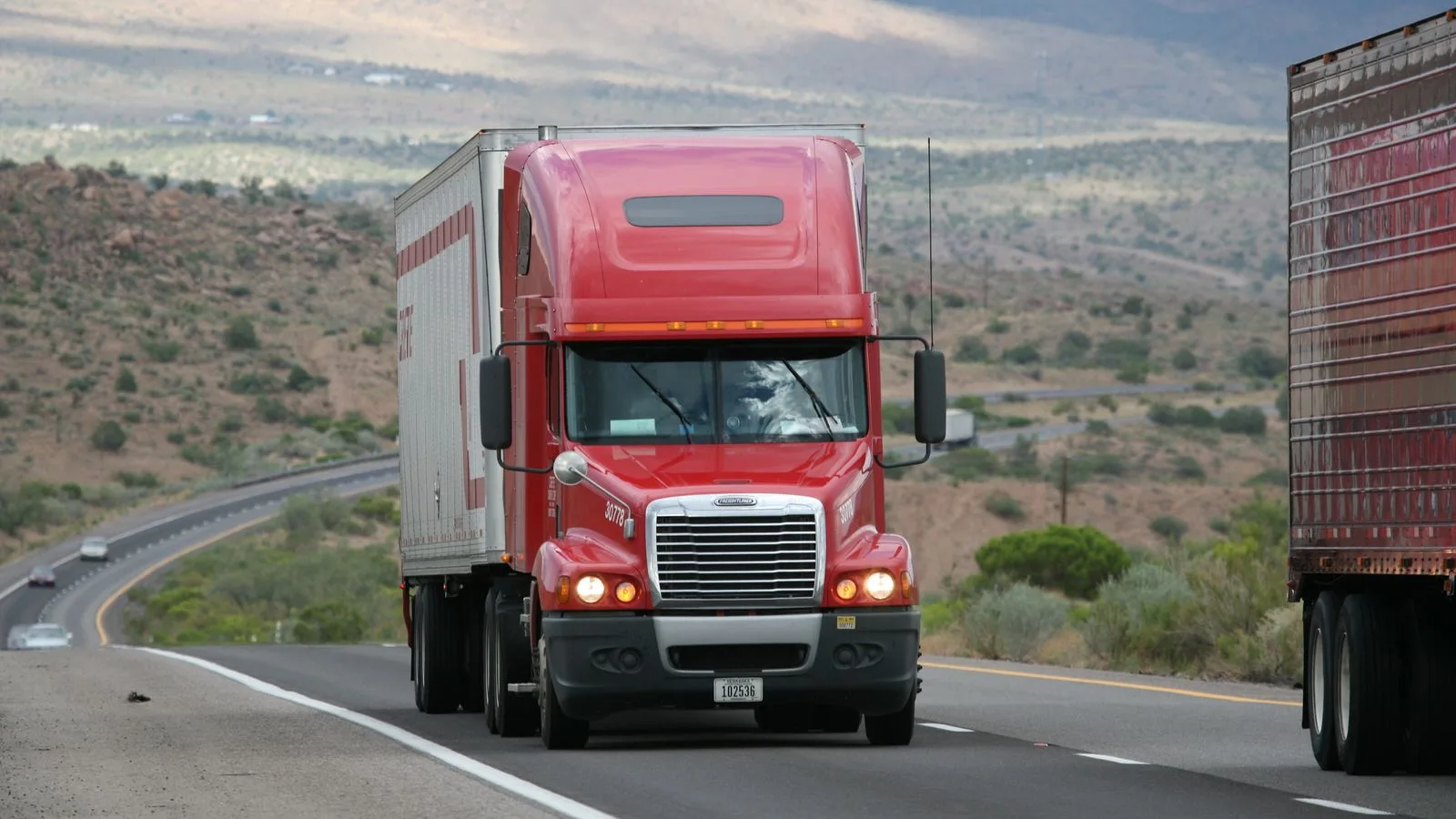
A commercial truck crash claim in Houston involves a tractor-trailer or heavy commercial vehicle operating on the Houston freight network — SH-225 through the Ship Channel corridor, I-10 East through Pasadena and Baytown, or I-10 West through the Energy Corridor — and is governed simultaneously by the Federal Motor Carrier Safety Regulations and Texas negligence law. The carrier and driver face liability under respondeat superior, and the carrier can also be held directly liable for negligent hiring, training, or retention. The two-year deadline under Tex. Civ. Prac. & Rem. Code Section 16.003 applies, but ELD logs and ECM data can vanish on carrier retention cycles in weeks, so the practical preservation window is far shorter. Harris County civil district courts at 201 Caroline handle the state filings, though commercial files are frequent federal removal targets at the Bob Casey Courthouse on Rusk Street.
Why Houston cases are different
Houston's economy puts commercial defendants into the case mix more often than almost any Texas metro, from Ship Channel tanker and hazmat runs on SH-225 to Energy Corridor fleet traffic on the Katy Freeway. We pursue 18-wheeler and commercial-vehicle claims for Houston clients statewide from our Austin office.
Houston freight corridors and the commercial-defendant pattern
Few Texas metros generate the commercial-vehicle volume Houston does. The refining and petrochemical corridor along the Ship Channel, running from Pasadena and Baytown west through the East End, produces tanker, hazmat, and contractor-vehicle collisions on SH-225, I-10 East, and Beltway 8 East. The Energy Corridor along I-10 between Beltway 8 and the Grand Parkway concentrates corporate-fleet and rideshare traffic during shift changes. A loaded tractor-trailer or tanker weighs many times what a passenger car does, so the same merge that bruises someone in a fender-bender produces catastrophic injury here. When a commercial driver, fleet vehicle, or refinery contractor is involved, the file changes shape entirely: identifying the carrier, the trailer owner, the broker, the shipper, and any contracting employer early matters, because these cases involve layers of corporate responsibility a two-driver collision never reaches.
FMCSA rules, ELD data, and employer liability
Interstate carriers running I-10, SH-225, and Beltway 8 East must follow the Federal Motor Carrier Safety Regulations, including hours-of-service limits that cap driving time to fight fatigue. Modern trucks record that activity on electronic logging devices, and the ELD data, the truck's ECM download, the driver-qualification file, maintenance records, and post-crash drug-and-alcohol testing are often the most decisive evidence. Carriers need not keep all of it indefinitely, so a written spoliation letter must go out in the first days, alongside a request for TxDOT freeway-camera footage before its short overwrite window closes. Under Texas respondeat superior, a motor carrier is generally liable for a driver's negligence in the course of employment and may also face direct claims for negligent hiring, training, or supervision. Commercial policies carry far higher limits than personal coverage and frequently sit beneath an umbrella layer, which raises the stakes and explains why carriers investigate aggressively from the first hours. Energy and trucking files also draw federal removal more often than ordinary cases.
More in Houston
Other ways we help Houston injury victims.





Frequently asked
Houston truck accident questions
- Severity, evidence, and defendants. Commercial trucks on I-10, SH-225, and Beltway 8 East cause far worse injuries, the key proof lives in carrier records like ELD logs and ECM data that can be overwritten, and liability can extend past the driver to the carrier, broker, shipper, or a refinery contractor's employer. Higher commercial limits and umbrella layers also mean the insurer investigates harder and faster than in a standard collision.
- Quickly. ELD hours-of-service data, the truck's ECM download, dashcam video, and maintenance records can be lost on routine retention cycles within weeks, and TxDOT freeway footage overwrites even faster, often inside thirty days. A written preservation, or spoliation, letter to the carrier should go out as soon as possible. The sooner counsel identifies the carrier and its insurer, the more of that decisive record survives.
- It can. Trucking, rail, and energy-sector files are frequent targets for defense removal: if the carrier is a citizen of another state and the case exceeds $75,000, the defense often moves it to the U.S. District Court for the Southern District of Texas at the Bob Casey Courthouse on Rusk Street. Federal timing, local rules, and judge-specific scheduling differ sharply from Harris County state court, so we flag removal exposure at intake.
- Texas respondeat superior makes the motor carrier liable for its driver's negligence during the course of employment, and the carrier can also face direct liability for negligent hiring, training, supervision, or retention. If the trailer was owned separately, the trailer owner is a defendant. A broker or shipper may be liable if their cargo loading or dispatch decisions contributed to the crash. We identify every defendant layer at intake so no coverage is left behind.
- Not necessarily. Under 49 C.F.R. Section 376.12, a motor carrier whose authority a truck operates under remains liable even when the driver is labeled an independent contractor. The key is which carrier's DOT operating authority was on the truck at the time of the crash. We pull the FMCSA registration record and the lease agreement to nail down who carries the liability regardless of what the contract calls the driver.
- Two years from the date of injury under Tex. Civ. Prac. & Rem. Code Section 16.003. That deadline sounds long, but the practical preservation window for ELD data, ECM downloads, and driver-qualification records is measured in weeks, not months. Waiting until the second year to consult a lawyer almost always means critical evidence is already gone. We send preservation letters within days of being retained.
Where we work from
Downtown Austin. Houston clients welcome.
Our office is in downtown Austin; we represent Houston-area clients statewide and travel to Houston for case-specific needs (scene visits, medical-records consultations, court appearances). Home and hospital visits when injuries make travel difficult.
Talk to a Houston truck accident lawyer.
Free case review, no obligation. We'll tell you straight whether we can help.