
After a motorcycle crash, the physical damage may be obvious, but proving what happened is rarely automatic. Insurance adjusters may focus on the rider’s choice to use a motorcycle instead of the driver’s unsafe conduct. That anti-motorcyclist bias can shape how an account is received, especially when key evidence disappears before anyone preserves it.
Strong motorcycle accident evidence can connect the other driver’s conduct to the collision and your injuries through records, images, video, witness accounts, and qualified investigation. Together, these details can counter assumptions about motorcyclists and give your claim a fact-based foundation.
Begin by securing the official crash record and comparing it with the physical scene, available recordings, and witness observations. Understanding what a police report establishes, and what it may leave unanswered, is the first step toward building a complete case.
Police Reports: The Foundation of Your Motorcycle Accident Evidence
After a motorcycle crash, the Texas Peace Officer’s Crash Report, commonly called Form CR-3, is often the first organized record of what happened. Texas requires a peace officer’s crash report when a collision results in an injury, a death, or at least $1,000 in property damage. TxDOT identifies Form CR-3 as mandatory for these qualifying crashes.
The report is not the entire case, and it is not automatically the final word on fault. It is a starting point that preserves the investigating officer’s observations while the scene and witness accounts are still fresh. That foundation can help your attorney compare the official record with photographs, medical records, witness statements, video, and other evidence.
What a CR-3 report can show
A completed crash report generally organizes important details about the collision, including the vehicles and people involved. The officer’s scene observations, a diagram of the crash, reported contributing factors, and any citations issued. Those details can help establish the sequence of events and identify disputed issues. Such as whether a driver failed to yield, changed lanes improperly, or ignored a traffic control device.
Texas officers also follow established vehicle-crash investigation procedures. Those guidelines address how crash investigators collect scene data and document factors that may have contributed to the collision. Established crash-investigation guidelines help create a consistent record, but the report may still contain incomplete information or an interpretation that needs to be examined closely.
Why you should obtain it promptly
Request a copy as soon as it becomes available and review it with an attorney. A report can reveal errors in names, roadway descriptions, vehicle movements, or fault designations while there is still time to locate witnesses and preserve physical evidence. Debris, skid marks, damaged property, and nearby video can disappear or be overwritten. Early review also gives your legal team a chance to identify gaps before an insurance company builds its position around an incomplete narrative.
Insurance adjusters may rely heavily on an officer’s report, particularly when a motorcyclist’s account is challenged by unfair assumptions about riders. A careful review helps separate documented observations from conclusions and makes it easier to counter inaccurate blame. The same evidence can affect how an insurer evaluates damages and liability. Learn more about how motorcycle accident evidence can influence the value of a Texas claim.
Photographic, Video, and Helmet Camera Evidence
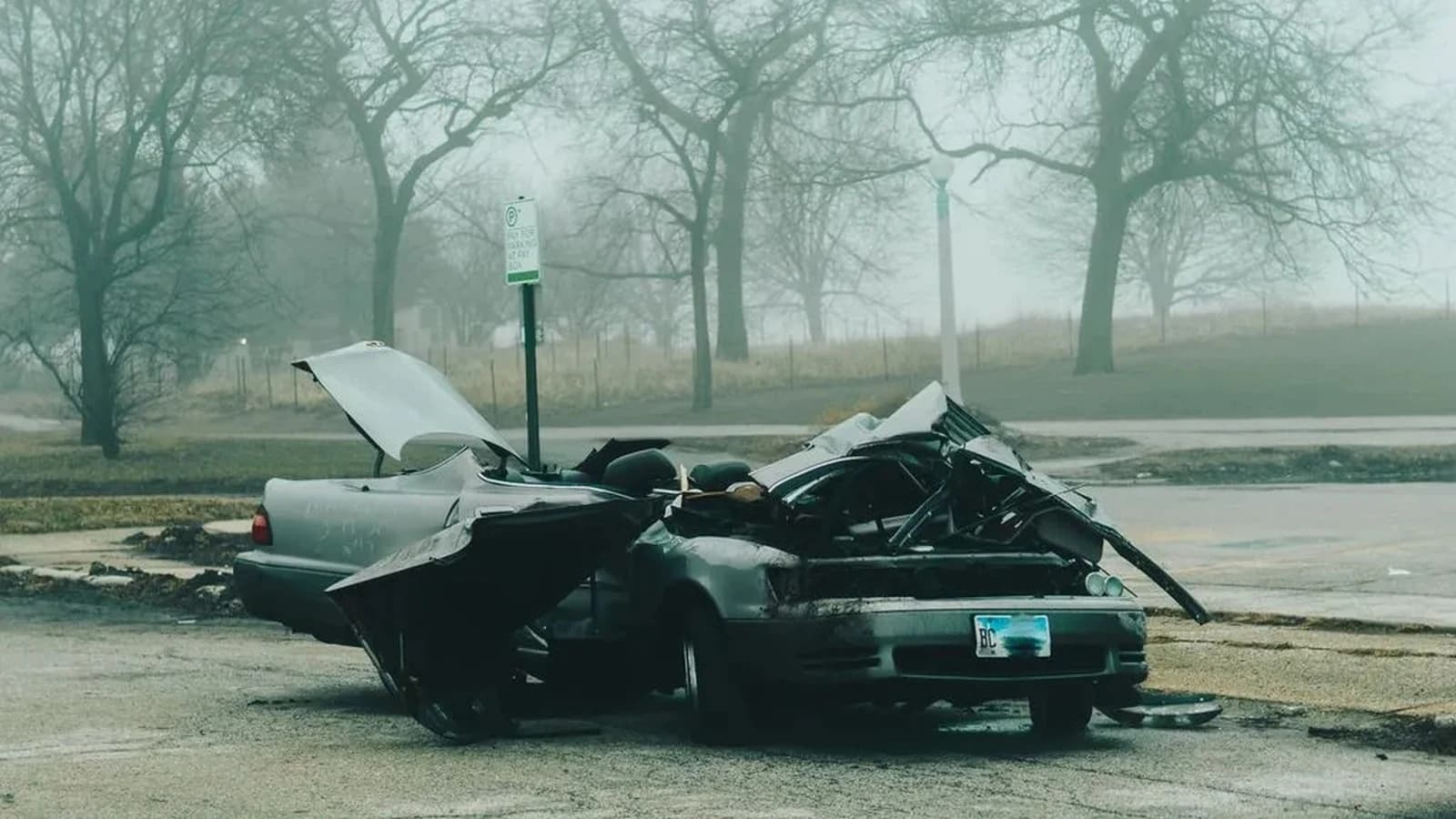
Scene images can preserve details that may disappear soon after a motorcycle crash. Debris patterns can be moved by passing traffic or cleanup crews, and skid marks can fade or become difficult to interpret as road conditions change. Weather, lighting, traffic flow, and the position of the vehicles may also look different later. Thorough accident investigation and prompt photographic evidence collection help preserve this transient evidence while it remains available. Motorcycle accident evidence can also affect how the value and strength of a Texas claim are evaluated.
If you can do so safely, use your phone to take wide photographs that show the entire scene, then closer images of important details. Photograph the motorcycle and other vehicles from multiple angles, including damage, resting positions, license plates, and any visible parts or equipment involved in the collision. Take pictures of your injuries, torn or scraped clothing, the roadway, lane markings, potholes, signs, traffic signals, guardrails, and nearby intersections. Capture the weather and lighting conditions as well. Do not put yourself back in danger or delay medical care to collect images.
What to photograph after a motorcycle crash
- The full crash scene, roadway layout, lanes, intersections, and traffic controls
- Vehicle damage, debris, skid marks, fluid spills, and the motorcycle’s position
- Visible injuries, damaged protective gear, and torn clothing
- Road surface conditions, construction areas, potholes, signs, lighting, and weather
Helmet cameras and other wearable action cameras can provide the rider’s perspective of the events leading up to a crash. Footage may show traffic movement, an approaching vehicle, a turn, a signal, or what happened immediately before impact. Preserve the original file and avoid editing, cropping, or adding filters. Save a backup and provide the complete recording to your attorney, including footage that may seem unimportant. A lawyer can review the sequence and address questions about timing, visibility, and what each person could observe.
Photos and recordings do not replace a professional investigation, but they give an attorney a factual starting point. Cap City Injury Attorneys emphasizes thorough accident investigation because strong, organized evidence can help counter inaccurate assumptions that motorcyclists caused their own crashes.
Witness Statements and Their Role in Your Claim
An independent witness can help corroborate your account of how the crash happened. That matters when an insurer suggests that a motorcyclist caused the collision simply because they were riding a motorcycle. A clear statement from someone who saw the traffic movement, lane position, signal, impact. Or other critical detail can add credibility to your claim and help counter an inaccurate version of events. Witness statements are recognized as an important form of motorcycle accident evidence, particularly when they support the rider’s description of the crash.
What makes a witness statement valuable?
The strongest witness is usually an eyewitness who personally observed the events before, during, or immediately after the collision. Their statement should describe what they saw and heard, not assumptions about who was at fault. For example, a witness may be able to explain that a driver turned across your path, moved into your lane, failed to signal, or appeared distracted.
A character witness serves a different purpose. That person may describe your caution, riding habits, or reputation, but they generally cannot establish what happened at the crash scene. An eyewitness account is more directly useful for proving liability. Contact information, the witness’s location, and a brief description of what they observed can help your attorney evaluate the statement later.
Collect contact information promptly
If your condition allows, ask witnesses for their names, phone numbers, email addresses, and permission to contact them. Note where each person was standing or traveling and what they said they saw. Do not pressure anyone to adopt a particular version of events. Simply preserve their information and let your attorney or the investigating officer follow up.
Prompt collection matters because people forget details, change phone numbers, or become difficult to locate. Physical evidence can also disappear while memories are still fresh. In Texas, law enforcement officers investigate qualifying vehicle crashes using established procedures, including interviewing witnesses and documenting factors that may have contributed to the collision. The Texas vehicle-crash investigation guidance describes those procedures for gathering scene information and reporting crash causes: Texas vehicle crash investigation guidance.
Because anti-motorcyclist bias can influence how a claim is perceived, an unbiased witness may be especially important. Preserve every potential lead and discuss the statements with an attorney before giving an insurer a recorded account.
Medical Records as Crucial Evidence of Your Injuries
Medical records help create an objective link between a motorcycle crash and the injuries you claim. Insurance companies may question whether pain came from the collision, a prior condition, or an unrelated event. Consistent medical documentation gives your attorney evidence to answer those questions and show how the injury affected your life.
Which medical records matter?
Keep every record connected to the crash, including:
- Emergency room reports and discharge instructions
- Follow-up appointments with physicians or specialists
- Imaging studies, such as X-rays, CT scans, and MRIs
- Physical therapy and other rehabilitation notes
- Prescriptions, treatment recommendations, and referrals
These records can document the diagnosis, the treatment your providers recommended, and whether your condition improved, remained persistent, or became more difficult to manage. Medical documentation is widely recognized as crucial evidence because it provides an objective connection between the accident and the injuries that followed (source on medical records in motorcycle accident claims).
Why prompt treatment protects credibility
Seek medical attention as soon as reasonably possible after the crash, even if your symptoms initially seem manageable. A gap between the collision and your first evaluation can give an insurer an argument that the injury was minor, unrelated, or made worse by something else. Prompt treatment does not guarantee a particular result. But it creates a clearer timeline and allows a medical professional to evaluate symptoms while they are connected in time to the crash.
Records can show the full recovery trajectory
One appointment rarely tells the whole story. Follow-up notes may show continuing pain, restricted movement, sleep problems, missed work, or progress through rehabilitation. Be accurate and consistent when describing your symptoms. A personal pain journal can supplement formal records by tracking day-to-day limitations, but it should support, not replace, professional medical documentation.
Cap City Injury Attorneys advances the costs of obtaining medical records as part of its contingency model, so clients do not have to shoulder that case expense upfront. The medical evidence gathered in a claim can affect how damages are evaluated. For more context, read about how motorcycle accident evidence can influence settlement value in Texas.
Expert Testimony and Accident Reconstruction
Some motorcycle crashes can be explained through photographs, witness accounts, medical records, and the official crash report. Others require a more technical investigation. Accident reconstruction may become necessary when the other driver disputes liability, several vehicles were involved, or the parties disagree about the physics of the collision. In those cases, an expert can help turn scattered physical evidence into a supported explanation of what happened.
What a reconstruction expert examines
A reconstruction expert evaluates the scene and the vehicles instead of relying only on competing statements. The analysis may include skid marks, debris, vehicle damage patterns, points of impact, vehicle dynamics, visibility, traffic movement, and road conditions. Those details can help determine speed, direction, timing, lane position, and whether a driver’s conduct was consistent with the available physical evidence.
That work is particularly important when the initial account treats the motorcyclist’s presence as the explanation for the crash. A technical reconstruction can test that assumption against the evidence. It may show, for example, that a driver failed to see a motorcycle. Turned across its path, followed too closely, or created a chain reaction in a multi-vehicle collision. The expert’s opinions must be grounded in the available evidence and the limits of what that evidence can establish.
Comparing key types of motorcycle accident evidence
| Evidence Type | What It Proves | Preservation Window | Best Used When |
|---|---|---|---|
| Police Report (CR-3) | Official scene documentation, officer observations, vehicle positions, citations | Weeks (request promptly) | Liability is disputed or fault needs an official baseline |
| Helmet Cam / Dashcam Video | Rider’s perspective, driver behavior, traffic movement before impact | Days (footage may be overwritten) | The other driver denies fault or claims the rider caused the crash |
| Scene Photographs | Debris patterns, skid marks, vehicle damage, road conditions, lighting | Hours (transient evidence disappears quickly) | Road conditions, weather, or scene geometry contributed to the crash |
| Witness Statements | Independent corroboration of the rider’s account | Weeks (memories fade, witnesses relocate) | Anti-motorcyclist bias may color official accounts |
| Medical Records | Objective link between crash and specific injuries, treatment timeline | Ongoing (keep every visit) | The insurer questions injury severity or causation |
| Maintenance Records | Negligent servicing, known mechanical defects, part failures | Months (request from shop or owner immediately) | A mechanical failure may explain or contribute to the crash |
| Accident Reconstruction | Expert analysis of speed, dynamics, visibility, and crash sequence | Weeks to months (requires preserved physical evidence) | Liability is hotly contested or the crash physics are complex |
Mechanical failure and maintenance records
The investigation should also consider whether a mechanical problem contributed to the crash. Motorcycle maintenance records can help establish whether a failure may have involved the motorcycle, a replacement part, or improper servicing. As one category of motorcycle accident evidence, those records may point to another potentially responsible party and help an expert evaluate whether a mechanical condition affected the vehicle’s operation.
Why expert testimony matters when bias enters the claim
Motorcyclists can face an unfair assumption that they were reckless or responsible simply because they were riding. Cap City Injury Attorneys focuses on combating anti-motorcyclist bias by developing the facts rather than accepting a stereotype as a liability analysis. Expert testimony can be especially valuable when an insurer, opposing driver, or jury needs a clear, evidence-based explanation of the crash mechanics.
Cap City advances case-related expenses, including professional accident reconstruction costs, under its no-win, no-fee contingency model. That allows the decision to use an expert to focus on what the case requires, not on whether an injured motorcyclist can pay the investigation costs upfront.
Combating Anti-Motorcyclist Bias in Your Texas Claim
Motorcyclists can face an unfair assumption that they caused a crash simply because they chose to ride. Insurers may frame the rider as reckless, jurors may bring their own stereotypes into the case. And an initial investigation may overlook facts that do not fit that narrative. This is why strong motorcycle accident evidence matters. It replaces assumptions with a documented account of what happened.
Every piece of evidence should answer a basic question: what did the other driver do, and what does the physical record show? A complete case file can make it harder for an insurer to reduce your injuries to a story about speed, risk, or personal responsibility.
Start with the official crash record
Request and review the police report, including the Texas Peace Officer’s Crash Report, known as Form CR-3. Texas requires this report for crashes involving an injury, a death, or at least $1,000 in property damage. It may document vehicle positions, road conditions, apparent contributing factors, and statements made at the scene. However, the report is an important starting point, not always the final word. If it leaves out critical details or reflects an incomplete account, additional evidence can provide necessary context.
Preserve evidence that shows your perspective
Independent witnesses can corroborate your account and may be especially valuable when the other driver changes their story. Obtain names and contact information when it is safe to do so. Helmet camera footage, action-camera recordings, nearby surveillance video, photographs, and scene measurements can show traffic movement and timing from a perspective that a later investigation cannot recreate. Debris fields, skid marks, lane positions, and vehicle damage can disappear or change quickly, so prompt preservation is essential.
Connect the crash to your injuries
Medical records provide an objective connection between the collision, the treatment you received, and the limitations that followed. Seek appropriate medical care, describe your symptoms accurately, and follow your provider’s instructions. Gaps in treatment or vague documentation can give an insurer an opening to argue that your injuries came from something else.
Cap City Injury Attorneys specifically focuses on combating cultural bias against motorcyclists in injury claims. Our attorneys investigate the evidence instead of accepting a stereotype, and we can pursue additional analysis when the initial record does not tell the full story. If you need help deciding how to gather motorcycle accident evidence, direct attorney guidance can help protect the facts before they are lost.
Frequently Asked Questions
What evidence matters most after a motorcycle crash in Texas?
Start with evidence that shows what happened and connects the crash to your injuries: the Texas Peace Officer’s Crash Report. Scene photographs, video, witness contact information, and complete medical records. For qualifying crashes involving injury, death, or at least $1,000 in property damage, Texas requires a peace officer’s crash report, Form CR-3 (TxDOT). Together, these records can provide a clearer account when an insurer assumes the motorcyclist was at fault.
How soon should I collect photos and video after the accident?
Preserve scene evidence as soon as it is safe and medically practical. Debris, skid marks, vehicle positions, road conditions, and visible damage can change or disappear quickly. Save original files from a helmet camera, dashcam, or phone, and avoid editing them. If you cannot document the scene yourself, ask a trusted person to preserve what they can and tell your attorney what may be lost.
Can medical records prove that the crash caused my injuries?
Medical records can provide an objective link between the collision, the symptoms you reported, the treatment provided, and your recovery. Seek prompt medical evaluation, follow the recommended care, and tell providers about all symptoms, including pain or limitations that develop later. Keep discharge papers, bills, prescriptions, diagnostic results, and work restrictions together. A personal journal can also document pain and daily limitations over time.
What if the insurance company blames me because I was riding a motorcycle?
Do not assume that a quick insurance conclusion is accurate. Witness statements, photographs, video, crash-report details, vehicle damage, and accident reconstruction can test each version of events. Maintenance records may also matter if a mechanical failure contributed to the crash. Detailed investigation is especially important when anti-motorcyclist bias threatens to replace facts with assumptions. An attorney can preserve evidence and develop the liability analysis before key proof disappears.
Ready to Discuss Your Motorcycle Accident Claim?
The right evidence can help present your account clearly and address the assumptions that often affect motorcycle accident claims. Speak directly with a Texas motorcycle accident attorney about the details of your crash and the records or testimony that may matter. Call (512) 705-1199 to talk with Cap City Injury Attorneys about your case.

Matthew Mandelker is the Founder, CEO, and Managing Attorney of Cap City Injury Attorneys, bringing over 15 years of personal injury law experience in Texas to every case he handles. A graduate of St. Mary’s University School of Law, Matthew has served as a partner, sole practitioner, and associate at some of the largest personal injury firms in Texas, giving him a unique perspective on what great legal representation looks like. He founded Cap City Injury Attorneys to combine the sophistication of a major firm with the personalized service of a boutique practice, ensuring every client receives direct attorney access, honest communication, and relentless advocacy. When he is not fighting for his clients, Matthew can be found on Lake Travis or spending time with his 10-year-old twins, and that same dedication to family is the foundation of everything he does at the firm.