
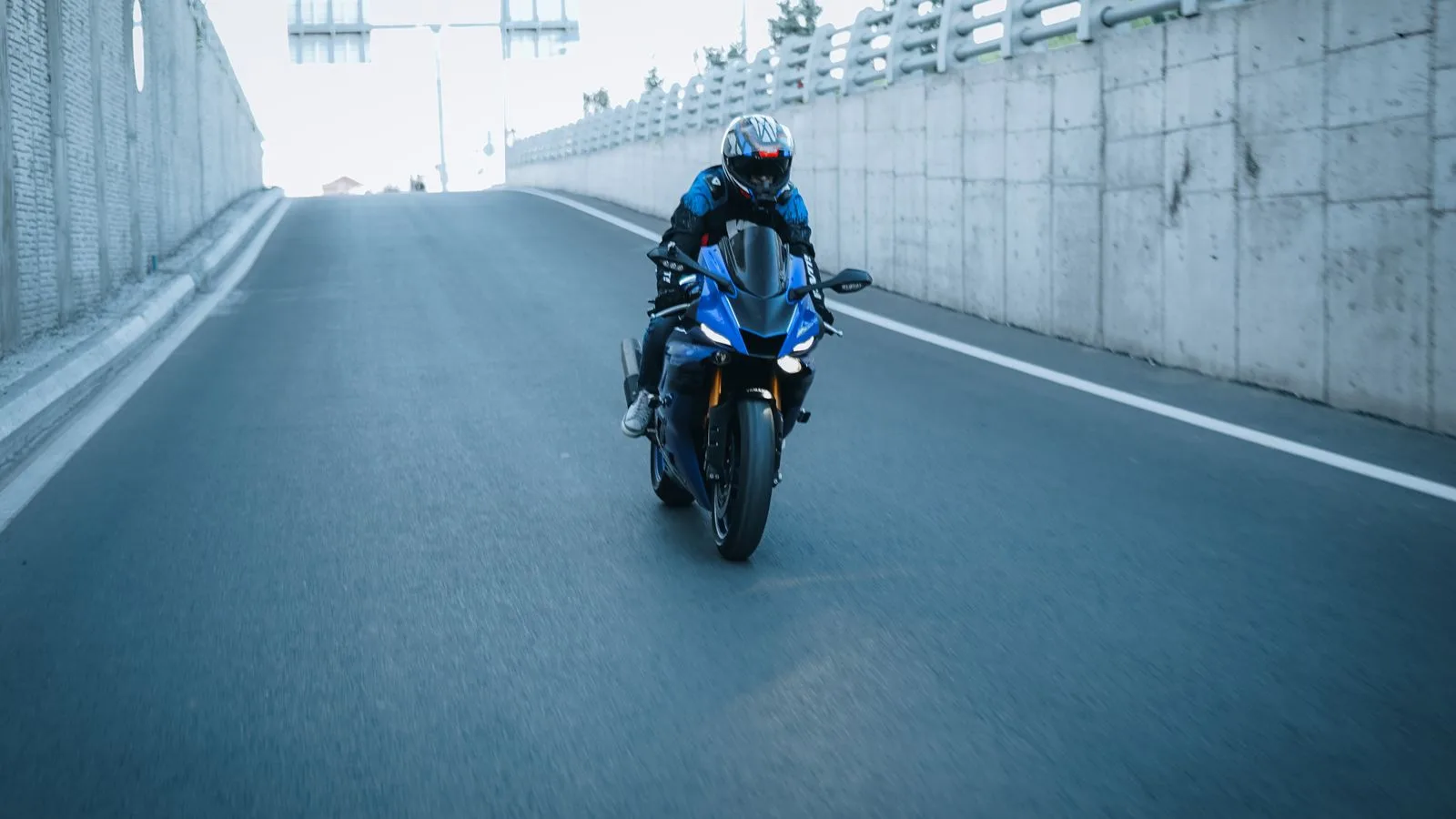
Fort Worth · Motorcycle Accident
Fort Worth Motorcycle Accident Lawyer
A motorcycle accident claim in Fort Worth is a Texas fault-based negligence case, not a no-fault system, meaning the injured rider must show a driver's breach of duty caused the crash and the injuries. Tarrant County's road geometry — the Camp Bowie slip-lane intersections, the West 7th corridor, and the Loop 820 freeway ring — generates left-turn and angle collisions where a driver fails to see an oncoming rider and turns across the rider's path. Texas modified comparative fault under Chapter 33 allows a rider to recover even with some share of fault, provided that share is fifty percent or less. Suits are filed in the civil district courts at the Tom Vandergriff Civil Courts Building, and the two-year statute under Section 16.003 applies, but surveillance footage and signal-timing data in Fort Worth often disappear within two to four weeks, well before that deadline.
Why Fort Worth cases are different
Riders crossing Fort Worth navigate a freeway pattern built for long-haul commercial traffic and a downtown surface grid that crowds with event crowds and Stock Show congestion, where drivers scan for exits and parking, not motorcycles. We represent injured riders and their families across Tarrant County statewide from our Austin office.
Where Fort Worth riders get hit
The collisions that hurt riders most in Fort Worth tend to share a few patterns. Loop 820's dense commuter and commercial traffic carries a higher single-vehicle-loss rate than the radial freeways, which punishes a rider who has to react to a sudden lane change with no margin. The Camp Bowie slip-lane intersections and the West 7th corridor near the museum district generate a steady stream of left-turn and angle collisions, the classic scenario where a driver turns across a rider's path and later claims not to have seen the bike. Downtown surface streets near Sundance Square and the Berry Street corridor by TCU concentrate the intersection risk during event weekends. A motorcycle gives a rider almost no structural protection, so a crash that dents a car door fractures a rider's leg or worse, and that mismatch is exactly what we document early so the injury severity is not minimized.
Rider bias and proving the driver's fault
Insurers and some jurors carry an unspoken assumption that a rider was speeding, lane-splitting, or otherwise asking for it, and Tarrant County juries trend more conservative on noneconomic damages than Dallas County juries, which makes that bias more costly here. We counter it with evidence rather than argument: the City of Fort Worth signal-timing log at an arterial intersection, the TxDOT camera feed for a Loop 820 or I-35W segment, scene measurements, and any local surveillance footage, which rarely survives beyond two to four weeks. Texas comparative fault under Chapter 33 means the defense will try to assign the rider a share of blame to shrink or bar recovery, so locking down right-of-way at a Camp Bowie slip lane or a West 7th left turn early is what protects the claim. We build the file to show a careful rider and an inattentive driver, not the stereotype the adjuster wants to sell.
More in Fort Worth
Other ways we help Fort Worth injury victims.


Frequently asked
Fort Worth motorcycle accident questions
- It can. A driver who failed to see a visible rider before turning left or changing lanes is describing his own inattention, not a defense. On Camp Bowie slip lanes and the West 7th corridor, left-turn and angle collisions usually turn on right-of-way. Signal-timing logs, scene measurements, and any surveillance footage help establish that the driver, not the rider, broke the duty of care.
- Texas does not bar recovery for gear choices the way some assume, and helmet use is generally not a defense to a driver who caused the crash. What matters is documenting the full injury picture early, because a motorcycle offers almost no protection and the harm is often severe. We pull the complete medical chart, not just the ER summary, since the imaging read or trauma consult often reframes how the claim is valued.
- In practice, Tarrant County juries trend more conservative on noneconomic damages than Dallas County juries, and rider bias can compound that. The right answer is preparation and venue strategy. Where alternatives exist under Tex. Civ. Prac. & Rem. Code Section 15.002, venue can shift the jury composition, and we assess that case by case rather than defaulting to where the crash happened to occur.
- Texas has not authorized lane-splitting or lane-filtering, so doing it creates a comparative-fault argument the defense will use. Under Chapter 33, your recovery is reduced by your percentage of fault and eliminated only if you are more than fifty percent responsible. Whether that assignment reaches fifty-one percent depends on all the circumstances, including the driver's own conduct and whether the crash would have happened regardless.
- Two years from the date of the crash under Tex. Civ. Prac. & Rem. Code Section 16.003. The deadline is the same in Tarrant County as anywhere else in Texas. However, key evidence — surveillance footage near the Cultural District or downtown, signal-timing logs, and witness memories — has a far shorter shelf life, so waiting anywhere near the two-year mark forfeits the evidence that wins the case.
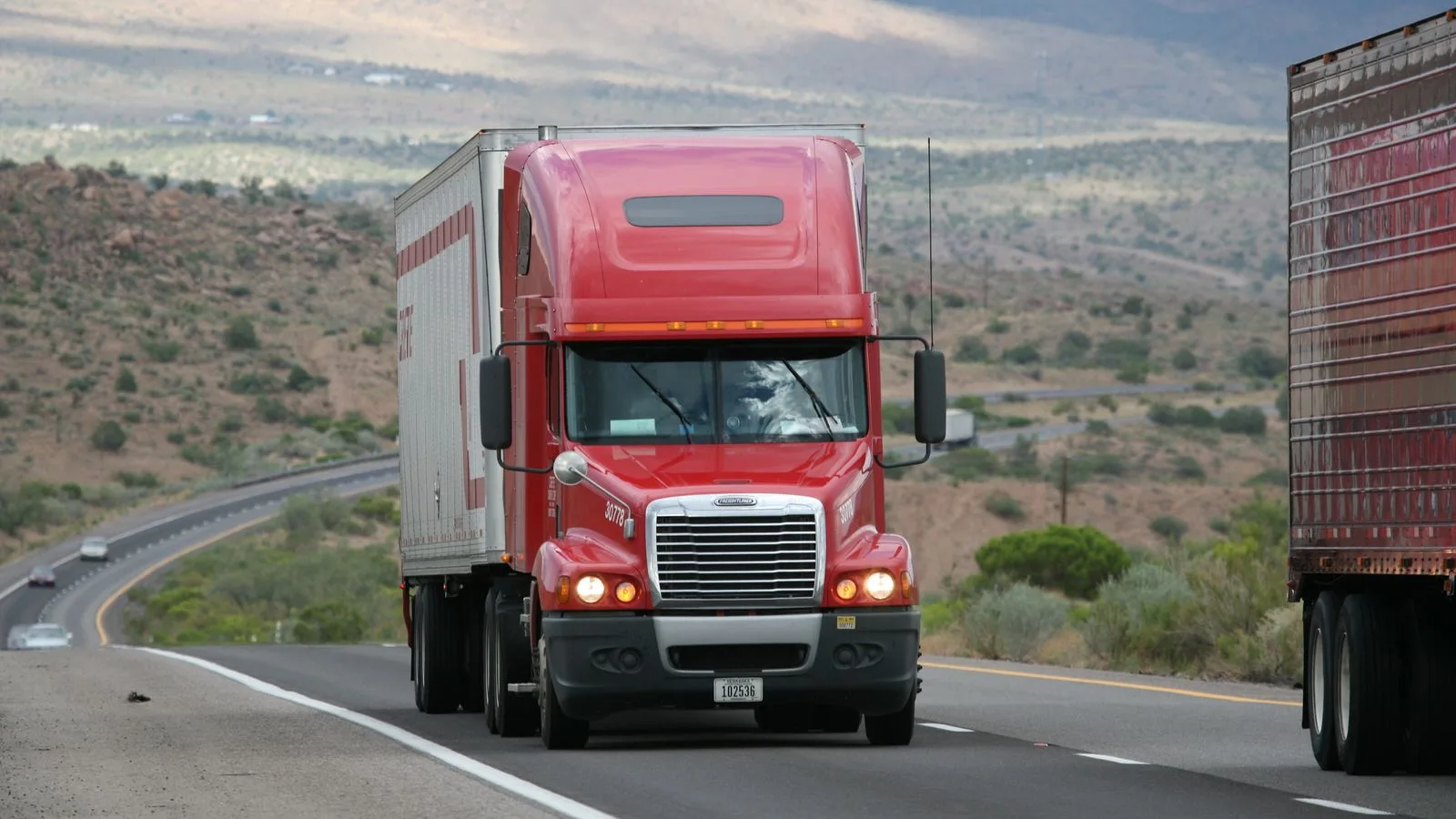
- If the other vehicle was an interstate commercial carrier, the Federal Motor Carrier Safety Regulations apply and the carrier's ELD logs, ECM data, and driver qualification file become key evidence. A written spoliation letter to the carrier needs to go out immediately, because commercial carriers are not required to retain all records indefinitely. A motorcycle crash involving a commercial vehicle combines rider-bias risk with a commercial-defendant evidence track, which requires a different strategy from day one.
Where we work from
Downtown Austin. Fort Worth clients welcome.
Our office is in downtown Austin; we represent Fort Worth-area clients statewide and travel to Fort Worth for case-specific needs (scene visits, medical-records consultations, court appearances). Home and hospital visits when injuries make travel difficult.
Talk to a Fort Worth motorcycle accident lawyer.
Free case review, no obligation. We'll tell you straight whether we can help.