
By Cap City Injury Attorneys14 min read
Uber Accident Attorney: Who Pays After a Texas Crash?
An uber accident attorney explains Texas rideshare insurance, fault, evidence, and compensation after an Uber or Lyft crash, with practical next steps.

After a Texas rideshare crash, the vehicle involved is only part of the picture. The driver's app status may affect who pays. Fault also matters. So does whether a ride request had been accepted or a passenger was in the vehicle. Those details can determine which insurance policy must be evaluated.
Contact Cap City Injury Attorneys to discuss your rideshare crash and next steps.
An uber accident attorney can help identify the potential insurance sources, preserve evidence, and explain how Texas liability rules apply. Compensation may involve the at-fault driver's policy, a rideshare company's coverage, or another available policy. The answer is not automatic, and an insurer's first position is not necessarily the final one.
This guide explains how app status affects coverage, who may be responsible, and what evidence to preserve. It also explains how an injured person can pursue a claim after an Uber or Lyft collision in Austin or elsewhere in Texas.
How can an uber accident attorney identify who may pay?
After an Uber crash in Texas, payment may come from the at-fault driver's insurance, a rideshare company's policy, or another available source. The proper claim path depends on who caused the collision, the driver's app status, the driver's policy terms, and the injuries and losses documented after the crash.
Fault comes before the insurance question
Texas generally bases a personal injury claim on responsibility for the collision and the losses that followed. An Uber passenger may have a claim involving the rideshare driver, another motorist, or both. A person in another vehicle, a cyclist, or a pedestrian may also need to identify which driver or other party caused the crash.
The presence of an Uber or Lyft decal does not establish fault. A driver may have been distracted, speeding, impaired, changing lanes unsafely, or failing to yield. Another motorist may have caused the impact instead. In some cases, road conditions, a defective vehicle component, or a separate negligent party may also be relevant.
Texas regulates transportation network companies
Texas calls companies that arrange paid rides through a digital network transportation network companies, or TNCs. The Texas Department of Licensing and Regulation explains the TNC framework. The framework helps identify the business relationship and insurance requirements, but the facts of a particular collision still determine which coverage may respond.
A direct lawsuit against Uber is not automatically the first step. Rideshare drivers may operate as independent contractors, and the legal theory for a claim depends on the evidence and the parties involved. A claim may instead begin with the driver's policy or with the insurer for another at-fault driver.
Who was injured also matters
- Rideshare passengers: A passenger can evaluate claims arising from the Uber driver's conduct, another driver's conduct, or both. A passenger's own insurance may also be relevant in some situations, but it does not decide who caused the crash.
- Other motorists: The other driver's liability coverage may be central if that driver caused the collision. Rideshare coverage may become relevant if the Uber driver was at fault or if the other driver's coverage is insufficient.
- Pedestrians and cyclists: A person outside the rideshare vehicle may have a claim against the driver who caused the impact. Photos, witness accounts, video, and vehicle data can be particularly important when the injured person was not inside a car.
For broader information about collision claims, review Cap City Injury Attorneys' Austin car accident resource. The same basic fault analysis applies to rideshare crashes, but app records and layered insurance can make the investigation more involved.
How does Uber insurance coverage change by app status?
Uber insurance coverage can change with the driver's activity in the app. A driver who is offline may have a different policy available than a driver who is logged in and waiting for a request. Accepted rides and passengers create additional questions about the applicable rideshare policy and the limits available for the collision.
| Driver status | Coverage issue to evaluate | Evidence that may help |
|---|---|---|
| Offline | The personal auto policy may be the starting point, subject to its terms and any rideshare exclusion. | App records, personal policy, collision time, and driver statements. |
| Logged in and waiting | A rideshare or contingent coverage layer may apply. Texas law provides specified minimum coverage for this status. | App activity, time of the request, policy declarations, and insurer correspondence. |
| Accepted ride | The driver has accepted a specific request. The timing of acceptance and the policy terms require review. | Trip receipt, request timestamp, route data, and app screenshots. |
| Passenger in vehicle | Rideshare commercial liability coverage may be part of the analysis, along with the driver's conduct and other available policies. | Trip record, passenger account, police report, medical records, and witness information. |
Why the app record is important
Insurers may ask when a driver logged in, accepted a request, arrived for pickup, began the trip, or ended the trip. A driver's memory may not match the electronic record. The trip receipt, ride history, app notifications, GPS information, and communications can help establish what was happening at the moment of impact.
Do not assume that a rideshare company's policy will pay every claim automatically. The policy may have conditions, limits, exclusions, or coordination rules. An insurer may also argue that another driver caused the crash. Those positions should be compared with the police report, photographs, witness statements, vehicle damage, medical records, and available app information.
Texas minimums are not the same as every recovery
The amount of insurance available is not the same as the amount an injured person will recover. Coverage limits can set a ceiling, while fault, comparative responsibility, medical proof, lost income, and the nature of the injury affect the value and outcome of a claim. A policy also may not be the only possible source of compensation.
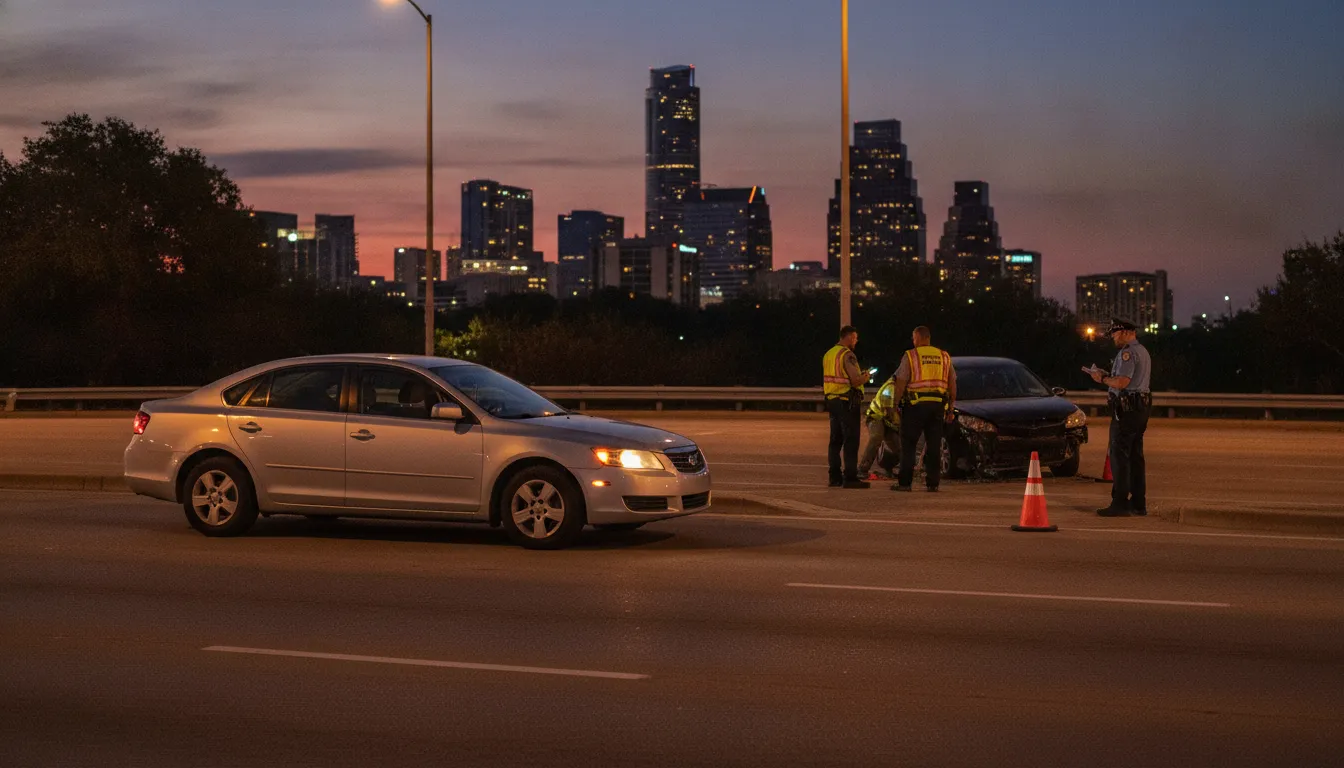
For consumer information about rideshare insurance questions, the Texas Department of Insurance ridesharing guidance is a useful starting point. It should not replace a review of the actual policy and the facts of the collision.
When should you contact an uber accident attorney?
Consider contacting an uber accident attorney promptly when injuries are serious. The insurance companies disagree about fault, the rideshare driver's app status is unclear, or multiple policies may apply. Early legal guidance can help protect evidence and prevent an injured person from making statements that unintentionally limit a claim.
Prompt advice is useful when coverage is disputed
Rideshare cases often involve at least two insurance questions. First, who caused the crash? Second, which coverage layer applies to that driver's activity? An insurer may seek a recorded statement before the app status, vehicle damage, medical diagnosis, and witness evidence are fully understood.
An injured person generally should avoid guessing about details. If you do not know whether the driver was waiting for a request or carrying a passenger, say so. Preserve the trip record and let the evidence answer the question. Do not sign a release or accept a settlement before understanding how it affects unresolved injuries and other available coverage.
Common reasons to seek a legal review
- The crash caused a head injury, spinal injury, fracture, surgery, permanent impairment, or extended treatment.
- The rideshare driver, another driver, or an insurer disputes responsibility.
- The driver was logged into the app, but no one will provide the relevant app or policy information.
- More than one injured person may be making a claim against limited coverage.
- Medical bills, lost income, property damage, or future care needs are substantial.
- The insurer requests a recorded statement, broad medical authorization, or quick settlement.
For context about injury claims more generally, see the firm's Texas personal injury overview. It explains common claim steps without assuming that every rideshare crash follows the same path.
If an insurer is asking for a statement or release, request a case review before signing.
What evidence should you preserve after a rideshare crash?
After a rideshare crash, preserve the trip receipt, app status, photographs, medical records, witness details, police information, and communications with insurers. Save original files when possible, record what happened while your memory is fresh, and keep a timeline of treatment, missed work, symptoms, and claim activity.
Collect digital rideshare information
Save the trip receipt and any screen that identifies the driver, vehicle, pickup point, destination, time, and route. Preserve cancellation messages, driver communications, support messages, and notifications about the collision. If another person booked the ride, ask that account holder to preserve the trip information too.
Do not edit screenshots to remove information. Keep the original email, app notification, or downloaded receipt, and create a backup. The date and time can matter when deciding whether the driver was available, traveling to pickup, or transporting a passenger.
Document the scene and the injury
If it is safe, photograph the vehicles, roadway, traffic controls, debris, weather conditions, visible injuries, and surrounding businesses. Identify witnesses and preserve any dashcam, doorbell, security, or traffic-camera information. Video may be overwritten, so note where a camera is located and ask that relevant footage be preserved.
Seek medical care for symptoms after the crash and follow the treatment plan. Keep bills, discharge papers, prescriptions, referrals, work notes, and appointment records. A prompt medical record can document what you reported and how the injury developed. It can also help distinguish crash-related symptoms from unrelated conditions.
Keep a claim and expense file
Save every letter, email, text message, estimate, and call note from an insurer or rideshare company. Write down the date, name, phone number, and substance of each conversation. Keep proof of missed work, reduced hours, transportation costs, out-of-pocket treatment, and other expenses connected to the injury.
For a related practice-area resource, see information about commercial truck accidents if a delivery vehicle or commercial driver was involved. You can also review the firm's motorcycle accident resource or bicycle accident resource when the crash involved a vulnerable road user. The evidence principles are similar, but the legal issues differ by vehicle and injury circumstances.
What compensation may be available after an Uber or Lyft crash?
Compensation after an Uber or Lyft crash may include reasonable medical expenses, lost income, diminished earning capacity, physical pain, emotional distress, and other losses supported by the facts. The available recovery depends on liability, insurance coverage, the severity of the injury, documentation, and whether more than one party shares responsibility.
Economic losses
Economic losses are financial costs that can be documented. They may include emergency treatment, hospital care, medication, rehabilitation, follow-up visits, transportation to appointments, property damage, and income lost during recovery. If an injury affects future work, the analysis may also include reduced earning capacity and future medical needs.
Keep invoices and receipts instead of relying on estimates. Ask employers for wage and attendance records when appropriate. If you are self-employed, preserve contracts, invoices, calendars, and other records that help show how the injury affected work.
Non-economic losses
Pain, loss of normal activities, sleep disruption, anxiety, and other effects may be part of a claim when supported by the injury and the evidence. A daily symptom record can help show how the condition affects ordinary life. Medical records, statements from people who observe the changes, and consistent treatment history can also provide context.
Shared fault and available coverage
Texas follows a modified comparative responsibility rule. If multiple parties contributed to a crash, each party's responsibility and the available policies require analysis. The final recovery can also be affected if the injured person is assigned a percentage of responsibility under the applicable legal standard.
Rideshare claims can involve the driver's policy, a rideshare policy, another driver's policy, uninsured or underinsured motorist coverage, or other sources that depend on the facts. Do not value a claim solely by looking at one insurer's initial offer. The offer may not account for future treatment, disputed fault, or a second policy.
If the crash caused a pedestrian injury, the firm's pedestrian accident information may help explain additional evidence issues. If a family member died, review the wrongful death resource because the available claims and damages can differ substantially.
How can you pursue a rideshare injury claim in Texas?
A rideshare injury claim usually begins with medical care, evidence preservation, a fault and coverage investigation, and a demand supported by records. If the insurer will not resolve the claim fairly, litigation may be considered. Deadlines can apply, so an injured person should not wait until evidence has disappeared or a filing period is near.
- Get medical attention: Report the crash accurately, follow medical advice, and keep treatment records.
- Preserve the trip file: Save the receipt, app history, driver information, messages, and route details.
- Document the collision: Keep photos, witness contacts, the police report, video leads, and vehicle information.
- Notify the appropriate insurers carefully: Provide basic notice without guessing about fault or minimizing symptoms.
- Evaluate all parties and policies: Compare the driver's activity, policy language, other motorists, and available coverage.
- Track damages: Organize medical bills, work losses, expenses, symptoms, and changes to daily activities.
- Assess resolution options: Review any settlement against documented losses and unresolved medical or liability issues before accepting.
Different accidents may call for different evidence. A crash near an intersection may require traffic-signal or camera information. A passenger claim may turn on the trip record. A collision involving a commercial vehicle may require employer, maintenance, or driver records. A claim after a fall while entering or exiting a vehicle may involve a different set of facts than a roadway collision.
For another related resource, see Cap City Injury Attorneys' slip and fall information if the injury occurred because of a property condition rather than a traffic collision. If an animal attack occurred during a rideshare stop, the firm's dog bite resource addresses a separate type of injury claim.
Frequently Asked Questions About Uber Crashes in Texas
Can you sue Uber if you get into a crash?
Possibly, but a claim against Uber is not automatic. The parties, driver relationship, app status, fault evidence, and applicable insurance policies determine the appropriate legal path. A claim may involve the driver, another motorist, an insurer, Uber, Lyft, or more than one party. A case-specific review is necessary.
How hard is it to sue Uber?
The difficulty depends on the facts, evidence, legal theory, and defenses raised. Rideshare cases can be more involved because app activity and multiple insurance layers may need to be confirmed. The claim may resolve through an insurance process, but litigation becomes an option if the responsible parties or insurers do not offer a fair resolution.
Does Uber usually settle out of court?
Some claims resolve through insurance negotiations or a settlement before a lawsuit reaches trial. No outcome is guaranteed. The strength of the evidence, the injuries, the available coverage, the parties' positions, and the willingness to negotiate all matter. A settlement should be evaluated against documented losses and future needs before acceptance.
How much of a settlement will an injured person receive?
There is no reliable fixed amount for every rideshare crash. The result may depend on fault, policy limits, medical proof, lost income, pain, future care, shared responsibility, and other facts. An initial offer may not reflect the full claim. The appropriate evaluation should account for both current and reasonably expected losses.
What if the Uber driver was not at fault?
If another driver caused the crash, the other driver's liability policy may be the primary claim source. The rideshare driver's activity and available coverage can still matter, especially if the at-fault driver lacks enough insurance. Evidence from the scene, witnesses, app records, vehicle damage, and the police investigation can help establish responsibility.
More on the blog
Keep reading.
14 min read
Texas Statute of Limitations for Personal Injury: Deadlines You Cannot Miss
Most Texas personal injury claims must be filed within two years, but exceptions and notice rules can change the deadline. Learn when the clock starts.
By Cap City Injury Attorneys
15 min read
Is Texas an At-Fault State for Car Accidents? How Texas Car Insurance Laws Affect Your Claim
Texas is an at-fault state, but shared responsibility and insurance coverage can affect a car accident claim. Learn how fault and payment work.
By Cap City Injury Attorneys
Let's talk about your case.
Free case review, no obligation. We'll tell you straight whether we can help.