
By Cap City Injury Attorneys12 min read
Scooter Accident Attorney: What Rights May an Injured Rider Have?
Learn what evidence to save, how road-user duties and insurance may affect a Texas scooter crash claim, and practical steps to take after an injury.
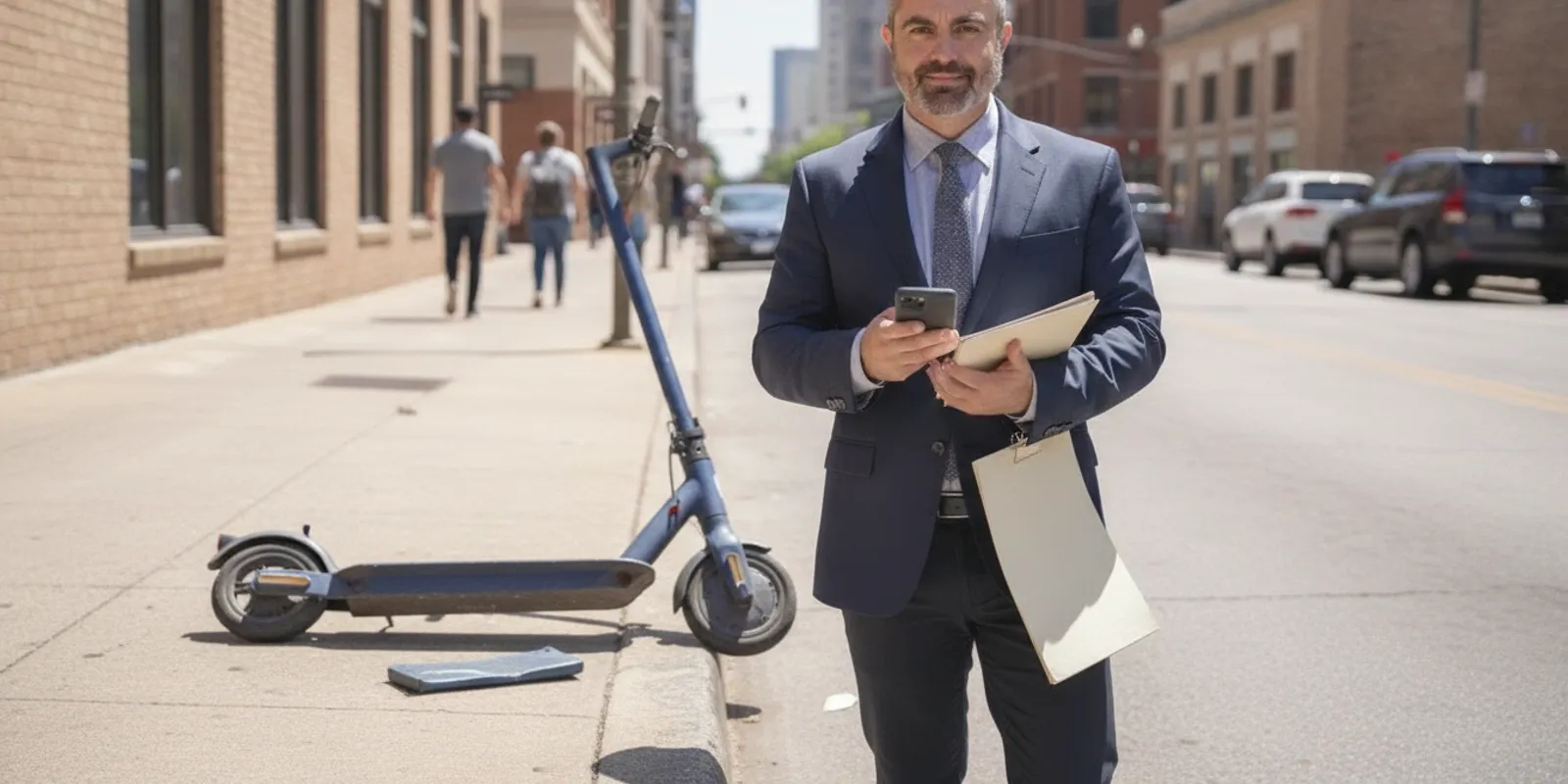
After a scooter crash, an injured rider may be unsure who was responsible, what evidence matters, and which insurance policy could apply. A scooter accident attorney can review those questions, but riders can also take practical steps to protect useful information early. The right next steps depend on the collision, the people involved, and the rider’s injuries.
Ask about your options after a scooter crash
What should an injured scooter rider do first?
Start with safety and medical care. Move out of traffic if you can do so safely, call emergency services when anyone is injured or there is an immediate hazard, and follow the instructions of responders. Do not delay necessary care to take photographs or speak with an insurer. If you are hurt, ask someone you trust to help preserve details while you focus on treatment.
When the immediate situation is stable, use this sequence:
- Get medical attention. Describe all symptoms, even if they seem minor. Follow the clinician’s guidance and keep copies of discharge instructions, referrals, and bills.
- Report the collision as appropriate. Give accurate information to law enforcement and request the report or instructions for obtaining it. A report can record the parties and initial observations, but it may not resolve fault or include every important detail.
- Identify people and vehicles. Exchange names and contact and insurance details with other involved road users. Record vehicle descriptions and license plates when safe.
- Preserve what may change. Photograph the scene, scooter, other vehicles, visible injuries, road surface, signs, and nearby conditions before repairs or cleanup, if it is safe and practical.
- Keep communications organized. Save claim numbers, messages, emails, and the names of people you speak with. Avoid guessing about speed, distance, or fault when you do not know.
Do not put yourself in danger to gather evidence. If you cannot document the scene yourself, a companion may be able to note the time, location, witnesses, and nearby cameras. For an overview of the firm's scooter-related practice area, see its Texas scooter accident information.
Which evidence can help explain how the crash happened?
Useful evidence helps answer concrete questions: where each road user was, what each could see, how the collision occurred, and what changed afterward. No single photograph or record proves every issue. Preserve original files where possible, and make a separate note describing when and how each item was collected.
| Evidence | What it may help clarify | Practical preservation step |
|---|---|---|
| Scene and damage photographs | Positions, sightlines, road conditions, points of impact, and visible damage | Save original images with date information; take wide and close views if safe |
| Witness details | What a person saw or heard before and after impact | Record names and contact information, and note where the witness was standing |
| Police or incident report | Reported parties, location, statements, and initial observations | Ask how to obtain the report and keep the report number |
| Medical records and receipts | Symptoms, diagnosis, treatment, restrictions, and costs | Keep visit summaries, referrals, bills, and proof of related expenses |
| Scooter and equipment | Condition, damage, maintenance history, and possible mechanical issues | Photograph before repair; retain purchase, rental, or maintenance records |
| Messages, app records, or video | Trip timing, route, rental details, or events captured nearby | Save confirmations and screenshots; promptly note possible camera locations |
Be careful with digital evidence. Do not edit a photograph in a way that overwrites the original, delete relevant messages, or post assumptions about fault. If a scooter was rented or accessed through an app, retain the account details, trip receipt, and any messages about the ride. A scooter may be privately owned, rented, or part of a shared fleet; that difference can affect where records are held and whom to contact.
Make an evidence inventory as you collect materials. Give each item a short description, note the date you obtained it, and record whether it is an original, copy, or screenshot. Keep a backup in a secure location, but do not circulate sensitive medical or identity information unnecessarily. If a witness sends you a message, preserve the full conversation and the sender’s contact details rather than copying only a sentence that may lose context. These small organizational steps make it easier to find a particular record later and to explain where it came from.
Video can be overwritten, and witnesses may become harder to locate as time passes. Make a list of nearby homes, businesses, parking facilities, or vehicles that may have cameras. Do not trespass or demand footage; simply record the location and ask the appropriate owner or manager how to preserve it. A lawyer can assess whether a formal request is appropriate.
How can road-user duties affect responsibility?
Responsibility depends on the specific facts and the rules that apply to the type of scooter and location. Drivers, riders, and pedestrians should use reasonable care and obey applicable traffic controls. Questions may include whether a driver looked before turning, whether a rider was visible, where the scooter was operated, whether a traffic signal was followed, and whether a road hazard contributed.
Do not assume that one person is automatically responsible because they were driving a car or riding a scooter. More than one person’s conduct may be relevant. The location and equipment also matter: an electric scooter, a mobility scooter, and a non-motorized kick scooter may be treated differently under particular rules or policies. Local restrictions, roadway conditions, and the facts of the trip can affect the analysis.
Texas law may allocate responsibility among people based on evidence and applicable legal standards. A brief statement made at the scene is not necessarily a complete account. If you are unsure about a signal, lane, speed, or who had the right of way, say that you are unsure rather than filling in a gap. The firm’s general explanation of Texas traffic and accident laws addresses related road-crash issues, but a scooter collision can raise distinct questions.
Official reports can be useful, but they are not a substitute for collecting other evidence. A government report from another state, for example, describes an investigation after a scooter collided with a civilian vehicle; it is an example of an official response, not a statement of Texas law. See the New Jersey Attorney General’s Office notice. The important point for a Texas rider is to obtain the relevant local records and evaluate the facts under Texas law.
How should you document an injury and its effects?
Injury documentation connects the collision to the care and limitations that followed. Keep a simple, dated record. It need not be lengthy or polished; consistency and accuracy matter more than dramatic descriptions.
- Medical timeline: Note the date of each appointment, the provider, symptoms discussed, tests or treatment, and follow-up instructions.
- Symptom notes: Briefly record pain, dizziness, sleep disruption, or other changes as they occur. Distinguish what you experienced from what a clinician diagnosed.
- Daily impact: Describe specific tasks that became difficult, such as walking, lifting, commuting, or household responsibilities. Record changes over time rather than assuming they will remain permanent.
- Expenses and missed work: Save bills, receipts, travel costs for care, pay records, and employer documentation where relevant. Keep a note of missed shifts or reduced duties.
- Follow-up and recovery: Track appointments and restrictions, and tell the provider if symptoms change. Do not stop prescribed care solely because an insurance adjuster requests it.
Keep documentation factual. Do not exaggerate symptoms, speculate about a diagnosis, or change a record after the fact. If you made an error in a personal note, add a dated correction rather than silently rewriting the original. Store copies securely and share sensitive records only through an appropriate channel.
Some injuries are not obvious at the scene. If new symptoms appear, seek appropriate medical guidance and explain when they began. Prompt, honest communication with a healthcare provider helps create a clearer record of your condition. A lawyer evaluating a claim may need to understand both the medical evidence and how the injury affected daily life; a symptom diary is not a replacement for professional evaluation.
Which insurance questions should you ask?
The available coverage can depend on who was involved, how the scooter was being used, and the applicable policy terms. Do not assume that the driver’s policy, your own auto policy, a rental provider’s coverage, or a scooter app’s policy automatically applies. Request the relevant policy information and have the terms reviewed in context.
Useful questions include:
- Which person or company has opened a claim, and what is the claim number?
- What policy is being considered, and who is the named insured?
- Does the policy address this scooter type and this kind of trip?
- Are there notice requirements, exclusions, or other insurance that may be relevant?
- What documents does the insurer want, and how should sensitive medical information be provided?
- Has anyone asked you to give a recorded statement, sign a release, or accept a payment?
Answer questions truthfully, but do not guess. You can ask for a request in writing and take time to understand what a document does before signing it. A broad release could affect more than the immediate bill, and settlement paperwork may end claims covered by its terms. If you are uncertain, consider getting legal advice before agreeing to a settlement or release.
Keep a contact log for every insurer: date, representative, phone number or email, claim number, what was requested, and what you sent. Send copies rather than the only original. Do not rely on a verbal promise as the only record of a coverage decision; ask for important explanations in writing.
What mistakes can make a scooter claim harder to assess?
Several avoidable choices can leave gaps or create confusion. You do not need to build a legal case alone, but taking care with records can make later review more reliable.
- Waiting to document: Scene conditions, vehicle positions, and camera footage may change. Write down what you remember soon, with a clear date, and identify details you do not know.
- Repairing or discarding the scooter without records: Photograph damage first and keep repair estimates, invoices, and relevant parts or receipts when practical.
- Giving a confident estimate from memory: If you do not know your speed or distance, say so. Avoid turning an estimate into a fact by repeating it.
- Ignoring treatment or instructions: Ask your provider about barriers to care and follow their medical guidance. Keep records of scheduling issues or changes in symptoms.
- Posting about the crash: Online comments can lack context. Avoid discussing fault, injuries, or a pending claim publicly, and preserve relevant posts and messages rather than deleting them.
- Accepting a quick payment without understanding it: Find out whether the payment requires a release and what claims it covers before accepting or signing.
These steps do not guarantee an insurance result. They help retain information so the people evaluating the claim can consider a fuller picture.
When may it help to consult a scooter accident attorney?
A consultation may be useful when injuries need ongoing care, responsibility is disputed, several road users or businesses were involved, insurance coverage is unclear, or an insurer asks for a statement or release you do not understand. It can also help when evidence may disappear or a deadline could affect your options.
Prepare a concise account: when and where the collision happened, who was involved, what care you have received, which insurers have contacted you, and what documents you have. Bring the report number, photographs, medical records you already have, and policy correspondence if available. Ask what additional evidence may matter, what deadlines need attention, who will communicate with insurers, and what the fee arrangement and case expenses involve.
For broader information about injury matters and the firm's practice areas, see personal injury practice areas and the guide to scooter accident claims in Texas. A consultation does not replace emergency care or determine the outcome of a claim.
Request a conversation about your scooter crash
Frequently Asked Questions
Should I report a scooter crash if I feel mostly fine?
Follow applicable reporting requirements and seek medical guidance if you have symptoms or concerns. Some symptoms can appear later. Record the other parties’ information and preserve what you can safely document, even if the damage seems minor at first.
What if I do not know whether the scooter was allowed on that road?
Do not assume the answer. Record the exact location, scooter type, route, and any signs or markings. Rules can depend on the device and place, so ask a qualified professional to assess the specific facts and applicable Texas or local rules.
Can I still make a claim if I may have contributed to the crash?
Possibly. The effect of each person’s conduct depends on the facts and applicable law. Preserve evidence and avoid deciding your rights based only on an early assumption or an insurer’s initial view.
What if the other road user left before I got their information?
Tell law enforcement what you remember, including the vehicle description, direction of travel, time, and possible witnesses. Preserve photographs, messages, and any available camera leads. Do not pursue a vehicle or put yourself at risk.
How soon should I speak with a lawyer?
Consider getting advice promptly if you have significant injuries, a disputed account, or contact from an insurer. Time limits and evidence-preservation needs vary with the circumstances, so do not wait for every medical issue to be resolved before asking what deadlines may apply.
After a scooter collision, prioritize health, preserve the records you can, and get help evaluating questions that remain uncertain.
More on the blog
Keep reading.
13 min read
How to Preserve Phone Records After a Texas Rideshare Crash
Learn how to preserve phone records after a Texas rideshare crash, including call logs, texts, trip screenshots, and location history.
By Cap City Injury Attorneys
12 min read
What Happens If an Uber and Lyft Driver Crash in Texas?
If an Uber and Lyft driver crash in Texas, each driver's app status may trigger different insurance coverage. Learn what to document after an Austin crash.
By Cap City Injury Attorneys
Let's talk about your case.
Free case review, no obligation. We'll tell you straight whether we can help.