
By Cap City Injury Attorneys14 min read
Respondeat Superior in Texas: When Is an Employer Liable for an Employee's Accident?
Learn when Texas employers may be responsible for employee-caused injuries, what scope of employment means, and what evidence can help establish a claim.
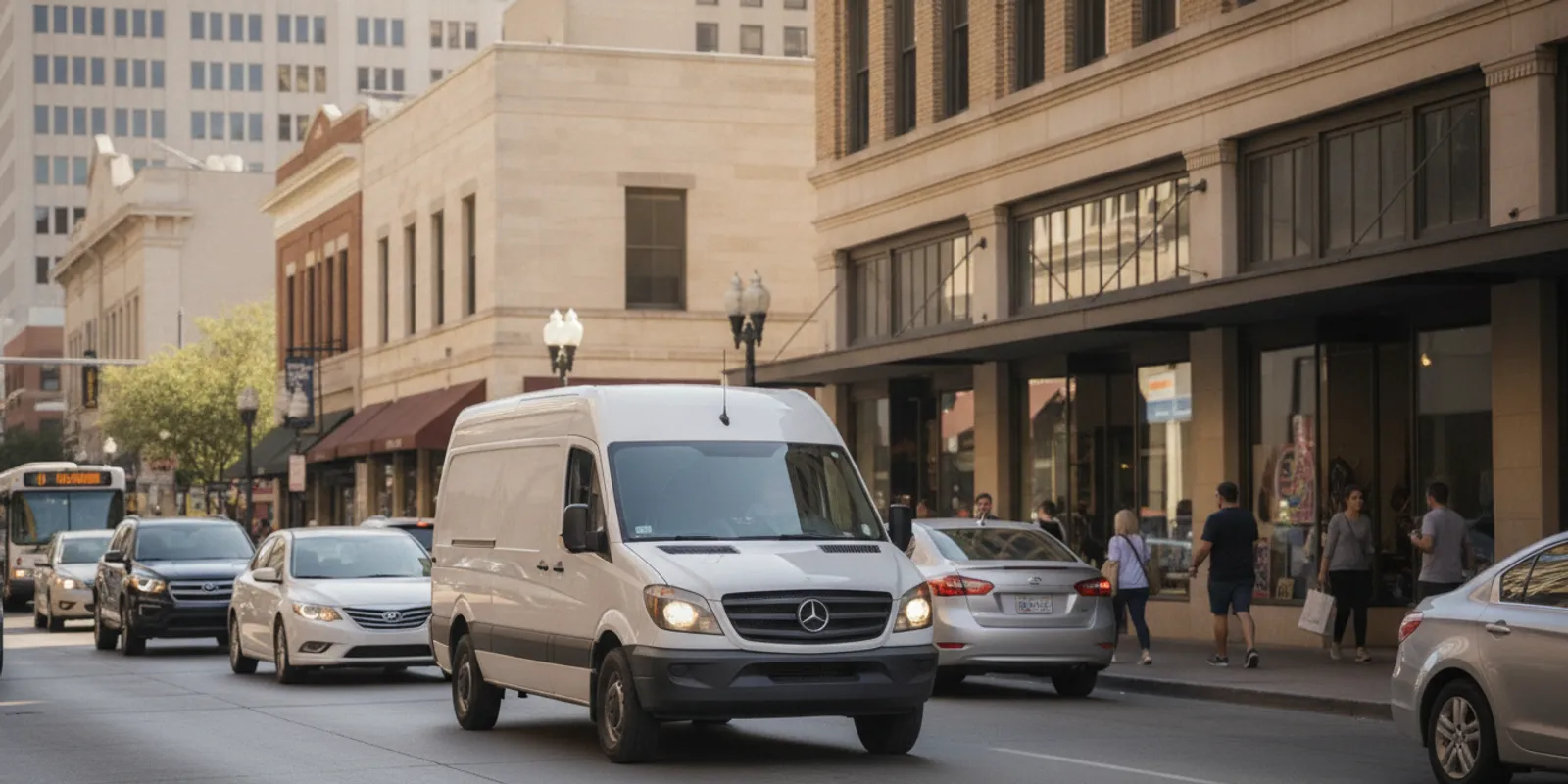
Respondeat superior in Texas is the legal principle that can make an employer responsible for an employee’s wrongful act when the employee caused harm while acting within the scope of employment. Whether it applies depends on the facts: an employee’s job, what they were doing, and whether their conduct furthered the employer’s business. This guide explains the rule as part of Texas personal injury law and what an injured person may need to establish.
Contact us to discuss your situation
What Does Respondeat Superior Mean in Texas Personal Injury Law?
Respondeat superior is a form of vicarious liability. It may make an employer legally responsible for an employee’s negligence if the employee was acting in the scope of employment when the injury occurred. The employer’s responsibility is based on the employment relationship and the employee’s conduct; it does not necessarily mean the employer personally committed the wrongful act.
Short answer: An employer may be liable when an employee causes injury while doing assigned work, carrying out an employer’s business, or performing an act connected to the employee’s job. A work-related location or work shift alone does not automatically establish liability. The specific activity and its connection to the employer’s business matter.
The principle is sometimes called employer vicarious liability. It is distinct from a claim that an employer directly acted carelessly, such as by negligently hiring or supervising someone. Depending on the evidence, an injured person may consider one theory, the other, or both. Each theory has its own elements and proof requirements.
The general idea is that a business may bear responsibility when it assigns work that creates the circumstances in which an employee negligently injures another person. A discussion of respondeat superior by Hofstra law professor Daniel J. H. Greenwood describes this connection between the employer-created work situation and employee negligence: Understanding Respondeat Superior. That general explanation does not decide whether a particular Texas employer is liable; the facts and applicable Texas law control.
When Is an Employer Responsible for an Employee’s Negligence?
In practical terms, the key question is often whether the employee was acting within the scope of employment. Texas courts assess the circumstances rather than relying only on a job title or the employer’s description of the incident. An employee may be on a work assignment, but the conduct that caused the injury still needs a sufficient connection to the work.
Facts that may help show a connection to the employee’s job include:
- The employee was performing a task the employer assigned or expected.
- The activity was part of the employee’s regular duties or a task reasonably connected to them.
- The employee was carrying out a business purpose, such as transporting goods, making a delivery, or traveling between work locations.
- The conduct occurred during a work assignment and was not a substantial personal departure from it.
- The employer directed, authorized, or benefited from the activity in some meaningful way.
These are useful questions, not a checklist that automatically determines the outcome. For example, a delivery driver who injures someone while following a delivery route is acting in a different context from a worker who has completed the shift and is driving somewhere for a personal errand. Even then, details such as route instructions, timing, and the reason for the trip may matter.
Think about the incident as a timeline rather than a snapshot. Where did the employee start? What task had been assigned? Was the employee traveling to a customer, returning to a worksite, or taking a break? What happened immediately before the injury? A timeline may clarify whether the activity was part of the employer’s work or a distinct personal undertaking. The answer may turn on a short period of time or a change in destination, so seemingly minor details can be useful.
What if the employee was taking a personal detour?
An employee’s personal errand or substantial departure from assigned duties may support an argument that the employee was outside the scope of employment. The issue is not always resolved simply because the person was driving a company vehicle or was technically on the clock. A brief deviation that remains connected to the work may be analyzed differently from a major personal detour. The distance, purpose, duration, and surrounding instructions can help explain what happened.
Likewise, an employee’s careless choice does not automatically remove the conduct from the scope of employment. If the employee was still performing work, an employer may argue that the act was personal or unauthorized; the injured person may point to how the task was assigned and carried out. A fact-specific review is needed.
For example, if a worker makes a short stop for a personal need while following a work route, the stop’s length and its effect on the assignment may be relevant. A lengthy trip in the opposite direction for a private purpose could present a different picture. Neither example resolves a real claim on its own. The route, employer instructions, work schedule, and employee’s actual purpose should be considered together.
What Is the Difference Between an Employee and an Independent Contractor?
Respondeat superior generally concerns an employer’s responsibility for employees. A company may deny responsibility by saying the person who caused the injury was an independent contractor. The label used in a contract or on a payment form is relevant, but it may not settle the issue by itself. The actual working relationship and the company’s right to control the details of the work can be important.
| Question | Employee relationship | Independent contractor relationship |
|---|---|---|
| Who controls the work? | The company may direct not just the desired result but important details of how tasks are done. | The worker may have greater independence over the method and manner of completing the job. |
| Who provides tools or equipment? | The company may supply equipment, a vehicle, or work materials. | The worker may supply and maintain their own tools or equipment. |
| How is the work organized? | The worker may have set duties, schedules, and ongoing supervision. | The engagement may be for a particular project or result with less day-to-day direction. |
| Does the label decide liability? | No. The working facts still matter. | No. Calling someone a contractor does not alone resolve the legal question. |
This table gives general considerations, not a legal test that can be applied mechanically. Work relationships can be mixed or complicated. A company may control some aspects of a contractor’s work without controlling every detail, and the written agreement may not reflect day-to-day practice. Relevant records can include contracts, dispatch instructions, schedules, training materials, payment records, and communications.
Consider a courier who chooses a route and uses a personally owned vehicle, but receives a set schedule, detailed delivery instructions, and close supervision. Those facts may point in different directions and deserve closer review. In another arrangement, a company might hire an independent operator to complete a defined job while leaving the operator to decide how to perform it. Looking at the actual practice, rather than relying on one fact, helps avoid treating a label as the whole answer.
Even if a worker is properly classified as an independent contractor, that does not necessarily end every potential claim against a company. Separate facts might support a direct-negligence theory, such as an employer’s own careless conduct. The analysis depends on the duty, the alleged conduct, and evidence—not just the contractor label.
How Does Respondeat Superior Apply to Delivery Drivers and Trucking Companies?
Delivery and commercial driving incidents often raise the scope-of-employment question because drivers travel while doing work. Relevant evidence may show who arranged the trip, what cargo was being moved, the destination, the driver’s instructions, and whether the trip was part of the company’s operations. A vehicle’s logo or ownership can be a clue, but neither alone proves that the driver was an employee or acting within the scope of employment.
In a commercial vehicle collision, investigators may need to identify the driver’s employer, the vehicle owner, and any businesses involved in the trip. Those parties are not automatically liable just because they appear in the chain of transportation. Their relationship to the driver and the work, along with the cause of the crash, needs to be examined. For background on commercial vehicle claims, see this overview of Texas truck accident cases and the guide to evaluating a truck crash claim.
Evidence can disappear or become harder to obtain as time passes. Depending on the incident, potentially useful records may include:
- Crash reports, photographs, and witness contact information.
- Delivery schedules, dispatch logs, route instructions, and work communications.
- Employment, contractor, and vehicle-use records.
- Available vehicle or roadway video and electronic trip information.
- Medical records documenting evaluation and treatment for the injury.
Not every record exists in every case, and some records may be controlled by a company or another party. Preserve material already in your possession, note where the incident occurred, and avoid altering original photos or messages. An attorney can assess what may be relevant and what steps are appropriate to request it.
When writing down what happened, separate what you saw from what you inferred. For instance, note the vehicle’s appearance, any company name or delivery markings, the direction it was traveling, and statements made at the scene. Do not assume that a logo identifies the driver’s employer or that a vehicle owner employed the driver. If you have a photograph or a witness’s contact information, preserve the original and record when and where it was obtained.
A collision involving a company vehicle may also involve ordinary negligence questions: who had the right of way, whether a driver was attentive, and what conduct caused the crash. For related guidance, read about Texas car accident laws. Respondeat superior addresses a different question: whether an employer may share legal responsibility for the employee’s conduct.
What Must You Prove to Hold an Employer Liable in Texas?
A claim based on respondeat superior generally requires evidence of both an underlying wrongful act and the employment connection. In a negligence case, the injured person typically needs to establish that the employee owed a duty, failed to use reasonable care, and caused legally recognized harm. The employer-liability question then considers whether the employee was acting within the scope of employment. The precise legal requirements depend on the claim and facts.
Common issues to investigate include:
- Who caused the injury? Identify the driver or other employee and gather evidence about the conduct that led to the incident.
- What was the person doing? Establish the task, route, destination, and purpose at the time.
- What was the work relationship? Find out whether the person was an employee, contractor, or working through another business.
- How was the work directed? Review instructions, schedules, dispatches, supervision, and relevant agreements.
- What harm resulted? Keep records of medical care, missed work, and other losses connected to the event.
An official crash report can provide useful starting information, but it may not answer every question about a person’s job or the employer’s role. Witnesses, photographs, company documents, and other records can add context. Keep copies of bills and treatment information, write down what you remember while it is fresh, and avoid guessing when information is unknown.
A practical way to organize the facts is to create separate folders or notes for the collision, the work assignment, and the resulting injury. In the collision file, preserve the report, images, witness names, and relevant messages. In the work-assignment file, record any known delivery destination, route, employer name, vehicle details, and statements about the employee’s task. In the injury file, keep appointment information, bills, and work absence records. This organization does not prove liability, but it can make gaps and unanswered questions easier to identify.
The employee’s conduct may also be intentional rather than negligent. Employer responsibility for an employee’s intentional act presents distinct questions and should not be assumed from the basic negligence rule. A Texas-focused academic article examines the state’s case law concerning an employer’s liability for an employee’s assault: Vicarious Liability of an Employer for an Assault by His Employee. Its subject is a specific category of conduct, so it should not be treated as a blanket rule for every injury claim.
How Does Respondeat Superior Affect an Injury Claim?
When the evidence supports employer responsibility, the employer may become another party from whom the injured person seeks compensation for harm caused by the employee. That can matter when assessing available insurance and how a claim should be investigated. It does not guarantee a larger settlement, establish fault without proof, or mean that every employer has coverage for every incident. The facts, applicable insurance, defenses, and extent of injury all matter.
Employer responsibility also does not erase the employee’s role in the incident. Depending on the circumstances, a claim may involve both the employee’s conduct and an employer’s legal responsibility for that conduct. A separate direct-negligence claim against the company may require different evidence. For a broader overview of potential injury claims and next steps, see the firm’s personal injury practice areas and Austin service area information.
Identifying the right parties early can also help focus questions about insurance and evidence. The driver, the driver’s employer, a vehicle owner, and a business that arranged a delivery may be different entities. A company’s involvement in a trip does not by itself establish legal responsibility. The investigation should connect each party to the conduct, work relationship, or other alleged act that forms the basis of a claim.
It can help to write down unanswered questions early: Was the driver making a work delivery? Who provided the vehicle? Was the trip on an assigned route? Did the worker take a personal detour? A clear timeline can help an attorney identify what records or witnesses may answer those questions. You can also review this general Austin personal injury resource for information about the firm’s work.
Contact us to talk through the facts of an injury claim
Frequently Asked Questions
Does an employer automatically become liable if an employee causes an accident at work?
No. The injury occurring during work hours or at a work location is not enough by itself. The injured person generally must establish the employee’s wrongful conduct and a sufficient connection between that conduct and the employee’s work. A personal errand or substantial departure from job duties may change the analysis.
Can an employer be responsible if the employee was driving a company vehicle?
A company vehicle may be relevant evidence, but it does not automatically establish employer liability. The driver’s work relationship, reason for the trip, instructions, and conduct at the time all matter. Vehicle ownership alone does not prove that the driver was acting within the scope of employment.
Can a company avoid responsibility by calling a worker an independent contractor?
The label alone does not necessarily resolve the issue. The actual working relationship, including the company’s control over the work, may need review. Even if the person was an independent contractor, separate facts may support a direct claim based on the company’s own conduct.
What should I do after an accident involving a worker on the job?
Get appropriate medical attention, document the incident, preserve photos and communications, and collect available information about the driver and company. Keep treatment and expense records, and do not assume that the employer’s role is clear from a vehicle logo or a brief exchange at the scene. An attorney can review the circumstances and explain possible next steps.
Respondeat superior is fact-specific: the central issue is whether the employee’s conduct that caused the injury was sufficiently connected to the work. Preserving the evidence about the accident and the work assignment can help clarify whether an employer may share responsibility.
More on the blog
Keep reading.
15 min read
Punitive and Exemplary Damages in Texas: When Can You Recover More Than Actual Losses?
Learn when Texas law allows exemplary damages, what proof is required, how statutory caps work, and how these damages differ from compensation for losses.
By Cap City Injury Attorneys
12 min read
Dram Shop Liability in Texas: Suing a Bar After a Drunk Driving Accident
Learn when Texas law may hold a bar or alcohol provider liable after a drunk-driving crash, what victims must prove, and how to preserve key evidence.
By Cap City Injury Attorneys
Let's talk about your case.
Free case review, no obligation. We'll tell you straight whether we can help.