
By Cap City Injury Attorneys12 min read
Dram Shop Liability in Texas: Suing a Bar After a Drunk Driving Accident
Learn when Texas law may hold a bar or alcohol provider liable after a drunk-driving crash, what victims must prove, and how to preserve key evidence.
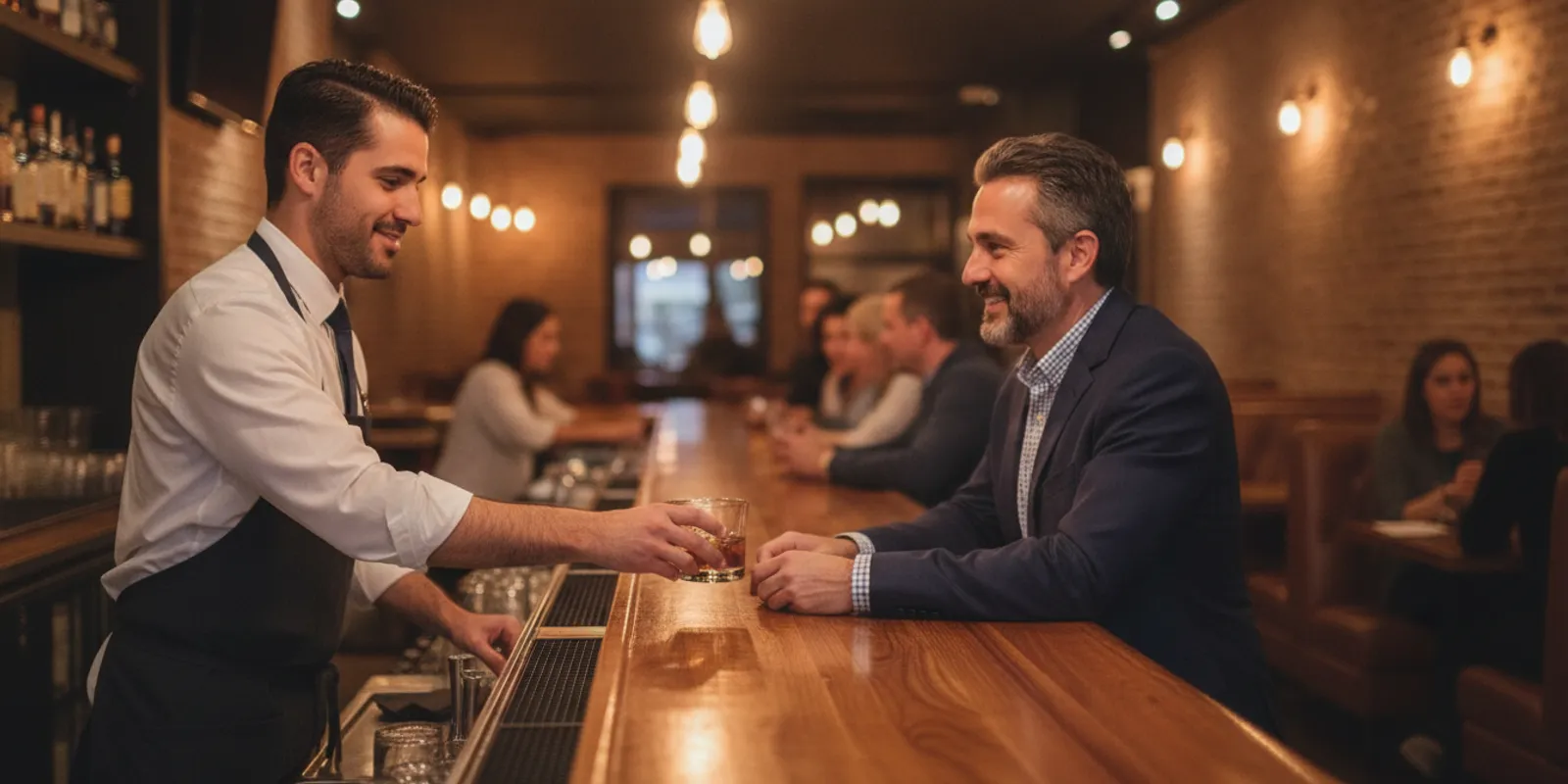
When a driver causes a crash after drinking, dram shop liability in Texas may extend beyond the driver. An alcohol provider may also face a claim if it served someone who was obviously intoxicated and that intoxication contributed to the injuries. Understanding the legal test, the evidence that can disappear quickly, and the deadlines for taking action can help an injured person or family decide what to do next.
Call to discuss your situation
What Is the Texas Dram Shop Act and Who Does It Apply To?
The Texas Dram Shop Act creates a limited path to hold an alcohol provider responsible for injuries connected to serving an intoxicated person. It is not enough to show that a bar served alcohol and a later crash happened. A claim generally focuses on what the provider knew or should have recognized at the time of service, and whether the person's intoxication was a proximate cause of the harm.
The statute's central standard is whether, when the alcohol was provided, the recipient was obviously intoxicated to the extent that the person presented a clear danger to themselves and others. Potential defendants can include a licensed bar, restaurant, or another provider covered by the law, as well as an employee whose conduct is relevant. Whether a particular business or individual qualifies depends on the facts and the law governing that transaction.
That standard is more demanding than showing that a patron had been drinking. A person might consume alcohol without displaying unmistakable signs of impairment. On the other hand, slurred speech, stumbling, difficulty staying awake, erratic conduct, repeated spills, or an inability to follow a conversation may be relevant when combined with other evidence. No single observation automatically proves liability; the circumstances must be considered together.
The Act also provides a defense in certain circumstances if the provider requires its employees to attend an approved seller-training program and the employee attended. The existence and effect of that defense depend on the specific facts and applicable statutory requirements. An attorney can evaluate whether it applies rather than assuming that training either eliminates or establishes liability.
For the statutory framework, see the Texas court opinion discussing dram shop claims. State laws differ in how they address alcohol-provider liability; the NHTSA digest of state alcohol and highway-safety laws provides broader background, not a substitute for current Texas law.
A dram shop claim is one possible part of a broader injury matter. For a general overview of injury claims in Texas, see this guide to Texas injury law.
When Can You Sue a Bar or Restaurant After a Drunk Driving Accident?
A crash victim may have a potential claim against a bar or restaurant when evidence supports each required part of the statutory test. Broadly, the evidence must connect the provider's service to an obviously intoxicated person, the person's resulting intoxication, and the injuries caused by the crash. The question is not simply whether the driver was intoxicated when the collision occurred.
Timing matters. A provider's liability turns on the recipient's condition when alcohol was served. If the person appeared steady and coherent at the time of service but became intoxicated later, that may make the claim harder to establish. If the person was visibly impaired while being served additional drinks, testimony, receipts, video, or other records may help show what the provider could observe.
The connection to the crash matters too. A provider may dispute that the service caused the driver's intoxication or that intoxication caused the collision. For example, records about how much and when the driver drank, witness accounts, toxicology evidence, crash-scene findings, and the sequence of events can all be important. A driver can be responsible for a collision even when there is no viable claim against a provider; each claim has its own elements.
Texas cases can turn on detailed facts. A Texas appellate opinion in a dram shop dispute can help illustrate how courts address the statute, but a case result does not decide another person's claim automatically. Review the court's analysis in the Texas dram shop opinion alongside the particular evidence in your case.
If the crash involved a passenger vehicle, you may also want to review Texas car accident laws and insurance issues. A dram shop claim can exist alongside a claim against the at-fault driver, but the evidence, parties, and legal questions are not identical.
What Must You Prove in a Texas Dram Shop Case?
A Texas dram shop claim generally requires proof of the statutory elements. The details of a case may be disputed, so it helps to understand the questions investigators will examine:
- Was the defendant a covered provider? Identify who sold or served the alcohol, the location, and the role of the business and employees. The applicable license, permit, and circumstances of service may matter.
- Was the recipient obviously intoxicated when served? Evidence should address the recipient's appearance and behavior at the time alcohol was provided—not only their condition much later at the crash scene.
- Did the intoxication present a clear danger? The legal threshold calls for more than proof that a person had consumed alcohol. Facts showing visible impairment and a risk to the recipient or others may be relevant.
- Did the service cause or contribute to the intoxication? The timing and amount of service, other alcohol consumption, and the recipient's condition before arriving at the establishment may be examined.
- Was the intoxication a proximate cause of the injury? The claim must connect the intoxication to the crash and resulting harm under the applicable causation rules.
These are not boxes that can be proven with one document. A receipt can show a transaction but usually does not establish how impaired a customer appeared. A witness may remember behavior but not the exact timing of service. Video might capture conduct, yet fail to show the customer's speech or what an employee observed. The value comes from assembling a consistent timeline from multiple sources.
Contributory fault and other defenses may also arise. Texas generally applies proportionate-responsibility rules in many injury cases, and a provider may contest fault, causation, or the amount of damages. A claim's outcome depends on evidence and applicable law, not merely on the fact that an intoxicated driver caused a collision.
Can Social Hosts Be Held Liable Under Texas Dram Shop Law?
The Texas Dram Shop Act is principally directed at providers operating under an alcohol license or permit and their employees. It is not a general rule that makes every person who serves a drink liable for a guest's later conduct. In particular, the law treats alcohol provided without charge to an adult guest in a private residence differently from alcohol sold by a licensed business.
There is a narrow statutory provision addressing an adult who knowingly serves or provides alcohol to a person under 18 at the adult's residence, or knowingly allows that minor to consume alcohol there, when the statutory conditions are met. The exact facts matter, including the minor's age, the host's knowledge, the location, and the causal link to the injury. Other legal issues may also arise, so do not assume that every gathering involving alcohol is covered by the same rule.
Social-host situations can be fact-specific. Preserve information about who supplied the alcohol, where it was consumed, the ages of the people involved, and what the host knew. A lawyer can assess whether the Dram Shop Act or another legal theory may apply without treating business-provider rules as automatically applicable to a private host.
What Damages Can Victims Recover Under the Texas Dram Shop Act?
When a claim is established, recoverable damages may include losses recognized under Texas personal injury law, subject to proof, applicable limits, and the facts of the case. Depending on the injury, a person may seek compensation for reasonable medical expenses, lost income or reduced earning capacity, physical pain, mental anguish, and physical impairment. A family pursuing a wrongful-death claim may face different rules and categories of damages.
There is no automatic award or fixed settlement amount for a dram shop case. The nature and duration of the injury, medical care, effect on work and daily life, available insurance, and the strength of the evidence all affect case evaluation. The provider may deny that it violated the statute, dispute causation, or challenge the claimed losses.
A victim may also pursue the intoxicated driver, if the evidence supports a claim. When more than one party may be responsible, the claims can involve different insurance policies and defenses. Coordinating them is important; a settlement with one party may affect the handling or value of claims against others. Do not sign a release or accept a settlement without understanding which claims it covers.
| Potential claim | Key question | Evidence that may matter |
|---|---|---|
| Claim against the driver | Did the driver's conduct cause the collision and injury? | Crash report, scene evidence, witness accounts, medical records, and available toxicology evidence |
| Dram shop claim against a provider | Was the recipient obviously intoxicated to a clear danger when served, and was intoxication a proximate cause? | Service records, receipts, surveillance, employee and patron testimony, and the drinking timeline |
| Claim involving a social host | Does a narrow statutory rule or another legal basis apply to this host and these facts? | Where alcohol was provided, who supplied it, ages, the host's knowledge, and the sequence of events |
This comparison is a starting point, not a conclusion about liability. One event can involve overlapping claims, and the evidence may support a claim against one party but not another. For other types of injury claims, see the firm's personal injury practice areas.
How Do You Build Evidence in a Dram Shop Liability Case?
Evidence can be time-sensitive. A business may overwrite surveillance footage, employees may change jobs, and witnesses may forget details. If you are physically able, or someone can help you, take these practical steps:
- Get medical care and keep records. Follow medical advice and retain discharge papers, bills, prescriptions, and notes about symptoms. Health comes first; do not delay necessary care to gather evidence.
- Report the crash and preserve scene information. Keep the report number, photographs, contact details for witnesses, and any available vehicle or roadway images. Record what you remember while it is fresh.
- Write down the drinking timeline. Note the establishment, approximate arrival and departure times, drinks ordered or observed, and the driver's behavior. Separate what you personally saw from what someone else told you.
- Identify witnesses and possible recordings. Record names and contact details for passengers, other patrons, employees, and people who saw the driver before or after the crash. Tell your lawyer promptly about possible camera footage.
- Keep relevant communications and receipts. Save messages, payment records, ride receipts, photographs, and any communications with the business or insurers. Avoid editing or deleting original material.
- Be careful with insurance statements and releases. Give accurate information, but do not guess about facts you do not know. Before signing a release, clarify whether it covers the driver, a provider, or other parties.
Do not try to obtain private surveillance by trespassing, pressuring employees, or confronting a suspected provider. A preservation request and formal legal procedures may be needed to secure records. If the crash involved serious injuries, the investigation may also require collecting vehicle, medical, and employment evidence. The steps described in this guide for people injured by a drunk driver in Texas can help with immediate post-crash concerns.
Deadlines apply. Texas law generally sets a two-year limitations period for many personal injury claims, but exceptions can change how a deadline is calculated, and additional notice requirements may apply in some situations. Do not assume you have time simply because an insurance investigation is ongoing. Prompt legal advice can help identify deadlines and preserve evidence.
People injured in the Austin area can also review information about personal injury claims in Austin. The location of a crash does not, by itself, establish that a particular provider is liable.
Contact Cap City Injury Attorneys to discuss your situation
Frequently Asked Questions
Does a drunk-driving crash automatically create a dram shop claim?
No. A victim must have evidence supporting the Texas statutory requirements, including obvious intoxication when alcohol was served and a causal connection between intoxication and the injury. A crash may support a claim against the driver even when the evidence does not support a claim against an alcohol provider.
Can I sue a bar if I do not know how many drinks the driver had?
Possibly. A claim does not depend only on a precise drink count. Witness observations, transaction records, video, employee testimony, and other evidence may help reconstruct the service and the person's condition. Missing information can make the investigation more difficult, which is one reason to act promptly.
Can the injured passenger bring a claim?
An injured passenger may have a claim if the evidence and legal requirements support it. The passenger's relationship to the driver, knowledge of the circumstances, and any alleged fault can matter. A passenger should not assume that being in the vehicle automatically prevents recovery or guarantees it.
How long do I have to file a Texas dram shop claim?
Many Texas personal injury claims are subject to a two-year limitations period, but the deadline can depend on the claim, parties, and circumstances. Special rules may apply, so have a lawyer assess the specific dates rather than relying on a general estimate.
Should I contact the bar myself?
You can keep any communications you already have, but avoid confrontation and do not make assumptions or sign a release before understanding its effect. Because footage and other records may not be kept indefinitely, a lawyer can advise you about an appropriate preservation request and next steps.
A dram shop claim depends on specific proof about service, visible impairment, causation, and injury. If you suspect an alcohol provider contributed to a Texas crash, preserving the timeline and seeking advice promptly can help you understand the available options.
More on the blog
Keep reading.
14 min read
Respondeat Superior in Texas: When Is an Employer Liable for an Employee's Accident?
Learn when Texas employers may be responsible for employee-caused injuries, what scope of employment means, and what evidence can help establish a claim.
By Cap City Injury Attorneys
15 min read
Punitive and Exemplary Damages in Texas: When Can You Recover More Than Actual Losses?
Learn when Texas law allows exemplary damages, what proof is required, how statutory caps work, and how these damages differ from compensation for losses.
By Cap City Injury Attorneys
Let's talk about your case.
Free case review, no obligation. We'll tell you straight whether we can help.