
By Cap City Injury Attorneys13 min read
What Should You Do After a FedEx Truck Accident in Texas?
Learn what to do after a FedEx truck accident in Texas, from urgent medical care and evidence to insurance calls and potential legal claims.
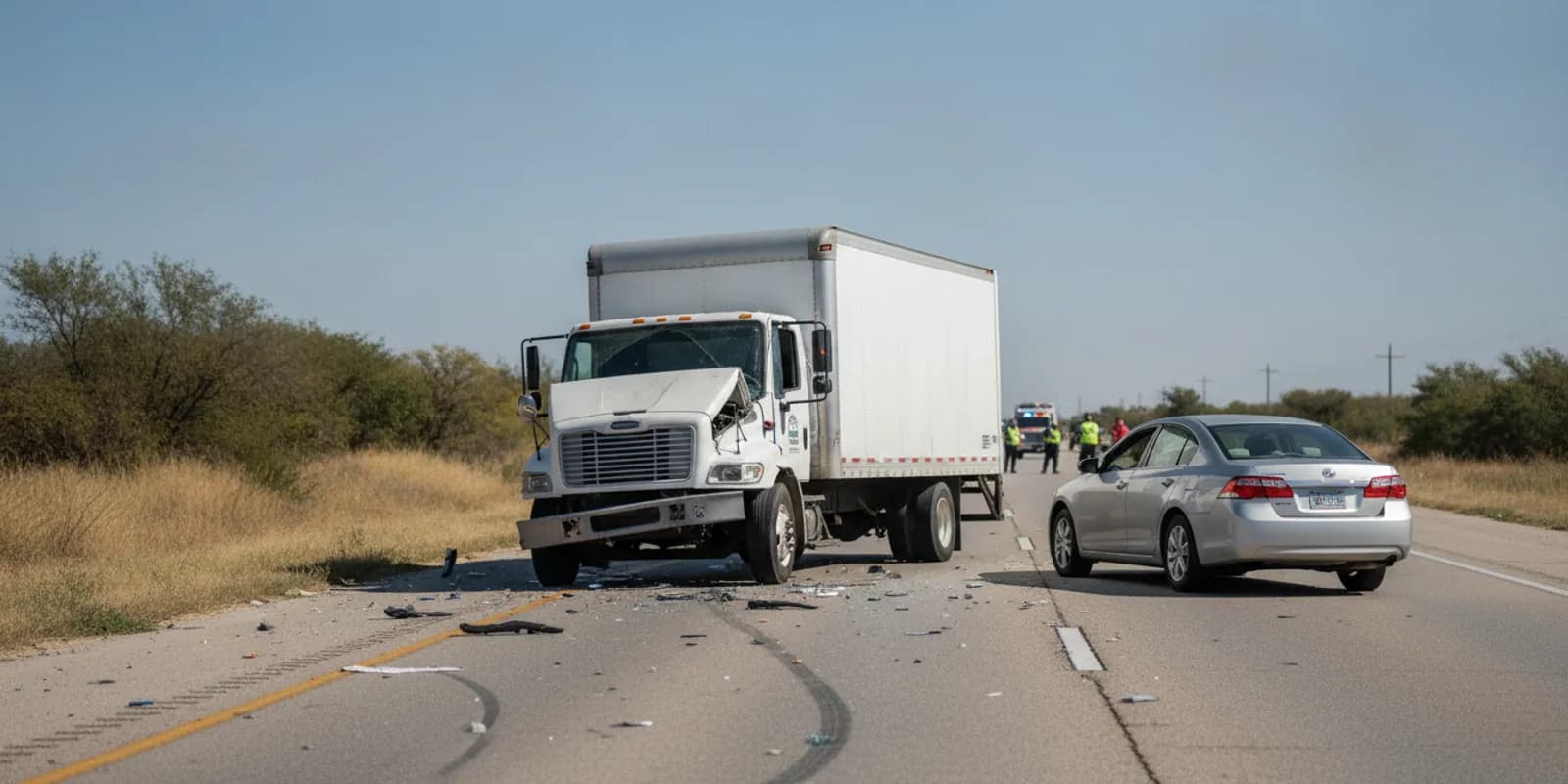
A FedEx truck accident can leave you dealing with injuries, vehicle damage, missed work, and questions about who should pay. The first steps you take can protect your health and preserve information that may matter later. In Texas, a claim may involve the delivery driver, a transportation company, an insurer, or another responsible party. This guide explains what to do after the crash, how to document it, and how to handle communications while you learn more about your options.
What should you do immediately after a FedEx truck accident?
Your priorities at the scene are safety, emergency care, and accurate information. Do not argue with the truck driver or attempt to determine fault in the roadway. Instead, take these steps when your condition and surroundings permit.
- Move to safety if possible. If your vehicle can be moved and doing so does not worsen an injury, get out of active traffic. Turn on hazard lights. Do not leave the scene unless emergency conditions require it.
- Call 911. Ask for police and medical responders. Tell the dispatcher if anyone is bleeding, trapped, unconscious, having trouble breathing, or reporting severe pain.
- Accept an examination. Adrenaline can hide symptoms after a collision. A medical record created soon after the crash can also connect your complaints to the event.
- Exchange information carefully. Obtain the driver’s name, license information, employer or carrier information, insurance details, license plate number, and the truck’s unit or vehicle number if visible.
- Identify witnesses. Ask people who saw the crash for their names and contact information. A witness may leave before you have time to find them, so write down details promptly.
- Report what happened accurately. When speaking with an officer, describe what you observed and what you felt. Avoid guessing about speed, distance, or fault.
Police records may contain the parties’ statements, road conditions, diagrams, citations, and observations about the vehicles. Request the report when it becomes available and check it for obvious factual errors. Do not treat the report as the only evidence. A report is one part of a larger investigation.
When should you get medical care after the crash?
Seek emergency treatment for serious symptoms, including loss of consciousness, confusion, severe headache, chest pain, difficulty breathing, weakness, numbness, uncontrolled bleeding, or intense neck, back, or abdominal pain. For less obvious symptoms, arrange a prompt medical evaluation rather than waiting several days to see whether they disappear.
Follow the provider’s instructions and attend recommended appointments. Tell medical professionals about every symptom, even if it seems minor. Keep discharge paperwork, prescriptions, bills, work restrictions, therapy records, and notes about how symptoms affect ordinary activities.
Do not stop treatment simply because a claims representative asks whether you are better. If transportation, cost, scheduling, or another obstacle affects treatment, tell the provider and ask what options are available. Gaps in care can lead to questions about the injury, although a gap does not automatically eliminate a claim. Explain the reason for any interruption and keep supporting records.
For background on Texas accident rules and duties that may affect an injury claim, review the firm’s guide to Texas car accident laws. The details of a truck collision can differ, so use general information as a starting point rather than a substitute for case-specific advice.
What evidence should you collect from a FedEx truck accident?
Evidence can disappear quickly. Vehicles get repaired, road conditions change, video is overwritten, and memories become less precise. Preserve what you can without placing yourself in danger.
- Photographs and video: Capture the vehicles, damage, roadway, traffic controls, lane markings, debris, lighting, weather, visible injuries, and nearby businesses. Take wide views as well as close-ups.
- Scene details: Record the date, time, location, direction of travel, lane position, traffic signal, road surface, and what happened immediately before impact.
- Vehicle information: Photograph the delivery truck’s markings, unit number, license plate, trailer, cargo area, and any visible damage. Do not enter the truck or touch its equipment.
- Personal records: Save medical documents, invoices, pharmacy receipts, wage information, repair estimates, rental records, and correspondence about the crash.
- Digital evidence: Preserve dashboard-camera footage, phone photographs, location history, text messages about the event, and posts that help establish timing. Keep original files and avoid editing them.
- Witness accounts: Write down what each witness said while the memory is fresh. Do not coach a witness or ask someone to change an account.
Keep a simple symptom and expense journal. Note pain levels, sleep problems, appointments, medication effects, missed work, household tasks you cannot perform, and changes in planned activities. These notes are not a replacement for medical records, but they can help you remember the day-to-day impact.
Preserve physical evidence too. Keep damaged clothing, a broken helmet or child restraint, and other items in their post-crash condition when possible. Do not repair or discard a vehicle before documenting the damage and considering whether an inspection may be useful.
How can delivery-company records help investigate the collision?
A commercial delivery operation may have records that are not available to an injured person without a formal request or legal process. Potentially useful materials can include driver qualification information, training records, dispatch data, route assignments, delivery timestamps, vehicle inspection records, maintenance files, electronic logging information, onboard camera footage, telematics, and communications concerning the collision.
Some records may be held by a company that is different from the brand displayed on the truck. A delivery route can involve a contractor, a carrier, a leasing company, a maintenance provider, or another business relationship. Identify the legal name of each company shown on the truck, police report, insurance card, or other paperwork. Do not assume the brand name alone identifies every potentially responsible entity.
Video and electronic data may be subject to routine deletion. A written preservation request can notify relevant businesses that materials connected with the crash should be retained. A lawyer may also use formal discovery or other legal procedures to seek records when a lawsuit is filed. Avoid contacting a company repeatedly or making accusations; a concise request to preserve evidence is more useful than an emotional exchange.
The Federal Motor Carrier Safety Administration crash statistics page illustrates the kind of public information used to study large-truck and bus crashes. Public data does not decide who caused one particular Texas collision, but it can help explain why commercial-vehicle investigations often involve more than photographs and a driver’s account.
What should you say to an insurance company?
Notify your own insurer as required by your policy and provide basic facts needed to report the collision. Be accurate and brief. You generally do not need to provide a recorded statement to another insurer before understanding what is being requested and why.
A claims representative for the delivery company or another insurer may contact you quickly. The representative may ask about your injuries, treatment, employment, prior medical history, or whether you will sign a medical authorization. Do not guess, minimize symptoms, speculate about fault, or agree that you are fully recovered when your medical evaluation is ongoing.
Do not sign a release or accept a settlement before you understand the injuries, expenses, available insurance, and future effects of the crash. A release may end the claim for the matters it covers. A first offer may be based on limited information and may not account for continuing treatment, lost earning ability, or other damages.
Keep a claim file with letters, emails, texts, estimates, call dates, representative names, claim numbers, and deadlines. Communicate in writing when practical. Never ignore a time-sensitive notice, but do not let a claims deadline pressure you into signing a document you do not understand.
Who may be liable for a FedEx truck accident in Texas?
Liability depends on the evidence and the facts of the collision. Several parties may need to be evaluated, and more than one person or business can share responsibility.
| Potential party | Why the party may be examined | Records or evidence to consider |
|---|---|---|
| Truck driver | Possible distraction, fatigue, unsafe speed, impairment, inattention, or traffic violation | Police report, witness accounts, driver statements, camera footage, and phone or dispatch records |
| Employer or carrier | Possible responsibility for an employee’s conduct or negligent hiring, supervision, training, or retention | Employment relationship, training files, qualification materials, policies, and prior safety information |
| Delivery contractor | The company operating the route may differ from the recognizable delivery brand | Contract documents, route assignments, insurance information, and company names on records |
| Vehicle owner or maintenance provider | A mechanical failure or poor maintenance may contribute to the collision | Inspection, repair, maintenance, defect, and service records |
| Manufacturer or parts supplier | A defective component may have caused or worsened the event | Vehicle inspection, component examination, recall information, and expert analysis |
| Another road user or property owner | Another driver, unsafe roadway condition, or obstruction may have contributed | Traffic video, photographs, roadway records, witness statements, and scene measurements |
Texas uses modified comparative responsibility rules in many injury cases. The amount recovered can be affected by each party’s share of responsibility, and a person whose responsibility reaches the applicable statutory threshold may be barred from recovery. The analysis is fact-specific. It is important not to assume that the presence of a large delivery company makes that company automatically liable.
A truck case may involve federal motor-carrier rules, Texas negligence law, employment questions, and insurance coverage issues at the same time. The relevant company may also dispute that the driver was acting within the scope of work. These questions are reasons to preserve records and identify all entities early.
What damages may be part of a Texas injury claim?
Depending on the evidence, an injured person may seek compensation for reasonable medical expenses, future medical needs, lost income, reduced earning capacity, property damage, physical pain, emotional distress, and changes in ordinary activities. A surviving family may face different issues when a crash results in a death.
Document both paid and anticipated losses. Medical bills show charges, but they may not show how an injury affects work, sleep, mobility, or family responsibilities. Keep wage statements, employer communications, disability paperwork, and records of missed shifts. If you are self-employed, preserve invoices, contracts, schedules, and other business records that show the effect of the injury.
Do not post photographs, videos, or comments about the crash or your recovery without considering how they may be interpreted. Privacy settings do not guarantee that a post will remain private. Do not delete relevant content after the collision; preserve it and discuss questions about social media with counsel.
If the collision involved a passenger vehicle, you can also review the firm’s explanation of what to do after an accident in Texas. For a collision involving a larger commercial vehicle, the firm’s Texas truck accident resource offers additional context about investigation and claims.
What deadlines apply after a Texas truck collision?
Texas law imposes deadlines for many injury and property claims. The correct deadline can depend on the type of claim, the injured person’s circumstances, the identity of a governmental entity, and other facts. A crash that appears straightforward can become difficult if a person waits until evidence is gone or a filing deadline is close.
Do not rely on a general online deadline to evaluate your specific situation. Gather the crash date, medical timeline, insurance information, and names of all involved businesses. Then obtain advice promptly if injuries are significant, fault is disputed, a death occurred, or an insurer is requesting a release.
What practical steps should you take in the days after the crash?
- Request or track the police report and correct factual misunderstandings through the appropriate process.
- Follow the medical plan and record symptoms, restrictions, appointments, and expenses.
- Notify relevant insurers without providing speculation or signing a release prematurely.
- Back up photographs, video, messages, and documents in more than one secure location.
- Identify every business connected to the truck, driver, route, vehicle, or maintenance.
- Ask that potentially important commercial records and video be preserved.
- Do not repair, sell, or discard damaged property before documenting it and considering an inspection.
- Speak with a Texas personal injury lawyer if the injury is serious, the claim is disputed, or the delivery company’s insurer is seeking a statement or settlement.
For related guidance, see the firm’s article about choosing a truck crash lawyer and its overview of personal injury practice areas. These resources can help you prepare questions, but they do not replace an evaluation of the particular collision.
Frequently Asked Questions
Should I contact FedEx directly after the crash?
You may need to identify the company connected to the truck and report the collision through the appropriate channel, but direct contact does not replace medical care, evidence preservation, or an insurance review. Keep communications factual and avoid making admissions or signing documents before you understand them.
What if the truck driver says I caused the accident?
Do not argue at the scene. Give the officer your accurate account, identify witnesses, preserve photographs and video, and obtain medical care. Fault is evaluated using the available evidence, not simply by which driver makes the first accusation.
Can I still have a claim if I felt fine at the scene?
Yes, symptoms can appear later, but you should seek an appropriate medical evaluation when symptoms develop and explain when they began. Prompt documentation helps show the timing and nature of the condition.
What if the delivery truck was operated by a contractor?
A contractor relationship does not answer every liability question. Investigators may need to examine who employed or controlled the driver, who owned and maintained the vehicle, who assigned the route, and what insurance policies apply.
Should I accept an early settlement offer?
Do not accept or reject an offer without understanding the release, the available coverage, the medical outlook, and the full range of losses. Once a release is signed, seeking additional compensation may be difficult or impossible.
After a FedEx truck accident, protecting your health and preserving reliable evidence can give you a clearer path toward determining what happened and what options may be available under Texas law.
More on the blog
Keep reading.
15 min read
What Does Legal Liability Mean After a Texas Injury?
Learn how Texas injury claims assess duty, fault, causation, shared responsibility, and damages, plus what evidence can help explain what happened.
By Cap City Injury Attorneys
14 min read
Negligent Security Lawsuit in Texas: What Evidence and Deadlines Matter?
Learn how a negligent security lawsuit may move forward in Texas, from early evidence preservation and notice to insurance discussions, deadlines, and trial.
By Cap City Injury Attorneys
Let's talk about your case.
Free case review, no obligation. We'll tell you straight whether we can help.