
By Cap City Injury Attorneys15 min read
What Does Legal Liability Mean After a Texas Injury?
Learn how Texas injury claims assess duty, fault, causation, shared responsibility, and damages, plus what evidence can help explain what happened.
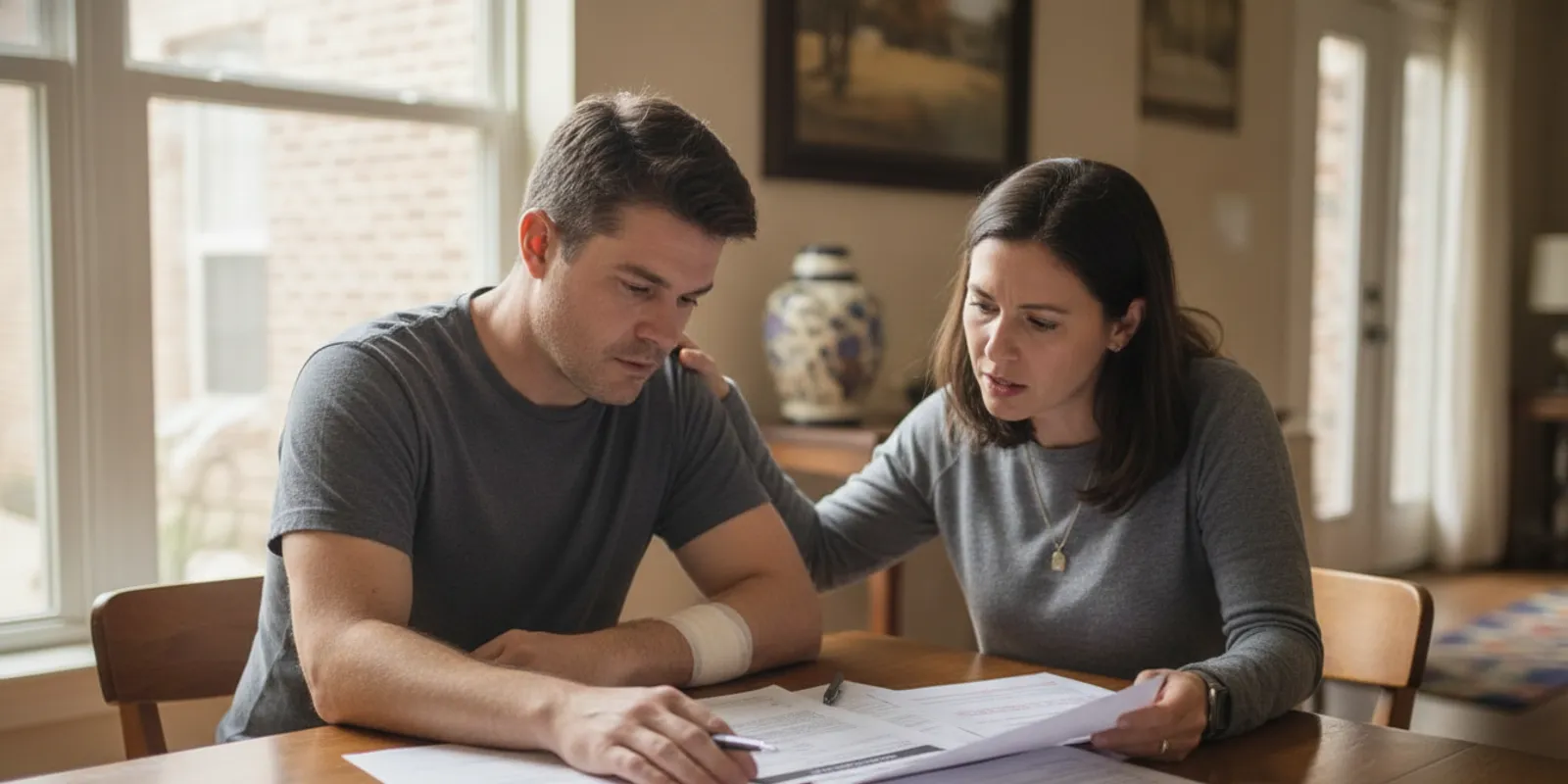
After an injury, people often ask who was responsible and whether that person or business can be held accountable. Legal liability is the legal responsibility for harm, but it is not established by the injury alone. In Texas, a claim usually turns on what duty applied, whether someone failed to meet it, whether that failure caused the injury, and what losses followed.
Call to discuss your situation
What does legal liability mean after an injury?
Liability is a conclusion reached from facts and applicable law. A person may be hurt without another party being legally responsible. Conversely, responsibility can be disputed even when the injury is clear. Investigators and insurers may examine conduct, available warnings, records, witness accounts, and the connection between an event and the harm.
For a negligence claim, the central questions commonly include whether the defendant owed a duty of care, breached that duty, and caused legally recognized damages. The exact rules depend on the type of case. A Cornell Legal Information Institute overview of liability describes the general idea of being legally responsible, but Texas law and the facts of a particular claim govern the outcome.
It helps to keep three ideas separate. Fault describes conduct that may have contributed to an event. Legal liability asks whether the law makes a party responsible for the particular harm. Damages describe the losses a claimant may seek to recover. A careless act may not create liability for an injury if it did not cause that injury; a serious injury alone does not show that another party acted wrongfully.
How do duty, fault, and causation fit together?
Duty concerns what reasonable care the law required in the circumstances. Drivers must use reasonable care on the road. A property owner’s obligations can depend on the visitor’s status and the condition involved. A dog owner’s responsibility depends on the circumstances of the attack and applicable law.
Breach means conduct fell short of the required care. It could involve distraction behind the wheel, leaving a dangerous condition unaddressed when a legal obligation applies, or failing to take reasonable precautions in a situation where they were required. To evaluate a possible breach, it matters what was known or reasonably knowable at the time, what precautions were practical, and what the person actually did.
Causation asks whether the breach was connected to the injury in the legally relevant way. If a driver was careless but that conduct did not cause the collision or the claimed harm, carelessness alone may not establish liability for that harm. Medical records, photographs, timelines, and witness statements can help clarify this connection.
Causation can involve more than a simple before-and-after sequence. Suppose a person reports back pain after a collision. The timing is relevant, but the analysis may also consider the impact, symptoms reported, treatment history, and whether another event could explain the condition. No single fact necessarily decides the issue. The goal is to assess whether the evidence supports the claimed connection under the rules that apply.
Damages are the losses the law may allow an injured person to seek. Depending on proof and the claim, these can include medical expenses, lost income, and the effects of physical pain or limitations. A diagnosis or bill may be evidence, but it does not by itself resolve fault or the value of a claim.
How can liability differ among common Texas injury cases?
The same basic questions apply across many injury claims, but the evidence and legal duties vary. These examples are general illustrations, not conclusions about any specific event.
| Scenario | Questions that may matter | Potentially useful evidence |
|---|---|---|
| Vehicle collision | Did a driver fail to use reasonable care, and did that conduct cause the crash and injury? | Crash report, photographs, witness details, vehicle damage, medical records |
| Slip or fall | What condition caused the fall, who controlled the area, and what did the responsible party know or reasonably have a chance to discover? | Incident report, photographs, inspection or maintenance records, witness accounts |
| Dog bite | What happened before and during the attack, and what facts connect an owner’s conduct or responsibility to the harm? | Photos, medical records, witness information, animal-control or incident records |
For a crash, a driver’s actions and the sequence of impact may be central. Read more about Texas car accident laws and rights after a crash. For a fall, the condition, control of the property, and notice can be important; the steps to take after a slip and fall include preserving information promptly. A dog-bite claim may require a different analysis, as explained in this guide to Texas dog bite laws.
In a vehicle claim, it can help to distinguish how a collision happened from why the resulting injury occurred. A diagram may show a lane position or point of impact, while medical records may document symptoms and treatment. In a premises claim, a photograph can capture the appearance of a spill or uneven surface, but usually cannot establish by itself when the condition began or who knew about it. In an animal attack, witnesses may describe whether the animal was restrained, what warning was given, and how the encounter unfolded. Each detail has a limited purpose; combine records rather than treating one item as conclusive.
Claims can also involve more than one potential responsible party. A driver, vehicle owner, employer, property controller, or another person may become relevant depending on the facts and legal basis. Identifying someone connected to the event does not automatically establish liability. The evidence must support the applicable legal theory, and the role of each person should be evaluated separately.
Can an injured person share responsibility?
Yes. More than one person’s conduct may contribute to an injury. Texas generally applies a modified comparative responsibility framework. A claimant’s percentage of responsibility can reduce recoverable damages, and a claimant who is more than 50 percent responsible generally cannot recover damages under that rule. Applying it requires evidence and a fact-specific assessment; the parties may disagree about how to assign responsibility.
For example, two drivers might dispute who had the right of way, or a property owner might argue that a visitor did not notice an obvious condition. Those arguments do not settle the issue by themselves. The evidence, applicable legal duties, and the full circumstances matter. Avoid assuming that an insurer’s proposed percentage is the final legal determination.
The distinction between being involved in an event and being legally responsible is important here. A person can make a mistake without that mistake causing the particular injury. Likewise, a claimant’s conduct may be relevant without accounting for all the harm. Responsibility is assigned only after looking at the conduct of the parties and how it relates to the event. A timeline can help: note what each person did before the incident, what happened at the moment of injury, and what occurred immediately afterward. Do not fill gaps with guesses; mark uncertain details as uncertain.
Imagine a shopper who sees a wet floor but takes a route around it and then slips on an unrelated loose mat nearby. The wet floor may not explain the fall; the mat, the store’s inspection practices, and what the shopper could reasonably see may be more relevant. Or consider a collision in which one driver was speeding while the other entered an intersection. The speed may matter, but the right-of-way facts and whether each act contributed to the crash also matter. These examples show why responsibility is not accurately assessed by isolating one detail.
What evidence can help explain what happened?
Evidence can disappear or become harder to locate over time. When it is safe and practical, consider these steps:
- Get appropriate medical care and follow the treating provider’s instructions.
- Photograph the scene, visible injuries, property conditions, and relevant damage, if you can do so safely.
- Write down the date, location, sequence of events, and names or contact details of witnesses while your memory is fresh.
- Keep medical paperwork, receipts, repair estimates, work records, and communications about the incident.
- Report the event through appropriate channels and request a copy or confirmation of any report.
- Do not alter original photos or records; preserve copies and note when and how you obtained them.
For a vehicle collision, keep information about vehicles and insurance communications. For a fall, record the condition and where it was located, without returning to a hazardous area. For an animal attack, preserve details about the animal and owner if known, and seek medical care. These steps can support fact-finding, but they do not guarantee a particular result.
Organize what you have in a simple folder, either paper or digital. Keep original files and make a separate working copy if you need to annotate something. A short incident diary can record symptoms, appointments, missed work, and changes in daily activities. Be specific rather than dramatic: note what task became difficult and when. This information can help connect the injury to practical consequences, although it does not independently prove the legal elements of a claim.
Different evidence answers different questions. A photograph may show a condition existed at a certain time, but may not show how long it was present. A report may record statements soon after an event, but may not resolve disputed facts. A witness can describe what they saw, while medical records can document treatment and reported symptoms. Considering evidence together is more useful than treating any single item as conclusive.
Use a simple evidence log so the material stays understandable. For each item, record its date, source, and what it may show. For example, label a photograph with the date and location, and note whether it was taken by you or received from someone else. Keep full message threads rather than isolated screenshots when possible, and do not edit a document to make it easier to read. If you send records to an insurer or another party, keep a copy of what you sent and when.
Take care with conversations and online posts. If you do not remember a detail, say so rather than trying to reconstruct it. Avoid speculation about speed, distance, visibility, or timing. A post or message may omit context, and a hurried statement can be misunderstood. This is not a reason to avoid necessary reporting or medical care; it is a reason to be accurate and keep your own record.
How are damages evaluated?
Damages depend on the injury, its effects, and reliable evidence. Documentation may include treatment records, bills, wage information, and records of limitations in daily activities. A claim can involve past losses and, where supported, future effects. The amount requested is not automatically the amount recoverable; liability, causation, proof, and legal limits all matter.
It can be important to understand the extent of an injury before resolving a claim. At the same time, deadlines and notice requirements may apply, so do not assume that waiting has no consequence. Preserve documents and get advice about how the rules apply to your circumstances.
Economic losses are often documented through bills, wage statements, or receipts. Other effects may be less straightforward to measure, such as continuing discomfort or limits on household tasks, recreation, or sleep. A clear record should distinguish what is known from what is expected. For example, keep a record of missed shifts and any written employer information, but do not estimate future losses without a factual basis. The law governing a particular claim and the evidence available both shape what may be considered.
There can also be questions about whether a particular expense or symptom was caused by the incident. Earlier health conditions, later events, gaps in treatment, or differing medical opinions may be raised. That does not automatically resolve the issue either way. It makes accurate medical history and consistent documentation important. Tell providers what happened and describe symptoms plainly; avoid exaggerating or minimizing them.
When organizing loss records, separate categories. Keep medical bills and explanations of benefits together, retain proof of payment where available, and note any balance or dispute rather than assuming the bill is final. For work losses, record dates missed, reduced hours, and any change in duties. For daily limitations, short dated notes can be more useful than a broad statement months later. These records are not a substitute for medical or legal evaluation; they make the facts easier to review.
It is also useful to distinguish a documented expense from an estimate. A receipt may show what was charged, while a future treatment projection depends on medical evidence and the circumstances. Similarly, a missed shift can be documented with a schedule or wage record, whereas a claim about future earnings needs a sound basis. Keep the underlying source for each figure so that an unexplained total does not become the only record of how it was calculated.
What should you do if liability is disputed?
Disputes are common. An insurer or another party may question whether its policyholder caused the event, whether the event caused a particular injury, or whether the injured person contributed to it. Ask what facts support the position, keep communications, and avoid guessing about details you do not remember. You can review the firm’s information about personal injury practice areas and its service areas to find relevant resources.
When receiving a liability decision or settlement proposal, read the documents carefully and note any response deadlines. Ask for clarification in writing if a statement is unclear. Avoid treating a preliminary position as a court ruling, and do not sign a release before understanding what claims it covers. A release may affect the ability to pursue additional recovery related to the incident. The effect depends on the actual wording and applicable law, so obtain advice when uncertain.
If accounts of the event differ, make a private chronology and separate firsthand observations from what another person told you. Keep copies of letters, emails, claim forms, and photographs. If a requested document is not available, state that rather than reconstructing it. These habits can make it easier to respond accurately and identify which facts remain disputed.
Consider writing down the questions that remain unanswered: which action is disputed, what evidence is missing, whether the dispute concerns fault or medical causation, and what deadline applies to a response. This turns a broad disagreement into specific issues you can check. For example, if a report says a witness observed the event, but you do not have the witness’s contact information, record that gap instead of assuming what the witness will say.
A claim file can contain statements from several sources that do not match. Preserve each version with its date and author, and avoid rewriting an earlier note to make it fit a later account. If you discover a mistake in your own note, add a dated correction and explain why. A transparent record is more useful than one that appears artificially certain.
Deadlines deserve attention even while facts are still being gathered. Different claims may involve different filing periods, notice rules, or policy requirements. Do not rely on a general article to calculate a deadline for a specific event. Keep any letters that identify dates or required responses and seek legal guidance promptly if a deadline may be approaching.
Request a consultation to discuss your injury
Frequently Asked Questions
Does an injury automatically prove legal liability?
No. An injury shows that harm occurred, but a claim also requires evidence of the relevant legal responsibility, causation, and damages. The particular requirements depend on the type of incident.
Can several people be liable for one injury?
Potentially. More than one person’s conduct can contribute to an event. The evidence and applicable rules determine how responsibility is evaluated and whether it affects recovery.
What if I was partly at fault?
Partial responsibility does not always prevent recovery in Texas. Under the modified comparative responsibility rule, a claimant’s share may reduce damages, and a claimant more than 50 percent responsible generally cannot recover. The facts and allocation of responsibility matter.
Do I need a police or incident report to make a claim?
A report can be useful, but its absence does not by itself answer whether liability exists. Other evidence, such as photographs, witnesses, medical records, and maintenance information, may help explain what happened.
When should I get legal advice?
Consider seeking advice when the injury is significant, responsibility is disputed, multiple parties may be involved, or an insurer asks you to make decisions about a claim. Deadlines can apply, and a lawyer can assess the specific facts and rules.
Liability is determined by applying the law to evidence, not by assumptions about who seems blameworthy. Careful documentation and timely attention to medical and legal issues can help you understand your options after an injury.
More on the blog
Keep reading.
13 min read
What Should You Do After a FedEx Truck Accident in Texas?
Learn what to do after a FedEx truck accident in Texas, from urgent medical care and evidence to insurance calls and potential legal claims.
By Cap City Injury Attorneys
14 min read
Negligent Security Lawsuit in Texas: What Evidence and Deadlines Matter?
Learn how a negligent security lawsuit may move forward in Texas, from early evidence preservation and notice to insurance discussions, deadlines, and trial.
By Cap City Injury Attorneys
Let's talk about your case.
Free case review, no obligation. We'll tell you straight whether we can help.