
By Cap City Injury Attorneys15 min read
Delivery Truck Accident Lawyer: Who May Be Liable for a Crash?
Learn who may be responsible after a Texas delivery truck crash, what evidence matters, how insurance can differ, and what steps to take next.
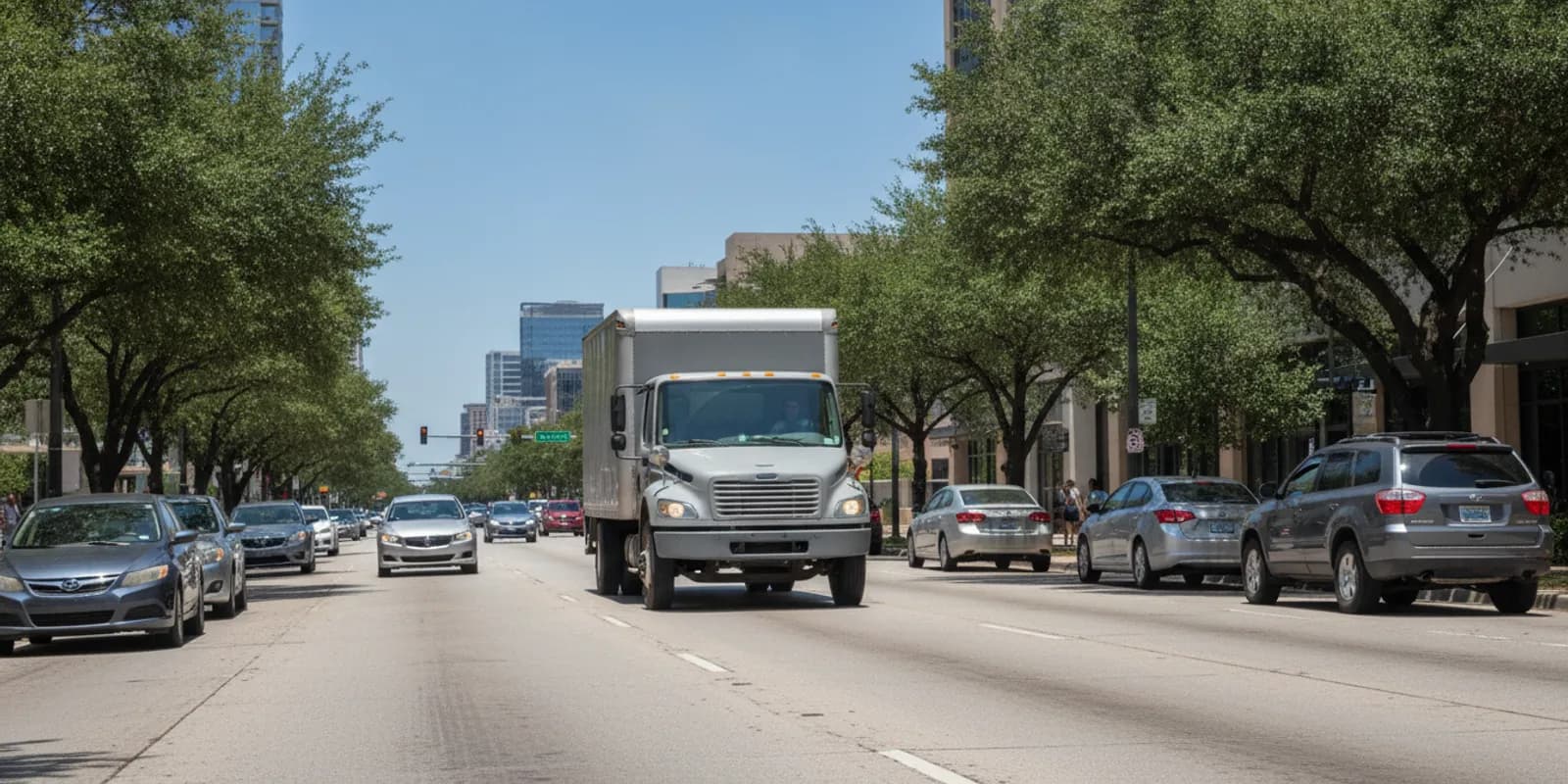
A delivery truck crash can involve more than the driver behind the wheel. A delivery truck accident lawyer may investigate the driver’s work relationship, the company’s role in assigning and supervising deliveries, vehicle maintenance, and the insurance policies that may apply. The details matter: a company logo or package alone does not establish who is legally responsible. This guide explains what to look at after a delivery vehicle collision in Texas and what information can help clarify a possible claim.
Contact Cap City Injury Attorneys to discuss your situation
Who may be responsible after a delivery truck crash?
Liability depends on the facts, not simply on who owns the truck or whose name appears on a uniform. A driver may be responsible for careless driving. A delivery company, fleet operator, staffing agency, vehicle owner, maintenance provider, or another business may also have responsibility if its own conduct contributed to the collision or if the law makes it responsible for a worker’s conduct.
In Texas, a claim may involve more than one potentially responsible party. For example, a driver may have failed to yield while the employer may have assigned an unsafe schedule or failed to address a known vehicle defect. Whether those facts support a legal claim requires investigation. The parties may disagree about what happened, the driver’s job status, or which insurance policy applies.
That is why early assumptions can be misleading. The truck might be owned by one entity, branded for another, and operated by a driver working through a separate contractor. Each relationship can raise different questions. A delivery truck accident lawyer can help identify the relevant businesses and preserve evidence before records are lost or overwritten.
How can a delivery company's relationship with the driver affect liability?
When a driver is an employee acting within the scope of their work, the employer may be legally responsible for certain actions under principles such as respondeat superior. The scope-of-work question can turn on what the driver was doing, when the crash occurred, and whether the driver was performing an assigned delivery or another work-related task. A company may dispute that the driver was on duty or acting for it at the time.
Some delivery networks use independent contractors, subcontractors, staffing companies, or other arrangements. The label used in an agreement is relevant, but it does not necessarily settle every legal question. The actual working relationship and the company’s role may matter. Relevant details can include who assigned routes, set delivery expectations, supplied or controlled the vehicle, monitored performance, handled training, or had authority over the work.
Consider a driver who is making scheduled stops in a vehicle supplied by a logistics company. That may prompt questions about both the driver’s conduct and the company’s involvement. In a different case, a driver may use a personally owned vehicle while completing deliveries through an app or contractor. The insurance and responsibility analysis may differ, and the available facts should be examined before drawing conclusions.
Useful records may include the driver’s employment or contractor documents, delivery manifests, dispatch messages, route assignments, app records, timekeeping data, and agreements between companies. These documents can help show who directed the work and what the driver was doing when the crash occurred. A person injured in the collision may not be able to obtain internal business records directly, but should preserve what they can and note which entities appear on the vehicle or paperwork.
Can a company be liable for its own actions?
Separate from responsibility for a driver’s conduct, a business may face a claim based on its own acts or omissions if the evidence supports it. Potential issues can include hiring or retaining an unqualified driver, inadequate training, unsafe delivery practices, negligent vehicle inspection, or failure to respond to a known maintenance problem. These are not automatic claims. A connection between the company’s conduct and the crash must be supported by evidence.
For instance, a delivery vehicle with worn tires may raise questions about inspection records, repair requests, and who was responsible for taking the vehicle out of service. A driver’s repeated safety complaints could make notice relevant if the company received them and failed to respond. By contrast, the mere fact that a company owns a truck involved in a crash does not, by itself, prove negligent maintenance.
Several businesses can have overlapping responsibilities. A fleet owner might lease a vehicle to a delivery operator, while a repair shop recently serviced it. Investigators may need to identify who controlled maintenance, who approved repairs, and whether a defect actually contributed to the collision. The entities involved may each point to another party, so documentation and a clear timeline are important.
What driver conduct and vehicle conditions should be investigated?
The basic collision evidence can help establish how the crash happened. Investigators may review the police report, photos, witness accounts, vehicle damage, roadway conditions, and available video. The driver’s actions before impact also matter. Depending on the circumstances, questions can include speed, following distance, lane changes, right-of-way, distraction, fatigue, and whether the driver was making a turn or backing into traffic.
Delivery work can involve frequent stops, unfamiliar addresses, tight schedules, and loading or unloading near traffic. Those circumstances do not excuse unsafe driving, but they can help explain what to investigate. A delivery schedule, dispatch communication, navigation history, or electronic data may help establish the route and timing. Such records are often controlled by a company or service provider, so prompt preservation requests may be important.
Vehicle condition is another line of inquiry. Depending on the type of truck and the circumstances, relevant items may include tires, brakes, lights, mirrors, steering components, loading equipment, and cargo securement. A mechanical problem is not established merely because a truck had a defect after a crash; the issue is whether a condition existed beforehand and contributed to the event. Maintenance logs, inspection records, repair invoices, and photographs can help answer that question.
Commercial motor carrier rules may apply to some vehicles and operations, but not every delivery van or route is governed by the same requirements. The vehicle’s size, use, operating area, and carrier status can affect which rules are relevant. The Federal Motor Carrier Safety Administration provides information about federal motor carrier safety regulation. A case-specific review is needed to determine which requirements, if any, apply to a particular delivery vehicle.
How can insurance coverage differ in a delivery crash?
Insurance may be more complicated than a single policy covering the driver’s personal vehicle. Depending on the work arrangement, there could be a commercial auto policy, a fleet policy, coverage maintained by a contractor or staffing company, or personal auto insurance. A policy may also contain terms about business use, covered drivers, vehicle ownership, or when a delivery is in progress.
Different stages of a delivery may matter to coverage. A driver might be waiting for an assignment, traveling to pick up an item, completing a delivery, or driving for personal reasons. Policies and applicable law determine how those circumstances affect coverage. Do not assume a company’s policy applies simply because a driver was carrying a package, and do not assume personal insurance is the only possible coverage.
| Question to investigate | Why it matters | Records that may help |
|---|---|---|
| Who employed or engaged the driver? | The relationship can affect responsibility for work-related conduct and identify potential insurers. | Work agreements, payroll or contractor records, dispatch and route assignments. |
| Was the driver completing a delivery? | The driver's work status and activity at the time can affect which parties and policies are involved. | App or dispatch logs, delivery timestamps, manifests, navigation records. |
| Who owned, leased, or maintained the truck? | Ownership and maintenance responsibilities may point to additional evidence or claims. | Registration, lease documents, inspection logs, repair invoices. |
| Which policy may cover the vehicle and driver? | Coverage depends on policy language, the vehicle, the driver, and the activity taking place. | Policy declarations, insurance notices, vehicle and work records. |
This comparison is a starting point, not a conclusion about coverage or fault. Insurance adjusters may ask for a recorded statement or request documents. Before agreeing to a settlement or signing a release, make sure you understand what claims and parties it covers. A release can affect the ability to pursue additional recovery later, even if more information emerges.
If you want background on the types of matters the firm handles, see its personal injury practice areas. People hurt in crashes around the region can also review the firm's Central Texas service area information.
How can fault be shared between multiple people or companies?
A crash does not always have one clear cause or one responsible party. The driver of the delivery vehicle, another motorist, a business responsible for a route or vehicle, or more than one of them may have contributed. A careful review distinguishes the event itself from assumptions about blame. For example, a sudden lane change may be important, but investigators may also need to know whether a mechanical issue, obstructed view, or unsafe loading affected what happened.
Texas uses proportionate-responsibility rules in many injury claims. In general, a factfinder may assign responsibility among parties based on the evidence, and a claimant's own share of responsibility can affect recovery. The specific rules and outcome depend on the claim and facts. This is another reason to preserve objective evidence rather than rely only on an early account from one driver or insurer.
Evidence can conflict. A police report may record statements made at the scene, while photographs, witness accounts, video, or vehicle data may show additional details. A report is useful, but it may not answer every question about a company's role or establish all facts needed to resolve liability. If accounts differ, note what you personally observed and avoid presenting guesses as certainty.
What evidence should you preserve after a delivery truck crash?
Start with information you can gather safely and lawfully. Write down the date, time, location, weather, direction of travel, and what you remember about the events before and after impact. Photograph the vehicles, visible damage, license plates, road layout, traffic controls, and any visible company or contractor markings. Do not put yourself in danger to collect evidence.
Ask witnesses for their names and contact information. Keep copies of the crash report and any documents given to you at the scene. If you receive a delivery receipt, business card, vehicle information, or insurance details, save it. Preserve relevant messages and photos on your phone. Avoid editing or deleting original files; backups can help protect them.
Medical records can document evaluation and treatment after an injury. Seek appropriate medical attention and follow the recommendations of your healthcare provider. Keep a simple record of symptoms, appointments, missed work, and expenses. This is not a substitute for medical advice, and a person should not delay needed care while trying to gather paperwork.
For a clearer record of how an injury affects daily life, keep a simple, dated log. Note symptoms, changes to regular activities, appointments, and when help from another person is needed. Save receipts for medication, transportation to treatment, medical equipment, and other related expenses. If the injury affects work, keep schedules, pay records, and communications about missed time or modified duties. These materials do not determine the value of a claim on their own, but they can help explain the practical effects of an injury over time.
Some evidence may be held by a business or vehicle system. Examples include dash-camera footage, nearby surveillance video, telematics, GPS history, dispatch logs, driver schedules, inspection records, and electronic vehicle data. These materials may be overwritten or routinely deleted. A lawyer may send a preservation request identifying relevant information, but a request does not guarantee that records exist or that a company will agree with every demand.
Keep communications factual. You can provide basic identifying and insurance information, but avoid guessing about the cause or minimizing injuries before you know their extent. Do not post detailed commentary about the crash on social media. If an insurer contacts you, record the name of the representative, company, date, and what was requested. For more information about Texas rules affecting injury claims, read the firm's guide to Texas car accident laws and rights after a crash.
What steps should you take in the days after the collision?
- Address immediate safety and health needs. Call emergency services when needed, move out of danger if possible, and seek medical evaluation for injuries. Follow medical instructions and keep appointment records.
- Document the scene and identify the parties. Note the truck's plate, company name, contact details, and any contractor or carrier information. Photograph what is safe to capture and gather witness contacts.
- Report the crash through appropriate channels. Follow instructions from law enforcement and your insurer. Keep copies of reports and claim numbers, and be accurate when describing what you know.
- Save evidence and paperwork. Keep repair estimates, medical bills, correspondence, work records, and photographs. Make a note of possible video or electronic records that another party may control.
- Be careful with releases and settlement discussions. Do not sign documents you do not understand. A quick payment may not account for all injuries, expenses, or potentially responsible parties.
- Get advice about deadlines and responsibility. Texas deadlines can affect a claim, and specific facts can change how a deadline applies. Do not wait until evidence is lost or a filing deadline is close to ask questions.
There may be several routes to explore after a delivery vehicle collision, and a claim can require a different investigation from an ordinary two-car crash. Cap City Injury Attorneys also provides information for people looking into a Texas truck accident claim and a broader guide to hiring a truck accident lawyer. These resources do not determine who is responsible in an individual case.
What should you ask a delivery truck accident lawyer?
A useful first conversation can focus on what is known, what remains uncertain, and what should be preserved. Consider asking:
- Which companies, drivers, or insurers should be identified based on the information available?
- What evidence may be at risk of being erased or changed, and how can it be preserved?
- Could the driver's work arrangement affect liability or insurance coverage?
- What information is needed to evaluate the injuries, expenses, and potential losses?
- What deadlines may apply, and what next steps should be taken?
- How will updates, documents, and questions be handled during the matter?
Bring the crash report if you have it, photos, insurance information, medical paperwork, and any contact or delivery details connected to the truck. You do not need to have every answer before asking for guidance. Be candid about facts that may be disputed, including uncertainty about speed, timing, or what you observed.
Contact Cap City Injury Attorneys to discuss the next steps
Frequently Asked Questions
Is the delivery company automatically responsible if its truck hits me?
No. A company logo or vehicle ownership alone does not prove legal responsibility. The driver’s conduct, work status, company involvement, vehicle condition, and available evidence all may matter. A company may be responsible for a worker’s conduct in some circumstances or for its own negligence, but the facts must support that conclusion.
Can I bring a claim if the delivery driver was an independent contractor?
Possibly, but the contract label does not necessarily answer every question. The actual relationship, each company's role, the driver's activity, and the evidence can affect whether another party may be responsible. An independent contractor arrangement can also influence which insurance policies need to be reviewed.
What if the delivery truck was owned by a different company?
Ownership can identify another party to investigate, especially when maintenance or leasing is at issue. It does not by itself establish fault. Records may show who controlled the vehicle, who was responsible for inspections and repairs, and whether a vehicle condition contributed to the crash.
Does a delivery driver’s insurance always cover the crash?
No. Coverage depends on policy terms and facts such as the vehicle, driver, work arrangement, and whether a delivery was underway. A commercial, contractor, fleet, or personal policy may need to be examined. Do not rely only on a company name or a driver's initial description of the coverage.
How long do I have to take action after a Texas delivery truck crash?
Deadlines depend on the claim and circumstances, so do not assume that waiting is safe. Texas law sets time limits for many personal injury claims, and exceptions or additional requirements may apply in particular cases. Promptly get case-specific legal guidance to identify the deadlines that matter.
Every delivery truck crash is fact-specific. Preserve the information available to you, prioritize medical care, and seek guidance promptly if you have questions about responsibility, insurance, or evidence.
More on the blog
Keep reading.
11 min read
Rideshare Accident Lawyers: Two-App Crashes
Rideshare accident lawyers explain an Uber and Lyft crash in Austin: each driver's app status can point to a different Texas policy.
By Cap City Injury Attorneys
14 min read
How Many Motorcycle Accidents Per Year in Austin and Texas?
Learn why motorcycle crash totals vary, how to find a reliable Texas or Austin count, and what annual statistics can tell you after a collision.
By Cap City Injury Attorneys
Let's talk about your case.
Free case review, no obligation. We'll tell you straight whether we can help.