
By Cap City Injury Attorneys12 min read
Animal Attack Lawyer in Austin: How to Choose One
Looking for an animal attack lawyer in Austin? Learn what to document, how Texas liability may work, and what to ask before choosing legal help.
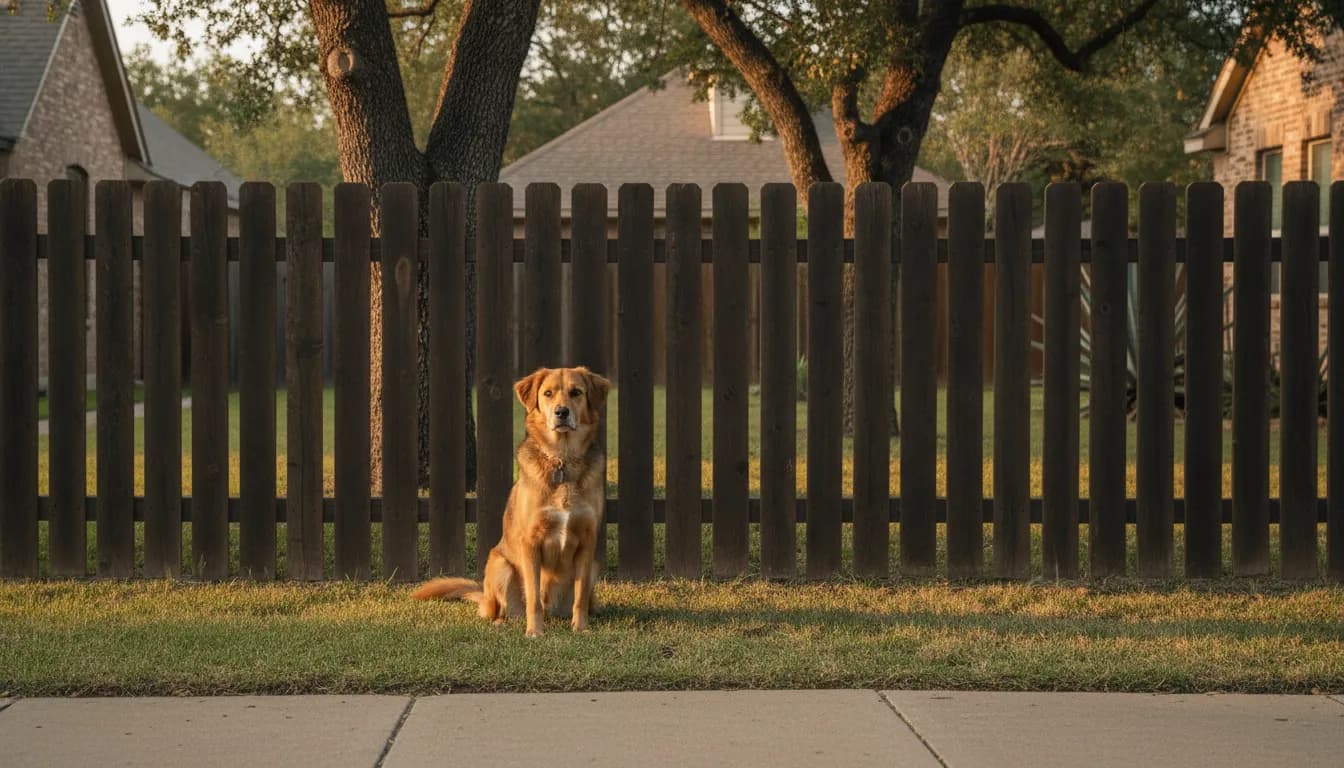
If you are comparing an animal attack lawyer after a dog bite, mauling, scratch, or other animal-related injury in Austin, you need more than a confident answer on a website. You need to understand what the lawyer will investigate, which Texas liability theory may fit the facts, what records could support your account, and how the claim may be handled. This guide explains the questions that can help you evaluate legal options without assuming that every animal attack case follows the same rules.
Discuss your situation and legal options
What Does an Animal Attack Lawyer Do After an Injury?
An animal attack lawyer reviews the event, the animal's history, the conduct of the owner or handler, the location, and the medical consequences. The goal is not to label an incident before the facts are known. It is to identify what can be proved and which people or insurance policies may be involved.
That investigation may include photographs, medical records, witness accounts, animal-control reports, property records, messages, video, and insurance information. A lawyer may also look for evidence that the owner knew the animal was dangerous, failed to restrain it, or ignored a safety problem on property. When a claim involves an apartment complex, business, daycare, delivery worker, or other organization, the analysis can involve both animal-related facts and premises-liability duties.
A careful attorney should also explain what is not yet known. For example, an animal's breed or a visible injury may be important context, but neither fact alone decides liability. The timing of symptoms, the location of the attack, the owner's knowledge, local rules, and the available evidence all matter.
Which Facts Can Affect an Austin Animal Attack Claim?
What did the owner or handler know?
Texas animal-injury law can turn on what an owner or possessor knew, or had reason to know, about an animal's dangerous propensities. The Texas Supreme Court's decision in Marshall v. Ranne, 511 S.W.2d 255 (Tex. 1974), is commonly discussed in connection with strict liability for harm caused by a domestic animal with abnormal dangerous propensities known to its possessor. A prior bite is one possible form of notice, but it is not the only fact an attorney may investigate. Prior lunging, snapping, chasing, escape attempts, complaints, warnings, or restrictions can also raise questions about what the owner knew.
That does not mean that any prior complaint automatically proves a case. The details, reliability, timing, and connection to the incident have to be evaluated. A lawyer should be able to tell you what evidence would help establish notice and what gaps still need investigation.
Was the animal safely restrained or handled?
Negligence may be relevant even when the animal has no documented prior bite. An owner or handler may have failed to use reasonable care by leaving an animal unsecured, allowing it to run loose, ignoring a known escape route, or exposing visitors to a risk that could have been addressed. Local leash and animal-control rules may provide important evidence, but the exact rule depends on where the incident occurred.
For dog attacks, Texas Health and Safety Code Chapter 822 includes a framework for dangerous-dog determinations and owner responsibilities. The Texas statute on dangerous dogs includes definitions, reporting and determination procedures, restraint requirements, and other provisions. It is not a substitute for reviewing the facts of a civil claim, and rules for a dog do not automatically resolve an incident involving another type of animal.
Where did the attack happen?
The location can change the questions an attorney asks. An attack on a public sidewalk may raise different issues from an attack in a private yard, apartment common area, retail store, workplace, park, or rideshare vehicle. If a property owner or manager knew about an animal and had the ability to address the risk, those facts may matter. The existence of a landlord, business, or property manager does not by itself establish responsibility.
For an incident involving a dangerous condition on property, you may also want to review Cap City's information about premises liability and property-related injuries. The legal theory depends on the facts, so treat a general page as background rather than a conclusion about your claim.
What Should You Do After an Animal Attack in Austin?
Your health and safety come first. Do not approach, chase, restrain, or photograph an animal that still presents a danger. If you need emergency help, call 911. Seek medical care promptly, even if a wound appears small. A clinician can evaluate punctures, infection risk, nerve or tendon damage, scarring, and the need for further care. Tell the provider how the injury occurred and follow the provider's instructions.
- Move to a safe place. Separate yourself from the animal without escalating the situation. Ask someone nearby to call emergency services if you are unable to do so.
- Report the incident. Austin Animal Services says that animal bites must be reported to Animal Protection and provides an animal-bite reporting page. The agency's instructions can change, so use the current official guidance and ask about the process for your specific incident.
- Identify the animal and owner only if it is safe. Record the owner's name and contact information, the animal's description, and any available vaccination or quarantine information. Do not trespass or confront someone who is acting aggressively.
- Photograph the scene and injuries. Take photographs of visible wounds, torn clothing, gates, fences, warning signs, lighting, and the area where the incident occurred. Preserve original files and note when and where each photograph was taken.
- Gather witness information. Save names, phone numbers, and email addresses for people who saw the event or its immediate aftermath. Ask witnesses to describe what they personally observed, rather than suggesting what they should say.
- Keep a treatment and loss record. Save discharge papers, appointment summaries, prescriptions, bills, work records, and notes about changes to ordinary activities. Keep estimates marked as estimates and do not alter official records.
- Preserve communications. Keep texts, emails, letters, social-media messages, and insurance communications in their original form. Do not provide a recorded statement or sign a release you do not understand before getting advice about it.
Do not delay urgent medical care while gathering evidence. Do not try to obtain proof by entering private property, handling an animal, or arguing with an owner. A lawyer can discuss lawful ways to request records and preserve evidence after the immediate danger has passed.
How Can Liability Differ Between Animal Attack Cases?
There is no single checklist that decides every animal attack claim. The following comparison shows the kinds of questions an attorney may ask during an initial review:
| Situation | Questions to investigate | Useful records may include |
|---|---|---|
| Dog bite or dog attack | Did the owner know of prior aggressive behavior? Was the dog restrained? Did an animal-control report follow? | Animal-control file, photographs, witness details, medical records, owner communications |
| Attack in an apartment or rental property | Did the property manager know about the animal or earlier complaints? Did the manager have authority to address the risk? | Leases, complaint records, emails, maintenance requests, security video, incident reports |
| Attack at a business or public facility | Who controlled the animal and the location? Were warnings, barriers, or supervision reasonably addressed? | Business records, photographs, surveillance footage, employee and witness statements |
| Livestock, exotic, or wild-animal incident | What rules apply to the species and location? Was the animal owned, possessed, confined, or encountered in the wild? | Property records, fencing evidence, agency reports, photographs, expert or veterinary information |
The table is a starting point, not a prediction. Animal ownership, custody, control, notice, causation, comparative responsibility, and available insurance can all require separate analysis. An attorney should explain which theories fit the facts rather than forcing every incident into a dog-bite template.
What Evidence Should You Take to an Animal Attack Lawyer?
Bring what you already have, organized in a way that makes the timeline easy to understand. You do not need to investigate the animal yourself or prove the entire claim before an initial consultation. A short chronology can be especially helpful:
- The date, time, and exact location of the incident.
- What happened immediately before, during, and after the attack.
- The animal's appearance, behavior, restraint, and the identity of its owner or handler, if known.
- The names and contact details of witnesses and any agency or property representative who responded.
- Photos, videos, damaged clothing, medical records, and information about follow-up treatment.
- Lost-work information, out-of-pocket costs, and changes to daily activities.
- Every contact with the owner, property manager, animal-control agency, employer, or insurer.
Keep copies for yourself. If a file is stored on a phone, back it up without editing the original. If you are unsure whether a record matters, preserve it and ask about it rather than deleting it. Do not post a detailed account, speculate about fault, or share private medical information publicly while the facts are being reviewed.
What Compensation May Be Part of an Animal Injury Claim?
Depending on the facts and proof, an injury claim may involve medical expenses, future treatment, lost income, reduced ability to work, physical pain, disfigurement, emotional effects, and other losses recognized by law. A lawyer cannot responsibly assign a value from a short description or promise a particular outcome. The nature of the injury, the medical outlook, available insurance, liability evidence, and the effect on daily life all matter.
Scarring, nerve damage, infection, reconstructive treatment, and trauma may require a longer medical timeline than the first emergency visit suggests. Children can have special medical and legal considerations when an injury affects the face, growth, schooling, or future care. These issues should be evaluated with appropriate medical information and legal guidance, not guessed from an online settlement number.
Texas also has deadlines that can limit a lawsuit. Texas Civil Practice and Remedies Code Section 16.003 generally addresses a two-year limitations period for personal-injury claims, but exceptions and fact-specific issues can affect how a deadline is calculated. Review the Texas limitations statute and speak with a lawyer promptly rather than relying on a general deadline statement.
What Should You Ask Before Choosing an Animal Attack Lawyer?
An initial consultation should help you understand the process, not pressure you to make a decision you are not ready to make. Consider asking:
- What facts would you investigate first? Listen for a concrete plan involving medical records, witnesses, agency reports, video, property records, and insurance rather than a guaranteed result.
- Which legal theories could apply? Ask how the attorney would analyze owner knowledge, negligence, local rules, premises issues, and any other responsible party.
- Who will handle my case? Clarify who will be your regular contact, who will make important decisions, and how the legal team will communicate updates.
- What records should I preserve now? The answer should be practical and lawful. It should not ask you to confront an owner, trespass, or interact with a dangerous animal.
- How are fees and expenses handled? Request a written fee agreement and ask about the percentage, case expenses, and what happens if there is no recovery. Do not sign what you do not understand.
- What are the possible next steps? A responsible answer should distinguish investigation, an insurance claim, negotiation, and litigation, while acknowledging uncertainty.
If you are looking for Austin-specific context, Cap City's Austin injury page provides additional information about the firm's local service area. You can also review the firm's dog-bites and animal-attacks practice page for a more focused discussion of Texas dog-attack issues.
Ask questions about your legal options
Frequently Asked Questions
Do I need an animal attack lawyer for every bite or scratch?
Not necessarily. Some minor incidents may be resolved without a lawsuit, while an attorney review can be especially useful when injuries are serious, liability is disputed, a child was hurt, an insurer requests a release, or the incident involves a property owner or business. An initial review can help you understand the choices without assuming that litigation is required.
Can I recover if the animal never attacked anyone before?
Possibly. A prior attack is not the only fact that may matter. Negligent handling, failure to restrain, property conditions, local rules, and other evidence can be relevant. Whether a claim is viable depends on the specific animal, location, conduct, injury, and proof available.
Should I speak with the animal owner's insurance company?
Notify the appropriate parties as required, but be careful with recorded statements, broad authorizations, and settlement documents. Keep communications, do not guess about facts, and ask a lawyer to explain a document you do not understand before signing it. The best next step depends on the circumstances and the insurance request.
What if the attack happened at an apartment complex or business?
The property owner or business is not automatically responsible. A review may consider what the organization knew, whether it had control over the animal or area, what safety steps were available, and whether its conduct contributed to the injury. Preserve complaints, messages, photographs, and the names of employees or property representatives who responded.
How quickly should I talk with a lawyer?
Promptly is best when an injury is serious, evidence may disappear, an animal-control report is needed, or an insurer is contacting you. Early guidance can help preserve records and avoid preventable mistakes. Do not wait until a general limitations period is nearly over to learn whether a fact-specific deadline applies.
More on the blog
Keep reading.
14 min read
How to Report an Uber Accident in Texas and Preserve Your Claim
Learn how to report an Uber accident in Texas, document injuries, preserve trip details, and communicate carefully with insurers after a crash.
By Cap City Injury Attorneys
13 min read
What Should You Do After a FedEx Truck Accident in Texas?
Learn what to do after a FedEx truck accident in Texas, from urgent medical care and evidence to insurance calls and potential legal claims.
By Cap City Injury Attorneys
Let's talk about your case.
Free case review, no obligation. We'll tell you straight whether we can help.