
Areas served
Odessa Personal Injury Lawyer
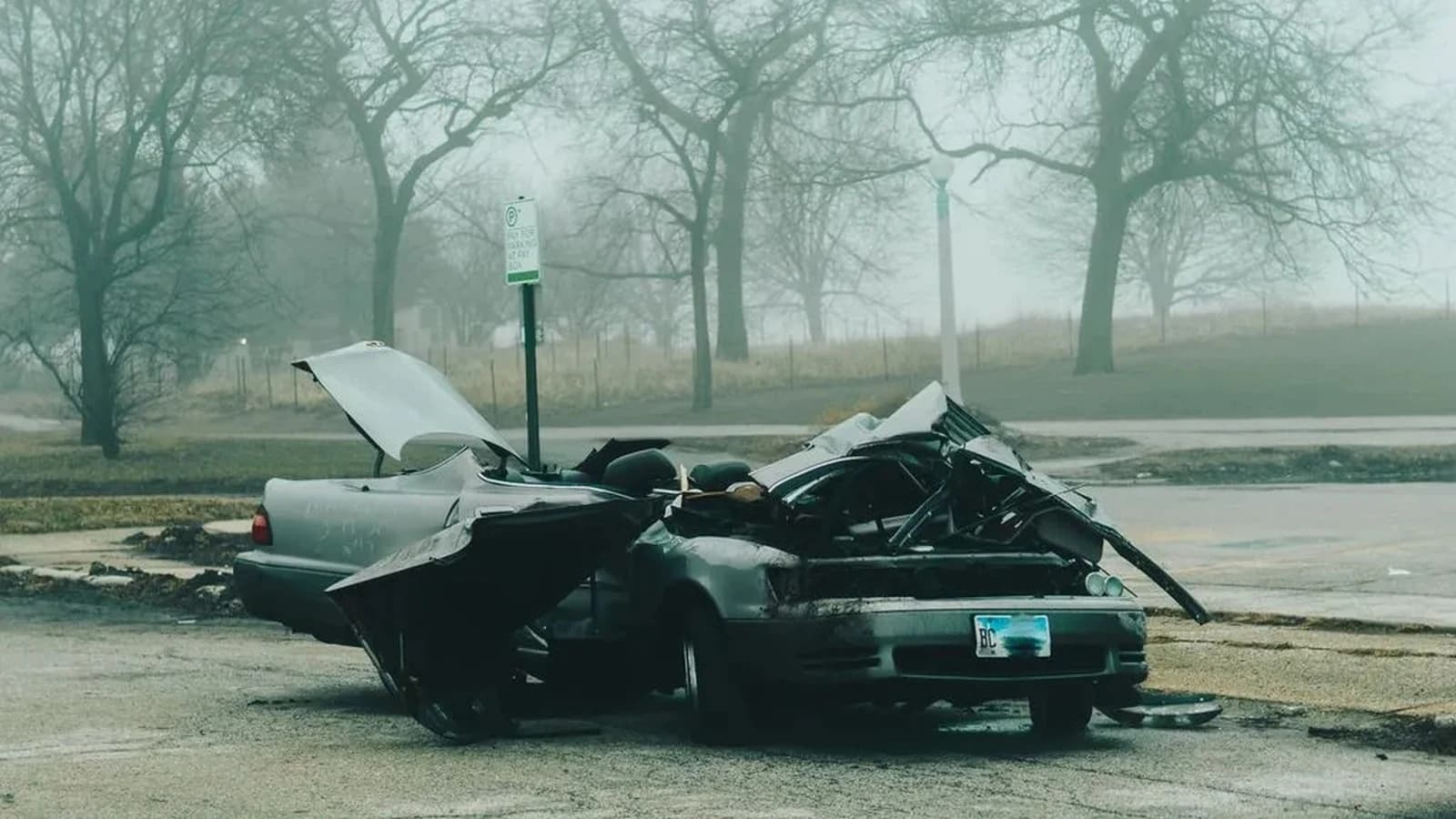
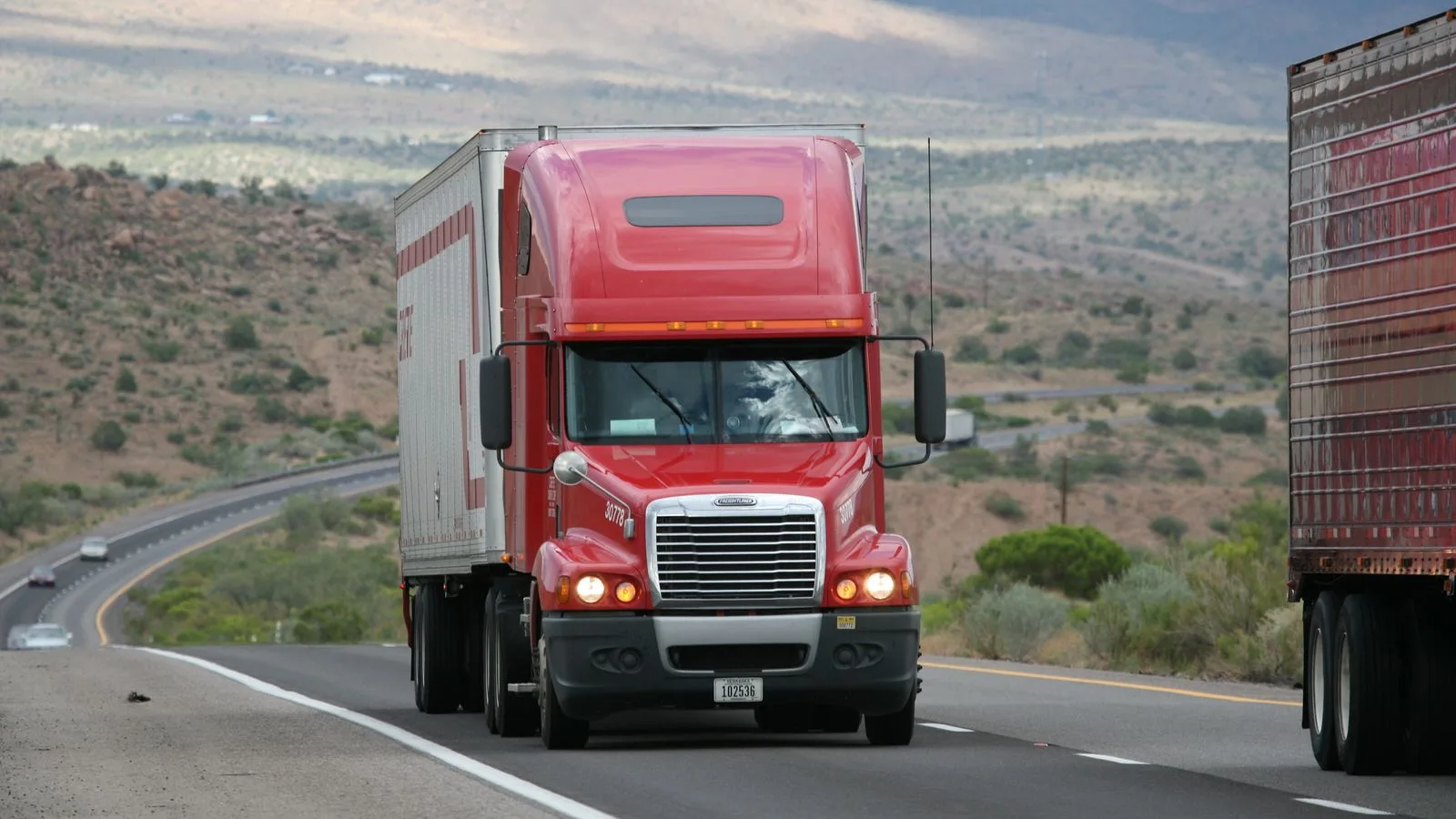
Odessa is the blue-collar working core of the Permian Basin and the county seat of Ector County, and serious-injury filings here are some of the most truck-heavy in Texas. Cases above the JP-court limit are filed in Ector County district court and apply the same Tex. Civ. Prac. & Rem. Code § 16.003 two-year limitations period and 51%-bar comparative-fault doctrine that governs the rest of the state. What differentiates Odessa is the sheer density of commercial freight: the I-20 corridor through Ector County is one of the heaviest oilfield-truck-trafficked stretches in the country, and most of the cases we open here are governed as much by 49 C.F.R. Parts 350-399 — the Federal Motor Carrier Safety Regulations — as by ordinary Texas tort law.
Odessa roads and the corridors that drive serious injuries
I-20 across Ector County is the freight artery: the eastbound and westbound mainlanes carry an unrelenting mix of frac sand pneumatics, crude tankers, water haulers, and long-haul tractor-trailers running between the Permian and refining markets. SH-191 from Odessa northeast to Midland is the second high-volume corridor, lined with energy-industry offices and service yards, and it is one of the most rear-ended stretches in the basin during shift-change hours. Loop 338 around Odessa carries through-truck traffic that does not want to slow on I-20 and produces a steady stream of merge-and-sideswipe collisions where Loop 338 meets University, 42nd, and Andrews Highway. Inside town, JBS Parkway, Grandview Avenue, and the Andrews Highway / SH-385 corridor handle most of the serious passenger-vehicle intake.
Ector County district court and the local litigation climate
Odessa injury cases above the JP-court threshold are filed in Ector County district court: the 70th, 161st, 244th, 358th, and 446th. Venue under Tex. Civ. Prac. & Rem. Code § 15.002 is proper where a substantial part of the events occurred or where the defendant resides; for a crash inside Odessa city limits with an Ector County defendant, that points squarely at Ector County. Where the defendant is a motor carrier headquartered elsewhere — Houston, Dallas, or out of state — alternative venues open up. Ector County juries are well-acquainted with oilfield trucking culture and the realities of basin life, and that familiarity cuts in different directions depending on the case. We run the venue analysis at intake.
Medical Center Hospital and the trauma routing pattern
Medical Center Hospital in Odessa is the area's Level III trauma center and the primary destination for serious crash arrivals from the I-20 corridor. Odessa Regional Medical Center handles a substantial share of moderate-acuity ER traffic. For catastrophic injuries — severe TBI, multi-system trauma, complex pelvic and spinal fractures — patients are routinely air-ambulanced to University Medical Center in Lubbock (Level I) or south to San Antonio. The medical chronology in an Odessa file often crosses two or three facilities and a helicopter transport bill, and each handoff is a place where the ER record under-captures the injury and a downstream specialist picks it up. Building the chronology so it tells one coherent story is the work.
Heavy commercial truck cases under the federal motor carrier rules
The trucks involved in Odessa crashes are almost always commercial motor vehicles subject to the Federal Motor Carrier Safety Regulations. That means the case is fought on documents the driver alone does not control: hours-of-service logs (49 C.F.R. Part 395), the driver qualification file (Part 391), the carrier's drug and alcohol testing records (Part 382), pre-trip inspection records (Part 396), and electronic control module data from the tractor itself. A spoliation letter has to go out within days, before the carrier's retention windows cycle the data out. Texas allows direct claims against the motor carrier — negligent hiring, training, supervision, retention, entrustment — that survive even when the carrier admits respondeat superior, when the gross-negligence threshold is met under Tex. Civ. Prac. & Rem. Code § 41.003.
Odessa practice areas
How we help Odessa injury victims.



Frequently asked
Questions Texas accident victims ask us
- Inside Odessa city limits and across most of Ector County, serious-injury cases are filed in Ector County district court, generally one of the civil district courts that hear personal injury matters. The specific court is assigned by random docket draw at filing. Commercial-defendant cases — a trucking company headquartered elsewhere, a national rideshare entity — can open alternative venues under Tex. Civ. Prac. & Rem. Code § 15.002. We evaluate venue early because the difference between an Ector County jury, a Midland County jury, and a Harris County jury is real and quantifiable.
- Medical Center Hospital in Odessa is the Level III trauma center and the primary destination for serious-injury arrivals in the area. Odessa Regional Medical Center handles a substantial share of moderate-acuity emergency intake. For catastrophic injuries, patients are routinely air-flighted to University Medical Center in Lubbock (the regional Level I) or south to San Antonio. We work with records from each of these systems and know how their ER discharge templates read, and what is typically missing.
- On a commercial truck case, evidence preservation runs on federal motor carrier rules, not state-law guesswork. We send a spoliation letter within days covering the tractor's ECM download, the driver's ELD logs for at least the prior fourteen days, fuel and toll records, dispatch communications, post-crash drug and alcohol testing, the driver qualification file under 49 C.F.R. § 391.51, and the carrier's prior crash and inspection history. If the tractor has a forward-facing or in-cab camera, that footage is preserved too. The carrier's rapid-response team is already on the scene; ours has to be on the documents.
- Yes, in two practical ways. First, the trucks are FMCSA-regulated, which brings a federal-document layer to every liability analysis and substantially higher insurance limits: federal minimum is $750,000 for general freight and most basin carriers run well above. Second, the defense is sophisticated and operates a rapid-response model: investigators on scene within hours, reconstructionists retained before the injured driver is out of the ER. The case has to be built proactively, not reactively.
- Common on I-20 and Loop 338. DPS handles most freeway and major-corridor crashes outside city street grids, and the Texas Peace Officer's Crash Report is filed through the DPS system. The investigating trooper's notes, scene photographs, body-worn camera footage, and any commercial vehicle inspection conducted at scene are all discoverable. We pull each of those records on every commercial-vehicle case rather than relying solely on the public crash report.
- Air-ambulance billing in West Texas is substantial — single transports routinely bill in the tens of thousands — and is a real piece of the medical specials. Texas law and federal balance-billing protections both interact here, and the carrier's lien rights have to be analyzed before the case settles. We build the air-ambulance line into the demand as documented medical specials and negotiate the lien down as part of the settlement closure so the recovery to the client is maximized.
- Not in the way most clients fear. Your own occupation does not change your right to recover for a third-party crash injury. Where it can matter is on wage-loss documentation: oilfield workers often have non-standard pay structures (per diem, bonus, hitch-based) that take real work to document accurately. We pull the actual pay records and build the wage-loss demand off documented earnings rather than a generic weekly-average estimate.
- Volume firms, including the billboard names that advertise heavily in West Texas, run a triage model that does not work well on a serious basin truck case. Cap City keeps a small caseload so the attorney handling your file is the one who will appear in Ector County district court, review the ELD pull line by line, and negotiate with the carrier's excess-coverage adjuster. We travel for Odessa cases. We are realistic that the five-hour drive each way is a logistical reality. The trade is direct attorney access and an actual litigation plan.
Let's talk about your case.
Free case review, no obligation. We'll tell you straight whether we can help.