
Odessa · Truck Accident
Odessa Truck Accident Lawyer
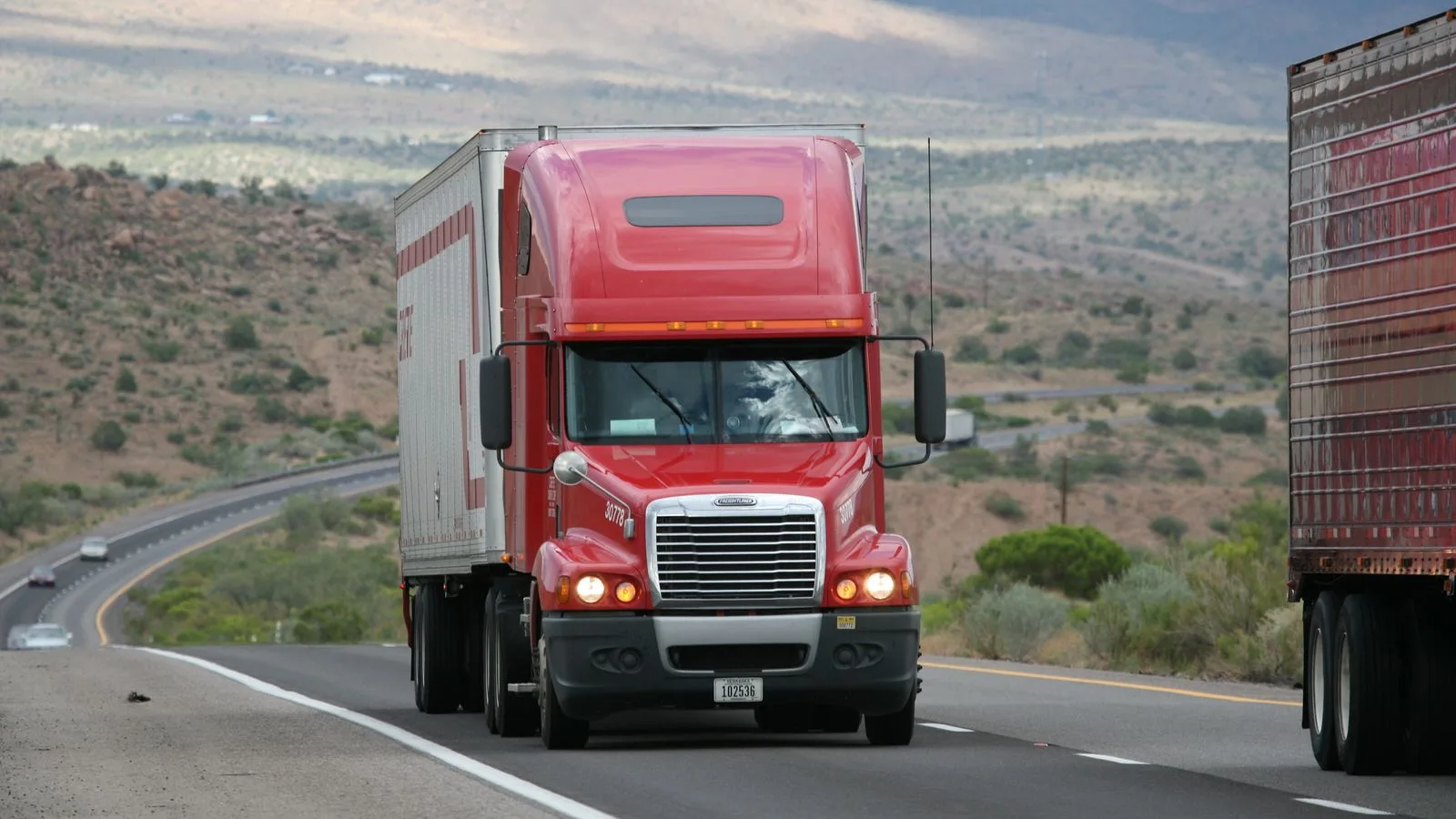
A commercial truck crash claim in Odessa is governed by both Texas tort law and the Federal Motor Carrier Safety Regulations (49 C.F.R. Parts 350-399), which control the crude tankers, frac sand pneumatics, and water haulers running the I-20 corridor through Ector County. Liability reaches not only the driver but the motor carrier directly through negligent hiring, training, supervision, and entrustment claims, all cognizable in Ector County district court. The two-year statute under Tex. Civ. Prac. & Rem. Code § 16.003 applies, but the practical evidence window is far shorter. FMCSA records cycle out within months, making preservation in the first days after the crash a threshold requirement. The federal minimum coverage of $750,000 applies to general freight, and basin carriers routinely carry excess layers above that floor.
Why Odessa cases are different
I-20 across Ector County is one of the heaviest oilfield-truck-trafficked stretches in the country, carrying frac sand pneumatics, crude tankers, and water haulers in an unbroken stream. Most serious Odessa cases we open are governed as much by the federal motor carrier rules as by ordinary Texas tort law.
FMCSA documents and the spoliation clock
A commercial truck on I-20 or Loop 338 is almost always a motor vehicle subject to 49 C.F.R. Parts 350-399, and that brings a federal-document layer to the liability analysis that an ordinary car wreck never has. The case turns on records the driver alone does not control: hours-of-service logs under Part 395, the driver qualification file under Part 391, post-crash drug and alcohol testing under Part 382, pre-trip inspection records under Part 396, and the electronic control module data inside the tractor. Every one of those has a retention window, and the carrier's rapid-response team is already on the documents while the injured driver is still in the ER. A spoliation letter has to go out within days — covering ECM downloads, ELD records for at least the prior fourteen days, dispatch communications, fuel and toll data, and any in-cab camera footage — before the carrier's retention cycles quietly erase the proof.
Carrier liability and higher commercial limits
Texas allows direct claims against the motor carrier itself — negligent hiring, training, supervision, retention, and entrustment — and those claims survive even when the carrier admits respondeat superior, provided the gross-negligence threshold under Section 41.003 is met. That matters in the basin, where a deferred maintenance entry or a driver kept on after prior violations can become the center of the case. Commercial trucks also carry far higher insurance than passenger vehicles: the FMCSA minimum is $750,000 for general freight, and most basin carriers run well above that, often with layers of excess coverage. We map the full coverage tower early, because the difference between reaching only a primary policy and reaching the excess layer can decide whether a catastrophic Odessa injury is fully compensated or left short.






Frequently asked
Odessa truck accident questions
- FMCSA records like ELD logs, ECM data, and drug-testing results have defined retention windows, and carriers are not obligated to keep them indefinitely. The carrier's investigators are often on scene within hours and on the documents within days. We send a formal spoliation letter immediately so the data cannot be cycled out before we can demand it in discovery.
- Yes. Texas recognizes direct claims against the carrier for negligent hiring, training, supervision, retention, and entrustment. These survive even where the carrier concedes it is responsible for its driver, when the gross-negligence bar under Section 41.003 is met. In the basin, deferred maintenance or a driver retained after violations frequently supports exactly these claims.
- The federal minimum is $750,000 for general freight under FMCSA rules, and most basin carriers run higher, frequently with excess layers stacked above the primary policy. That is far more than a typical car policy. We identify every layer of the coverage tower early, because reaching the excess coverage can be the difference between full and partial recovery on a serious injury.
- The electronic control module is the onboard computer in the tractor that records speed, braking events, throttle position, and fault codes in the seconds before a crash. ECM data can confirm whether the driver was speeding or failed to brake, and it is one of the most powerful pieces of evidence in a commercial truck case. We preserve it through a spoliation letter within days, because the data can be overwritten or lost if the carrier returns the tractor to service.
- DPS handles most serious commercial-vehicle crashes on I-20 through Ector County, and the investigating trooper's report, scene photographs, body-worn camera footage, and any commercial vehicle inspection findings are all discoverable. Commercial vehicle inspection records can reveal prior out-of-service violations the carrier failed to correct. We pull each of these in addition to the public crash report on every commercial-vehicle case.
- These cases take longer than ordinary car wreck claims because the federal-document layer must be fully developed before any demand is made, and carriers with serious exposure typically do not settle until litigation is underway or advanced. A case involving serious injury, contested FMCSA violations, and excess coverage commonly takes one to three years from crash to resolution. Settling quickly at the carrier's first offer almost always undervalues the claim.
Where we work from
Downtown Austin. Odessa clients welcome.
Our office is in downtown Austin; we represent Odessa-area clients statewide and travel to Odessa for case-specific needs (scene visits, medical-records consultations, court appearances). Home and hospital visits when injuries make travel difficult.
Talk to a Odessa truck accident lawyer.
Free case review, no obligation. We'll tell you straight whether we can help.