
Areas served
Amarillo Personal Injury Lawyer
Amarillo is the largest city in the Texas Panhandle, straddling Potter and Randall counties at the crossroads of Interstate 40 and Interstate 27. Its injury docket is driven by long-haul freight: I-40 is one of the busiest transcontinental truck corridors in the country, and it pushes coast-to-coast carriers, regional cattle and feed haulers, and energy-sector rigs through the city every day. Serious-injury suits out of Amarillo are heard in Potter County or Randall County district court and apply the same statewide framework as the rest of the state: the two-year limitations period under Tex. Civ. Prac. & Rem. Code § 16.003 and the 51-percent-bar proportionate-responsibility rule of Chapter 33. What sets Panhandle cases apart is how often the defendant is a commercial motor carrier governed by the Federal Motor Carrier Safety Regulations, which turns an ordinary negligence claim into a fight over logs, telematics, and a company's safety practices.
The Amarillo corridors where Panhandle crashes happen
Interstate 40 runs the full width of Amarillo east-to-west and is the corridor that feeds most of our intake: transcontinental tractor-trailers, cattle and feed haulers, and passenger commuters share the same lanes at speeds and stopping distances that simply do not match. Interstate 27 carries the Amarillo-to-Lubbock freight and commuter flow south through Randall County, and US-287 and US-87 push heavy truck traffic north toward Dumas and northwest out of the region. Inside the city, Loop 335 rings the developed area, and Soncy Road, Coulter Street, and Georgia Street handle the retail and medical-district commuter load where rush-hour rear-ends concentrate. The Panhandle adds a hazard most of Texas does not see at the same intensity: sustained high winds, blowing dust that drops visibility to near zero, and winter ice and snow that turn an I-40 slowdown into a chain-reaction pileup in seconds.
Potter and Randall county courts and venue in commercial cases
Most Amarillo personal injury suits above the small-claims threshold are filed in a Potter County or Randall County district court, depending on where the crash happened and where the parties reside. Under Tex. Civ. Prac. & Rem. Code § 15.002, venue is generally proper where a substantial part of the events occurred or where a defendant resides. A wreck inside Amarillo with a local defendant keeps venue in the Panhandle. But long-haul trucking defendants are frequently headquartered out of state or in Dallas, Houston, or another metro, which can open alternative venues that materially affect jury composition, settlement value, and how quickly a case reaches trial. We evaluate the venue question before suit is filed, not after.
Amarillo trauma care and the air-ambulance reality
Amarillo is the medical hub for the entire Texas Panhandle, so injured people are routed into the city from crashes far outside it. The two main systems are Northwest Texas Healthcare System, which operates the region's designated trauma center, and BSA Health System (Baptist St. Anthony's). Patients hurt in the smaller towns and on the rural highways surrounding Amarillo arrive by ground EMS or by air, and for the most catastrophic injuries — multi-system trauma, severe brain injury, complex spinal damage — transfer on to a Level I center such as University Medical Center in Lubbock or a Dallas hospital is common. The recurring problem we see is the same compressed ER discharge pattern that plays out statewide: the strain and contusion get captured in the chart while the disc herniation or the concussion is missed until a follow-up visit a week later. When a patient has been moved between facilities, the medical chronology has to be assembled deliberately so nothing falls through the gaps in the records.
Why Panhandle truck cases are federal cases
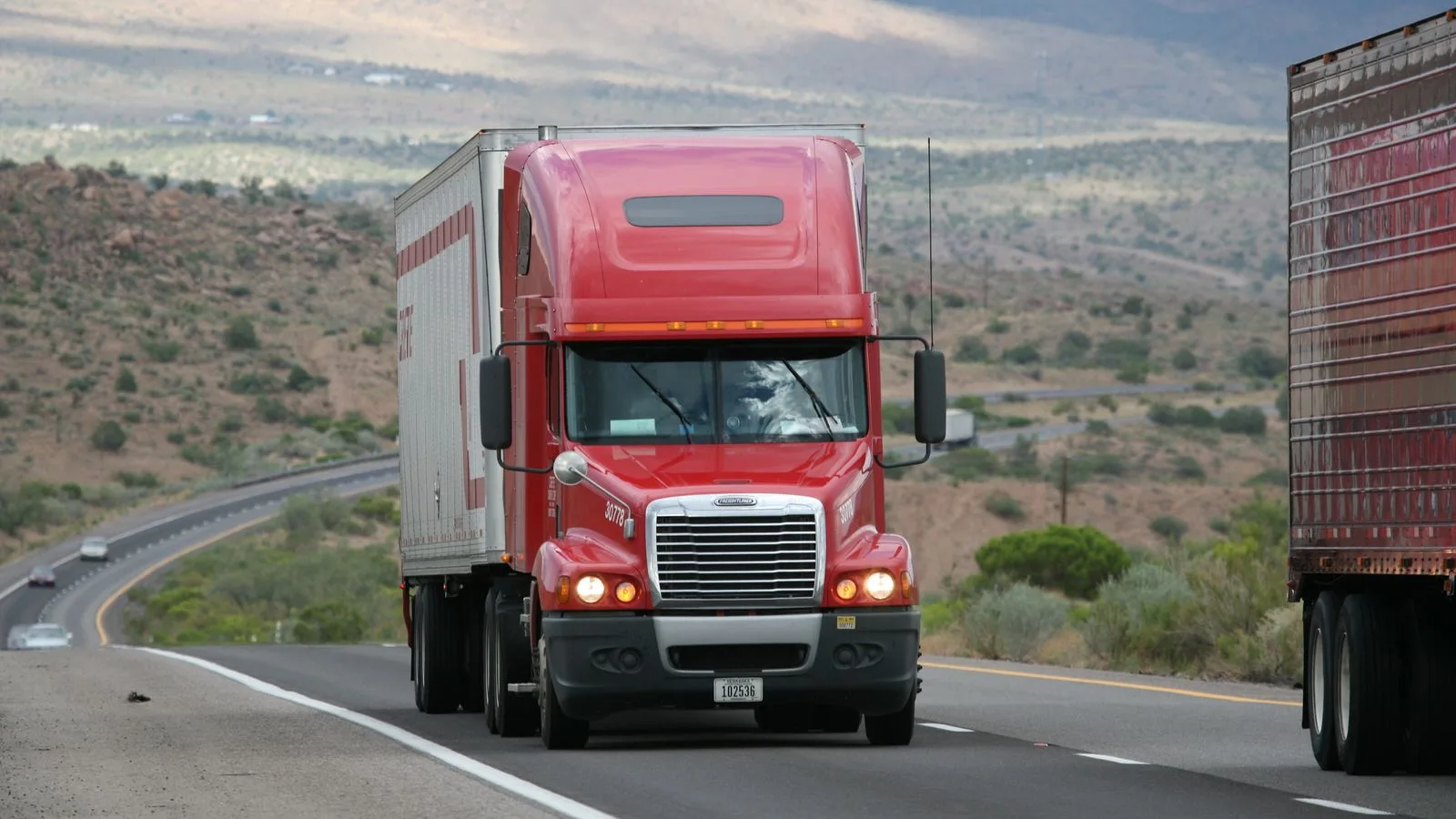
The tractor-trailers, cattle pots, and feed and tanker rigs that dominate I-40 are commercial motor vehicles subject to the Federal Motor Carrier Safety Regulations at 49 C.F.R. Parts 350-399. That changes everything about how the case is built. The driver's hours-of-service log under Part 395, the carrier's driver qualification file under Part 391, and post-crash drug and alcohol testing under Part 382 are all federally mandated records that have to be preserved before the carrier's normal retention windows cycle them out. Texas law allows direct negligence claims against the motor carrier itself: negligent hiring, training, supervision, retention, and entrustment — and those theories can survive even when the carrier concedes that the driver was acting in the course of employment. A preservation (spoliation) letter sent within the first weeks is frequently the difference between a case built on the company's own documents and a case left to the driver's account.
Amarillo practice areas
How we help Amarillo injury victims.



Frequently asked
Questions Texas accident victims ask us
- Yes. We represent injured people across Texas from our Austin office, and Panhandle cases are a regular part of our work. We are candid about the geography at intake: Amarillo is roughly a seven-hour drive from Austin, so hearings, depositions, and trial settings in Potter or Randall County mean travel days, not phone calls. What we do not do is hand your case to a local affiliate you never meet. The attorney you sign with is the attorney who builds and tries your file.
- A serious-injury case out of Amarillo is generally filed in a Potter County or Randall County district court, depending on where the crash occurred and where the parties reside, with the specific court assigned after filing. If a commercial defendant such as a long-haul carrier is headquartered elsewhere, alternative venues may be available under Tex. Civ. Prac. & Rem. Code § 15.002, and that choice can change the value and timeline of the case. We work through venue before we file.
- Northwest Texas Healthcare System runs the region's designated trauma center and is the primary destination for serious crashes in and around Amarillo, with BSA Health System (Baptist St. Anthony's) the other major system in the city. Because Amarillo is the medical hub for the whole Panhandle, patients are often brought in from surrounding rural counties, and the most catastrophic cases are transferred on to a Level I center such as University Medical Center in Lubbock or a Dallas hospital. We routinely gather and reconcile records across all of these systems.
- Considerably. Long-haul trucks on I-40 are commercial motor vehicles governed by the Federal Motor Carrier Safety Regulations, which means hours-of-service logs, electronic logging device data, driver qualification files, and post-crash drug and alcohol testing are all mandated records. It also means the motor carrier, not just the driver, can be held responsible under both vicarious-liability and direct-negligence theories, and the carrier's insurance limits are typically far higher than a personal auto policy. The catch is that those federal records have to be preserved quickly, before they cycle out.
- Faster than after an ordinary fender-bender. The two-year deadline under Tex. Civ. Prac. & Rem. Code § 16.003 governs when suit must be filed, but the evidence that proves a truck case disappears long before then. Electronic logs, fuel and toll data, and dispatch telematics roll off under the carrier's retention schedules within months, and the tractor itself is usually back on the road within days. Large carriers send rapid-response investigators to the scene almost immediately. Getting counsel involved within the first week is the practical floor for a serious Panhandle case.
- Multi-vehicle pileups in blowing dust or winter ice are decided under Texas proportionate-responsibility law in Chapter 33, which means fault can be divided among several drivers. Bad weather does not excuse a driver from the duty to control speed for conditions and keep a safe following distance, and a commercial driver who plows into stopped traffic is rarely absolved by the weather alone. These cases turn on physical evidence, electronic data, and the sequence of impacts, so reconstructing exactly who hit whom, and when, is central to recovering full value.
- Two years from the date of injury under Tex. Civ. Prac. & Rem. Code § 16.003. That statute is statewide; Potter and Randall counties do not set their own. There are exceptions: for minors, for claims against governmental entities that require pre-suit notice under the Texas Tort Claims Act, and for certain delayed-discovery situations, but they are narrow. In a commercial truck case the practical deadline is much sooner, because evidence preservation cannot wait.
- There are capable lawyers in Amarillo, and for some matters local counsel is the right call. The reason Panhandle clients hire Cap City is the boutique model: a deliberately small caseload, direct attorney access from the first call forward, and a willingness to litigate federal motor-carrier cases rather than push them toward a quick discount. We are realistic about logistics and plan our Panhandle travel accordingly. What you will not get is a serious case handed off to a case manager because the senior attorney is buried under hundreds of files.
Let's talk about your case.
Free case review, no obligation. We'll tell you straight whether we can help.