
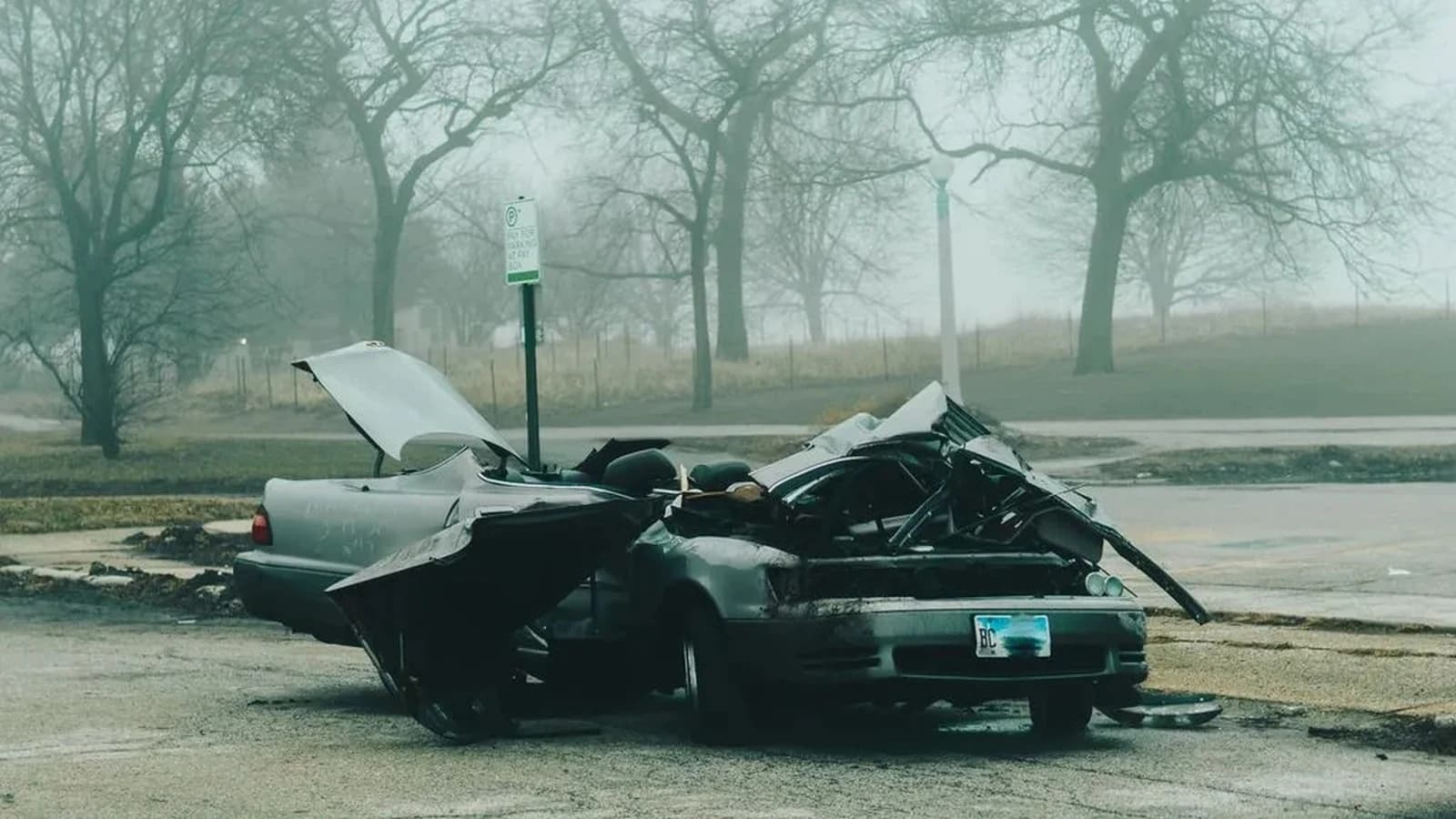
Dallas · Car Accident
Dallas Car Accident Lawyer
A car accident claim in Dallas is a personal injury or wrongful death case arising from a collision on the city's freeway grid or surface streets, governed by Texas modified comparative fault under Tex. Civ. Prac. & Rem. Code Chapter 33 and a two-year filing deadline under Section 16.003. Recovery is available as long as your share of fault is fifty percent or less, reduced by that percentage. Suits filed in Dallas city limits land in Dallas County district court at the George L. Allen Sr. Courts Building on Commerce Street. The freeway corridors — US-75 Central Expressway, I-30, LBJ, and the North Tollway — each produce distinct crash patterns that shape how liability and injury are documented.
Why Dallas cases are different
Dallas crashes cluster on a freeway grid that runs harder and faster than most Texas metros, from the I-30 Canyon at the I-35E mixmaster to the chronic Central Expressway backups near Mockingbird Lane. We build fault and recover for Dallas drivers and passengers statewide from our Austin office.
Where Dallas collisions actually happen
Five corridors drive most of the Dallas crash files we screen, and each has a signature pattern. I-30 east-west through downtown, especially the Canyon where it meets I-35E at the mixmaster, produces compressed rear-end chains during both rush peaks. US-75 Central Expressway is the city's most chronically backed-up artery, with hard-deceleration crashes near Mockingbird, Knox-Henderson, and Walnut Hill where stopped traffic appears with little warning. The Dallas North Tollway runs faster, generating higher-velocity sideswipes and lane-change collisions through the Galleria and Preston corridors. LBJ Freeway (I-635) carries the worst night-time crash rate in the metro. Documenting which corridor and which time window your crash happened in matters, because the speed and traffic pattern shape both the injury mechanism and how an insurer reads the police report when it values the claim.
Proportionate responsibility and underinsured drivers
Texas uses modified comparative fault under Tex. Civ. Prac. & Rem. Code Chapter 33: your recovery is reduced by your percentage of fault and barred only if you are more than fifty percent responsible. On stop-and-go arteries like Central Expressway, defense insurers routinely try to pin a slice of blame on following distance to push an injured driver past that fifty-one-percent bar, so the crash report supplement, witness identification, and any DalTrans freeway camera footage matter early. Dallas also sees a large share of out-of-area and minimum-limits drivers passing through its corridors, and damages often exceed the at-fault coverage. That is where your own uninsured and underinsured motorist coverage becomes the real source of recovery. We pull every applicable policy, including UM and UIM, before valuing the claim, because the at-fault limits are frequently only part of the picture.
More in Dallas
Other ways we help Dallas injury victims.

Frequently asked
Dallas car accident questions
- Usually the following driver bears most of the fault, but Texas does not make it automatic. The insurer may argue you stopped suddenly in the US-75 congestion or contributed under Chapter 33's comparative-fault rule. The crash report supplement, witness accounts, and DalTrans camera footage help fix responsibility. As long as you are fifty percent or less at fault, you can still recover, reduced by your share.
- Minimum-limits and out-of-area drivers are common on Dallas freeways, and those policies frequently fall short of real damages. Your own underinsured motorist coverage can fill the gap above the at-fault limits, and uninsured coverage applies if the driver had none. We review every policy that could respond, including your own, before deciding how to structure the claim.
- If your crash happened in Dallas city limits, a suit over the JP-court ceiling is typically filed in Dallas County district court at the George L. Allen Sr. Courts Building at 600 Commerce Street, with cases drawn by random assignment among the civil district courts. If the defendant is a company headquartered elsewhere, Tex. Civ. Prac. & Rem. Code Section 15.002 may allow another venue, which can affect the jury pool and value.
- Texas modified comparative fault under Chapter 33 assigns a percentage of responsibility to each party; your recovery shrinks by your share and disappears only if you are found more than fifty percent at fault. A lane change prior to impact will be scrutinized, but it does not automatically eliminate recovery. Physical evidence, the crash report supplement, and available DalTrans footage help establish what each driver actually did and when.
- Rarely before your injury picture is complete. Insurers on I-30, LBJ, and Central Expressway crashes often call within days with a number tied to the ER summary, which misses soft-tissue injuries that surface only on follow-up imaging. Accepting early permanently closes your claim. We evaluate what the full medical record, not just the discharge note, actually shows before any demand is made.
- A hit-and-run or uninsured driver situation triggers your own uninsured motorist coverage if you rejected it in writing, it still applies. Texas requires insurers to offer UM/UIM coverage, so most policies carry it. Report the crash to Dallas Police immediately to create the record, and contact us before speaking with your own carrier, since even your own insurer will evaluate fault under the same comparative rules.
Where we work from
Downtown Austin. Dallas clients welcome.
Our office is in downtown Austin; we represent Dallas-area clients statewide and travel to Dallas for case-specific needs (scene visits, medical-records consultations, court appearances). Home and hospital visits when injuries make travel difficult.
Talk to a Dallas car accident lawyer.
Free case review, no obligation. We'll tell you straight whether we can help.