
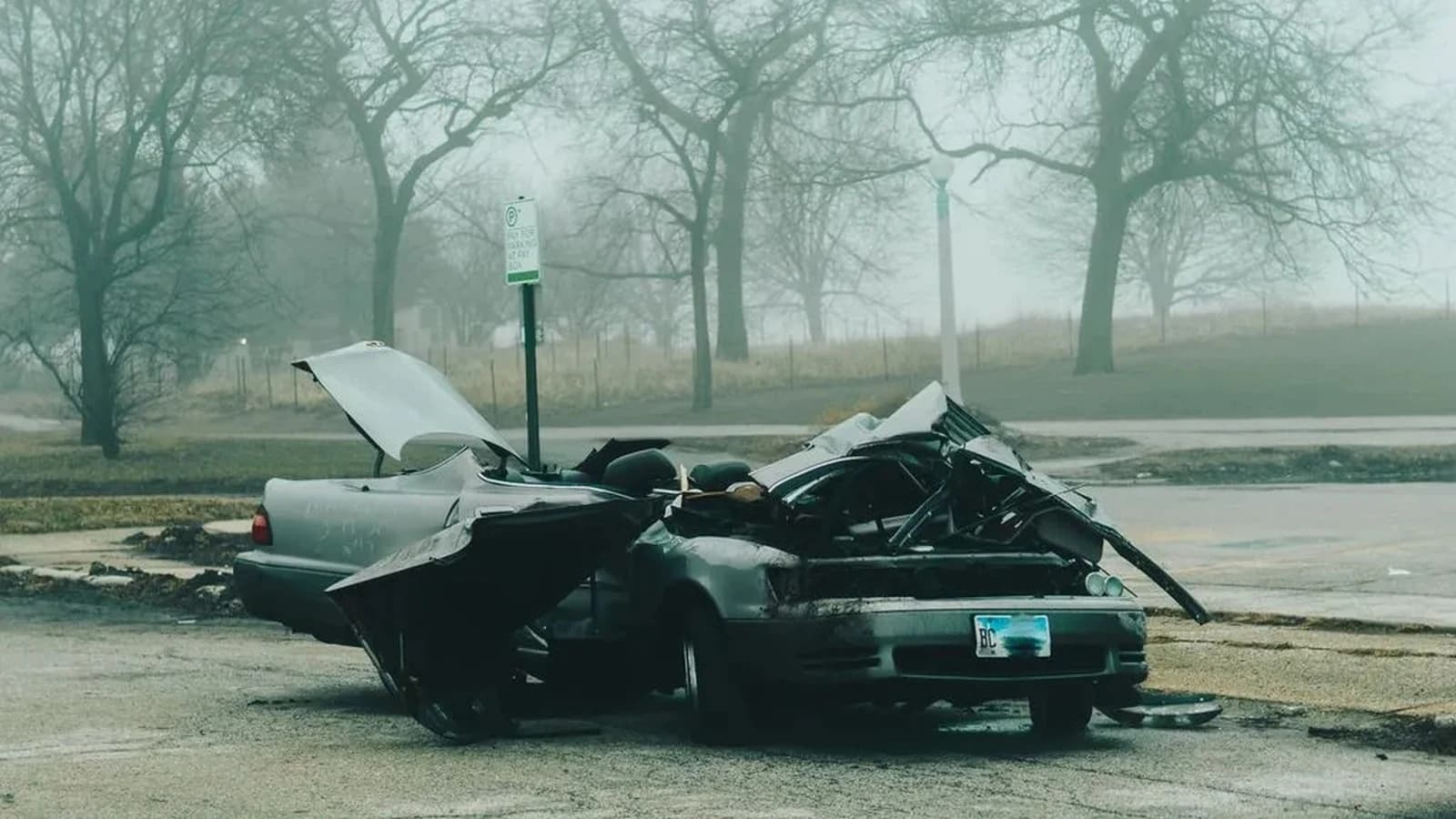
Temple · Car Accident
Temple Car Accident Lawyer
A car accident claim in Temple is a personal injury case arising from a passenger-vehicle collision on roads like I-35, SH-36, or FM-93 — governed by Texas modified comparative fault, which bars recovery only if you are found fifty-one percent or more responsible for the crash. Serious injury cases are filed in the Bell County district courts in Belton, and Bell County juries draw from a cross-section of Temple, Killeen, Belton, and Harker Heights residents. The two-year limitations period under Tex. Civ. Prac. & Rem. Code § 16.003 applies statewide, and disc, labral, and soft-tissue injuries that look minor in the Baylor Scott & White Temple ER frequently emerge on follow-up imaging days or weeks later.
Why Temple cases are different
Temple's daily crash volume tracks its role as the medical anchor of the I-35 corridor between Waco and Austin: rear-end stacks on the interstate, angle collisions on SH-36 during Baylor Scott & White shift changes, and low-speed lot incidents around the hospital campus that still produce real neck and shoulder injuries.
Where Temple collisions cluster on I-35, SH-36, and FM-93
The I-35 stretch through Temple between the FM-2305 and SH-53 exits is the city's steadiest source of rear-end and merge crashes, where Adams Avenue and Central Avenue traffic enters the main lanes below the surrounding speed and long-haul trucks compress the gap. SH-36 across the east side is the angle-and-left-turn corridor, with at-grade signalized intersections that fill during medical-campus shift changes, and FM-93 carries cross-town traffic into the Loop 363 and medical-district interchanges. Texas applies Chapter 33 proportionate responsibility: each party is assigned a percentage of fault, and a plaintiff who is fifty-one percent or more at fault recovers nothing, while a lesser share simply reduces the award. On these high-volume segments insurers argue hard that low-speed impacts cannot cause injury, so the crash report, scene photos, and same-day records carry real weight.
Coverage layers and the early lowball offer
After a Temple crash the first call is often the at-fault adjuster's, frequently with a quick offer made before any follow-up imaging is done. Texas minimum liability limits are modest, and on the I-35 corridor a fair share of at-fault drivers carry only that floor or pass through with out-of-state coverage. When those limits fall short of the medical and wage picture, your own uninsured and underinsured motorist coverage becomes the next layer worth pursuing, and many drivers carry UM/UIM without realizing it reaches their own loss. We map the full stack at intake — the at-fault carrier, your first-party coverage, and any resident-relative or umbrella policy — and resolve hospital and health-plan liens before any settlement is finalized so the net recovery is clear rather than a surprise after the file closes.
More in Temple
Other ways we help Temple injury victims.




Frequently asked
Temple car accident questions
- Be cautious. Early offers on this corridor are often extended before follow-up imaging is done, and a fast ER discharge may miss a disc or soft-tissue injury that surfaces later. Once you sign a release you cannot reopen the claim if symptoms worsen. It is worth having the offer and your medical situation reviewed before accepting anything in the first weeks.
- In the Bell County district courts in Belton for claims above the justice-court threshold. Under Tex. Civ. Prac. & Rem. Code section 15.002, venue is proper where the crash occurred, which for a collision inside Temple city limits points to Bell County. The specific district court is assigned by random docket draw after filing.
- Your own uninsured or underinsured motorist coverage is usually the next layer, and many Temple drivers carry it without realizing it applies to their own loss. We also check for resident-relative and umbrella policies. When at-fault limits cannot cover the care path, the first-party coverage analysis matters as much as the fault analysis at intake.
- That is common: high-volume trauma ERs triage to obvious acute injury and discharge with strain or contusion language. Disc herniations and rotator-cuff tears frequently do not surface until follow-up MRI or specialist consult. The adjuster anchors to the discharge note, so getting into appropriate outpatient imaging quickly and before settling is critical.
- Yes. Texas uses modified comparative fault under Chapter 33: your damages are reduced by your percentage of responsibility, and if you are found fifty-one percent or more at fault you recover nothing. Every percentage point matters, which is why the liability investigation — crash reports, witness accounts, signal timing on SH-36 and I-35 — is part of the damages case, not separate from it.
- Yes, through your own uninsured motorist coverage, which applies to your loss even though a third party caused it. Texas law requires insurers to offer UM/UIM coverage, though drivers can reject it in writing. We check your own policy at intake and identify every available coverage layer, including any resident-relative or umbrella policy, before the UM/UIM analysis is complete.
Where we work from
Downtown Austin. Temple clients welcome.
Our office is in downtown Austin; we represent Temple-area clients statewide and travel to Temple for case-specific needs (scene visits, medical-records consultations, court appearances). Home and hospital visits when injuries make travel difficult.
Talk to a Temple car accident lawyer.
Free case review, no obligation. We'll tell you straight whether we can help.