
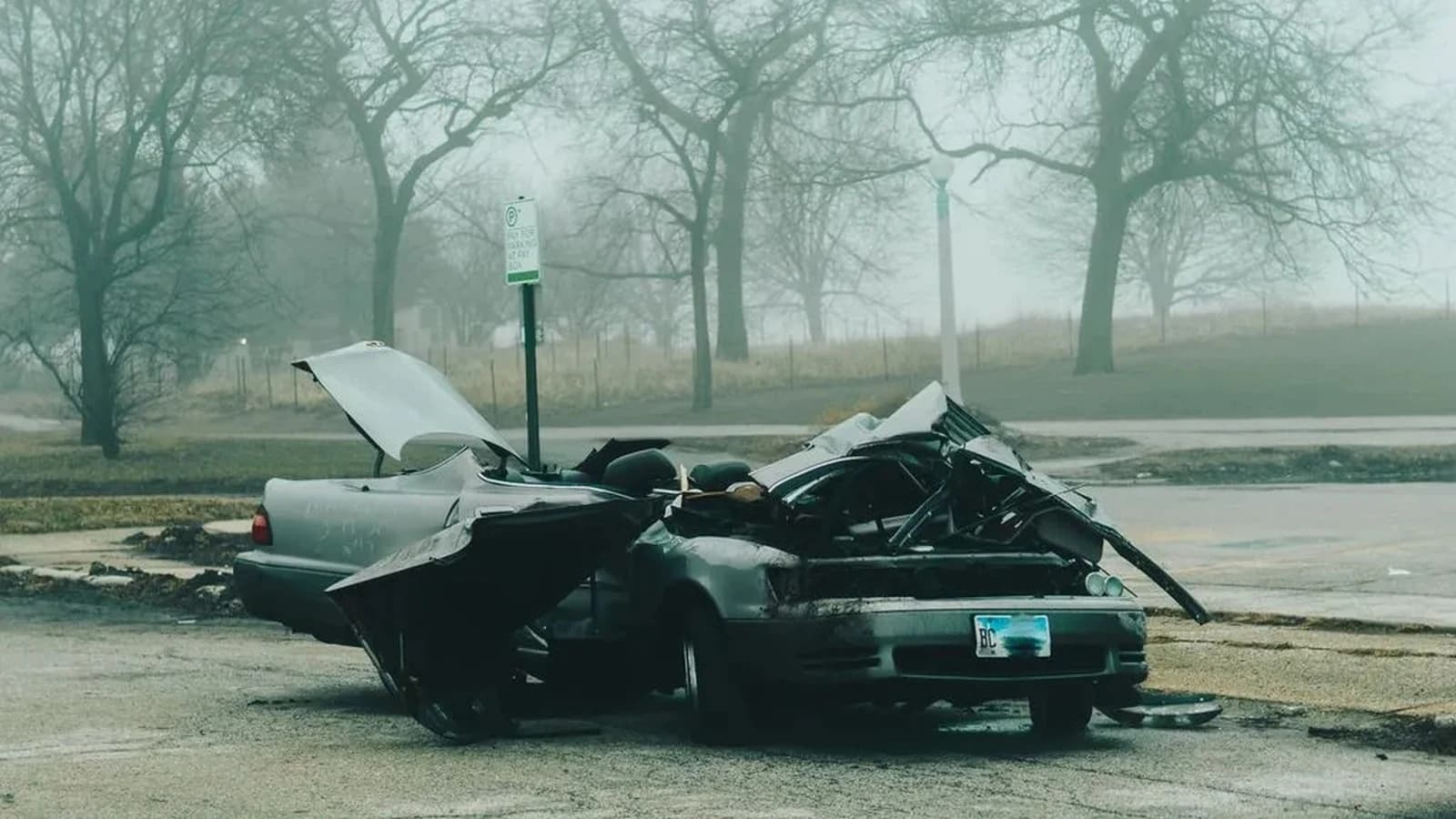
San Antonio · Car Accident
San Antonio Car Accident Lawyer
A car accident claim in San Antonio is a personal injury case arising from a passenger-vehicle collision governed by Texas modified comparative fault: you can recover as long as you are 50 percent or less at fault, with your award reduced by your share. Bexar County district courts at the Justice Center on Dolorosa Street carry a heavy collision docket fed by the I-35 and I-410 stack interchange, Loop 410, and the Loop 1604 outer ring, any of which can produce rear-end, merge, or loss-of-control crashes in a single rush hour. The two-year limitations period under Tex. Civ. Prac. & Rem. Code § 16.003 runs from the date of the crash, and your own UM/UIM coverage becomes critical when the at-fault driver is uninsured. Fast ER discharges at University Hospital or Methodist Hospital often miss disc and ligament injuries that materially affect the claim's long-term value.
Why San Antonio cases are different
San Antonio's interstate-and-loop grid produces one of the highest serious-collision volumes in Texas. From the I-35 and I-410 stack interchange to the Loop 1604 outer ring through Stone Oak, the metro's daily merge, rear-end, and loss-of-control crashes feed a heavy Bexar County civil docket.
How fault is divided after a Bexar County crash
Texas runs on proportionate responsibility under Chapter 33 of the Civil Practice and Remedies Code, and it shapes nearly every San Antonio collision claim. A jury or adjuster assigns each driver a percentage of fault; your recovery is reduced by your share, and you are barred entirely only if you are found more than fifty-one percent responsible. That allocation is the whole fight in the crash patterns this city produces most often. The merge-and-rear-end claims at the I-35 and I-410 stack rarely have a clean single cause, and a high-speed loss of control on I-37 near the Pecan Valley or SE Military Drive exits often turns on lane position and speed. We build the physical record early, because once an insurer anchors a fault percentage in its file, moving it later takes evidence, not argument.
Why your own UM/UIM coverage often carries the case
A serious wreck on Loop 410 or US-281 can produce medical bills that blow past the at-fault driver's policy in a single trauma admission, and a meaningful share of San Antonio drivers carry only minimum limits or no insurance at all. That is why your own uninsured and underinsured-motorist coverage is frequently the real source of recovery rather than a backup. Texas lets you stack UM/UIM across multiple vehicles on a household policy, and your carrier will not volunteer that math. We read your declarations page line by line, identify every layer of coverage, and treat the UM/UIM claim as its own case with its own proof burden. Because Bexar's civil bench moves dockets faster than most large Texas counties, we time the medical buildout and demand to that rhythm rather than letting the file drift.
More in San Antonio
Other ways we help San Antonio injury victims.



Frequently asked
San Antonio car accident questions
- A crash inside city limits or unincorporated Bexar County is naturally filed in Bexar County district court at the Justice Center on Dolorosa Street, where random assignment delivers one of roughly a dozen civil district courts. The court you draw affects timing and jury composition. If the at-fault driver is a company headquartered elsewhere, alternative venue under Section 15.002 may apply, so we confirm the proper court before suit is filed.
- Often your own uninsured-motorist coverage becomes the recovery, since it exists for exactly this situation, including hit-and-run drivers. Texas permits stacking UM/UIM limits across vehicles on one household policy, which can multiply what is available. We pull your declarations page first, identify every layer, and pursue the UM claim against your carrier as a full case rather than a formality.
- Austin sits about eighty miles up I-35 from downtown San Antonio, closer than most Houston or Dallas firms ever get to Bexar County. We represent San Antonio-area clients regularly, handle intake and follow-ups remotely when convenient, and travel down for depositions, mediations, and court when the file requires it. The same attorney handles your case start to finish rather than passing it through a chain of paralegals.
- Texas sets a two-year statute of limitations under Tex. Civ. Prac. & Rem. Code § 16.003, running from the date of the crash. That deadline is firm, and missing it bars any recovery regardless of merit. If the at-fault driver was a City of San Antonio employee or VIA Metropolitan Transit driver, a shorter governmental-notice deadline runs in parallel and can expire first.
- The road itself does not change the legal standard, but the physical characteristics of I-37 near the Pecan Valley and SE Military Drive exits affect the fault analysis. High-speed losses of control in that corridor often turn on lane position, posted speed compliance, and sight-distance data from the Texas Department of Transportation. We secure that physical record early before conditions change.
- Herniated cervical and lumbar discs, traumatic brain injury, and shoulder rotator-cuff tears often look minor or are entirely missed in a first ER visit, particularly after fast discharges at downtown trauma settings. University Hospital and Methodist Hospital produce discharge templates that leave out findings that only appear on follow-up MRI. We route clients into specialist imaging quickly, because the injury that drives long-term value is rarely visible in the emergency notes.
Where we work from
Downtown Austin. San Antonio clients welcome.
Our office is in downtown Austin; we represent San Antonio-area clients statewide and travel to San Antonio for case-specific needs (scene visits, medical-records consultations, court appearances). Home and hospital visits when injuries make travel difficult.
Talk to a San Antonio car accident lawyer.
Free case review, no obligation. We'll tell you straight whether we can help.