
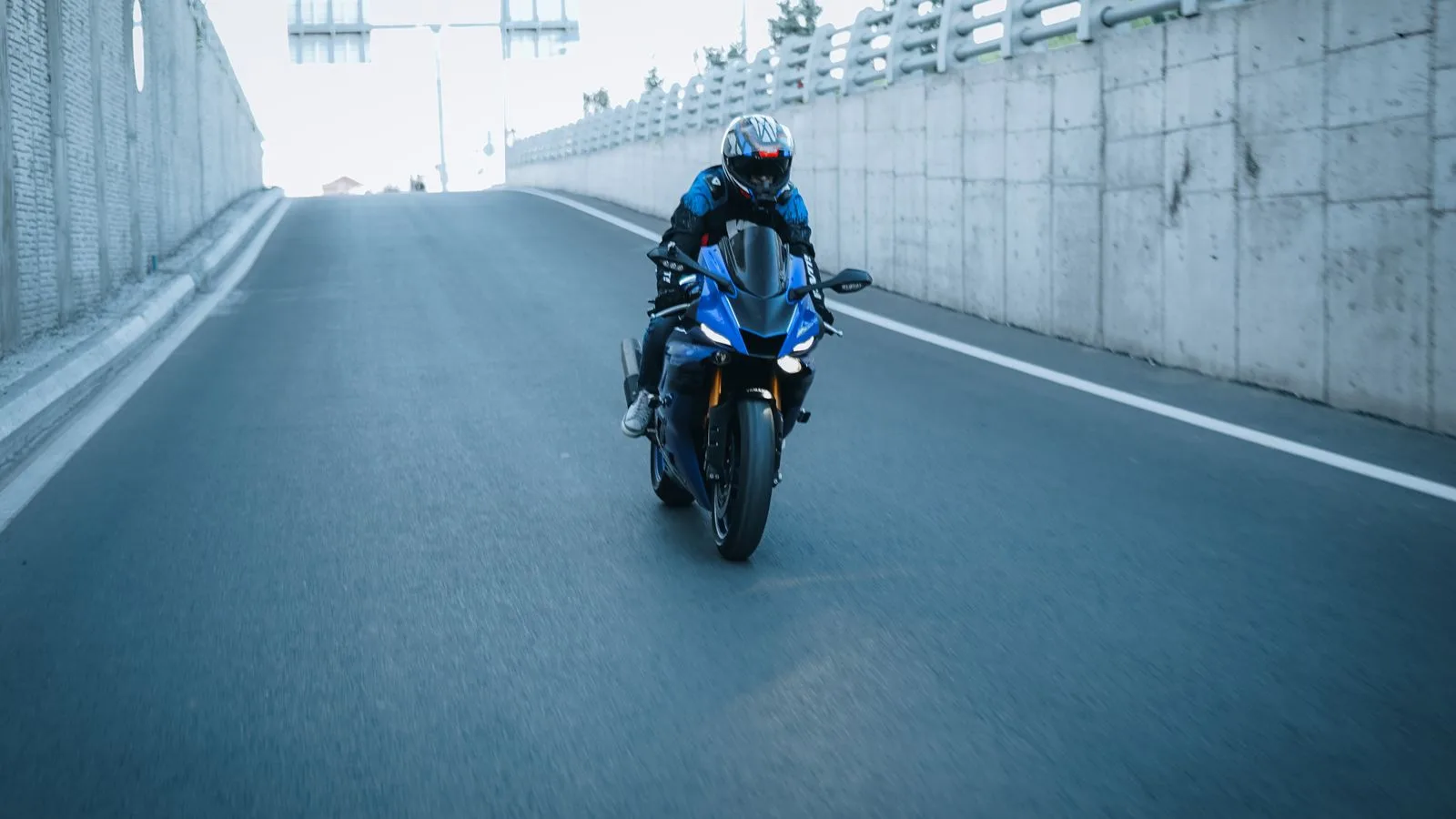
Rockwall · Motorcycle Accident
Rockwall Motorcycle Accident Lawyer
A motorcycle crash claim in Rockwall follows Texas fault-based negligence rules: there is no no-fault regime, but riders face a harder road than car occupants because juries skew skeptical and injuries are far more severe without any surrounding vehicle structure. On FM-740 between Rockwall and Heath, the unprotected left-turn crash is the most common serious-injury mechanism, and on the I-30 causeway, crosswind-driven sideswipes leave a rider on a narrow span with no shoulder to recover onto. The two-year filing deadline under § 16.003 and the 51% comparative-fault bar under § 33.001 both apply, and the case is filed in Rockwall County's 382nd or 439th District Court.
Why Rockwall cases are different
For Rockwall riders, the I-30 causeway is uniquely unforgiving: narrow lanes, no shoulder, and crosswinds that shove larger vehicles sideways leave no margin for a motorcycle. FM-740's signalized intersections add the classic left-turn threat that injures so many Texas riders.
Left-turn collisions on FM-740 and the bias riders face
The most common way a Rockwall rider gets hurt is the left-turn crash: a driver at one of the signalized intersections along FM-740 between Rockwall and Heath turns across the rider's path, later claiming they never saw the motorcycle. Texas law does not treat riders differently: the driver who failed to yield is at fault, but insurers and juries often carry an unspoken assumption that a motorcyclist was speeding or riding recklessly. That bias is a real obstacle, and Chapter 33 comparative fault gives a defense adjuster a lever to assign the rider a percentage of blame to shave the recovery. We counter it with the physical evidence: the intersection geometry, sight lines, signal timing, skid and gouge marks, and witness accounts that establish the rider had the right of way and no realistic chance to avoid the turning vehicle.
Why rider injuries run severe, and what that means for the claim
A motorcyclist has none of the structural protection a car driver does, so a crash that would leave a motorist with whiplash can leave a rider with fractures, road rash requiring grafts, or a traumatic brain injury even with a helmet. On the causeway, a sideswipe from a windblown truck that a car might absorb can put a rider down on pavement with no shoulder to recover onto. Severe injuries mean larger medical bills, longer recovery, and a higher chance of permanent impairment, which raises the stakes of getting fault and damages right the first time. Rockwall-area riders are typically transported to Texas Health Presbyterian Rockwall or Baylor Scott & White Rockwall, with serious trauma transferred to Baylor University Medical Center in Dallas, the nearest Level I. We build the medical record to capture the full arc of recovery, not just the emergency-room snapshot.
More in Rockwall
Other ways we help Rockwall injury victims.



Frequently asked
Rockwall motorcycle accident questions
- No. Under Texas law, a driver turning left must yield to oncoming traffic, and failing to see a motorcycle does not excuse that duty. 'I didn't see him' is an admission, not a defense. The challenge is overcoming jury bias against riders, which we address with intersection evidence and reconstruction showing you had the right of way.
- Texas does not require helmets for all adult riders, and the failure to wear one does not bar a claim. A defense may argue it contributed to head injuries, but that argument is fact-specific and does not affect liability for the crash itself. Your right to recover for the collision the other driver caused remains intact.
- Not larger by default, but rider injuries tend to be far more severe because there is no enclosing structure. Fractures, grafts, and brain injuries generate higher medical costs and more lasting impairment, and those documented damages drive the value. The flip side is that insurers fight rider claims harder, so thorough documentation matters.
- Most are transported to Texas Health Presbyterian Hospital Rockwall or Baylor Scott & White Medical Center – Rockwall depending on location and EMS protocol. Serious trauma — spinal injuries, severe TBI — is commonly transferred to Baylor University Medical Center in Dallas, the nearest Level I trauma center. The ER record is often conservative, so orthopedic and neurological follow-up is essential to capture the real injury picture.
- The same modified comparative fault rules under § 33.001 apply: you can recover if you are 50% or less at fault, and your damages are reduced by your percentage. What differs in practice is that insurers routinely assign riders an inflated fault percentage based on assumptions about speed or lane position. Countering that requires physical reconstruction of the crash geometry, not just the other driver's statement.
- Yes, beyond the standard two-year statute under § 16.003, TxDOT camera footage from the I-30 causeway has a limited retention window. If a windblown truck forced a rider into the barrier, that footage is the most direct evidence of how the crash happened. Preservation letters need to go out in the first week or the footage is gone before litigation begins.
Where we work from
Downtown Austin. Rockwall clients welcome.
Our office is in downtown Austin; we represent Rockwall-area clients statewide and travel to Rockwall for case-specific needs (scene visits, medical-records consultations, court appearances). Home and hospital visits when injuries make travel difficult.
Talk to a Rockwall motorcycle accident lawyer.
Free case review, no obligation. We'll tell you straight whether we can help.