

Plano · Catastrophic Injury
Plano Catastrophic Injury Lawyer
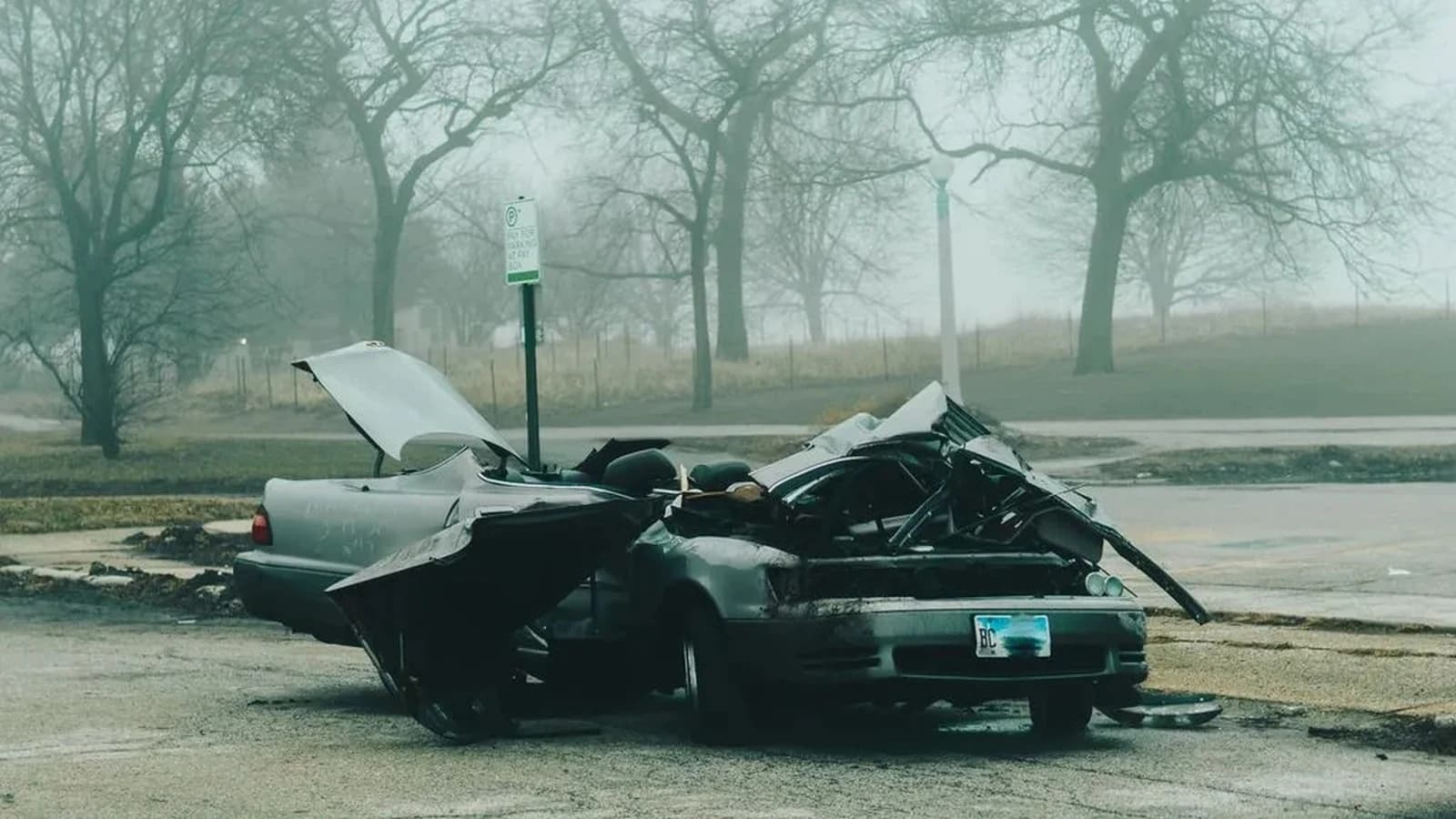
A catastrophic injury or wrongful-death case in Plano involves harm so severe that the damages framework shifts from episodic treatment to a lifetime cost model: spinal-cord injuries requiring long-term attendant care, traumatic brain injuries producing permanent cognitive deficits, or a death that activates the Texas Wrongful Death Act (Tex. Civ. Prac. & Rem. Code § 71.004) for surviving spouse, children, and parents. These claims most often arise from high-speed or high-mass collisions on US-75 or the Sam Rayburn Tollway, frequently involving commercial vehicles whose employers carry multi-layer coverage. Medical City Plano, a Level I trauma center, is the primary receiving facility, but building the damages case requires life-care planning and economic-expert projections well beyond the initial hospitalization. Suits are filed in Collin County district court at the McKinney courthouse, where the documentary build is more critical to settlement leverage than in most Texas venues.
Why Plano cases are different
When a Plano crash on US-75, the Sam Rayburn Tollway, or a corporate-fleet collision produces a spinal-cord, brain, or burn injury, EMS routes the most serious trauma to Medical City Plano's Level I trauma center, and the case becomes a high-stakes, lifetime-cost file in a defense-leaning venue.
Trauma routing and proving the full extent of a catastrophic injury
Catastrophic injuries — spinal-cord damage, traumatic brain injury, severe burns, and the loss of life that supports a wrongful-death claim — overwhelm ordinary emergency capacity. Medical City Plano operates as a Level I trauma center and absorbs the majority of major-collision admissions from the US-75 and Sam Rayburn Tollway corridors, with Texas Health Presbyterian Plano and Baylor Scott & White The Heart Hospital handling moderate-acuity volume and overflow routing to Medical City Frisco as EMS direction dictates. The legal task is to capture the true scope of harm: serial neuroimaging, neuropsychological testing, and specialist evaluations that document deficits an early discharge summary cannot. In these files the injury is permanent and the medical record must reflect a lifetime, not an episode, which is why early coordination with treating specialists in the week after the ER visit is decisive.
Future medicals, life-care plans, and a corporate-defendant posture in Collin County
The defining feature of a catastrophic claim is that the largest damages lie in the future: decades of medical care, attendant services, assistive equipment, home modification, and lost earning capacity. Texas law allows recovery of reasonable future medical expenses and lost future earnings, but they must be proven with reasonable certainty, typically through a life-care planner and an economist who reduce projected costs to present value alongside treating-physician testimony. That documentary build is non-negotiable in Collin County, where jury pools are widely understood to be more defense-friendly on damages and where settlement leverage depends more heavily on the file than it does in Dallas or Travis. When a Plano-headquartered corporate defendant or its high commercial policy limits are in play, the defense mobilizes early; a fully developed life-care plan and economic analysis are what make the demand impossible to dismiss as inflated.




Frequently asked
Plano catastrophic injury questions
- Medical City Plano operates as a Level I trauma center and absorbs most major-collision admissions from the US-75 and Sam Rayburn Tollway corridors. Texas Health Presbyterian Plano and Baylor Scott & White The Heart Hospital handle moderate-acuity care, with overflow routing to Medical City Frisco as EMS protocol dictates. We work with the complete records from each system to document the full course of care.
- Because the harm is permanent, most of the loss is future cost: years of treatment, attendant care, equipment, home modification, and lost earning capacity. Texas lets you recover these, but they must be proven with reasonable certainty, usually through a life-care planner and an economist working with treating physicians. Without that build, an insurer will value the claim only on bills already incurred.
- Texas allows a surviving spouse, children, and parents to bring a wrongful-death claim for their own losses, and the estate may bring a survival claim for the decedent's pre-death damages. Both are generally subject to the two-year limitations period, with some exceptions. These are high-stakes files, and in defense-leaning Collin County a thoroughly documented record of liability and loss is essential to a fair resolution.
- A wrongful-death claim under § 71.004 is brought by the surviving spouse, children, or parents for their own losses — mental anguish, loss of companionship, pecuniary harm — arising from the death. A survival claim under § 71.021 is brought by the estate and recovers losses the decedent experienced before death: pain and suffering, lost wages from the date of injury, and medical bills. Both can be filed arising from the same fatal event in Collin County district court.
- Yes, if the evidence supports it. Exemplary damages under Tex. Civ. Prac. & Rem. Code § 41.003 require clear-and-convincing proof that the defendant's conduct involved extreme risk and that the defendant was consciously indifferent to that risk. A commercial employer with documented knowledge of a driver's prior violations who failed to act, or a company that ignored a known equipment defect, can face that standard. Punitive exposure changes the settlement dynamic significantly against a well-insured Plano corporate defendant.
- Two years from the date of injury or death under Tex. Civ. Prac. & Rem. Code § 16.003, with tolling for minor heirs in wrongful-death cases. The practical preservation deadline for ECM data, fleet telematics, and dashcam footage from commercial vehicles is measured in days to weeks. In high-stakes cases involving Plano corporate defendants, sending preservation letters and retaining counsel promptly is more important than in any other case type.
Where we work from
Downtown Austin. Plano clients welcome.
Our office is in downtown Austin; we represent Plano-area clients statewide and travel to Plano for case-specific needs (scene visits, medical-records consultations, court appearances). Home and hospital visits when injuries make travel difficult.
Talk to a Plano catastrophic injury lawyer.
Free case review, no obligation. We'll tell you straight whether we can help.