
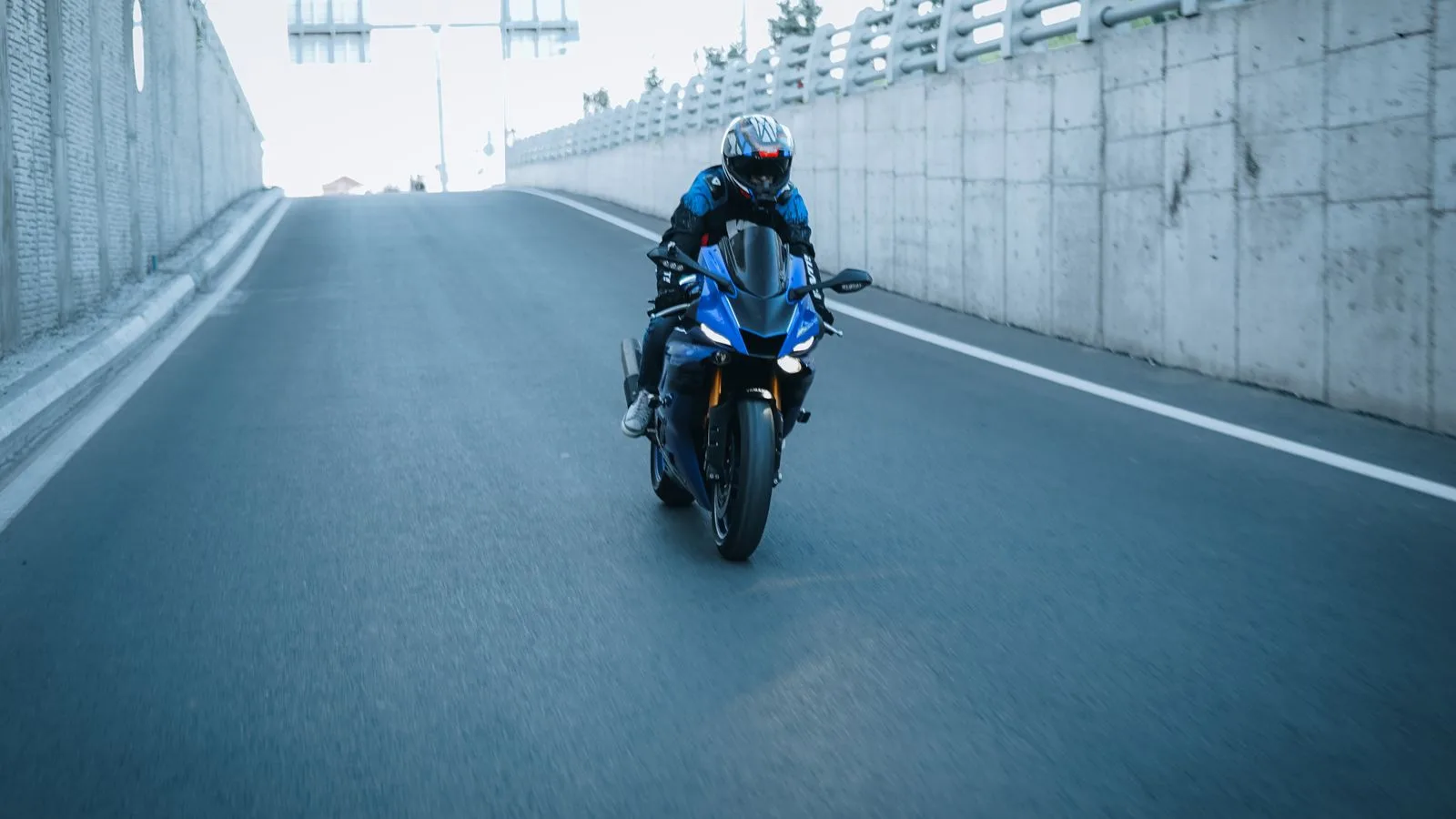
Lubbock · Motorcycle Accident
Lubbock Motorcycle Accident Lawyer
A motorcycle accident claim in Lubbock follows Texas fault-based negligence rules: if a driver fails to yield, changes lanes without checking blind spots, or turns left across a rider's path on an arterial like University Avenue or a high-speed merge on Loop 289, that driver is generally liable for the resulting injuries. Texas modified comparative fault applies, and a rider found 51 percent or more at fault under Chapter 33 recovers nothing. The two-year deadline under Tex. Civ. Prac. & Rem. Code Section 16.003 runs from the date of injury, and serious rider injuries typically route to University Medical Center given its Level I trauma designation for the South Plains region.
Why Lubbock cases are different
Lubbock riders face two hazard profiles: the open state highways feeding the South Plains, where speed differentials with farm and freight traffic are severe, and the in-town arterials and Texas Tech corridor, where left-turning and lane-changing drivers cause most rider collisions. Injuries tend to be catastrophic, and rider bias colors the claim early.
Left-turn and lane-change crashes on Lubbock streets
The most common rider collision in the city is the driver who turns left across a motorcyclist's path or merges into a lane without seeing the bike, the classic 'I never saw him' wreck on arterials like University Avenue, 19th Street, Indiana Avenue, and 4th Street through the Texas Tech corridor. Loop 289 merges add high-speed lane-change exposure where cross-town traffic ties into the radials. A motorcyclist has the same right to a full lane as any vehicle, and a left-turning driver who fails to yield is generally at fault under ordinary Texas negligence law. But adjusters lean hard on rider bias, assuming the motorcyclist was speeding or weaving. The counter is documentary: scene geometry, the point of impact, sightline analysis at the intersection, and any signal-timing or witness evidence pulled before it is lost on a busy campus-area street.
Severe injuries, comparative fault, and the helmet question
A rider has no crumple zone, so even a moderate-speed Lubbock collision can mean orthopedic trauma, road rash requiring grafting, or the head and spinal injuries that route straight to University Medical Center, the regional Level I trauma center. Those serious cases make the fault fight high-stakes, because Texas applies the Chapter 33 comparative-fault bar: a rider found 51 percent or more at fault recovers nothing, and an insurer will try to push the rider over that line. Texas law does not require helmets for all adult riders who meet the insurance and training conditions, and not wearing one is not automatic fault, but expect the carrier to raise it on a head-injury claim. We build the medical chronology carefully, because the compressed trauma-bay discharge pattern common across Texas means the follow-up record has to capture what the initial workup at UMC did not fully document.
More in Lubbock
Other ways we help Lubbock injury victims.


Frequently asked
Lubbock motorcycle accident questions
- It usually helps. A driver who turns left or changes lanes into a motorcyclist he failed to see has generally failed to yield or keep a proper lookout, which is negligence under Texas law. 'I never saw him' is an admission, not a defense. We document the intersection geometry, sightlines, and point of impact to show the bike was visible and lawfully in its lane, countering the rider-bias narrative adjusters lean on.
- Likely yes. Texas does not require helmets for all adult riders who meet the statutory insurance and training conditions, and the absence of one is not automatic fault. The carrier will raise it on a head-injury claim and try to assign you comparative fault under Chapter 33. Whether it reduces recovery depends on the injuries and the facts, which we evaluate against the medical record at intake.
- A rider is exposed, with no crumple zone or restraint system, so the same impact that dents a car can cause orthopedic trauma, extensive road rash, or head and spinal injuries. Serious South Plains rider cases route to University Medical Center, the regional Level I trauma center. Those higher injury values raise the stakes on the comparative-fault fight, which is why building the fault record early matters so much.
- Yes. Rural state highways like US-82 and US-87 carry their own hazard profile: speed differentials with agricultural and freight traffic are severe, and EMS response times outside city limits are meaningfully longer. The fault and limitations analysis is the same: two-year deadline under Section 16.003 and Chapter 33 comparative fault. The rural setting changes the evidence-preservation challenge, not the legal framework.
- Speed is contested with physics and evidence, not just denial. We look at the crash geometry, crush damage, skid marks, the posted speed limit, and where the vehicles came to rest. Signal-timing and nearby camera footage on campus-area arterials can also place the rider in the intersection lawfully. A bare assertion that the rider was speeding is not sufficient under Chapter 33 to shift fault; it has to be supported by evidence.
- You pursue your own uninsured motorist coverage if you did not waive it in writing on your policy. UM coverage applies to motorcycle riders in Texas when a qualifying UM policy exists. We identify every policy layer — your own, any resident-relative coverage, and any commercial policy if the at-fault driver was operating a work vehicle — and pursue them in the correct order to maximize recovery.
Where we work from
Downtown Austin. Lubbock clients welcome.
Our office is in downtown Austin; we represent Lubbock-area clients statewide and travel to Lubbock for case-specific needs (scene visits, medical-records consultations, court appearances). Home and hospital visits when injuries make travel difficult.
Talk to a Lubbock motorcycle accident lawyer.
Free case review, no obligation. We'll tell you straight whether we can help.