
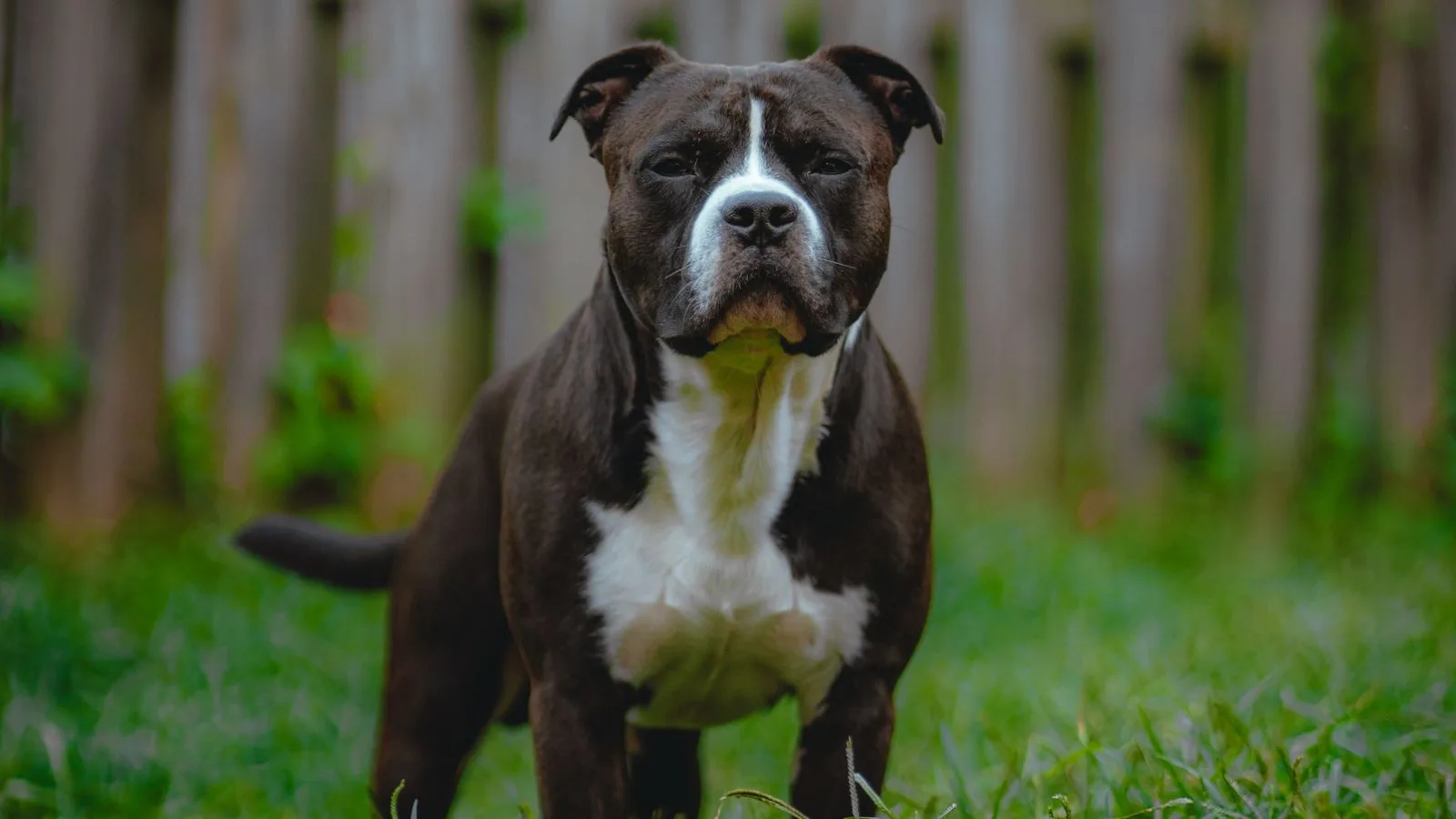
Lewisville · Dog Bite
Lewisville Dog Bite Lawyer
A dog bite or animal attack claim in Lewisville is built under Texas common law, not a state strict-liability statute, using either the one-bite rule (owner liability when the owner knew or had reason to know the dog had dangerous propensities, per Marshall v. Ranne) or ordinary negligence such as a leash-ordinance violation at a Lake Lewisville park trail. The distinction matters because a dog with no documented history still generates a negligence claim if the owner let it roam off-leash in a crowded area. The case typically proceeds in Denton County district court, must be filed within two years under § 16.003 (tolled for minor victims), and the primary source of recovery is usually the owner's homeowner or renter insurance policy. For apartment complex attacks along the FM-3040 corridor, a landlord's knowledge of a dangerous dog on the property can add a separate premises liability layer.
Why Lewisville cases are different
Dog attacks in Lewisville happen where people and dogs mix: neighborhood streets, the lake parks and trails along Lake Lewisville, and apartment complexes across the FM-3040 corridor. Texas has no automatic owner liability, so these cases turn on what the owner knew and how the injuries are documented.
Texas owner liability and the negligence path
Texas does not follow a strict-liability dog-bite statute. Recovery generally runs on one of two theories. The first is the common-law one-bite rule: an owner is liable if they knew or had reason to know the dog was dangerous — a prior bite, aggressive lunging, a posted warning — and failed to control it. The second is ordinary negligence, where the owner breached a duty regardless of the dog's history, for example by violating a Lewisville leash ordinance on a lake-park trail or letting the animal roam off a fenced yard. The off-leash trails and crowded lake parks make the leash-ordinance angle a recurring one here. Building the claim means gathering the dog's history, prior complaints, animal-control records, and witness accounts, because the owner's prior knowledge is often the contested fact that decides liability.
Severe and facial injuries, and homeowner coverage
Dog attacks produce wounds out of proportion to the size of the animal: deep puncture and crush injuries, nerve and tendon damage, infection risk, and facial lacerations that scar — injuries that fall hardest on children, who are most often bitten on the face and head. These cases frequently involve plastic-surgery revision, future scar-revision needs, and the psychological aftermath, all of which belong in the claim. The source of recovery is usually the owner's homeowner or renter insurance, which typically covers dog-bite liability, so identifying the right policy is central. For attacks at an apartment complex along the FM-3040 corridor, there may also be a premises claim against a landlord who knew a dangerous dog was on the property and did nothing. We value these on the full medical and scarring trajectory, not the initial wound closure.
More in Lewisville
Other ways we help Lewisville injury victims.




Frequently asked
Lewisville dog bite questions
- Possibly. Texas has no strict-liability dog statute, but you can recover through ordinary negligence even without a prior bite, for example, if the owner violated a Lewisville leash ordinance or let the dog roam loose at a lake park. A clean history makes the one-bite theory harder, but a careless owner can still be liable for failing to control the animal.
- Usually the owner's homeowner or renter insurance, which commonly covers dog-bite liability up to the policy limits. The owner is the responsible party, but the recovery typically comes from that coverage. If the attack happened at an apartment complex and the landlord knew about a dangerous dog, there may be an additional premises claim. Identifying every applicable policy is part of the early work.
- Facial wounds in children often need scar revision and carry lasting psychological effects, so the claim should account for future surgeries and treatment, not just the emergency closure. Texas also tolls the limitations period for minors, giving more time to file. We build the demand around the full trajectory, including projected scar-revision and counseling needs, rather than the initial medical bill.
- Whether the leash and the owner's handling were adequate given the dog's known behavior. If the owner knew the dog had aggressive tendencies and used an inadequate leash or let it approach other people, that is still negligence. Witness accounts, the animal-control response, and any prior complaints about the dog on that trail or in the area are the core evidence we gather.
- Yes, if the complex had actual knowledge that the dog had dangerous propensities and had the legal authority to require the tenant to remove or restrain the animal. Maintenance records, prior incident reports to management, and neighbor complaints establish that knowledge. The complex's commercial general liability policy, not the renter's policy alone, is what typically responds to premises claims against the landlord.
- Two years from the date of the attack under Tex. Civ. Prac. & Rem. Code § 16.003. For child victims, the limitations period is tolled until the child turns 18, giving additional time. If the attack happened on government-owned property — a city park near Lake Lewisville, for example — the Texas Tort Claims Act requires written notice within six months, which is a shorter and harder deadline. Contact a lawyer before that window closes.
Where we work from
Downtown Austin. Lewisville clients welcome.
Our office is in downtown Austin; we represent Lewisville-area clients statewide and travel to Lewisville for case-specific needs (scene visits, medical-records consultations, court appearances). Home and hospital visits when injuries make travel difficult.
Talk to a Lewisville dog bite lawyer.
Free case review, no obligation. We'll tell you straight whether we can help.