
Huntsville · Pedestrian Accident
Huntsville Pedestrian Accident Lawyer
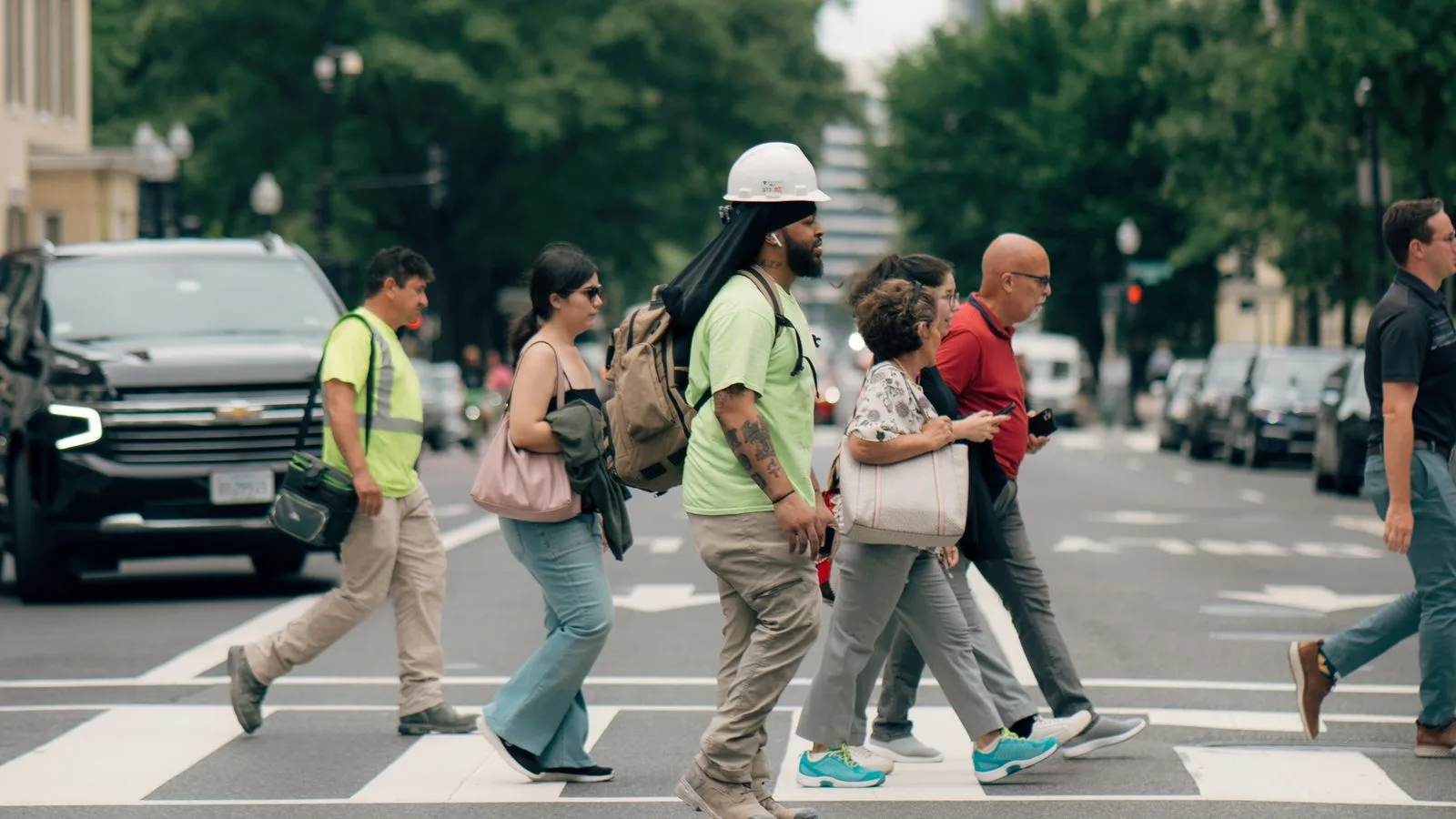
A pedestrian or bicycle accident claim in Huntsville arises when a motor vehicle strikes a person on foot or on a bike on roads governed by Tex. Transp. Code Ch. 552 and Ch. 551, including the crosswalk corridors along SH-30 near SHSU and the Sam Houston Avenue residential stretch. Texas treats a bicyclist as a vehicle operator with full road rights and duties, and requires drivers to yield to pedestrians in marked and unmarked crosswalks. The two-year limitations period under § 16.003 applies, and Walker County district court is the venue for most strikes occurring within the city. Because nothing absorbs the impact for a person on foot or a bike, injuries even from low-speed collisions routinely produce fractures, head trauma, and internal injuries that require transfer from Huntsville Memorial to Houston for definitive care.
Why Huntsville cases are different
Pedestrians and cyclists in Huntsville move through the SHSU campus edge, the downtown SH-30 intersections, and the older residential core along Sam Houston Avenue: places where a distracted or turning driver and an injured person on foot or two wheels meet at a crosswalk, with the severe injuries that follow.
Crosswalk right-of-way and driver inattention near campus
The downtown grid where SH-30 connects I-45 to the SHSU campus and the residential core concentrates pedestrian and bicycle exposure: students crossing at 11th Street, University Avenue, and Avenue M, and cyclists sharing arterials never built for them. Texas law gives pedestrians the right-of-way in marked crosswalks and at intersections, and requires drivers to yield, but the recurring collision involves a driver turning across a crosswalk or rolling a right-on-red while looking left for cars instead of right for people. Under Chapter 33 proportionate responsibility, insurers often argue the pedestrian darted out or crossed outside a crosswalk to shift fault, and a person on foot can lose recovery only if their share exceeds 50 percent. Signal-timing data, the crosswalk's striping and signage, witness statements, and any nearby camera footage usually establish who had the right-of-way at the moment of impact, which is why we secure that evidence before it cycles out.
Severe injuries and the unprotected-victim damages picture
A pedestrian or cyclist struck by a vehicle absorbs the full energy of the impact with no protection, so even a low-speed collision near campus or downtown can cause fractures, internal injuries, or a traumatic brain injury. Huntsville Memorial handles the initial ER intake, but serious trauma transfers roughly seventy miles down I-45 to a Level I center in Houston, Memorial Hermann-TMC or Ben Taub, which splits the medical record across the Huntsville chart, the Houston inpatient admission, and the follow-up care. The damages picture for an unprotected victim runs broad: emergency and surgical care, rehabilitation, lost earning capacity, and future medicals when an injury proves permanent. For a student or out-of-area visitor, the case continues normally even after they leave Huntsville, with most work handled by phone, video, and email. We build the demand on the integrated record rather than a single discharge note.
More in Huntsville
Other ways we help Huntsville injury victims.


Frequently asked
Huntsville pedestrian accident questions
- Texas requires drivers to yield to pedestrians in marked crosswalks and at intersections, so a driver turning across your path while you had the right-of-way is typically at fault. Insurers may argue you entered against a signal or outside the crosswalk to shift blame under Chapter 33. Signal timing, the crosswalk striping, witness accounts, and any camera footage usually settle it. Preserving that evidence quickly is the priority.
- Often yes. Texas uses proportionate responsibility, so even if a jury assigns you some percentage of fault, you still recover as long as your share does not exceed 50 percent, with damages reduced accordingly. The 'darted out' defense is common but frequently fails against signal-timing data, the physical point of impact, and witness statements showing you had the right-of-way. We develop that evidence early to counter the argument.
- It is the standard pattern for serious Walker County injuries, since the closest Level I trauma center is about seventy miles down I-45 in the Texas Medical Center. Your record will run across three threads: the Huntsville Memorial chart, the Houston inpatient admission at Memorial Hermann-TMC or Ben Taub, and the follow-up care. We pull and integrate all three so the demand reflects the full injury rather than the brief initial ER note.
- Texas law treats a bicyclist as a vehicle operator under Tex. Transp. Code § 551.101, so a cyclist on Sam Houston Avenue has the full rights and duties of a driver, including the right to occupy the lane. If the delivery company's van was on a work run, vicarious liability and the employer's commercial auto policy are immediately in play, which typically means higher available limits than a personal policy. The driver's duty to safely pass includes maintaining safe distance and not cutting across the cyclist's path.
- Yes. Texas imposes a heightened duty on drivers when children are present, and courts recognize that very young children cannot legally be assigned negligence. A child's limitations clock is also tolled until age 18, so the two-year statute does not begin to run until the child reaches majority. The damages picture for a child struck by a vehicle — including future lost earning capacity, long-term medical care, and the psychological impact of a traumatic event — is typically broader than for an adult.
- If a state-owned vehicle was involved, including a Sam Houston State University fleet car or a TDCJ work vehicle, the Texas Tort Claims Act applies, and you must provide pre-suit notice within six months of the incident. Missing that deadline can extinguish the claim against the governmental entity entirely, even though the standard two-year limitations period is still running. We identify governmental-defendant exposure at the first intake call because the six-month clock is the one that catches people in Huntsville.
Where we work from
Downtown Austin. Huntsville clients welcome.
Our office is in downtown Austin; we represent Huntsville-area clients statewide and travel to Huntsville for case-specific needs (scene visits, medical-records consultations, court appearances). Home and hospital visits when injuries make travel difficult.
Talk to a Huntsville pedestrian accident lawyer.
Free case review, no obligation. We'll tell you straight whether we can help.