
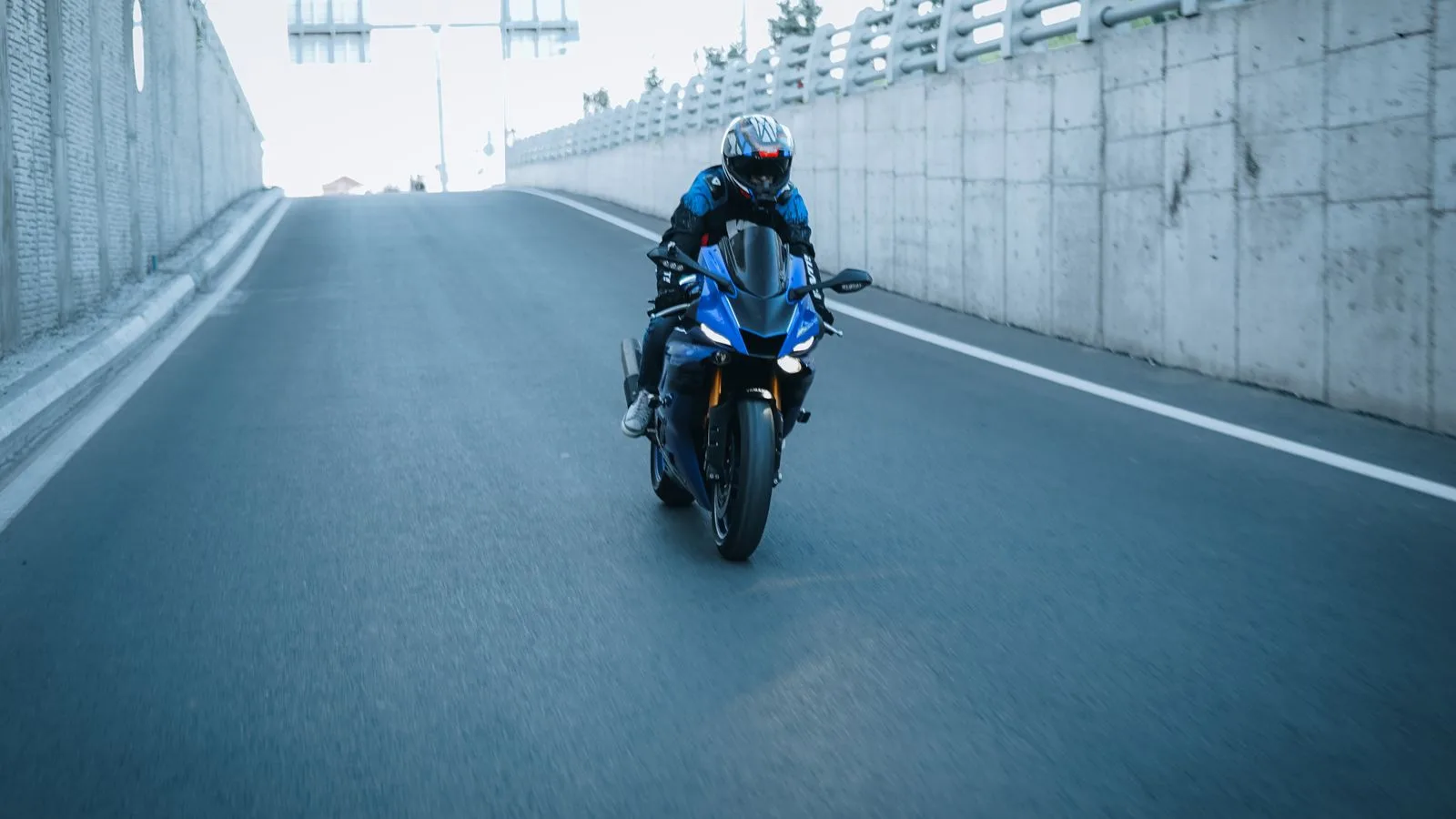
Harlingen · Motorcycle Accident
Harlingen Motorcycle Accident Lawyer
A motorcycle accident claim in Harlingen follows Texas fault-based negligence rules: there is no no-fault system, and a rider injured by a negligent driver pursues recovery under the same Chapter 33 modified comparative fault framework that governs all Texas personal injury cases. The most dangerous local pattern is the unprotected left turn, a driver turning across a northbound or southbound rider on US-77 or on FM-509 without registering the motorcycle. Because riders have no crumple zone, a collision that produces minor vehicle damage can cause fractures, ejection injuries, and traumatic brain injury requiring care at Valley Baptist Medical Center Harlingen, the lower Valley's trauma hub. Helmet use is governed by Tex. Transp. Code § 661.003, but adult helmet status does not bar recovery and is not admissible to reduce non-head-injury damages.
Why Harlingen cases are different
Riders on Harlingen's farm-market roads face hazards most Texas markets never see: citrus trucks, slow-moving combines, and grove-equipment crossings at dusk on FM-509 and FM-507. Cap City handles those Cameron County rider injury cases from Austin.
Left turns, lane changes, and the FM-road hazards riders face here
The crash types that injure Harlingen riders mirror the statewide pattern with a local twist. Left-turn collisions — a driver turning across a rider's path because they misjudged speed or simply did not register the bike — and lane-change crashes where a motorist merges into a rider in the blind spot are the most common at intake. On FM-509, FM-507, and the surrounding farm-market roads, the city file notes recurring visibility issues at dusk and crossing-equipment hazards: a slow-moving combine, a citrus hauler turning into a grove access road, or grove-worker pedestrian traffic during harvest can put a rider into an unforgiving situation with almost no margin. A rider has no crumple zone, so the same impact that dents a bumper can shatter a leg, and we document the road geometry and sightlines early.
Rider bias and proving the motorist caused the crash
Insurers routinely assume the rider was speeding, lane-splitting, or reckless, and they lean on that bias to inflate the rider's Chapter 33 fault share. Because at 51 percent responsibility a rider recovers nothing, the percentage fight is the whole case. We counter the assumption with physical evidence: skid and gouge marks, the vehicles' final rest positions, any TxDOT or Cameron County investigation data, and witness accounts — including, on the FM roads, grove workers and equipment operators who often saw the impact. Helmet use is not a legal bar to recovery in Texas, though carriers try to use it as leverage on damages. We build the liability story from the scene record rather than letting the adjuster's stereotype set the narrative, and we preserve the at-fault vehicle's available telematics before it is repaired or scrapped.
More in Harlingen
Other ways we help Harlingen injury victims.



Frequently asked
Harlingen motorcycle accident questions
- With physical evidence rather than assertion. Skid and gouge marks, final rest positions, vehicle damage geometry, and any investigation data let a reconstruction estimate actual speeds. On FM-509 and similar roads, grove workers and equipment operators are often independent witnesses to what really happened. We move fast because that evidence degrades, and because Chapter 33 means a few fault points can decide the whole claim.
- No. Texas does not bar recovery for an adult rider who was not wearing a helmet, though insurers will try to use it to argue down certain injury damages, particularly head injuries. It does not affect who caused the crash. We keep the focus on the motorist's conduct and document the mechanism of injury so the helmet question does not unfairly drive the valuation.
- Because a rider has no crumple zone, seatbelt, or airbag. The same FM-road impact that scratches a car can cause fractures, road rash requiring grafts, and spinal or brain injury. Those treatment paths run long and the future-care figures are large. We build the demand from the complete medical chart, including the second-encounter workup that often surfaces injuries the ER did not catch.
- Two years from the date of the crash under Tex. Civ. Prac. & Rem. Code § 16.003. If the crash involved a government vehicle — a city, county, or school-district vehicle — the Texas Tort Claims Act requires pre-suit notice well before the two-year mark. In motorcycle cases, acting quickly also matters for preserving physical evidence: road marks, vehicle condition, and telematics all degrade faster than the statute requires.
- Yes. FM-509 and the surrounding farm-market roads have documented dusk-visibility issues, and a driver's duty to keep a proper lookout applies regardless of conditions. If the driver could not see the rider because of low sun angle or road geometry, that is an argument about the driver's failure to slow for conditions, not a defense. We document the sightlines, lighting, and road geometry early because those facts anchor the duty analysis.
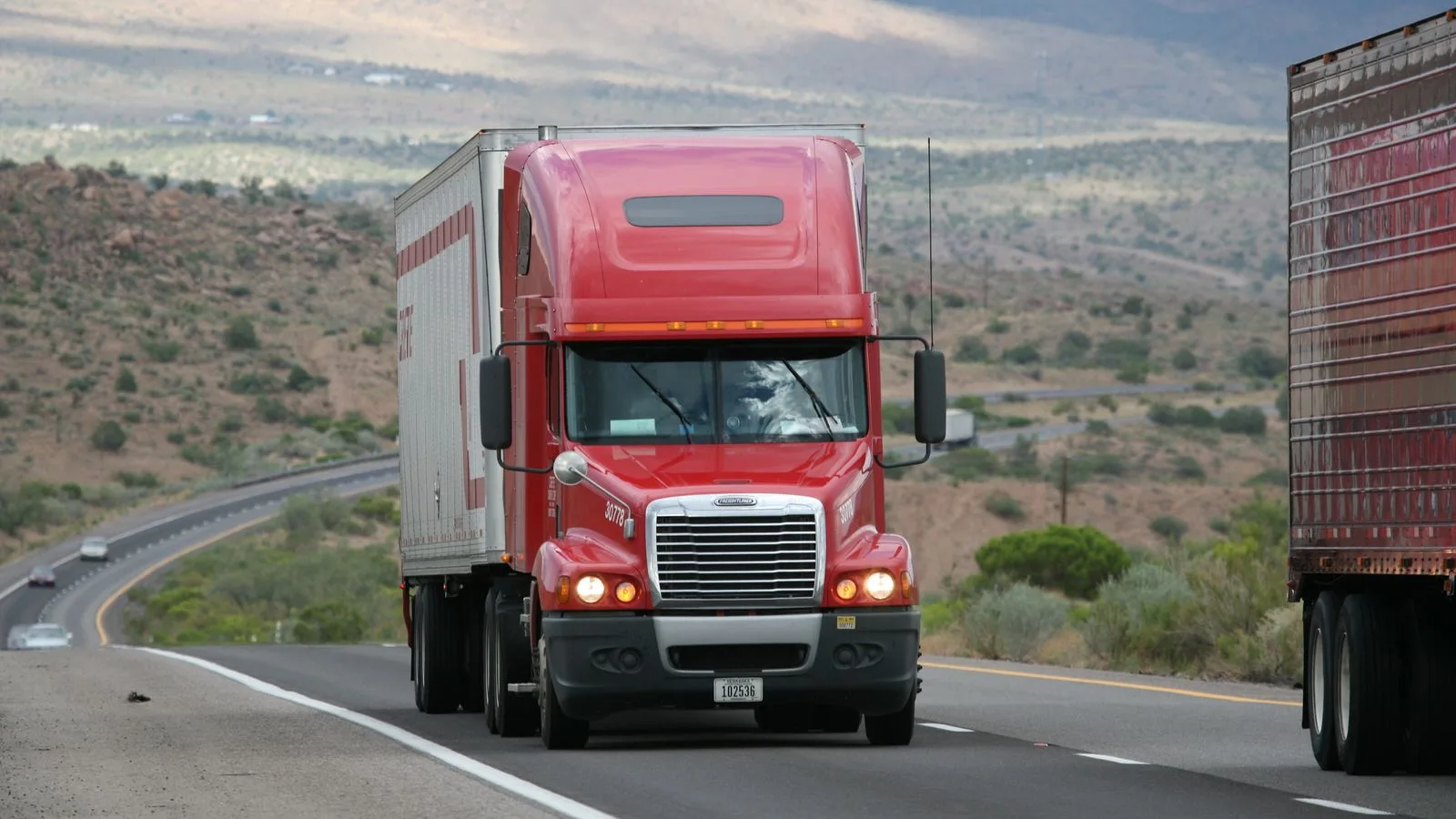
- Yes. A collision between a motorcycle rider and a commercial carrier vehicle on US-77 or an FM road brings FMCSA regulations, driver-qualification files, and ELD data into the case the same way they enter any commercial-trucking claim. Employer liability attaches, the commercial auto policy is the recovery vehicle, and preservation letters need to go out within days. The injury severity and the coverage structure are both materially different from a passenger-car case.
Where we work from
Downtown Austin. Harlingen clients welcome.
Our office is in downtown Austin; we represent Harlingen-area clients statewide and travel to Harlingen for case-specific needs (scene visits, medical-records consultations, court appearances). Home and hospital visits when injuries make travel difficult.
Talk to a Harlingen motorcycle accident lawyer.
Free case review, no obligation. We'll tell you straight whether we can help.