
Georgetown · Truck Accident
Georgetown Truck Accident Lawyer
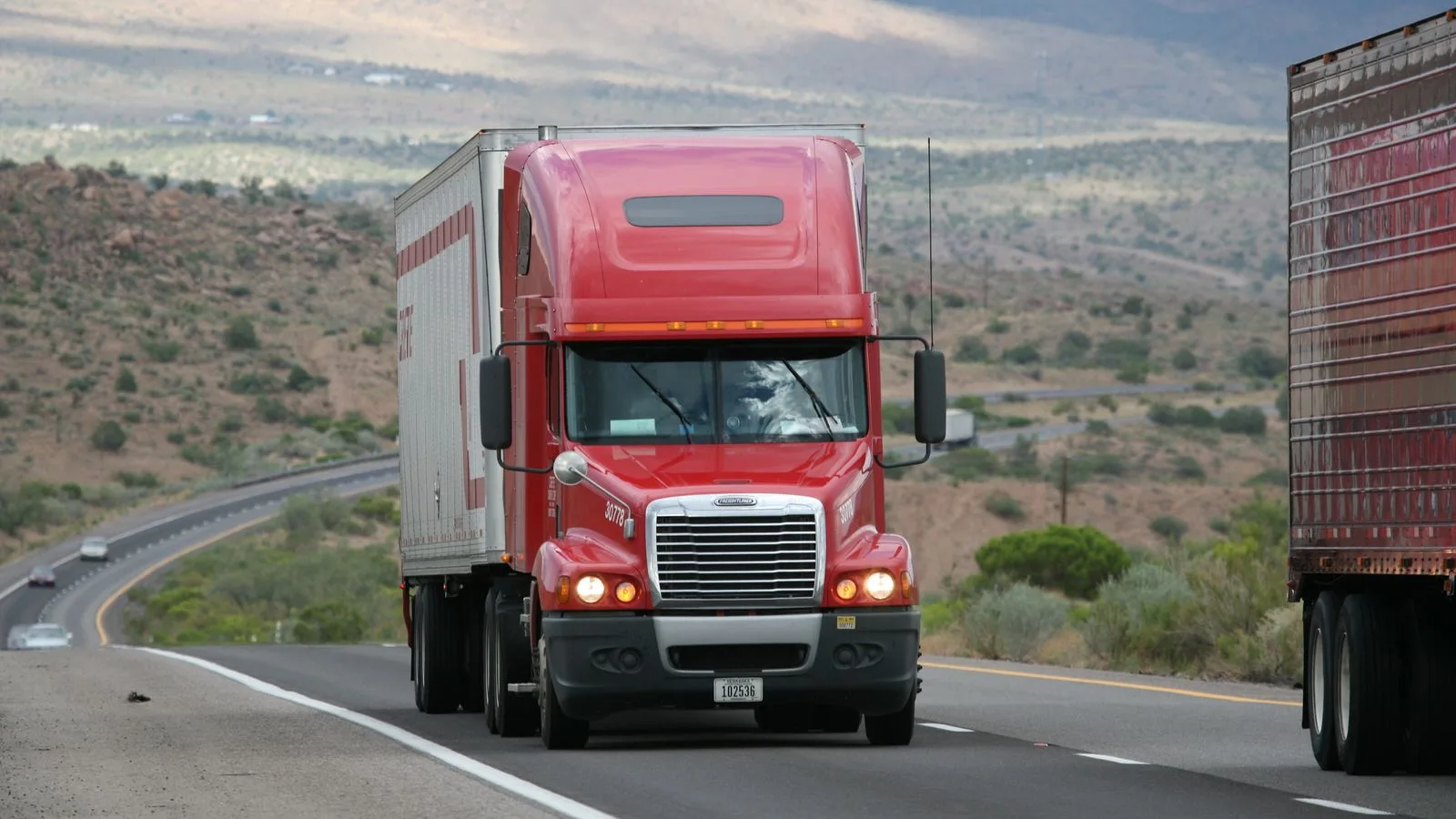
A commercial truck accident claim in Georgetown involves a crash with an 18-wheeler or other federally regulated motor carrier operating on I-35 or the SH-130 toll corridor and is governed by a layered framework: the Federal Motor Carrier Safety Regulations, Texas Transportation Code Chapter 644, and Texas common-law respondeat superior. Unlike a car-crash claim, these cases center on preserved federal records: ELD hours-of-service logs, ECM data downloads, and the driver's qualification file, all of which exist only because federal rules require them and all of which can be overwritten in days. Cases are heard in the Williamson County district courts on the Georgetown square, though the venue analysis grows more complex when the carrier is headquartered outside the county.
Why Georgetown cases are different
I-35 through Georgetown is the freight artery of the northern Austin metro, and the SH-130 toll split routes commercial traffic that wants to skip the urban core. Truck cases here carry higher policy limits, federal safety rules, and an evidence trail that disappears fast unless someone preserves it.
FMCSA rules and the data behind a Georgetown truck case
Commercial trucks are governed by the Federal Motor Carrier Safety Regulations, which reach far beyond ordinary traffic law. Electronic logging devices record hours of service; the engine control module and onboard telematics capture speed, braking, and throttle in the seconds before impact; and carriers must keep maintenance, inspection, and driver-qualification files. On the Georgetown I-35 stretch, where prevailing speeds run higher than the Austin core and lane drops at the SH-130 split create sudden compression, a fatigued or following-too-closely driver produces the kind of high-speed rear-end that EDR data tends to support strongly. That data also degrades or gets overwritten quickly. We send spoliation letters identifying ELD records, ECM downloads, dashcam files, and the driver's logs within days of intake, because once a carrier's litigation team controls the truck, informal preservation is gone.
Employer liability and the layers of commercial coverage
A serious commercial collision rarely involves only the driver. The motor carrier can be directly liable for negligent hiring, training, supervision, and maintenance, and vicariously liable for the driver acting in the scope of employment, alongside potential brokers, shippers, and lease arrangements that add defendants and additional policies. That matters in Georgetown because commercial defendants are frequently headquartered out of county, which changes the venue analysis even though the crash occurred in Williamson. The upside for an injured client is the coverage: federally regulated carriers carry policy limits far above the typical passenger-auto policy, often layered with excess coverage, which is what makes a true catastrophic-injury recovery realistic. We map the corporate structure and every applicable layer early, because the carrier's first move is to compress the case into the smallest available policy.
More in Georgetown
Other ways we help Georgetown injury victims.




Frequently asked
Georgetown truck accident questions
- The truck's electronic data and the carrier's paperwork. ELD hours-of-service logs, the ECM speed and braking download, dashcam footage, and driver-qualification and maintenance files often decide liability. On the I-35 corridor and SH-130 toll segment, gantry and EDR data also help reconstruct impact speed. All of it can be overwritten or lost, so preservation letters in the first days after the crash are essential.
- Usually yes. The motor carrier can be liable both for the driver's conduct within the scope of employment and directly for negligent hiring, training, supervision, or maintenance. Brokers, shippers, and equipment lessors can sometimes be added. Reaching the company matters because its FMCSA-mandated insurance limits are far higher than a typical driver's, which is often what makes full recovery for a severe injury possible.
- Generally yes, when the crash happened in Georgetown. Texas venue rules let you file where the events occurred, so a Williamson County collision typically supports a Williamson filing even against an out-of-county or out-of-state carrier. We still run the venue analysis carefully, because where a case is heard affects the jury pool, and Williamson juries differ from neighboring counties on the same facts.
- No, not without counsel. A recorded statement taken before the evidence is preserved and the full damages picture is developed almost always benefits the carrier, not you. The adjuster's goal is to lock in your account before the ELD logs, ECM data, and medical picture are fully understood. Politely decline and contact an attorney first.
- SH-130 is a managed toll road with gantry cameras that can capture the seconds before impact, which is an evidence advantage not available on most of I-35. The corridor also routes commercial traffic around Austin's urban core, so truck density is high. CTRMA or TxDOT maintains the gantry data, and we request it early because retention windows on that footage are limited.
- A violation of the FMCSA hours-of-service rules, such as exceeding the eleven-hour driving limit or the fourteen-hour on-duty window, shows the carrier knowingly put a fatigued driver on the road, which supports a claim for gross negligence and exemplary damages under Texas law. Gross negligence requires clear-and-convincing evidence of extreme risk and conscious indifference, and a documented HOS violation is often the clearest path to meeting that standard.
Where we work from
Downtown Austin. Georgetown clients welcome.
Our office is in downtown Austin; we represent Georgetown-area clients statewide and travel to Georgetown for case-specific needs (scene visits, medical-records consultations, court appearances). Home and hospital visits when injuries make travel difficult.
Talk to a Georgetown truck accident lawyer.
Free case review, no obligation. We'll tell you straight whether we can help.