
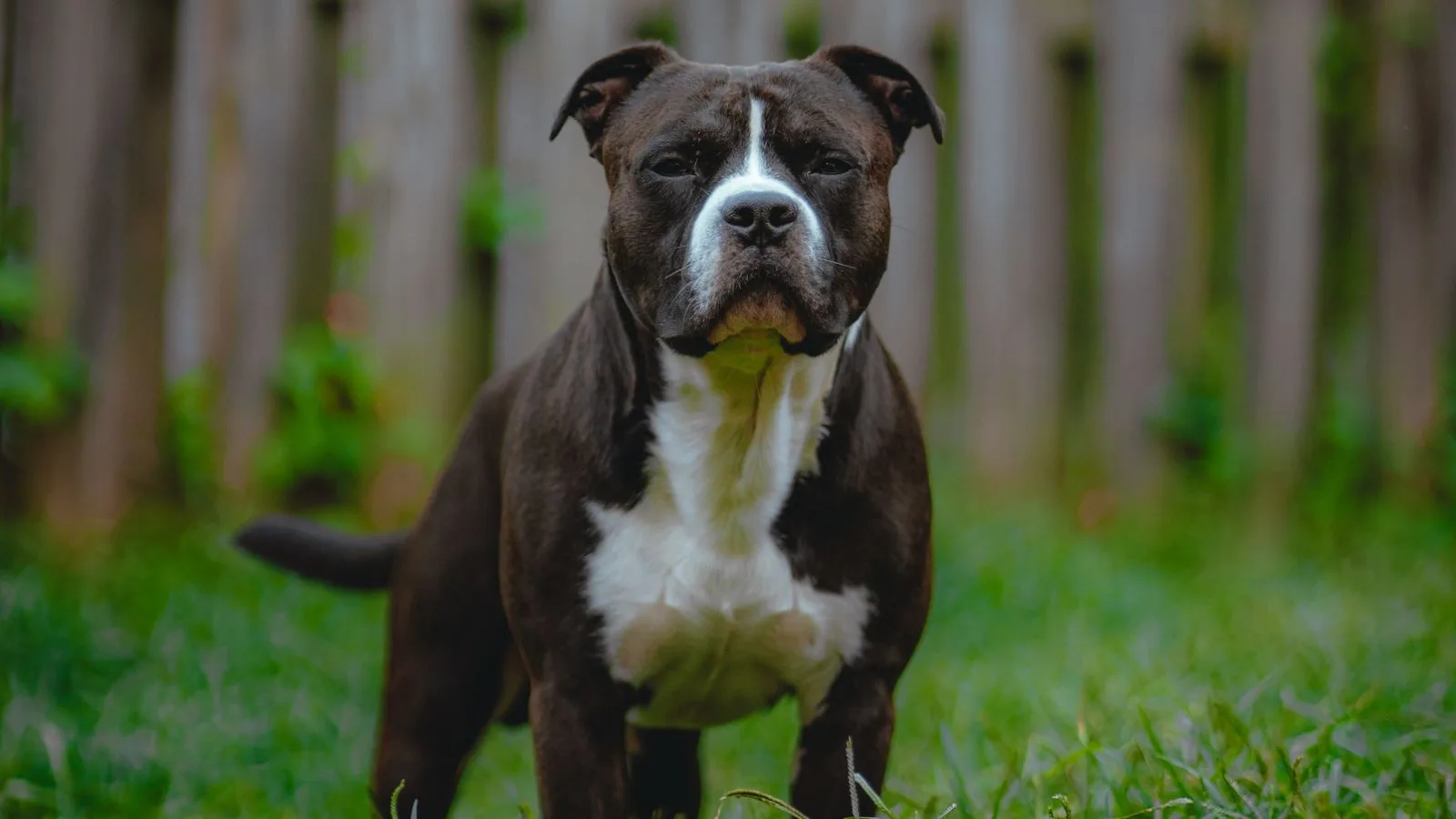
Georgetown · Dog Bite
Georgetown Dog Bite Lawyer
A dog bite or animal attack claim in Georgetown proceeds under two intersecting theories: strict liability when the owner knew or had reason to know the animal had dangerous propensities — the Texas common-law rule from Marshall v. Ranne — and ordinary negligence when the owner failed to restrain or control the dog, such as by violating a local leash ordinance in a Sun City neighborhood or a park near the San Gabriel River. The key fact question in most Georgetown cases is what the owner knew before the attack, which is established through animal-control records, neighbor statements, and prior incident documentation. Cases are filed in the Williamson County district courts on the Georgetown square, and the two-year statute under § 16.003 applies, tolled until age eighteen for minor victims.
Why Georgetown cases are different
Whether it happens in a Sun City neighborhood, along a Williams Drive walking route, or on the trails near the San Gabriel River, a Georgetown dog attack raises a specific question under Texas law: what the owner knew about the animal, and whose homeowner's policy will answer for the harm.
Texas owner liability and the negligence path
Texas does not impose automatic strict liability for every dog bite. Two main theories apply. The first is the so-called one-bite rule from Texas case law: an owner is liable when they knew or should have known the dog had dangerous propensities, often shown by a prior bite, aggressive lunging, or warnings from neighbors. The second is ordinary negligence, where the owner failed to use reasonable care to control or restrain the animal, such as letting a dog roam off-leash in a Sun City neighborhood or on a Georgetown trail in violation of leash rules. The two paths can run together. Evidence is the difference between them, so we gather animal-control complaint history, veterinary and breed records, neighbor statements, and any documentation of prior incidents, because establishing the owner's knowledge transforms a defended case into a strong one.
Severe and facial injuries, and where the coverage comes from
Dog attacks cause wounds that are different in kind from most accident injuries: deep puncture and tearing wounds, crush injuries, nerve damage, infection risk, and facial injuries that often require plastic-surgical repair and leave permanent scarring. Children are bitten on the face and head at far higher rates because of their height relative to the animal, and the long-term scarring and psychological impact drive much of the damages. Georgetown bite victims are commonly treated at St. David's Georgetown on Wolf Ranch Parkway, with severe or pediatric facial trauma sometimes referred onward. Recovery in these cases almost always runs through the dog owner's homeowner's or renter's insurance, which typically includes liability coverage for animal injuries, though some policies carry breed exclusions or animal-liability limits. We identify the applicable policy and any exclusions early, because the coverage available frames what a serious scarring or reconstructive claim can realistically resolve for.
More in Georgetown
Other ways we help Georgetown injury victims.




Frequently asked
Georgetown dog bite questions
- Yes. You can recover by showing the owner knew or should have known the dog was dangerous, often through a prior bite or aggression, or that the owner was negligent in restraining or controlling the animal, such as letting it run off-leash. Most Georgetown cases proceed on one or both theories, and animal-control records and neighbor statements are what establish the owner's knowledge.
- Usually the dog owner's homeowner's or renter's insurance, which commonly includes liability coverage for injuries the pet causes. Some policies have breed exclusions or capped animal-liability limits, so we identify the policy and its terms early. Where the owner has no coverage, we look for other responsible parties, such as a landlord or property manager who knew of a dangerous animal on the premises.
- It raises the stakes considerably. Children are bitten on the face and head far more often, and these wounds frequently require plastic-surgical repair and leave permanent scarring, with real psychological effects. Texas also pauses the limitations period for a minor, so a child's claim has a longer deadline. We document the treatment, scarring, and emotional impact thoroughly, because those long-term harms carry the value of a pediatric case.
- Not materially on liability. A dog owner's duty to restrain a dangerous animal applies on public trails just as it does on private property. If the attack occurred on city-managed park land, the City of Georgetown could potentially be a defendant if it had notice of a dangerous animal using the trail and failed to act, but the primary claim remains against the dog owner under the same one-bite and negligence theories.
- Prior bites are the clearest evidence but not the only kind. Aggressive lunging at people, snapping, growling at passersby, a history of escaping its enclosure to chase neighbors, and complaints to Williamson County or city animal control all demonstrate dangerous propensities the owner should have known about. We gather animal-control records, neighbor statements, and any veterinary notes that document behavioral concerns, because together they show what the owner knew before your attack.
- Possibly through other avenues. If the homeowner's policy excludes the breed, we look at whether the owner has an umbrella policy, whether a landlord or property manager had independent knowledge of the animal and failed to act, which can trigger their own commercial liability coverage, and whether the attack occurred in a context, such as a daycare or business, that carries separate coverage. Breed exclusions close one lane but do not necessarily end the recovery analysis.
Where we work from
Downtown Austin. Georgetown clients welcome.
Our office is in downtown Austin; we represent Georgetown-area clients statewide and travel to Georgetown for case-specific needs (scene visits, medical-records consultations, court appearances). Home and hospital visits when injuries make travel difficult.
Talk to a Georgetown dog bite lawyer.
Free case review, no obligation. We'll tell you straight whether we can help.