
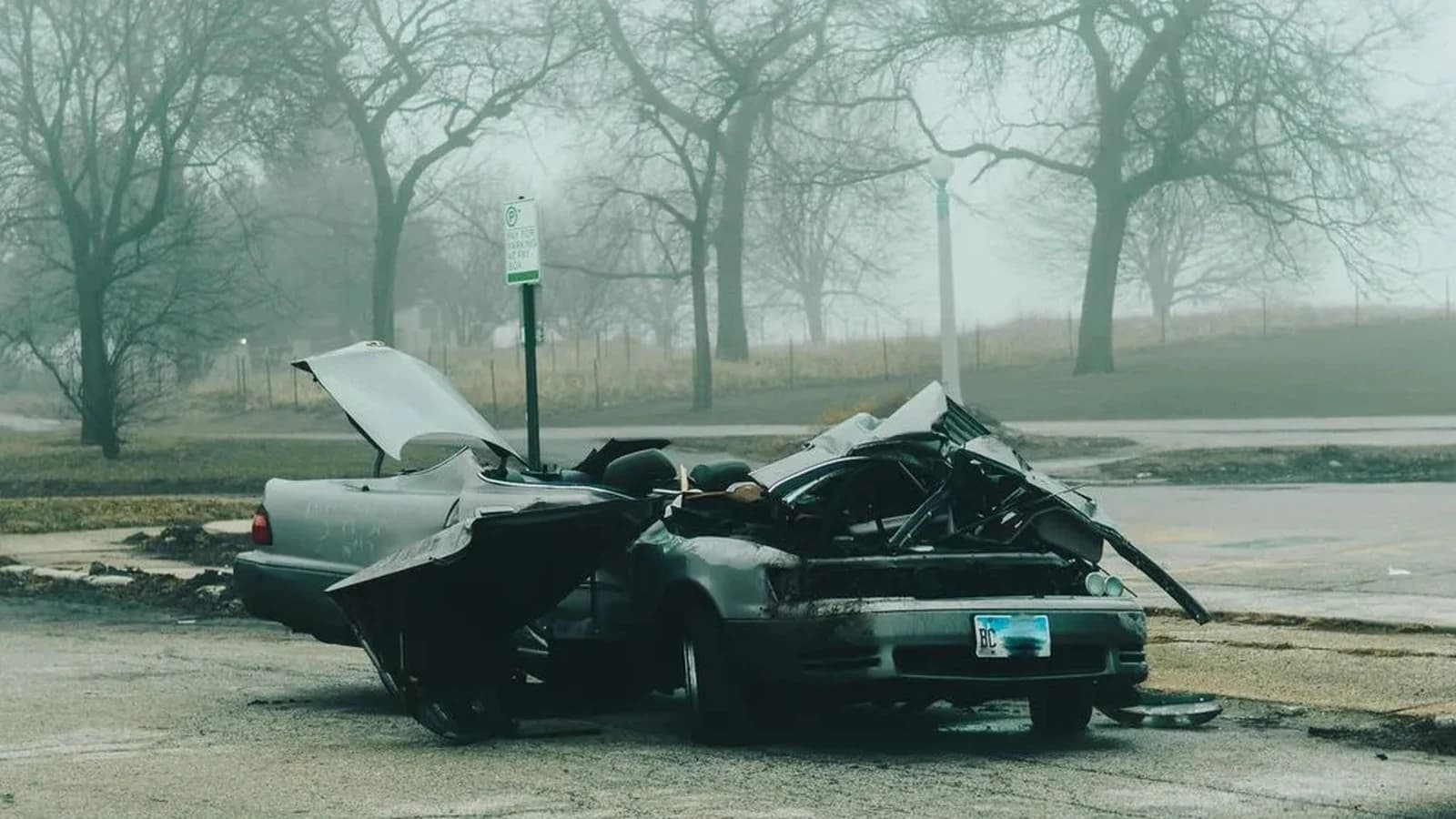
Garland · Car Accident
Garland Car Accident Lawyer
A car accident claim in Garland is a personal injury case arising from a collision between passenger vehicles on roads such as the President George Bush Turnpike, I-635, SH-78, or the surface arterials feeding Lake Ray Hubbard. Texas is an at-fault state, so the injured driver pursues the negligent party's liability insurer. Under Tex. Civ. Prac. & Rem. Code § 33.001, a Garland claimant can recover as long as their share of fault is 50 percent or less, with damages reduced by their percentage. Suits are filed in Dallas County district court at the George L. Allen Sr. Courts Building, and the two-year filing deadline runs from the date of injury under § 16.003.
Why Garland cases are different
Garland's car-crash docket is shaped by a freeway grid no other Dallas County city shares: I-635 along the south edge, the President George Bush Turnpike cutting east-west, I-30, and SH-78 feeding Lake Ray Hubbard. Cap City represents Garland drivers statewide from Austin.
Where Garland crashes happen and what fault looks like
The PGBT through the middle of Garland produces high-speed sideswipes and exit-ramp rear-ends at the Jupiter Road, Shiloh Road, and Northwest Highway interchanges, while I-30 to the south generates evening-peak rear-end pileups toward Mesquite and Rockwall. SH-78 (Lavon Drive) concentrates intersection collisions at Northwest Highway, Centerville Road, and Broadway. Each pattern carries a different fault story: an exit-ramp rear-end usually points squarely at the following driver, but a surface-street intersection wreck on Lavon Drive can turn on signal timing, right-of-way, and witness accounts. Texas runs modified comparative responsibility under Chapter 33, so a careful liability presentation matters. You can recover when your share of fault is 50 percent or less, with damages reduced by your percentage, which makes every disputed point worth pinning down with the crash report and physical evidence.
Insurance limits and the early-offer problem
Many Garland collisions involve commuter drivers carrying minimum or modest Texas liability coverage, which means the at-fault policy may not cover a serious injury. That is where your own uninsured and underinsured motorist coverage becomes the difference between a real recovery and a token one, and UM/UIM claims have their own notice and proof requirements that are easy to forfeit by accident. Insurers tend to price a first offer off the ER discharge summary from Baylor Scott & White Medical Center Garland, before follow-up imaging captures the soft-tissue and disc injuries that ER X-rays miss. We decline recorded statements early, gather the second- and third-week orthopedic and pain-management records, and build the demand on the complete medical picture rather than the day-of-injury snapshot the adjuster wants to settle on.
What to do after a Garland car accident
Start with safety and a complete record. Call 911, get medical care for any injury, photograph the vehicles and road conditions if you can do so safely, exchange information, and keep every bill and discharge paper. Do not guess about fault or give a recorded statement to the other driver's insurer before you understand your injuries and coverage. Preserve dashcam, toll, and vehicle evidence quickly. If the crash involves a serious injury, a commercial vehicle, disputed fault, or an early settlement offer, a case review can help identify the evidence and coverage issues before they narrow your options.
More in Garland
Other ways we help Garland injury victims.



Frequently asked
Garland car accident questions
- Be cautious. Early offers are usually built on the ER discharge summary, before follow-up imaging from Baylor Scott & White Garland reveals soft-tissue or disc injuries the X-rays missed. Once you sign a release, you cannot reopen the claim if your condition worsens. Have the offer reviewed against your full treatment picture before you accept anything or give a recorded statement.
- Garland is in Dallas County, so a suit exceeding the JP-court ceiling is typically filed at the George L. Allen Sr. Courts Building on Commerce Street in downtown Dallas, then randomly assigned among the county's civil district courts. Dallas County juries have been comparatively receptive on injury damages, so venue there is often meaningful when the facts allow it.
- Your own uninsured/underinsured motorist coverage may pay for your injuries even though the other driver cannot. UM/UIM is sold with most Texas auto policies unless you rejected it in writing. These claims have specific notice and consent rules, so the steps you take with your own insurer in the first weeks matter to whether the coverage ultimately responds.
- Two years from the date of the crash under Tex. Civ. Prac. & Rem. Code § 16.003. If the at-fault vehicle was operated by a government entity such as the City of Garland or DART, a pre-suit notice under the Texas Tort Claims Act must be filed within six months, and missing that window can forfeit the claim entirely. Evidence deadlines are practically much shorter than the legal filing deadline.
- Yes, but it does not necessarily eliminate your recovery. Texas modified comparative fault means your damages are reduced by whatever percentage of fault is assigned to you, but only if your share reaches 51 percent or more do you recover nothing. On a surface arterial like Lavon Drive where signal timing and right-of-way are contested, thorough liability work shifts fault back toward the at-fault driver.
- Multi-vehicle pileups on I-30 create layered fault questions: each driver's actions are assessed, and liability may be split among several defendants. Texas law allows you to pursue all responsible parties in the same suit. Insurance coverage from multiple policies can come into play, and UM/UIM on your own policy backstops gaps when one or more at-fault drivers are underinsured.
- Move to safety if you can, call 911, and seek medical care even when symptoms seem minor. Photograph the vehicles, roadway, traffic controls, and visible injuries; collect witness and insurance information; and save medical records, bills, and messages from insurers. Avoid admitting fault or giving the other driver's insurer a recorded statement before you understand the full injury and coverage picture. Evidence such as dashcam, toll, and vehicle data can disappear quickly, so serious-injury, commercial-vehicle, disputed-fault, and early-offer cases deserve prompt review.
Where we work from
Downtown Austin. Garland clients welcome.
Our office is in downtown Austin; we represent Garland-area clients statewide and travel to Garland for case-specific needs (scene visits, medical-records consultations, court appearances). Home and hospital visits when injuries make travel difficult.
Talk to a Garland car accident lawyer.
Free case review, no obligation. We'll tell you straight whether we can help.