
By Cap City Injury Attorneys15 min read
Swimming Pool Accident Lawyer Austin: Texas Claims Guide
A swimming pool accident lawyer Austin guide to Texas liability, pool hazards, evidence preservation, child claims, public pools, and filing deadlines.
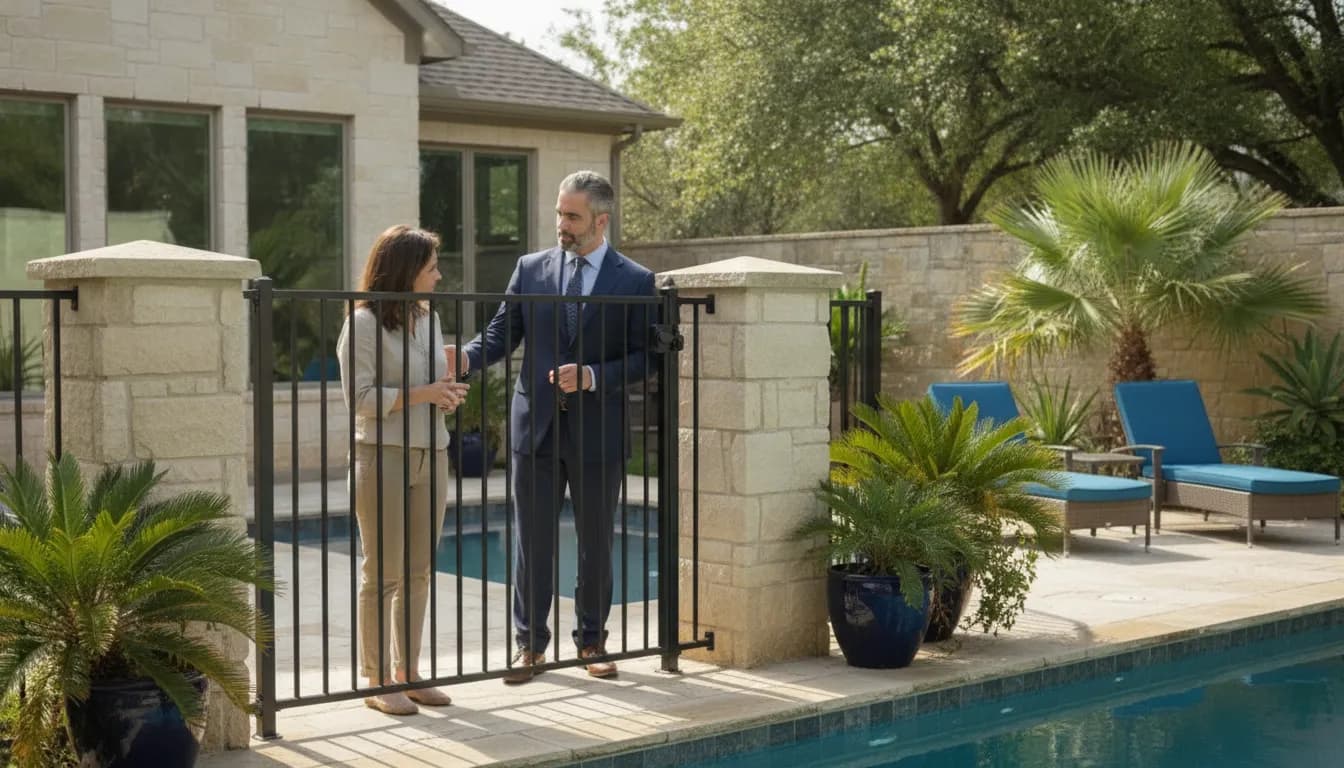
A pool emergency can leave a family facing urgent medical needs and difficult questions about how it happened. In Austin, responsibility is not automatic just because someone was hurt at a pool; the specific condition, who controlled the property, and what they knew can matter. Those questions fall within Texas premises liability.
For families searching the phrase swimming pool accident lawyer austin, a potential claim generally depends on evidence that a responsible party had a legal duty, failed to meet it, and caused the injury. The facts can differ at a private home, apartment complex, hotel, or public pool.
Contact Cap City Injury Attorneys to discuss a pool injury.
Understanding who maintained the pool, managed access, or responded to a known hazard can help clarify where to look next.
How Can a Swimming Pool Accident Lawyer in Austin Assess Liability?
Responsibility depends on the circumstances, not simply on who owns the property or where the accident happened. A claim may involve premises liability, which generally asks whether a party owed a duty, failed to meet it, and caused an injury through that failure. The condition of the pool area, the party's role, and what that party knew or should have known all matter.
For example, an owner may control the premises, while an operator or property manager may handle day-to-day inspections and safety procedures. A maintenance company could be relevant if its assigned work involved the condition that led to the injury. Those roles do not establish liability by themselves. Evidence must connect a party's responsibility or conduct to the hazard and resulting harm.
Notice is often important. Was a dangerous condition reported, observed during an inspection, or present long enough that a responsible party reasonably should have discovered it? Records, witness accounts, inspection practices, repair requests, and the condition itself may help answer those questions. The analysis also considers causation: whether the alleged failure actually contributed to the injury, rather than merely occurring around the same time.
The potential parties can differ by setting. At a hotel, the operator and other entities responsible for pool maintenance may have distinct roles; hotel pool injury claims may involve those details. In an apartment complex, evidence about who managed a shared pool or handled repairs may matter; see these apartment pool safety hazards.
Investigators therefore look beyond a deed or management label to determine who controlled the relevant area, had responsibility for the condition, and had notice of it. Texas premises-liability claims turn on the specific facts and evidence, so identifying a possible party is not the same as proving that party is legally responsible.
What Duties Apply to Pool Owners and Operators Under Texas Law?
Texas law does not impose one identical duty on every person connected to a swimming pool. In a premises-liability claim, the analysis can depend on why the injured person was there, who controlled the area, and what the responsible party knew or reasonably should have known about a hazard. Evidence may need to show that a dangerous condition existed, the relevant party had actual or constructive notice of it, and a failure to address or warn about it contributed to the injury. An accident by itself does not establish that an owner or operator was negligent.
Control matters as much as ownership. Depending on the arrangements and evidence, responsibility may involve a property owner, hotel or apartment operator, manager, or maintenance company. For example, a claim involving a hotel pool may raise different control and maintenance questions from an incident at a tenant's apartment complex. Read more about hotel injury claims and apartment complex injury claims.
Texas statutes also cover specific pool settings and safety subjects; they are not a blanket checklist that applies identically to every residential pool. Chapter 757 of the Texas Health and Safety Code addresses pool-yard enclosures in defined situations. Its scope depends on the pool and property facts, so its requirements should not be assumed to cover every pool or every incident.
Public pools have a distinct regulatory framework. The Texas Department of State Health Services identifies Health and Safety Code Sections 341.064 and 341.0645, Chapter 757, and 25 Texas Administrative Code Chapter 265, Subchapter L among the relevant authorities. Those public-pool rules address matters such as operation and management, water quality, safety standards, signage, enclosures, and safety features intended to reduce drowning or injury risks. The details depend on the facility and applicable rule.
These distinctions can make a pool-injury claim fact-specific. The pool's setting, the parties' roles, the visitor's status, prior complaints or inspections, and the condition that caused harm may all matter. This is general information, not legal advice about a particular incident.
What Causes Pool Injuries and Drownings?
Pool incidents can involve a combination of a person's actions and conditions around the water. A slick or uneven deck may contribute to a fall. A gate that does not close or latch may allow a child to reach the pool. A damaged or poorly protected drain may create an entrapment risk. Poor visibility, unclear depth markings, or missing or hard-to-see warnings may also matter in some circumstances. These are examples to investigate, not proof that a particular owner violated a rule. Requirements can vary with the pool, property, and applicable law.
Drowning and other serious injuries can happen quickly, including when a person is nearby. The CDC estimates that about 4,000 fatal and 8,000 nonfatal unintentional drownings occur in the United States each year. Those national figures describe the scale of the harm, not what caused a specific incident or who is legally responsible. CDC drowning facts.
To assess causation, investigators look at what happened before and during the incident, the condition of the pool and surrounding area, and whether a particular hazard contributed to the injury. Relevant evidence may include maintenance and inspection records, prior complaints, gate or drain condition, water clarity, applicable safety rules, and available video. Responsibility depends on the facts, including who controlled the area and what they knew or reasonably should have known. It should not be assumed that an injured person or a child is to blame simply because they were swimming or fell; the circumstances and each party's conduct need careful review.
Apartment pool cases can involve issues such as broken gates, slippery decks, drain entrapment, or inadequate depth markings. These conditions are discussed in more detail in this overview of apartment-complex pool hazards.
How Do Child Pool Injuries and Attractive Nuisance Claims Work?
A child injured at a pool may have a premises-liability claim, but the legal analysis depends on the property, the hazard, and the circumstances of access. If a child entered without permission, the attractive-nuisance doctrine may be relevant. In general, it concerns a dangerous artificial condition that a property owner should reasonably anticipate could draw children who may not recognize or understand the risk. The doctrine does not make every pool an attractive nuisance, and the presence of a pool alone does not establish liability.
Whether the doctrine applies can turn on the child's age and ability to appreciate the danger. It may also depend on whether the owner should have anticipated that children might come onto the property, and on the nature and seriousness of the condition. A court may also weigh the condition's usefulness against the burden of taking precautions and consider whether reasonable care could have reduced the risk. Evidence about barriers, gates, locks, prior access, and the property's layout may help explain what was foreseeable and what steps were reasonable. Texas law and the specific facts control; a claim requires more than showing that an accident happened.
Texas law also addresses limitations periods when an injured person is a child. Chapter 16 generally treats a person younger than 18 as under a legal disability, and excludes the period of disability from a limitations period when it exists at the time the claim accrues. That rule is not a reason to assume every deadline automatically runs from a child's 18th birthday. The accrual date, the claim and parties involved, and other applicable rules can affect timing. See Texas Civil Practice and Remedies Code Chapter 16. Because a child's injuries may require continuing care and legal deadlines can be fact-specific, families should preserve relevant records and get advice about the particular situation promptly.
What Evidence Should Be Preserved After a Pool Accident?
After a pool accident, put immediate safety and medical care first. Once the injured person is safe and urgent needs are addressed, preserve information that may help show what happened, what conditions were present, and who was responsible for maintaining the area. Conditions can change quickly, so record what you can without delaying care or putting anyone at risk.
- Write down the timeline and location. As soon as practical, note the date, time, exact part of the pool area, and what happened before, during, and after the injury. Record weather, lighting, water visibility, and any hazards you observed. Keep the account factual, and distinguish what you personally saw from what someone else reported.
- Photograph or record the scene. If it is safe and permitted, capture the pool, deck, gates, locks, drains, signs, lighting, and any condition that may have contributed. Take both wide views and close-ups. Do not alter or clean up the scene to make it look clearer. Preserve original files and note when they were taken.
- Get witness and incident information. Ask witnesses for their names and contact details, and write down what each person observed in their own words. Request a copy of any incident report or note who prepared it and when. Keep your own account separate from statements made by others.
- Request preservation of surveillance footage promptly. Identify cameras that may have recorded the pool or nearby access points, then make a dated written request that relevant footage be preserved. Video may capture the accident, a condition beforehand, or events afterward. Learn more about how security footage can help an injury claim.
- Keep records and communications. Save medical records and discharge instructions, messages with the owner or operator, and any written replies. Where available, preserve inspection and maintenance records, repair requests, and vendor communications. These materials may help clarify how the area was monitored and maintained; their significance depends on the circumstances.
What If the Accident Happened at a Public Pool?
A claim involving a city-operated pool or another government-run recreational facility may raise issues that do not arise in the same way at a privately owned pool. Texas law includes public-pool health and safety regulations, but a regulatory violation alone does not establish who is legally responsible for an injury. The facility's operator, the hazard, the injured person's use of the property, and the available evidence all matter.
It also matters whether a city, district, or other public body owns or operates the pool, or whether another entity handles maintenance or supervision. Those roles can affect which rules and procedures apply, so the pool's ownership and operating arrangement should be identified early.
The Texas Department of State Health Services overview of public-pool laws and rules identifies state statutes and administrative rules covering public pools and spas. Those rules address areas such as operation, water quality, safety, signage, and enclosures. Which requirements apply depends on the facility and circumstances, so the specific rule and condition should be examined rather than assuming every pool is governed identically.
When a governmental entity is involved, governmental immunity and the Texas Tort Claims Act may also affect whether a claim can proceed. It can matter whether a city, district, or other public body owns or operates the pool, and whether another entity is responsible for maintenance or supervision. The recreational-use statute can further change the duty and proof required when premises are open for recreation. In Suarez v. City of Texas City, the Texas Supreme Court discussed those rules in a case arising from drownings at a man-made beach. The opinion explains that, in certain recreational-use circumstances, a claimant seeking to invoke the Tort Claims Act's immunity waiver may need to prove gross negligence, malicious intent, or bad faith. It also discusses the distinction between hidden dangerous artificial conditions and risks that are open or inherent. The decision is not a blanket rule for every public pool accident.
Public-entity claims may involve special procedural requirements, including notice issues, so do not assume the rules or timelines for a private-pool claim apply. Preserve available records and seek advice promptly. A private pool claim generally follows a different legal path, even when the physical hazard looks similar.
How Long Do You Have to File a Texas Pool Injury Claim?
Texas generally requires a person to bring a lawsuit for personal injury or death within two years after the legal claim accrues. The deadline appears in Section 16.003 of the Texas Civil Practice and Remedies Code. That is a general rule, not a date that can be safely calculated from a brief description of an accident.
The date a claim accrues can depend on the circumstances and the type of claim. A pool injury case may also involve multiple claims or parties, and different legal rules can affect when a limitation period begins or how it applies. Do not assume the deadline is simply two years from the day you first noticed a problem or spoke with an insurer.
Texas law also treats a person younger than 18 as under a legal disability for this limitations subchapter. If a claim accrues while that disability exists, the disability period is generally not counted in the limitations period under Section 16.001. This rule should not be read as a guarantee that a child or family can wait until a particular date to act. The claim type, the people involved, and other applicable rules can matter.
Claims involving a city, county, or other governmental entity can raise separate notice requirements, which may have much shorter time limits than the general deadline for filing suit. A public-pool incident can also involve special legal issues. Preserve relevant records and get advice promptly rather than relying on a general deadline. The correct timing depends on the facts, and missing a deadline can affect the ability to pursue a claim.
How Do Private, Apartment, Hotel, and Public Pool Claims Differ?
The setting can change which records matter and which parties may have control. This comparison is only a starting point; it does not decide fault or replace a review of the actual arrangement.
| Pool setting | Questions to investigate | Records or conditions that may matter |
|---|---|---|
| Private residence | Who controlled the pool and access? What was the condition of barriers, gates, or equipment? | Photos, gate or enclosure details, maintenance records, prior reports |
| Apartment complex | Who managed shared areas, inspections, repairs, and resident access? | Work orders, resident complaints, inspection schedules, vendor records |
| Hotel or resort | Which operator or contractor handled pool operation and maintenance? | Incident reports, service records, warnings, available surveillance |
| Public facility | Is a government entity involved, and do immunity or recreational-use rules apply? | Ownership and operator identity, applicable regulations, notice and incident records |
For property-specific examples, see the firm's guides to apartment pool hazards and hotel pool injury claims. The legal analysis still depends on evidence of duty, control, notice, and causation.
Contact Cap City Injury Attorneys to discuss your pool injury questions.
Frequently Asked Questions
These general answers explain common questions about pool injuries in Austin and Texas. The rules that apply to an individual incident depend on the facts and parties involved.
Who may be responsible if someone is injured in a pool?
Responsibility depends on who controlled or maintained the pool area and whether an unsafe condition, a failure to address a known risk, and the injury are connected. An owner, operator, property manager, or maintenance company may be relevant, but involvement alone does not establish liability. The evidence and circumstances matter.
Can an apartment complex or hotel be responsible for a pool injury?
Possibly. A claim may involve the property owner, operator, manager, or a maintenance provider, depending on their roles and the condition involved. Relevant evidence can include gate or deck conditions, inspection and maintenance records, and prior reports. An apartment or hotel setting does not make responsibility automatic.
What changes if the injury happened at a public or city pool?
Public-pool claims can involve additional rules. Texas identifies statutes and regulations addressing public-pool operation, safety, signage, and enclosures. If a government entity is involved, governmental-immunity and recreational-use rules may affect the duties, proof, and notice requirements. The specific pool and defendant should be identified promptly because the applicable procedures can differ.
How long is the deadline for a Texas pool injury claim, especially for a child?
Texas generally sets a two-year period for personal-injury and death suits. The statute also treats a person under 18 as having a legal disability and excludes the period of disability in specified circumstances. That does not resolve every timing issue, particularly when a government entity or other special rule may apply. Have the dates and circumstances reviewed rather than relying on a general deadline. Texas Civil Practice and Remedies Code, Chapter 16.
Get Started With a Conversation About a Pool Incident
After a pool injury or drowning incident, it can be difficult to know which details may matter or what questions to ask. If you are considering your options, you can describe what happened and ask about possible next steps without assuming that any particular outcome is guaranteed. The circumstances of each incident are different, and this conversation is simply a way to discuss your concerns. You can share what you feel comfortable discussing without having every detail organized first. To discuss an Austin swimming pool injury or drowning incident with Cap City Injury Attorneys, reach out through our contact page.
More on the blog
Keep reading.
14 min read
Traumatic Brain Injury Lawyer Austin: Costs and Options
Traumatic brain injury lawyer Austin guidance on TBI documentation, long-term costs, Texas damages, insurance questions, and legal options for injured families.
By Cap City Injury Attorneys
14 min read
Dog Bite Lawyer Austin: Texas Claim Guide
Dog bite lawyer Austin guidance on Texas liability, evidence, damages, immediate steps, and the filing deadline after an attack. Learn what to document.
By Cap City Injury Attorneys
Let's talk about your case.
Free case review, no obligation. We'll tell you straight whether we can help.