
By Cap City Injury Attorneys16 min read
Premises Liability Lawyer in Texas: What to Know
Learn how a premises liability lawyer can help after an injury on someones property in Texas, from owner duties and common claims to evidence and compensation.
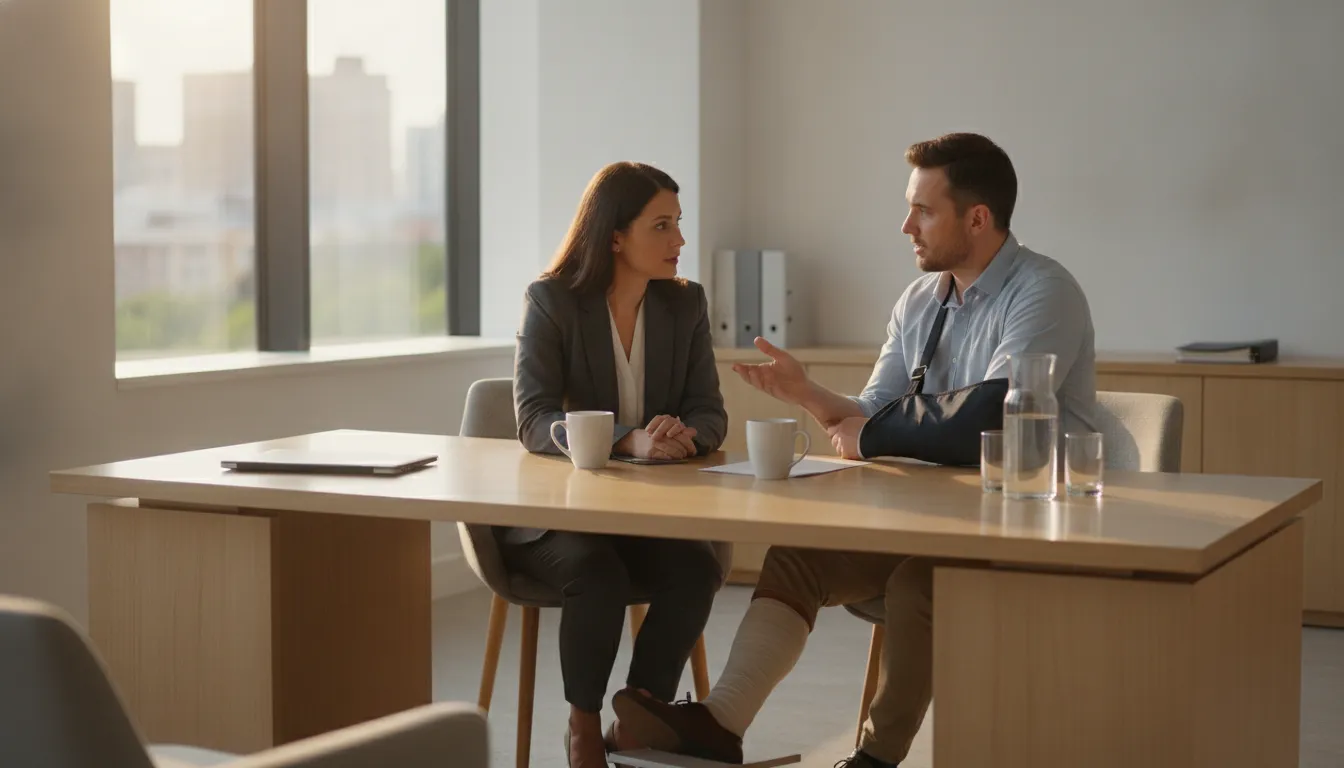
An injury on someone else's property can leave you dealing with pain, medical bills, and uncertainty about who is responsible. In Texas, the answer often depends on what caused the injury, who controlled the property. And whether that person or business knew, or should have known, about a dangerous condition.
A premises liability lawyer helps investigate the property, identify the responsible party, gather evidence. And evaluate whether the owner or occupier failed to take reasonable steps to protect visitors.
If you were hurt, photograph the condition if possible, keep incident reports and medical records, and write down what you remember while the details are fresh. Understanding when premises liability applies starts with the legal duty a property owner or occupier may owe you.
Contact Cap City Injury Attorneys about your situation for practical guidance
What Is Premises Liability and When Does It Apply?
A premises liability lawyer handles injury claims involving unsafe conditions on property controlled by someone else. The legal theory focuses on the condition of the premises, the responsible party's relationship to the property, and whether reasonable steps could have prevented the harm. It may apply to a fall caused by a hazardous surface, an injury linked to inadequate security, or another dangerous condition that a visitor could not reasonably anticipate.
In Texas, the person who may be responsible is not necessarily the deeded property owner. Liability can extend to anyone who occupies and controls the property, including a tenant, lessee, or property manager. The central question is whether the defendant had possession or control of the area where the injury occurred. The Texas Real Estate Research Center at Texas A&M explains this control-based approach in its guide to land occupiers' liability.
The duty to keep visitors reasonably safe
Property owners and occupiers generally owe invitees a duty to use reasonable care to keep the premises safe. An invitee is typically someone entering for a mutual benefit, such as a customer at a store or a guest at a business. Depending on the circumstances, reasonable care may include inspecting the property, correcting a dangerous condition, or giving an adequate warning when a hazard is not open and obvious.
That duty is not an automatic guarantee that every visitor will avoid injury. A claim usually requires a closer examination of what the responsible party knew or should have known. Whether the condition created an unreasonable risk, and whether the condition caused the injury. The visitor's status, the property's use, and the facts surrounding the incident can all affect the analysis.
Premises liability versus general negligence
Premises liability usually concerns an injury caused by a condition of the property, such as a broken step, wet floor, inadequate lighting, or another physical hazard. General negligence, by contrast, more often concerns an active act or failure to act that directly causes harm, such as careless driving or unsafe conduct during an activity. The distinction matters because different duties and proof requirements may apply.
Some incidents can involve both theories. For example, a business might be accused of failing to maintain a safe entrance and of negligently managing an activity taking place there. A careful review identifies who controlled the area, what created the danger, and whether the injury resulted from the property condition, an active conduct, or both.
Common Types of Premises Liability Claims
Premises liability can arise from many hazards, not only a wet floor. The common thread is an injury connected to a condition on property that someone else owns, occupies, or controls. Common examples include:
| Claim Type | Typical Hazard | Who It Affects |
|---|---|---|
| Slip and fall | Spilled liquids, wet floors, poor lighting, or missing warnings | Customers, employees, tenants, and invited guests |
| Trip or unsafe stairwell | Uneven flooring, broken steps, loose handrails, or inadequate lighting | People walking through stores, offices, apartments, or homes |
| Dog bite or animal attack | An uncontrolled, aggressive, or improperly restrained animal | Visitors, delivery workers, children, and other people on the property |
| Negligent security | Insufficient lighting, broken locks, missing cameras, or inadequate security measures | Residents, guests, shoppers, and patrons exposed to foreseeable criminal acts |
| Swimming pool injury | Unsecured access, unsafe diving conditions, defective equipment, or a lack of supervision | Children, guests, tenants, and recreational visitors |
| Uncleared debris, snow, or uneven surfaces | Accumulated materials, slick walkways, potholes, or changing ground levels | Pedestrians, customers, tenants, and workers |
Slip and fall, trip, and surface hazards
Slip and fall claims often involve a liquid, substance, or condition that makes a walking surface unsafe. Trip claims may involve an uneven sidewalk, damaged flooring, a broken stair, or a loose handrail. Snow, debris, and poor lighting can make an existing hazard harder to see or avoid. If you were hurt in this type of incident, the Texas slip and fall premises liability guide provides more background on the issues that may matter.
Animal attacks and swimming pool injuries
Dog bites may fall under premises liability when the injury is connected to an animal kept or allowed on the property. The circumstances still matter, including where the animal was, whether the person had permission to be there, and what the property occupant knew. Swimming pool claims can involve access controls, maintenance, supervision, or other unsafe conditions. These cases may be especially serious when a child is injured.
Negligent security
Negligent security generally refers to a failure to provide reasonable security against foreseeable criminal acts. A claim may involve inadequate lighting, broken entry controls, or other security gaps, but foreseeability and the property's circumstances are important. A premises liability claim is not automatic after every crime or accident. The evidence must connect the hazard or security failure to the injury. For a fall-related claim, a slip and fall injuries lawyer can help evaluate the condition, notice, and available records.
Who Owes You a Duty? Property Owner Responsibilities in Texas
In Texas, the person responsible for a dangerous property condition is not always the deeded property owner. A landlord, tenant, manager, or other party that occupies and controls the property may also have potential liability. The central question is often who had control over the area and the ability to address the hazard.
Texas law generally places visitors into three categories: invitees, licensees, and trespassers. That classification matters because the duty owed can change based on why the person entered the property and whether the owner gave permission. The Texas Real Estate Research Center explains these classifications and related land-occupier duties.
Invitees
An invitee enters property for a mutual benefit. A customer shopping at a store is a common example. Property owners and occupiers generally owe invitees the highest level of care among the three categories. They must use reasonable care to inspect for dangerous conditions and warn about or correct hazards they know about, or reasonably should have discovered through a proper inspection.
This duty can include addressing a hidden or latent defect, meaning a danger that is not readily apparent to a reasonable visitor. If an owner knew about an unreasonably dangerous condition and failed to provide an adequate warning, the owner may face liability when that condition causes an injury. Whether the owner should have known about it can also matter.
Licensees
A licensee enters with permission but for the licensee's own purpose. A social guest visiting someone's home is a typical example. The property owner still may have a duty to warn a licensee about dangerous conditions the owner actually knows about. When the visitor is unlikely to discover the danger independently. The duty is generally narrower than the duty owed to an invitee because the visit is not for the owner's mutual business benefit.
Trespassers and child visitors
Trespassers enter without permission. Texas generally imposes the lowest duty toward an adult trespasser, typically requiring the landowner to avoid intentionally injuring that person. A limited exception may apply when children are drawn to a dangerous condition on the property. Under the attractive nuisance doctrine, a landowner may have additional responsibility for injuries to child trespassers in certain circumstances.
There is also an important limit on warning duties. Owners generally do not have to warn about hazards that are open and obvious to a reasonable person. Still, a condition's visibility, the visitor's status, and the circumstances surrounding the accident can affect the analysis. A premises liability lawyer evaluates those details rather than assuming that an injury automatically establishes fault.
How Do You Prove a Premises Liability Claim in Texas?
A successful premises liability claim usually depends on connecting an unsafe property condition to a legal duty, a failure to act, and a measurable injury. Texas premises-defect claims commonly turn on who controlled the property, whether the condition created an unreasonable risk. And whether the responsible party knew or should have known about it. The following steps can help preserve the proof.
-
Identify who owed you a duty
Start by determining who occupied or controlled the property when the incident occurred. That may be an owner, tenant, property manager, or another person responsible for the premises. The duty can also depend on your status, such as customer, invited guest, or trespasser. The Texas premises liability overview from Texas Legal Brains explains how the person controlling the property and the circumstances of entry affect the duty owed.
-
Show that the condition was dangerous and the duty was breached
You generally must show that a condition presented an unreasonable risk of harm and that the owner or occupier failed to take reasonable action. This may involve failing to repair a hazard, failing to inspect for it, or failing to provide an adequate warning. An owner may be liable for a hidden dangerous condition that was known but not disclosed. Liability may also arise when the owner should have discovered the condition through a reasonable inspection. That second concept is called constructive knowledge.
-
Connect the condition to the accident
The evidence must support that the dangerous condition caused your fall, collision, exposure, or other incident. Photograph or record the hazard as soon as possible, ideally from several angles. Conditions can be cleaned, repaired, moved, or removed quickly. Keep any incident report, written notice, messages, and photographs that show where the hazard was located and how it appeared when you were injured.
-
Document your damages and preserve supporting evidence
Medical records, bills, work records, and a clear account of your symptoms can help establish the harm caused by the incident. Collect contact information for anyone who saw the condition, the accident, or the response afterward. Ask the property owner or manager to preserve surveillance video, inspection logs, maintenance records, and incident reports. In complex cases, expert testimony may be needed to explain the nature of the hazard or the applicable standard of care. Because evidence may disappear and legal deadlines can apply, consider discussing the facts with a premises liability lawyer promptly.
What Compensation Can You Recover? And the Time Limit
A successful premises liability claim may cover losses tied to the injury. But the available damages depend on the evidence, the severity of the harm, and the circumstances of the accident. No two claims are identical, and no result can be promised in advance.
Common categories of compensation
Economic damages are the financial losses you can document. They may include emergency treatment, hospital bills, medication, rehabilitation, and other reasonable medical expenses related to the injury. If the condition requires ongoing treatment, a claim may also account for reasonably anticipated future medical care when supported by medical evidence.
You may also be able to seek compensation for income lost while recovering. That can include missed wages, reduced earning capacity, or time away from work for medical appointments, depending on the facts and available proof. Keep pay records, employer documentation, and other information showing how the injury affected your work.
Damages may also address less visible effects, including physical pain, emotional distress, inconvenience, and limitations on ordinary activities. These losses are more difficult to calculate than a medical invoice, so records describing symptoms. Treatment, restrictions, and changes to daily life can help show the injury's full impact. A claim involving permanent impairment or the need for long-term assistance may require additional medical or vocational evidence.
Why the filing deadline matters
Texas generally gives an injured person two years from the date of the incident to file a personal injury lawsuit, including a premises liability lawsuit, according to the Texas Real Estate Research Center's land-occupiers liability guide. Waiting can make it harder to preserve surveillance footage, identify witnesses, document the condition of the property, and obtain complete medical records. Some situations may involve exceptions or different rules, so treat the deadline as a reason to seek legal guidance promptly rather than as a substitute for case-specific advice.
How shared fault can affect recovery
Texas uses proportionate responsibility rules in many injury cases. Under Chapter 33 of the Texas Civil Practice and Remedies Code, a person's recovery may be reduced if that person is assigned part of the responsibility for the injury. For example, an insurer or defendant may argue that the injured person failed to notice a condition or acted carelessly. The effect of any assigned percentage depends on the evidence and the legal rules that apply. A Austin personal injury lawyer can evaluate these issues without assuming that an allegation of fault determines the outcome.
When Should You Contact a Premises Liability Lawyer in Austin?
You do not have to wait until you know the full value of an injury claim before seeking legal guidance. Contact a premises liability lawyer promptly if your injury is serious, your recovery may require ongoing treatment, or the property owner or insurer disputes what happened. Early advice can help protect your rights while important facts are still available.
Legal counsel is especially useful when it is unclear who owned, occupied, or controlled the property. In Texas, potential responsibility can extend beyond the title owner to a tenant, manager, or other party that occupies and controls the premises. Identifying the correct parties may require reviewing leases, maintenance responsibilities, incident reports, and insurance coverage. The Texas Real Estate Research Center at Texas A&M explains that control of the property is a central question in assessing potential liability: Texas premises liability guidance.
You should also consider speaking with a lawyer when fault is disputed. A property owner may argue that the condition was open and obvious, that reasonable inspections would not have revealed it, or that your own actions caused the incident. A lawyer can investigate the hazard, evaluate applicable safety duties, identify witnesses, request maintenance and inspection records, and preserve evidence before it is altered or lost. In some cases, the nature of the hazard or the applicable standard of care may require input from an appropriate expert.
Do not ignore pressure from an insurance adjuster or property representative. You may be asked to give a recorded statement, sign a release, or accept an early offer before the full effects of the injury are known. You can ask what a document means and obtain legal advice before making a decision. A lawyer can handle claim communications, review available coverage, and negotiate based on documented losses without promising a particular result.
Timing matters even when the claim appears straightforward. Texas generally requires a personal injury lawsuit, including a premises liability lawsuit, to be filed within two years of the injury date. The deadline can approach while medical treatment, investigation, and negotiations are still underway, so do not wait until the final months to get advice. An Austin personal injury lawyer can help you understand potential deadlines and the next practical steps for your situation.
Contact Cap City Injury Attorneys to discuss your premises liability claim before the deadline
Frequently Asked Questions
What is a premises liability lawyer?
A premises liability lawyer helps an injured person evaluate whether an unsafe property condition caused the injury and whether the owner or other person controlling the property may be responsible. The analysis can include the visitor's legal status, the property's condition, available evidence, and the steps needed to pursue compensation.
What are common types of premises liability cases?
Common examples include slip and fall injuries, dog bites, negligent security claims, swimming pool incidents, and unsafe stairs. The legal theory depends on the specific hazard and the circumstances. Including who controlled the property and whether the danger was known or should have been discovered through reasonable inspection.
What should I do if I am injured on someone's property?
Get appropriate medical care, report the incident, and document the scene as soon as reasonably possible. Take photographs or video of the hazard, preserve relevant clothing or other evidence, and collect contact information for witnesses. Avoid guessing about fault before the facts are investigated.
How do I prove a premises liability claim?
You generally need evidence showing a duty, a dangerous condition, a failure to use reasonable care, and a causal connection to your injury and losses. Photos, witness accounts, incident reports, inspection records, and medical records may help show what happened. A claim can involve actual knowledge or constructive knowledge, meaning the condition should have been discovered through reasonable inspection.
How much does a premises liability lawyer cost?
Many injury lawyers handle premises liability matters under a contingency-fee arrangement, so the fee is tied to the recovery rather than paid as a traditional hourly charge. Before hiring counsel, ask how fees, case expenses, and other costs are handled so you understand the agreement and your responsibilities.
Ready to Discuss Your Premises Liability Claim?
Understanding your options can be difficult after an injury on someone else's property. A timely review may help clarify what evidence matters, who may be responsible, and what steps to consider next. If you would like to discuss your situation with Cap City Injury Attorneys, contact our team for a consultation. Share what happened, and the firm can explain potential next steps based on the information available.
More on the blog
Keep reading.
15 min read
Is Texas an At-Fault State for Car Accidents? How Texas Car Insurance Laws Affect Your Claim
Texas is an at-fault state, but shared responsibility and insurance coverage can affect a car accident claim. Learn how fault and payment work.
By Cap City Injury Attorneys
10 min read
Catastrophic Injury Lawyer in Austin: Spinal Cord Injury and Permanent Disability Claims
Learn how Texas catastrophic injury claims address spinal cord damage, future care, permanent disability evidence, and compensation after a serious accident.
By Cap City Injury Attorneys
Let's talk about your case.
Free case review, no obligation. We'll tell you straight whether we can help.