
By Cap City Injury Attorneys12 min read
Negligent Security Lawyer in Austin: Texas Claims
Learn how Texas law evaluates negligent security claims, foreseeability, property control, evidence preservation, damages, and possible deadlines.
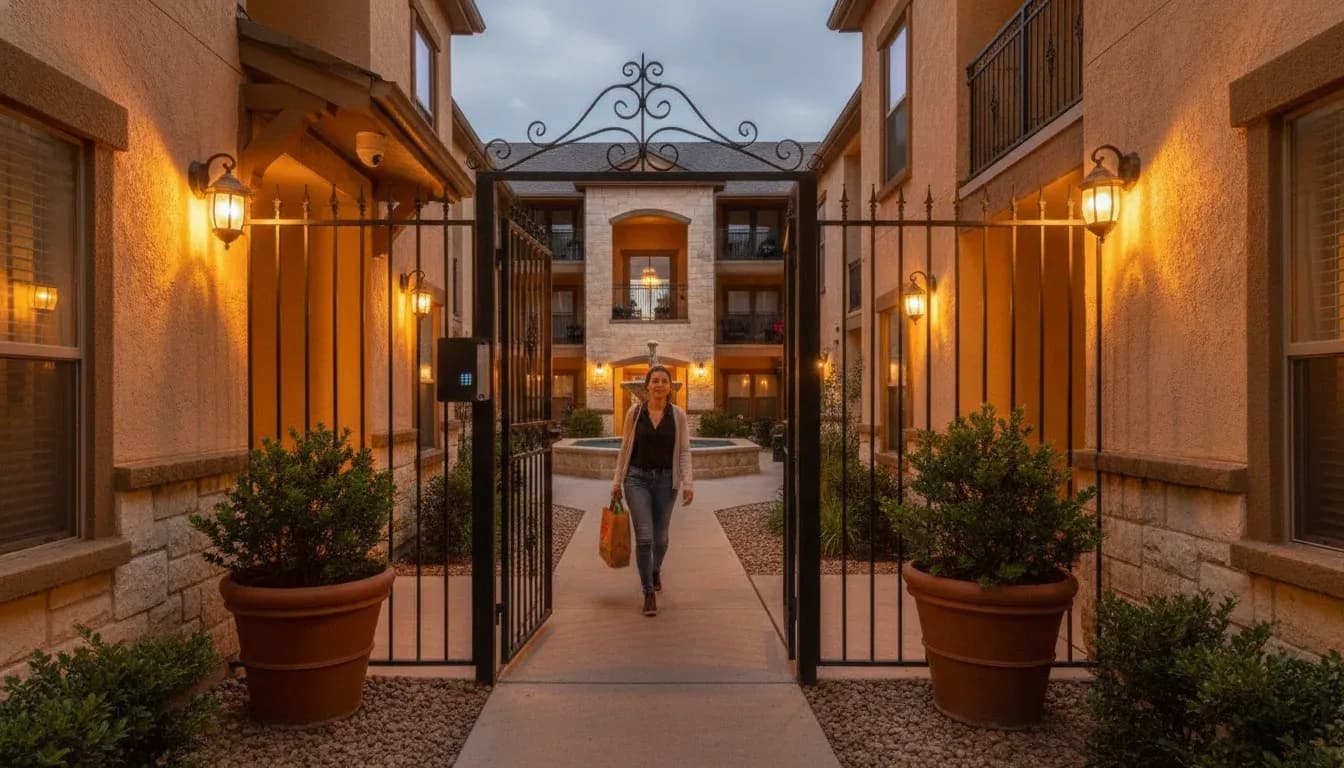
After an assault or other crime at an apartment, hotel, store, or parking area, a Texas resident may wonder whether a property owner's security failures played a role. A negligent security lawyer may review whether a property owner or occupier had a legal duty to take reasonable precautions, whether a criminal act was foreseeable, and whether the lack of reasonable security caused the injury. A crime on property does not automatically make its owner legally responsible. The facts, prior warnings, control of the area, and available evidence matter.
Contact Cap City Injury Attorneys to discuss the facts of a property-security injury.
What Is Negligent Security Under Texas Premises Liability Law?
Negligent security is a premises-liability theory that may apply when a property owner or occupier fails to take reasonable steps to address a foreseeable risk of criminal harm, and that failure is a proximate cause of an injury. Depending on the circumstances, the alleged omission could involve lighting, locks, access control, cameras, guards, or responding to reported hazards. The label alone does not establish negligence; a claimant must prove the required elements under Texas law.
Texas courts generally analyze these cases as premises-liability claims involving criminal conduct by a third party. The Texas Supreme Court's decision in Timberwalk Apartments, Partners, Inc. v. Cain discusses when a criminal act may be foreseeable to an apartment owner. The case does not require every property to have the same security system. It focuses attention on the specific risk and what the owner knew or should have known.
This is one distinct issue within the broader field of Texas premises liability. A fall caused by a spill or broken step raises different facts from an assault allegedly enabled by inadequate security.
What Types of Properties May Be Involved in a Negligent Security Claim?
Negligent-security questions can arise at apartment complexes, hotels, parking garages, retail centers, restaurants, bars, office buildings, and other places where people live, work, shop, or visit. The setting helps identify who controlled the area and what security measures were practical, but the type of property does not prove a claim by itself.
For example, an apartment entrance, a poorly lit parking area, or an unlocked common door may be relevant if evidence shows a known risk and a failure to respond reasonably. A business may have different responsibilities for a customer area than a landlord has for shared residential spaces. Lease terms, management agreements, maintenance records, and who operated the area can help identify the parties with control.
Security expectations also depend on context. The law does not require a property owner to prevent every crime, guarantee safety, or adopt a particular device simply because an incident occurred. A useful review asks what risk existed before the incident, what steps were reasonable under those circumstances, and whether a proposed precaution could have addressed that risk.
What Must You Prove in a Texas Negligent Security Case?
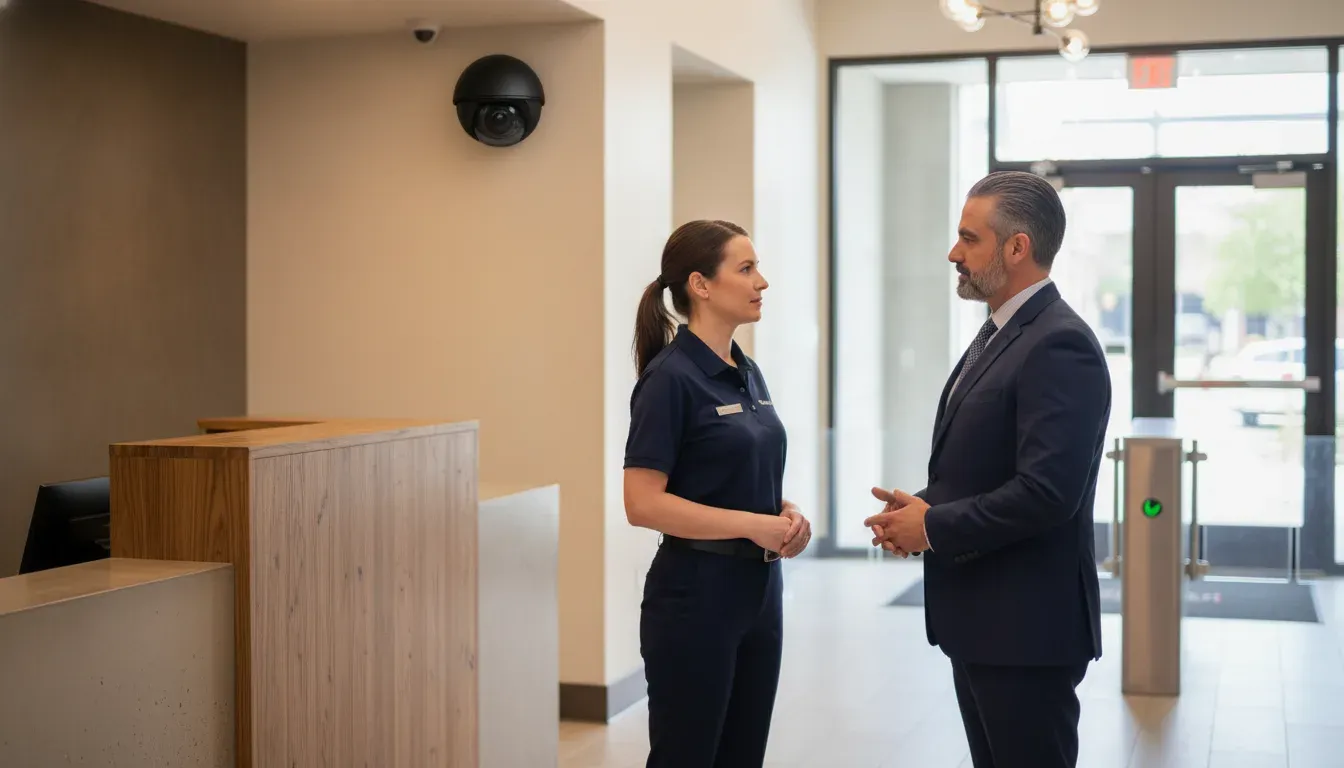
Although the exact legal questions depend on the claim and the parties, a negligent-security case commonly turns on duty, breach, causation, and damages. In a premises case involving a third-party crime, foreseeability and the owner's control of the relevant property area can be central parts of the analysis.
- Duty and control: Identify the owner, occupier, manager, or other party that controlled the area and determine what duty Texas law imposed under the circumstances.
- Unreasonable failure to act: Show what security concern existed and why the response, or lack of response, fell below reasonable care. The analysis is fact-specific.
- Foreseeability: Connect the risk of the type of criminal act to information available before the injury, rather than relying only on the fact that the crime later occurred.
- Causation: Establish that the alleged security failure was a proximate cause of the injury. A security shortcoming that did not contribute to the event may not satisfy this element.
- Damages: Document physical injury, treatment, financial losses, and other legally recognized harm, subject to the evidence and applicable law.
The legal duty can depend on a person's status on the property and the nature of the condition or risk. A customer invited to shop, a tenant, a social guest, and someone on property without permission may not be treated identically. The facts can also affect whether a property owner had a duty to protect against the particular criminal act. These questions are not resolved by a checklist alone.
How Do Texas Courts Evaluate Whether a Criminal Act Was Foreseeable?
In Timberwalk, the Texas Supreme Court described factors for considering whether criminal conduct was foreseeable in a premises-liability case. The court examined the proximity, recency, frequency, similarity, and publicity of prior crimes. Those factors help organize the evidence; they are not a guarantee that a court will reach a particular result in another case.
- Proximity: Where did earlier incidents occur in relation to the property?
- Recency: How long before the injury did the earlier events happen?
- Frequency: How many incidents were known, and over what period?
- Similarity: Were the prior events similar to the type of harm alleged in the current claim?
- Publicity: What did the owner or manager know about the earlier incidents or risks?
Evidence might include police or incident reports, complaints to management, emails, maintenance requests, prior notices, security logs, or testimony from people with relevant knowledge. The important question is not merely whether crime occurred somewhere nearby. The evidence must be examined in context, including what information reached the party responsible for the area before the event.
A history of unrelated offenses, a distant incident, or information learned only after an injury may carry different weight from repeated similar reports at or near the property. Courts consider the full circumstances. Readers should avoid assuming that one prior event automatically proves foreseeability, or that the absence of a particular report conclusively defeats a claim.
Which Security Measures and Records May Matter?
Potentially relevant measures depend on the property's layout, the nature of the reported risk, and the party's role. Examples can include exterior lighting, working locks, controlled access, functioning cameras, patrols, staffing, or a process for reporting and addressing security concerns. These are examples, not a universal checklist or a statement that every property must use each measure.
Records can help show what was reported, when it was reported, who received the information, and what action followed. Depending on the situation, useful evidence may include:
- Police reports, incident reports, and emergency-call records related to the event.
- Photographs or video of the area, lighting, entry points, locks, and sightlines.
- Surveillance footage and records showing how long it is retained.
- Written complaints, emails, maintenance requests, or notices about access and security concerns.
- Security contracts, patrol schedules, staffing information, and relevant training records.
- Names and contact details for witnesses, responders, property staff, or others who observed the area.
Evidence can disappear or change. A camera system may overwrite footage, a damaged lock may be repaired, and memories may fade. A person can write down what they remember, photograph what can be safely documented, keep messages and medical records, and ask appropriate authorities or property contacts about incident documentation. Do not trespass, put yourself at risk, or interfere with an investigation to collect evidence.
What Should You Do After an Assault or Security-Related Injury?
Safety and medical care come first. After immediate danger has passed, these practical steps may help preserve information for later review:
- Get to safety and seek care. Call emergency services when needed and follow medical guidance. Tell providers about symptoms and how the injury occurred.
- Report the incident. Contact law enforcement when appropriate and notify the property manager or business. Ask how to obtain report numbers or copies.
- Record the details. As soon as practical, write down the date, time, location, what happened, people involved, witnesses, and any statements about prior problems.
- Preserve what you have. Keep photos, messages, receipts, medical records, and correspondence. Note cameras or other evidence that may be time-sensitive.
- Avoid speculation in public posts. Share accurate information with medical providers, investigators, and advisers. Avoid altering or discarding relevant records.
- Get legal guidance before deadlines pass. A qualified attorney can review the specific facts, identify possible responsible parties, and explain potential next steps.
These steps are general information, not a substitute for emergency services, medical advice, or case-specific legal advice. For a broader discussion of property-owner duties and premises claims, see the firm's Texas premises liability overview.
What Damages May Be Available After a Negligent Security Injury?
When a person proves a legally valid injury claim, possible damages may depend on the injuries, losses, evidence, and applicable law. They can include reasonable medical expenses, lost income or reduced earning capacity, physical pain, mental anguish, and other recognized losses. The categories and amounts are not automatic, and the facts must support any recovery sought.
An attorney evaluating damages may review treatment records, bills, work history, wage documentation, and information about how the injury affects daily life. Do not assume that a particular type of harm will be compensable in every case. The evidence and the legal basis for each claimed loss matter.
Can a Property Owner Blame the Injured Person?
Texas applies proportionate-responsibility rules in many civil cases. Under Texas Civil Practice and Remedies Code section 33.001, a claimant generally may not recover damages if the claimant's percentage of responsibility is greater than 50 percent, subject to the statute and applicable law. If responsibility is attributed to more than one party, the legal process may affect how damages are calculated.
How those rules apply depends on evidence and the type of claim. An insurance company's position is not a court finding, and an allegation that a person contributed to an event does not determine the outcome. A lawyer can assess how the facts and applicable rules may affect a particular case.
How Is Negligent Security Different From a Slip and Fall Claim?
Both claims may fall within premises liability, but the central proof differs. A slip-and-fall case often asks whether a dangerous physical condition existed, whether the responsible party had actual or constructive notice, and whether reasonable steps were taken to address it. A negligent-security claim focuses on alleged exposure to foreseeable criminal conduct and the reasonableness of precautions in light of information known before the incident.
For example, a spill in a store aisle raises questions about the condition, inspection, and notice. An assault in a building common area may raise questions about prior incidents, access, lighting, reports, and which party controlled security decisions. Each requires evidence connecting the alleged failure to the injury. A general guide to Austin premises-liability issues can provide additional context, but it does not replace an evaluation of the facts of a security incident.
How Long Do You Have to File a Texas Injury Claim?
Texas Civil Practice and Remedies Code section 16.003 generally requires a person to bring suit for personal injury within two years after the claim accrues, subject to statutory exceptions and legal rules that may affect a particular case. Claims involving a death, a minor, a government entity, or other special circumstances may raise different rules or notice requirements. Do not rely on a general article to calculate a deadline. Ask a qualified lawyer to assess the dates and circumstances promptly.
Early advice can also help identify what records to request and which parties may have information or control over the relevant location. Waiting can make it harder to locate witnesses or preserve footage, even before a filing deadline becomes an issue.
Call or send a message to discuss what happened and what information may matter.
Frequently Asked Questions
Does a crime on someone's property automatically make the owner liable?
No. A criminal act on property does not automatically make an owner legally responsible. A claim depends on legal duties, control, foreseeability, the reasonableness of security measures, causation, and proof of damages under the circumstances.
What does the Timberwalk test mean?
Timberwalk refers to a Texas Supreme Court decision discussing proximity, recency, frequency, similarity, and publicity of prior crimes when evaluating foreseeability in a premises-liability case. The factors guide a fact-specific analysis; they do not guarantee liability or dictate an outcome in every case.
Can an apartment complex be liable for an assault?
Possibly, but liability is not automatic. Relevant questions may include who controlled the area, what the property owner or manager knew about prior risks, what measures were reasonable, and whether any alleged failure caused the injury. The evidence and applicable law determine the analysis.
What evidence should I keep after a property crime injury?
Keep incident or police report information, photographs, witness details, medical records, messages, and correspondence with the property owner or manager. If cameras may have recorded the area, make a prompt written request to preserve relevant footage when appropriate. Do not risk your safety to obtain evidence.
Is there a deadline to bring a negligent security case in Texas?
Many Texas personal-injury claims are subject to a two-year limitations period, but exceptions and other notice rules may apply. The deadline depends on the facts and legal circumstances, so get advice promptly rather than relying on a general summary.
This article provides general educational information, not legal advice. No two cases are alike, and no result is promised. An attorney must review the facts and applicable law to advise about a particular situation.
More on the blog
Keep reading.
16 min read
Injured in a Store Texas What Are My Rights
Injured in a store texas what are my rights? Learn how Texas premises liability, evidence, incident reports, insurance claims, and deadlines affect you.
By Cap City Injury Attorneys
19 min read
Premises Liability Lawyer Austin: What to Know
Learn how a premises liability lawyer austin claim may work, what evidence matters after a fall, and why notice and deadlines require prompt action.
By Cap City Injury Attorneys
Let's talk about your case.
Free case review, no obligation. We'll tell you straight whether we can help.