
By Cap City Injury Attorneys16 min read
Injured in a Store Texas What Are My Rights
Injured in a store texas what are my rights? Learn how Texas premises liability, evidence, incident reports, insurance claims, and deadlines affect you.
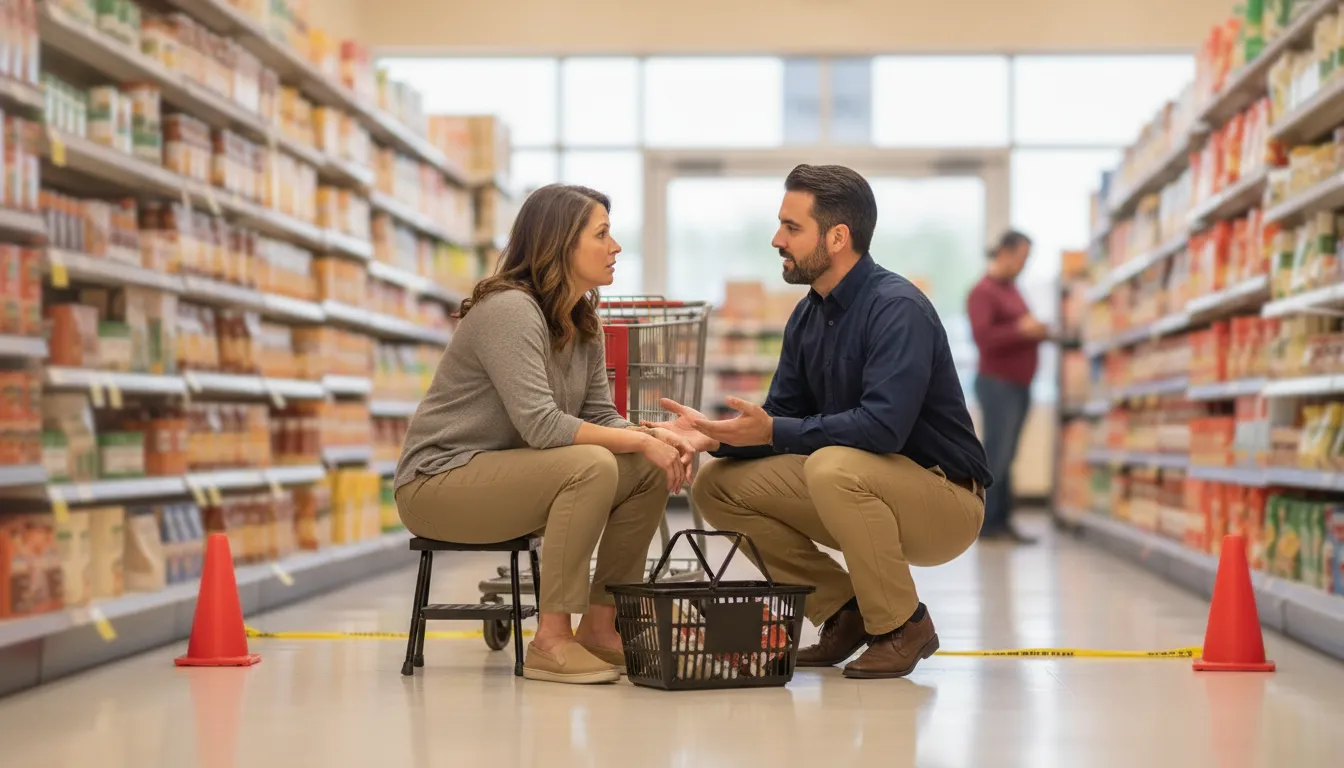
A fall near a checkout line, a collision with falling merchandise, or an injury caused by an unsafe restaurant condition can leave you dealing with pain, medical bills, and uncertainty at the same time. The business may not be responsible for every accident, but the details of what happened matter.
If you are asking, "injured in a store texas what are my rights," you may have a premises liability claim when a dangerous condition caused your injury and the store or restaurant knew, or reasonably should have known, about it but failed to use reasonable care. Your options may include documenting the scene, reporting the incident, seeking medical attention, and evaluating losses such as medical expenses or lost income. The strength of any claim depends on the evidence and the specific facts.
Understanding how Texas law evaluates a business's responsibility is the first step. That analysis begins with the duty a store owes to customers, including how your status as a visitor and the property's condition can affect the claim. For more context, you can review our guide to grocery store injury claims.
Contact Cap City Injury Attorneys to discuss your store injury
If You Are Injured in a Store in Texas, What Are My Rights?
A store or restaurant in Texas does not automatically become legally responsible whenever a customer is injured. A premises-liability claim usually depends on several connected questions: why the person was on the property, whether a dangerous condition existed, whether the business knew or should have known about it, and whether that condition caused a compensable injury.
Visitor status can affect the duty
Most shoppers and restaurant patrons are invitees because the business welcomes them onto the property for a commercial purpose. That relationship generally requires the property owner or operator to use reasonable care to keep the premises reasonably safe and to address or warn about dangerous conditions that it knows about or should discover through reasonable inspections. The exact duty can vary based on the circumstances, including whether the person was an authorized customer, an employee, a delivery worker, or someone in an area closed to the public.
There must be a dangerous condition and notice
A legal claim may involve a substance on a floor, an uneven surface, falling merchandise, a broken fixture, or another condition that creates an unreasonable risk of harm. But identifying a hazard is only part of the analysis. The business may need to have had actual knowledge of the condition, such as an employee seeing it or receiving a report, or constructive knowledge, meaning the condition existed long enough that a reasonable inspection could have found it.
Evidence can help establish notice. Surveillance footage, inspection logs, employee statements, photographs, receipts, and witness accounts may show how long the condition existed and what the business did, or failed to do, in response. A business may also argue that it had no reasonable opportunity to discover or correct a sudden hazard.
Reasonable care, causation, and damages still matter
Even when a business knew about a dangerous condition, an injured customer generally must connect the condition to the incident and the incident to actual harm. That may include medical expenses, lost income, physical pain, or other injury-related losses, depending on the facts and available evidence. The business may dispute whether it acted reasonably, whether the condition caused the fall or other event, or whether another factor contributed.
These issues make each case fact-specific. If you are evaluating premises liability claims, preserve evidence and document what happened while details are still available. An injury in a Texas store may warrant further review, but the injury alone does not establish liability.
What Conditions Commonly Cause Injuries in Retail Stores and Restaurants?
Retail stores and restaurants can contain changing conditions that create injury risks for customers. A spill may occur moments before someone walks through an aisle. A delivery may leave merchandise or packaging in a walkway. A restaurant floor may become slick near a service station, restroom, or entrance. These examples do not automatically establish negligence, but they can be important when evaluating what happened and whether the business had a reasonable opportunity to address the condition.
Common hazards in customer areas
- Wet floors and spills: Water, cleaning solution, grease, food, or a dropped product can reduce traction. Mats that curl, shift, or become saturated may also contribute to a fall.
- Uneven flooring: Cracked tile, raised thresholds, damaged pavement, loose carpeting, and abrupt changes in floor height can catch a customer's foot or affect balance.
- Poor lighting: Dim aisles, stairwells, parking areas, or entrances can make it harder to see a hazard or judge a change in elevation.
- Blocked aisles and falling merchandise: Stock carts, boxes, displays, and improperly secured products can obstruct a walkway or fall onto a customer. Heavy items stored above shoulder height may require particular attention to how they are arranged and handled.
- Broken fixtures and unsafe stairs: Damaged shelving, loose handrails, unstable seating, broken doors, and stairs without adequate maintenance may create risks beyond a typical slip or trip.
- Inadequate security: In some circumstances, insufficient lighting, access control, cameras, or security measures may matter when an assault or other foreseeable criminal act occurs. Security issues are highly dependent on the location, prior incidents, and surrounding facts.
Why the surrounding details matter
| Condition | Details that may matter |
|---|---|
| Spill or wet floor | How long it was present, warnings, inspections, and whether employees saw it |
| Falling merchandise | How products were stacked, secured, displayed, and handled |
| Uneven flooring or stairs | Lighting, visibility, maintenance, handrails, and the location of the defect |
| Security concern | Lighting, access control, prior incidents, and facts bearing on foreseeability |
For an injury claim involving premises liability, the condition itself is only part of the analysis. Evidence may include photographs or video showing the hazard, the lighting and surrounding layout, the location of warning signs, inspection or cleaning records, surveillance footage, employee observations, and statements from witnesses. The timing also matters. A business may have different responsibilities depending on whether it knew about a condition, should reasonably have discovered it, or had no practical opportunity to correct a sudden problem.
Document what you remember while the details are fresh, including exactly where you were. What you noticed before the incident, what you were carrying, and whether an employee responded afterward. A medical record can help document the injury, but it may not show what caused the condition. The strength of a claim depends on the complete evidence, including causation and the losses connected to the injury, not simply on the fact that an accident occurred.
What Should You Do Immediately After Being Injured in a Store?
The first hours after an injury in a store or restaurant can be confusing, especially when pain, embarrassment, or pressure from employees makes it difficult to think clearly. The following steps are general information for preserving your health and documenting what happened. They are not individualized legal advice, and they do not determine whether a business is legally responsible.
- Get medical care. Seek prompt medical attention if you are hurt, even if symptoms initially seem manageable. Tell the provider how and where the injury occurred, follow recommended treatment, and keep records of visits, instructions, prescriptions, and related expenses. A medical record can also help document the nature and timing of the injury.
- Report the incident to the store or restaurant. Notify a manager or another responsible employee before leaving when possible. Give an accurate account without guessing about fault. Note the employee's name, the time and location of the report, and whether an incident report was completed. Ask how you can obtain a copy or confirm the report details.
- Photograph the condition and your injuries. If it is safe to do so, take photos of the spill, uneven surface, fallen merchandise, broken fixture, poor lighting, or other condition involved. Capture wide views that show the location, as well as closer images. Photograph visible injuries over time and avoid altering the scene before it is documented.
- Identify witnesses. Ask nearby customers or employees for their names and contact information. Witnesses may have seen the condition before the incident, observed what happened, or know whether employees were aware of a problem. Do not pressure anyone to adopt your version of events. Simply preserve a way to contact people who may have relevant information.
- Preserve receipts and clothing. Keep the receipt, loyalty-program record, payment record, or other proof showing when and where you were shopping or dining. Save shoes and clothing worn during the incident without washing, repairing, or discarding them if they may show what happened. Store photographs and records in more than one secure location.
- Be careful with statements and releases. A business or insurer may ask questions, request a recorded statement, or present a document releasing claims. Do not guess, minimize your symptoms, or sign a release before you understand what it covers and how it could affect your rights. You can explain that you need time to review the request and seek advice.
These steps can help preserve information while you decide what to do next. For a more detailed checklist, review these steps after a store injury. Prompt documentation matters because stores and restaurants may control records such as surveillance footage, employee schedules, cleaning logs, and incident reports. Keep in mind that taking these steps does not establish liability. A potential claim generally depends on the condition, the business's knowledge or notice, causation, and the harm suffered.
Should You Complete an Incident Report at the Store?
Yes, reporting the injury promptly can create a useful record of what happened. Tell a store manager, shift supervisor, or other responsible employee before leaving, if your condition allows. Describe the basic facts accurately: where you were, what you noticed, how the incident occurred, and what part of your body was hurt. Avoid guessing about facts you did not see or making conclusions about who was legally responsible.
Before you leave, write down the name and job title of the person who received your report. Note the date, approximate time, store location, and any report or incident number. Ask how you can obtain a copy of the report or written confirmation that it was made. The store may not provide one immediately, and its internal policies may limit what it shares. Even so, recording your request and the response can help preserve the timeline.
Ask the store to preserve surveillance and other evidence
Many stores and restaurants use security cameras that may capture the aisle, entrance, checkout area, or other location involved. Ask the manager to preserve footage from before and after the incident, not only the precise moment of injury. Video may show how long a spill, obstruction, or other condition was present, whether employees passed through the area, and what happened after you reported it. You can make the request verbally, but a written request is easier to document. Do not assume surveillance will be retained indefinitely.
Also identify anyone who saw the incident or the condition before or afterward. Ask witnesses for their names and contact information if they are willing to provide it. Keep your receipt, payment record, photographs, and the clothing or shoes involved. These details may help establish that you were lawfully at the store and connect the incident to the location and time.
An incident report is evidence, but it is not automatic proof that the store was negligent or legally liable. The report may leave out important details, contain mistakes, or reflect only what an employee understood at the time. A Texas premises liability claim generally depends on the condition, notice, reasonable care, causation, and resulting harm. For more on preserving evidence in a retail setting, see these grocery store injury claims resources.
Can a Store's Insurance Company Deny Your Injury Claim?
Yes. A store's insurance company may investigate an injury claim and deny it, delay a decision, or argue that the business was not legally responsible. That position is not the final legal answer. The insurer represents the store or its policyholder, so its adjuster is evaluating the claim from the insurer's side. Whether a claim has merit depends on the specific evidence, including the condition that caused the injury, what the store knew or should have known, how the incident occurred, and the losses that followed.
Why an insurer may challenge the claim
An adjuster may question whether a dangerous condition existed, whether employees had enough time to discover it, or whether the condition actually caused the injury. The insurer may also argue that the customer was distracted, ignored a warning, or otherwise contributed to the incident. Texas law can involve comparative responsibility, which means the facts about each person's conduct may affect the evaluation of a claim. An argument about responsibility does not automatically eliminate a claim, but it makes accurate documentation especially important.
Be cautious when answering detailed questions, giving a recorded statement, or signing a release. A statement made before you understand the full medical impact of an injury may leave out important information. A release may also affect your ability to pursue additional compensation later. You should not guess, exaggerate, or accuse the adjuster of misconduct. Instead, provide accurate information and consider getting advice before agreeing to terms or making a recorded statement.
Documentation can clarify what happened
Medical records can connect your symptoms and treatment to the incident, while photographs, receipts, clothing, witness information, and store communications may help establish the surrounding facts. Keep copies of bills and records related to medical care or missed work. Preserve messages from the store or insurer, and write down what you remember while the details are still fresh.
If the insurer denies the claim, the denial letter and the evidence supporting your position deserve careful review. A denial may reflect a dispute that requires additional facts, a legal analysis, or negotiation. It does not by itself determine your rights as someone injured in a store in Texas.
When Should You Get Legal Help After a Retail Injury?
You may want legal guidance sooner rather than later if your injury is serious, your treatment is ongoing, or the store or restaurant disputes what happened. A painful injury can involve medical bills, missed work, and questions about whether the business knew about a dangerous condition. You do not need to decide immediately whether you will file a claim. But an early review can help you understand what information matters and what deadlines may apply.
Situations that deserve prompt attention
Consider seeking advice if any of the following applies:
- Your injury requires emergency care, imaging, surgery, physical therapy, or continuing treatment.
- The business says there was no hazard, claims you caused the incident, or gives a different account than yours.
- Important evidence may disappear, including surveillance footage, inspection records, product displays, a damaged fixture, or the clothing and shoes involved.
- An insurer asks for a recorded statement, presses you to sign a release, or suggests a quick payment before your condition is clear.
- You are unsure who controlled the area, such as when a restaurant leases space inside a larger property or a contractor may be involved.
- You are concerned that a legal deadline is approaching.
Under Texas law, the general limitations period for many personal-injury claims is two years, but exceptions and claim-specific rules can change the analysis. Do not assume the deadline is simply two years from the date of the incident. Prompt advice is especially important when a governmental entity, a minor, or a delayed injury may be involved.
What a premises-liability lawyer may do
A lawyer may investigate the scene, identify who controlled the property, request or preserve relevant evidence, locate witnesses, and review incident reports. They may also organize medical records and bills, evaluate how the facts relate to notice and reasonable care, communicate with the insurer, and help you assess negotiation or litigation options. That review does not guarantee that a claim will succeed. Responsibility depends on the specific condition, the business's knowledge or notice, causation, and the harm you suffered.
For a store-specific example of the evidence and issues that can arise, see these grocery store injury claims. If you are still gathering information, preserve photographs, receipts, clothing, medical records, and communications, and avoid signing documents you do not understand.
Contact us to discuss your store injury
If you are unsure what to do next, discussing what happened can help you understand which details and records may matter. Cap City Injury Attorneys can listen to your account and explain whether a consultation makes sense based on the circumstances.
Contact Cap City Injury Attorneys through our contact page
Frequently Asked Questions
Does a store have to pay for every customer injury?
No. A store or restaurant may be responsible when a dangerous condition caused the injury and the business knew, or reasonably should have known, about it but failed to use reasonable care. The evidence must also connect that condition to your injuries and losses. The facts matter, including how long the hazard existed, whether warnings were provided, and what the business did to address it.
What if the store refuses to give me the incident report?
Ask for the report number, the name of the employee who took your report, and the date and time it was made. Write down your account while the details are fresh, and ask the business to preserve surveillance footage and other records. A report can document that you reported an event, but it does not automatically establish who was legally responsible.
Can I still bring a claim if I did not take pictures at the store?
Possibly. Photos are useful, but other evidence may include surveillance video, witness information, receipts, clothing or footwear, medical records, employee statements, and maintenance logs. Promptly document what you remember and seek appropriate medical care. Do not assume that missing one type of evidence ends the inquiry.
What should I say to the store's insurance company?
Provide accurate basic information, but be cautious about recorded statements, broad medical authorizations, or signing a release before you understand what it covers. An insurer's initial position is not the final legal answer. Keep copies of correspondence and organize medical bills, work-loss records, photographs, and other documents related to the injury.
How long do I have to pursue a Texas store injury claim?
Texas personal-injury claims generally involve a two-year limitations period, although exceptions and claim-specific rules can change the analysis. See Texas Civil Practice and Remedies Code Section 16.003. Because evidence can disappear and deadlines may be complicated, consider getting case-specific legal advice promptly.
More on the blog
Keep reading.
19 min read
Premises Liability Lawyer Austin: What to Know
Learn how a premises liability lawyer austin claim may work, what evidence matters after a fall, and why notice and deadlines require prompt action.
By Cap City Injury Attorneys
12 min read
Premises Liability Texas Law: Property Owner Duties
Learn how premises liability texas law defines owner duties, visitor status, dangerous conditions, notice, and comparative responsibility after an injury.
By Cap City Injury Attorneys
Let's talk about your case.
Free case review, no obligation. We'll tell you straight whether we can help.