
By Cap City Injury Attorneys13 min read
How Much Does Car Insurance Go Up After An Accident
Learn why car insurance may change after a Texas crash, how to review a renewal, verify claim details, and compare coverage without guessing at the cause.
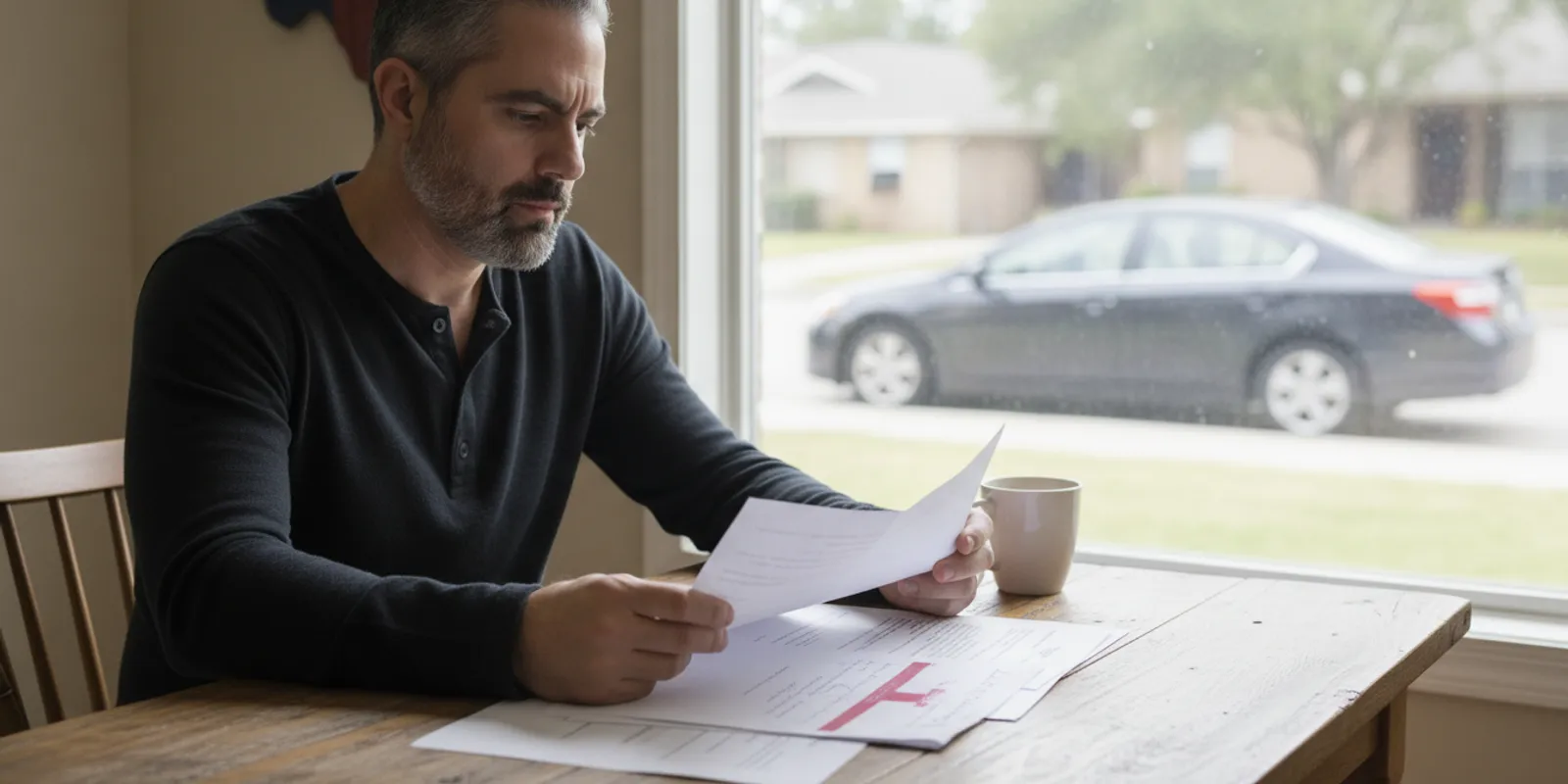
How much does car insurance go up after an accident? There is no single increase that applies to every driver. Your renewal can depend on the claim facts, your policy, prior driving and claim history, insurer practices, and changes to the household or coverage. Instead of relying on a general percentage, compare your policy documents and ask the insurer to explain your own renewal in writing.
Request a conversation about an injury claim
Why can car insurance change after a crash?
An insurer sets a premium using its rating practices and information about the policy. A reported collision may be one factor considered when a policy is reviewed, but a crash does not automatically mean every driver’s premium will rise. The result can vary by insurer, policy, claim details, and other information used in a renewal.
The carrier may consider how the accident was classified, the type of loss, payments made, previous claims, and driving history. It may also consider changes that have little or nothing to do with the collision, such as an added driver, a different vehicle, an address update, adjusted limits, or a discount that changed. Ask the insurer to identify the specific reasons rather than assuming that the crash explains the entire difference.
Keep three questions separate: who may be legally responsible for a crash, how an insurer handles a claim, and how a carrier prices a policy. These issues can overlap, but one does not automatically answer the others. A premium increase alone does not prove who caused a collision or whether a claim decision was correct. If you dispute the claim record, keep the relevant documents and ask how to submit a correction.
Is there a typical increase after an accident?
No reliable percentage can predict an individual driver’s next renewal. A published average may describe one set of drivers, a particular insurer, a specific time period, or certain assumptions about coverage and claims. It cannot show exactly what your carrier will do with your policy. Treat broad estimates as background rather than a promise about your bill.
A practical comparison begins with the declarations page for the expiring term and the renewal offer. Check that both documents cover comparable periods, the same vehicles and drivers, and the same coverage limits and deductibles. Then ask what changed. If the price is higher, it may reflect several adjustments rather than one accident-related charge.
| Item to compare | What it may clarify | Next step |
|---|---|---|
| Policy term and total premium | Whether the two amounts cover the same length of time | Compare the total for equivalent periods, not just the amount due today |
| Coverage, limits, and deductibles | Whether the protection selected changed | Mark differences between the old and new declarations pages |
| Drivers and vehicles | Whether a household or vehicle update affected the policy | Confirm each listed person, vehicle, and address is accurate |
| Discounts and adjustments | Whether a discount ended or a different adjustment appeared | Ask the carrier to explain each line item |
| Claim record | Which accident information or classification the insurer used | Check dates and details, then ask how to dispute errors |
| Other quotes | How another policy compares in price and protection | Match coverage, deductibles, exclusions, and effective dates |
Which accident details can affect the renewal?
How did the insurer classify responsibility?
Responsibility may be disputed or may require investigation. The insurer can review statements, photographs, a crash report, and other information when evaluating a claim. A report can document observations or statements, but it may not resolve every question about responsibility. If the carrier’s account does not match what you know, ask which facts it relied on and how to provide relevant records.
Keep the claim number, letters, emails, photographs, and any report together. If you provide a correction, send a concise explanation and supporting material, retain a copy, and note the date. Ask whether a response concerns claim handling, a record correction, or renewal pricing. Those are different decisions and may have different review processes.
What kind of loss was reported?
The nature of the damage, whether someone was injured, and the amount paid on a claim may be relevant to an insurer’s review. Do not assume that a small-looking impact rules out an injury, or that a repair payment tells you everything about how a claim will be treated. Report information accurately and keep claim communications together.
If you were hurt, prioritize appropriate medical care and keep records of visits, bills, prescriptions, and missed work. For a general overview of accident-related rules, read this guide to Texas car accident laws. Questions about an injury claim are separate from estimating what your own insurance will cost at renewal.
What was your record before this collision?
Earlier incidents, claims, and driving history may factor into a carrier’s review. How far back an insurer looks and how it treats different events can vary. If something in the record appears wrong, request the information the carrier relied on and ask how to correct it. Keep the carrier’s response and any revised record with your policy documents.
Did your household or policy change?
A renewal may change for reasons unrelated to a recent crash. A newly listed driver, a replacement vehicle, a changed address, a different deductible, or a change in coverage limits can affect the total. Discounts and other rating adjustments can change as well. Compare the full policy, not only the premium line.
For example, suppose a renewal is higher after a collision, but the household also added a driver and replaced a car. The timing does not show which change accounts for which part of the increase. Ask the insurer to identify the claim-related information and separately confirm the effect of the driver and vehicle updates. Also check that the new declarations page lists the correct vehicle, drivers, and coverage.
When might a change show up?
The timing depends on the policy and the insurer’s process. A change may appear in a renewal offer rather than immediately after the crash. The policy term, claim reporting and review, and the date the insurer receives relevant information may affect when it is considered. Do not assume a specific date or that a charge is tied to the accident without checking the notice.
Compare the effective dates on the policy, any midterm notice, and the renewal documents. If the amount changes before the next term, ask whether the notice reflects a billing correction, a policy endorsement, or a premium adjustment, and request the written basis. If it is a future renewal, check the response date and any instructions for accepting or declining the offer.
A short timeline can help organize the conversation. Write down the collision date, when you reported it, when the carrier requested information, when you received any claim decision, and when the renewal notice arrived. Add the date of each call or letter. The timeline does not establish why a price changed, but it helps you ask focused questions and track what the insurer said.
How should you review a renewal notice?
- Compare equivalent terms. Check the dates and length of both policy periods. Compare total premiums for the same number of months, rather than comparing an annual amount with one installment.
- Check the declarations pages. Compare drivers, vehicles, addresses, coverage types, liability limits, and deductibles. Note every difference and correct any inaccurate information.
- Separate premium from payment due. A bill may show an installment, prior balance, or payment-plan charge rather than the entire policy premium. Ask which figure represents the total cost for the term.
- Request an itemized explanation. Ask what changed, whether the accident or claim was considered, and whether a discount, coverage choice, or household detail changed. Request the explanation in writing.
- Verify claim details. Check the loss date, description, and responsibility classification against your records. Ask what process and deadlines apply if you believe a detail is inaccurate.
- Keep a record of the response. Save notices and correspondence. After a phone call, note the date, representative identification if provided, and the main points discussed.
When you speak with an insurer, ask clear questions one at a time. For example: “What specific items changed between these two terms?” “Was the collision included in the renewal calculation?” “What information do you have about the claim?” and “How do I challenge a factual error?” If the explanation is unclear, send a short written follow-up listing what you understood and asking the company to correct anything you misunderstood.
For general insurance information and state consumer resources, consult the Texas Department of Insurance. For your personal renewal calculation, the insurer is the source for how it applied its own policy and rating information. Keep the carrier’s written explanation so you can refer to the exact issue if you seek further guidance.
How can you compare another policy fairly?
Gather your current declarations page before requesting quotes. Give each insurer the same basic information about drivers, vehicles, coverage, limits, and deductibles, and disclose the collision and claim accurately. A preliminary quote may change when the company reviews the application, so ask what information could affect the quoted amount and how long the quote remains valid.
Compare the full policy offer, not only the headline premium. Check whether the coverage types and limits match, what deductible applies to each coverage, what exclusions or restrictions are listed, and how the payment schedule works. Ask about the total cost for the full term and any separate fees. Write down the proposed start date and confirm that the quote is based on the information you provided.
A lower premium may reflect less protection or a higher amount you would need to pay for a covered repair. A higher deductible can reduce the price in some offers, but it also means more out-of-pocket expense before the insurer pays for a covered loss. Lower liability limits can leave less coverage available if you cause a serious crash. Ask the insurer to show the available options and their costs so you can compare the trade-offs.
Use a simple side-by-side worksheet. For each quote, record:
- Full-term premium and amount due at the start.
- Liability limits and any coverage limits that matter to you.
- Collision and comprehensive deductibles, if included.
- Coverages, exclusions, and restrictions described in the offer.
- Payment schedule, any separately stated charges, and coverage start date.
If one quote is much lower, identify the reason before deciding it is a better fit. A valid comparison requires matching the policy term and basic protection. Do not cancel an existing policy until you understand the consequences and have confirmed replacement coverage begins when needed. For more information about injury topics, see the firm’s practice areas or its Austin injury information.
What if the collision caused injuries?
Do not let uncertainty about a renewal delay necessary medical care. Keep copies of medical visit summaries, bills, prescriptions, and records of time missed from work. Notify the appropriate insurer as required by your policy and answer questions accurately. Before giving a recorded statement or signing a document, make sure you understand what is being requested and what the document covers.
A claim involving another driver’s insurer is different from the question of whether your own policy price may change. Keep claim numbers and correspondence for each insurer separate. A folder or digital file can include the crash date and location, photographs, any report, repair information, medical records, and letters from each carrier. Label each document with the source and date so it is easier to find.
If you are preparing to discuss an injury, organize what you know and what is still uncertain. Bring the insurer and claim information, relevant notices, a list of medical providers and expenses, and questions you want answered. You can also review the firm’s Austin-area information. An injury discussion does not determine an individual insurer’s renewal calculation, so keep the pricing questions directed to the carrier.
What should you ask the insurer?
- What specific change caused the total premium to change?
- Did you consider the accident or claim, and how is it recorded?
- Did any drivers, vehicles, coverage limits, deductibles, or discounts change?
- What records support the accident details you have on file?
- How can I request a correction, and what documents do you need?
- Is the amount shown the full-term premium, an installment, or the balance due?
- What coverage options are available, and how would they affect both cost and out-of-pocket exposure?
- When does the renewal take effect, and what response is required before then?
Ask the representative to put the explanation or next steps in writing. If you believe the insurer has incorrect information, send a focused correction with supporting records and keep a copy. Note any response dates or documents requested. A clear paper trail can prevent confusion when you compare the renewal with a later quote or follow up on the claim.
Arrange a conversation about an injury claim
Frequently Asked Questions
Will my premium always rise after a crash?
No. A crash does not guarantee that the premium will rise. The outcome depends on the policy, insurer practices, claim facts, and other information considered at renewal. Ask your carrier to explain the specific change shown in your documents.
Can an accident where I was not at fault affect my price?
It depends on the circumstances and the insurer’s practices. Do not assume that the claim has no effect or that it will cause an increase. Ask how the accident was classified, what information was used, and how to correct the record if a detail is wrong.
How soon after an accident can the price change?
Timing varies. Review notices and renewal documents when they arrive, and ask whether a change applies to the current policy term or a future renewal. Use the dates in the documents rather than guessing based on the collision date.
Should I switch insurers if my renewal is higher?
You can compare alternatives, but match the coverage, limits, deductibles, exclusions, payment terms, and effective dates. Disclose the accident accurately and verify when replacement coverage begins before ending an existing policy.
There is no universal premium increase after an accident. Compare equivalent policy documents, check the claim details, and use the insurer’s written explanation to understand what changed in your situation.
More on the blog
Keep reading.
13 min read
Personal Injury Law Attorney
Learn what a pedestrian accident is, what to do after a crash in Texas, and how evidence, insurance, and responsibility may shape an injury claim.
By Cap City Injury Attorneys
14 min read
Premises Liability Insurance in Texas
Learn how premises liability insurance can shape a Texas injury claim, from incident reports and medical records to settlement talks and coverage fights.
By Cap City Injury Attorneys
Let's talk about your case.
Free case review, no obligation. We'll tell you straight whether we can help.