
By Cap City Injury Attorneys13 min read
Personal Injury Law Attorney
Learn what a pedestrian accident is, what to do after a crash in Texas, and how evidence, insurance, and responsibility may shape an injury claim.
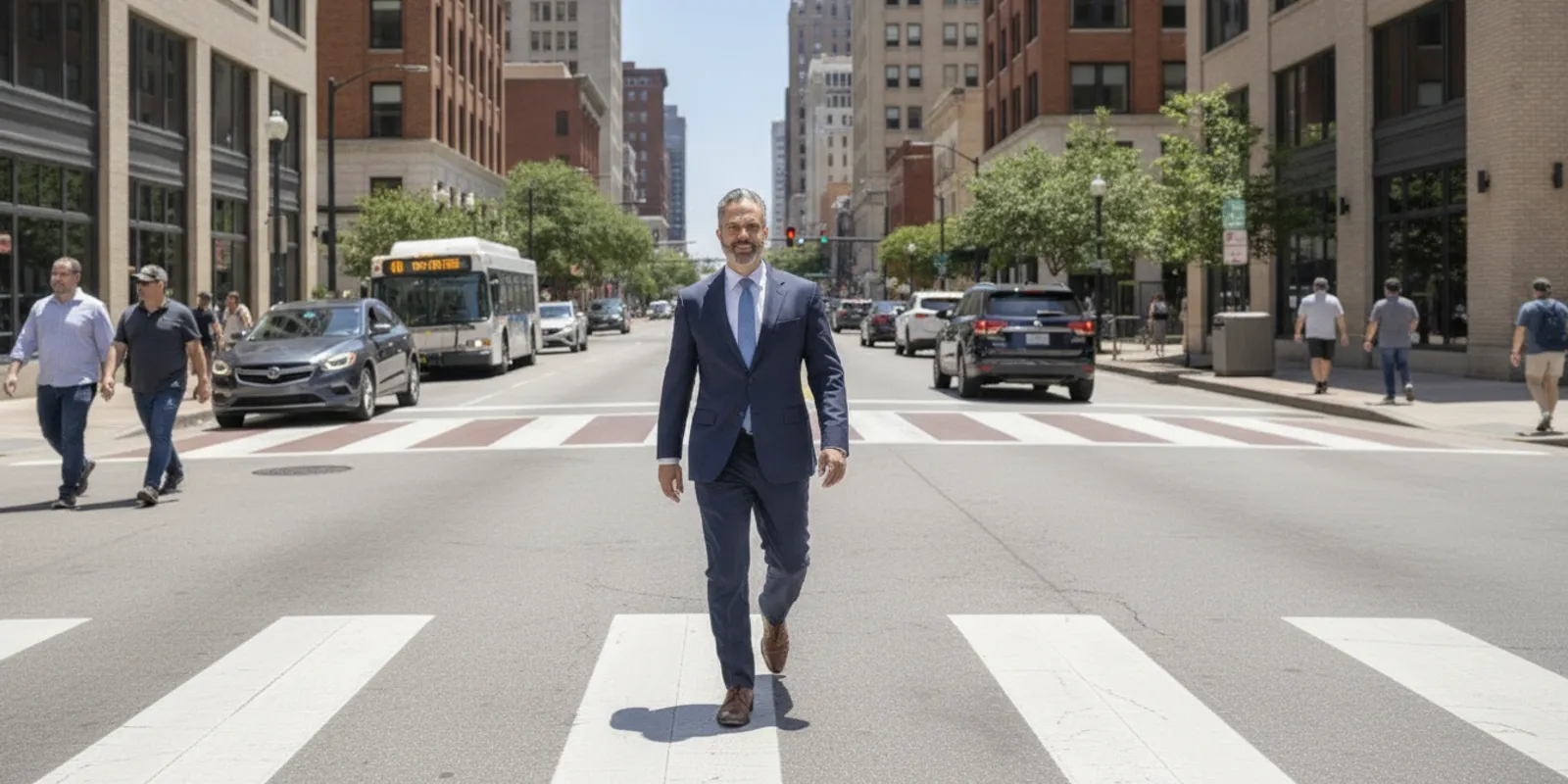
A pedestrian accident happens when a person traveling on foot is struck or injured by a motor vehicle. It can occur in a crosswalk, parking lot, driveway, or beside a road. If you are seeking a personal injury law attorney after a pedestrian crash, start with safety and medical care. Then preserve the details you can without risking your health.
Request a conversation about your situation
What counts as a pedestrian accident?
A pedestrian accident generally involves a person on foot and a motor vehicle in a collision or injury event. The person may be walking, running, standing beside a road, entering or leaving a vehicle, or using a mobility device. The vehicle may be a car, van, bus, or another motorized vehicle. A bicycle collision is usually treated as a separate type of roadway event, even if several road users are involved in one sequence.
The vehicle does not have to hit someone in a marked crosswalk. A driver backing out of a driveway might strike a person on a sidewalk. A car turning into a parking area might hit someone crossing the entrance. A passenger getting out of a stopped vehicle might be injured by passing traffic. Describe what happened in concrete terms: where each person was, which direction the vehicle moved, and where contact occurred.
Some events involve multiple vehicles or impacts. A person may be pushed into another car, or a driver may leave before exchanging information. A vehicle may belong to a business or be used for work. These details can affect what records may exist and which people or policies may need to be identified. The label “pedestrian accident” does not itself establish responsibility or insurance coverage.
Where and how do pedestrian crashes happen?
Crashes may occur at intersections, marked crossings, driveways, parking lots, residential streets, shared access roads, or road shoulders. Common situations include a vehicle turning across a person’s path, reversing where visibility is limited, or moving through a place where people are walking. Lighting, weather, street design, signals, parked vehicles, and temporary obstructions may help explain what each person could see.
Describe the location as specifically as you can. Instead of writing only “I was hit in the street,” note the direction you were walking, where you entered the roadway, whether you were in a marked crossing, and which direction the vehicle came from. If you remember, include the signal or sign status. Identify nearby driveways, businesses, construction, parked vehicles, or objects that may have affected sightlines. Separate what you remember yourself from what another person told you later.
A crash at a signalized intersection may call for attention to the crosswalk, turning lane, signal timing, and nearby cameras. In a parking lot, lane markings, parked vehicles, entrances, and pedestrian routes may matter. A driveway incident may turn on the vehicle’s direction and whether a hedge, fence, or parked car blocked a view. Similar locations do not necessarily mean similar explanations.
In Austin and elsewhere in Texas, a scene may range from a busy downtown crossing to a shopping-center lot or neighborhood street. The setting can affect where a witness could stand and who may control a camera. Readers can find related local context on Austin injury matters and the firm’s personal injury practice areas.
What should you do immediately after being hit?
Move in an order that protects your health and safety. Do not delay urgent care to collect evidence, take photographs, or answer an insurer’s questions. If you are injured or shaken, ask someone you trust to help with practical tasks.
- Get out of danger if you can. Move away from active traffic only when it is safe. If you cannot move safely, wait for emergency responders. Do not enter traffic to retrieve belongings or photograph a vehicle.
- Get medical attention. Call emergency services for urgent symptoms or serious injuries. If symptoms appear later, seek medical advice and explain when they began. Follow the provider’s directions and keep visit records and follow-up instructions.
- Report the incident. Contact law enforcement when appropriate and provide a factual account. Ask how to obtain a report or report number. If you do not know a vehicle’s speed or the signal phase, say so instead of guessing.
- Identify people and vehicles. If safe, note the driver’s name and contact information, vehicle description, plate, and insurance details. Ask witnesses for contact information without pressuring them to adopt a particular account.
- Document the scene if possible. Photograph the vehicle, location, visible injuries, crossing, signals, lighting, and possible obstructions. A companion can help. Do not step into a hazardous area for a better angle.
- Save related records. Keep medical paperwork, receipts, work absence information, damaged-item costs, and crash-related communications. Preserve original photographs and messages where possible.
If you were taken for treatment or could not collect details, ask a trusted person to help when you can. Write down what you remember: time, weather, route, vehicle direction, and anything uncertain. Date the account. A dated note can help distinguish an early recollection from information learned later.
Which evidence can help explain what happened?
Evidence can clarify timing, location, people involved, sequence, injuries, and their effects. One record may answer only part of the story. A photograph may show a crosswalk but not the signal phase. A witness may remember a vehicle but not the exact point of impact. Comparing independent records can show where accounts agree and what remains unknown.
| Record or evidence | What it may help show | Practical next step |
|---|---|---|
| Scene and vehicle photos | Layout, markings, sightlines, positions, and visible damage | Keep original files and note when and where they were taken. |
| Witness details | What someone nearby saw or heard | Record names and contact information; do not coach anyone. |
| Police or incident report | Reported parties, initial accounts, and observations | Ask how to obtain it and check basic facts for errors. |
| Medical records | Symptoms, diagnosis, treatment, and timing | Keep visit summaries and follow-up instructions together. |
| Nearby video | Movement and timing, if footage exists | Identify possible cameras promptly and note their location. |
| Work and expense records | Time missed and costs connected to the injury | Save dated receipts, statements, and employer records. |
Potential recordings may be held by businesses, homes, transit facilities, or vehicles. Availability differs, and recordings may not be kept indefinitely. Write down a camera’s location and the approximate event time. A business may not share footage directly, but identifying a camera and asking about its preservation process can be a practical first step. Do not assume a camera captured the event until confirmed.
Preserve your own photographs in their original form rather than editing the only copy. If another person took them, ask for the original file and date. Keep a note about what each image shows, especially if its angle or location may not be obvious later. If you obtain a report, compare names, location, and basic event details with your recollection. Note any discrepancy separately rather than changing the original.
For general context, see the firm’s guides to Texas personal injury claims and Texas roadway and car accident questions. These pages cannot determine what happened in a particular crash, but offer related background.
How can fault affect a pedestrian injury claim?
Responsibility depends on the evidence and the rules that apply. A driver’s attention, compliance with traffic controls, and efforts to avoid a collision may be examined. The pedestrian’s actions may also be considered. In some events, another driver or property owner may be relevant. Calling an event a pedestrian accident does not establish legal responsibility.
Being outside a marked crossing does not, by itself, resolve every question, and being in one does not automatically answer them all. Location, signals, visibility, speed, distance, and each person’s actions may matter. If accounts conflict, photographs, witness statements, physical evidence, and records can help clarify the sequence. Avoid conclusions before available information is reviewed.
For example, a driver may say a pedestrian appeared suddenly, while the pedestrian recalls that the vehicle turned into the crossing. That disagreement raises questions about where each person was, when they could see one another, and whether an independent record helps establish timing. A witness who saw only the aftermath may help establish what happened afterward, but may not resolve what happened before impact. A careful review distinguishes what a record supports from what it cannot show.
Texas law may limit recovery depending on how responsibility is allocated under applicable rules. An insurer’s early position is not necessarily a final legal determination. Give accurate information, avoid speculation, and keep copies of what you submit. A pedestrian crash guide offers related context.
What should you know about insurance communications?
An insurer may contact you to request information or discuss a resolution. Record the adjuster’s name, company, phone number, claim number, and conversation date. Ask for requests in writing when useful, and retain copies of documents you provide. Be truthful and concise; if you do not know an answer, say so rather than estimating.
Before answering questions about details you cannot recall, check your notes or records. Distinguish direct memory from an estimate or information supplied by someone else. If a question is unclear, ask what is being requested. Do not sign a document just because it arrived with a deadline; understand what it says and what the deadline means.
An offer may arrive before treatment is complete or longer-term effects are clear. Before signing a release or accepting payment, read what claims it resolves and whether future expenses are addressed. A release may limit the ability to seek additional payment for the same event. Consider its terms and your medical information carefully, and seek advice specific to your circumstances if uncertain.
Coverage can vary with the driver, vehicle, policy, and circumstances. More than one policy might be relevant, but that cannot be assumed. Do not treat a general article as a coverage decision. If you need help assessing correspondence, gather the claim details and documents so the request can be considered in context.
How can you keep a clear record during recovery?
A basic timeline can help you recall events and track how an injury affects daily life. Record the crash date, medical visits, symptoms, work absences, communications, and significant changes in your condition. Keep the log factual; you do not need to make legal conclusions or estimate a claim’s value.
- Save bills, receipts, medication instructions, and appointment summaries.
- Record missed work and changes in usual duties without overstating the effect.
- Keep copies of letters, messages, forms, and settlement proposals.
- Store photos and videos safely, preserving original dates where possible.
- Follow medical instructions and tell a provider about new or worsening symptoms.
A dated note might say, “I attended a follow-up visit Tuesday; the provider advised me to return if the pain worsens.” That is more useful than a later vague recollection such as “I had several appointments.” Add details in manageable entries rather than reconstructing everything weeks later. If pain, mobility, or treatment changes, note what changed and when, while leaving diagnosis and medical advice to the provider.
Keep records in a secure folder, with separate sections for medical care, communications, expenses, work, and scene evidence. A simple index saves time when you need a particular document. Label expense receipts with dates and short descriptions, and keep insurer letters in date order. Back up digital files securely. Be cautious about posting crash or recovery details publicly, because a short post or image may omit context. Preserve relevant records and do not alter or delete material related to the event.
When may legal guidance be useful?
Guidance may help when injuries are serious, the cause is disputed, several parties or policies may be involved, a driver left the scene, or an insurer asks you to sign a release. A lawyer can review available information, explain possible next steps, and discuss how a claim is handled. No outcome can be promised, and the right course depends on the facts and evidence.
Before a conversation, organize the report or report number, photos, medical information, insurer correspondence, and a short timeline. Write down questions about possible responsibility, records to preserve, expenses that may matter, and how fees and case expenses are handled. The firm’s overview of contingency-fee arrangements can help you prepare questions. Keep the discussion focused on your circumstances rather than assuming every claim follows the same path.
A one-page summary can make a discussion more efficient. Include the date and approximate time, location, direction of travel, vehicle description, known witnesses, treatment to date, and deadlines or insurer requests. Mark unknown details as unknown instead of guessing. Bring original records if requested, but keep copies. If you are not ready to gather every document, start with what you have and list what is missing.
For a neutral description of the kinds of information that may be relevant to a crash record, consult the National Highway Traffic Safety Administration’s traffic records materials. More specifically for legal and claim questions, the U.S. Department of Health and Human Services guidance on personal representatives addresses who may access health information for someone else; it is not a source for fault or pedestrian safety rules. That limited distinction matters if a family member is helping obtain medical records.
Arrange a conversation about your next steps
Frequently Asked Questions
Does a pedestrian accident have to happen in a crosswalk?
No. It can happen in a crosswalk, on a sidewalk, in a parking lot, or elsewhere a vehicle and person on foot come into contact. The location and everyone’s conduct may matter when responsibility is assessed.
What if I did not feel injured at the scene?
Pay attention to symptoms and seek medical advice if concerns develop. Record when symptoms began and explain the timeline accurately to your provider. Not noticing symptoms immediately does not, by itself, answer questions about an injury.
Should I give the other driver’s insurer a recorded statement?
Ask who is requesting it, what it concerns, and whether the request can be provided in writing. Be truthful and do not speculate. If you are unsure about the request or its effect, consider getting legal guidance before agreeing.
What if the driver left before I got their information?
Report the event to law enforcement and provide what you know, such as vehicle description, direction, time, and location. Ask witnesses whether they saw the vehicle or recorded details. Preserve available records and do not try to pursue the driver yourself.
How soon should I collect evidence?
As soon as it is safe and practical. Witness details and recordings may become harder to obtain over time. Medical care comes first, but a trusted person may help preserve basic details while you recover.
A pedestrian crash can raise questions about health, evidence, responsibility, and insurance that take time to answer. Prioritize recovery, keep an organized record, and base decisions on the specific facts rather than assumptions.
More on the blog
Keep reading.
14 min read
Premises Liability Insurance in Texas
Learn how premises liability insurance can shape a Texas injury claim, from incident reports and medical records to settlement talks and coverage fights.
By Cap City Injury Attorneys
12 min read
What Insurance Applies When an Austin Pedestrian Is Hit by a Car
Learn which auto policies may cover an Austin pedestrian crash, how PIP and uninsured motorist coverage work, and what records to gather after impact.
By Cap City Injury Attorneys
Let's talk about your case.
Free case review, no obligation. We'll tell you straight whether we can help.