
By Cap City Injury Attorneys14 min read
What Can an 18-Wheeler Accident Lawyer Do After a Texas Crash?
Learn how an 18 wheeler accident lawyer can investigate a Texas truck crash, preserve evidence, assess liability and insurance, and guide next steps.
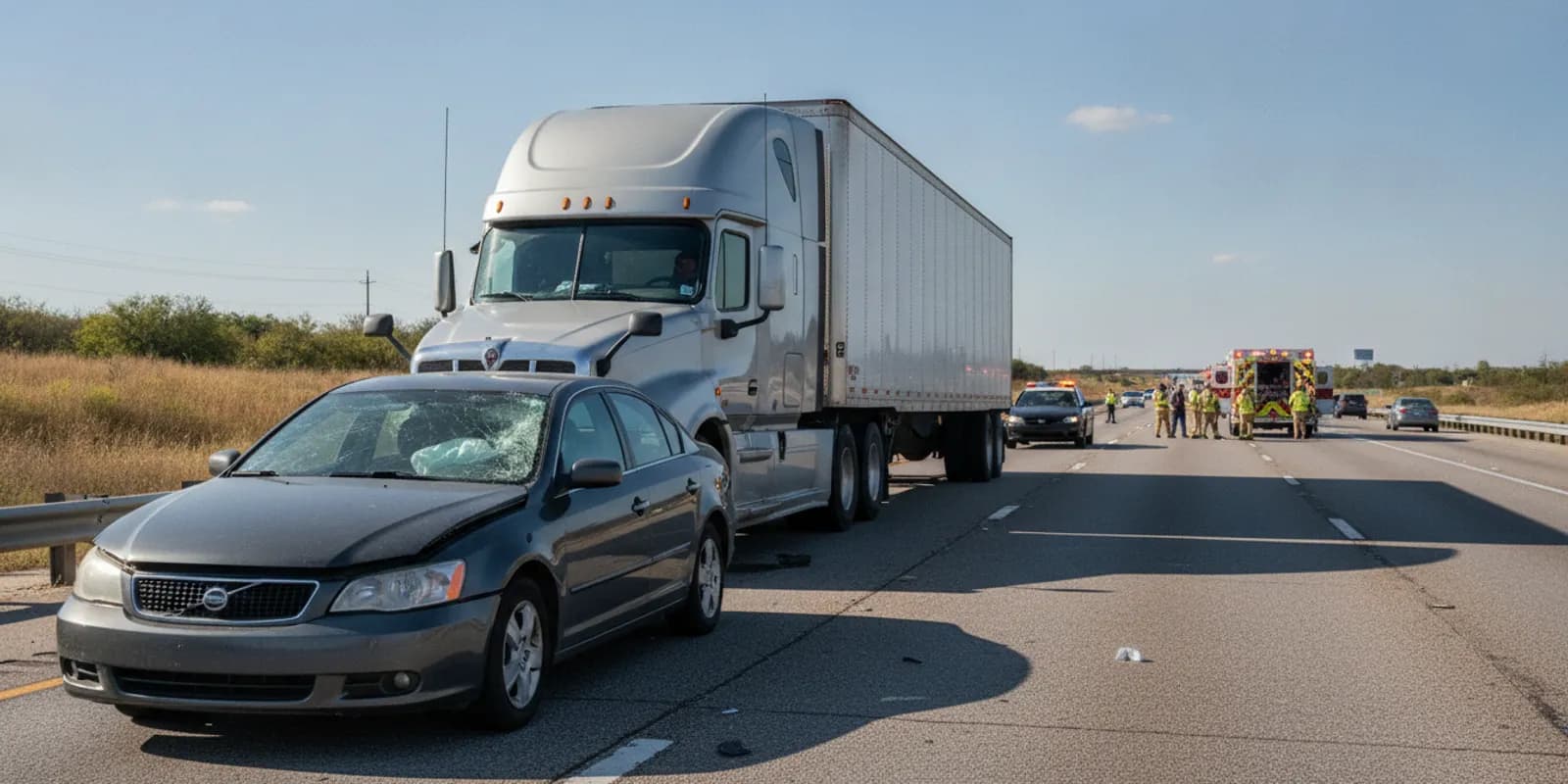
After a collision with a commercial truck, the physical and financial consequences can be very different from those of an ordinary car crash. An 18 wheeler accident lawyer can investigate how the crash happened, identify who may be responsible, and help preserve evidence before it disappears. Knowing what that work involves can help you make informed decisions while you focus on medical care.
Contact Cap City Injury Attorneys to discuss your situation
What Does an 18-Wheeler Accident Lawyer Do After a Crash?
A lawyer’s work typically begins with learning the sequence of events and documenting the harm. That means reviewing available records, speaking with witnesses, examining the vehicles and crash location when possible, and requesting relevant information from the trucking company and other parties. The investigation is not simply about finding a truck driver to blame. The facts may point to several people or businesses, or may show that more information is needed before responsibility can be assessed.
For a detailed commercial-truck claim, the lawyer may coordinate evidence collection, communicate with insurers, review medical and wage documentation, and evaluate settlement proposals. If the dispute cannot be resolved through negotiations, the lawyer may prepare the case for litigation. These are investigative and legal steps, not a promise that a claim will succeed or produce a particular recovery. The facts, available proof, applicable law, and the injured person’s circumstances matter.
Truck crashes can involve complex questions about a driver’s conduct, a carrier’s safety practices, a vehicle’s condition, and the contracts or insurance policies behind the trip. A Texas truck accident claim may therefore require a different investigation than a typical two-car collision. Still, the goal is practical: preserve reliable evidence, understand the full picture, and avoid making decisions based on assumptions.
Why Does Evidence Need to Be Preserved Quickly?
Important proof can be temporary. Vehicles may be repaired or sold, electronic information may be overwritten, and surveillance footage may be routinely deleted. People’s memories can also fade. A prompt investigation helps establish what evidence exists and where it is held. When appropriate, a lawyer can send a written preservation request to a carrier or another party, asking that relevant records and physical evidence not be destroyed while the claim is under review.
Potential evidence may include:
- Photographs and video from the scene, nearby businesses, traffic cameras, or vehicle cameras.
- Police crash reports, dispatch records, and statements from witnesses or first responders.
- Truck and trailer inspection, repair, and maintenance documents.
- Driver logs, trip details, qualification and training materials, and records about work schedules.
- Electronic information from the truck, such as event data or location information, when available and relevant.
- Shipping, loading, and dispatch records that may help explain the truck’s route or cargo.
- Medical records, bills, work records, and photographs documenting the injury and its effects.
Not every item exists in every case, and some information may be controlled by a company rather than the driver. A lawyer can identify likely record holders, make targeted requests, and assess whether formal legal steps are needed to obtain disputed material. A preservation request is not itself proof of fault, and it does not guarantee that every record will be available.
Crash records are one piece of an investigation. The Texas Department of Transportation crash-records database provides access to reported motor vehicle crash data. A report can help establish basic information, but it may not answer every question about how a collision occurred. Photographs, witness accounts, vehicle evidence, and other records may add important context.
Who May Be Responsible for a Texas Truck Crash?
The truck driver may be responsible if evidence shows careless conduct contributed to the collision. Examples can include unsafe speed for conditions, distraction, following too closely, or failing to respond to a hazard. But driver conduct is only one possible part of the analysis. A lawyer examines the specific evidence rather than assuming that the driver or the trucking company is automatically at fault.
A motor carrier may also face questions about its own conduct or its relationship with the driver. The investigation may look at hiring, training, supervision, scheduling, vehicle inspection, or maintenance practices. In some circumstances, a company may be legally responsible for an employee’s conduct while working. Whether that principle applies depends on the relationship and facts; labels in a contract do not by themselves settle every legal question.
Other parties may be relevant, too. Depending on the evidence, a vehicle maintenance provider, a company that loaded cargo, a vehicle or parts manufacturer, or another road user may have contributed. A lawyer’s role is to trace the chain of events and consider each plausible source of responsibility. The purpose is not to name every possible defendant, but to determine whether the evidence supports a claim against one or more parties.
Texas cases can also involve questions about shared responsibility. If more than one person’s conduct contributed, the effect on a claim depends on the evidence and applicable Texas law. Avoid accepting a quick statement about fault as the final answer before the crash facts have been reviewed. For general information about how state rules can affect injury claims, see this overview of Texas accident laws and injury claims.
What Evidence Can Help Identify Responsibility?
Truck-crash investigations often compare several kinds of proof rather than relying on a single report or statement. The table below shows examples of questions and records that may be relevant. These are investigation leads, not a checklist that proves liability: records may not exist, may be incomplete, or may have explanations that require further review.
| Potentially involved party | Questions an investigation may ask | Examples of useful evidence |
|---|---|---|
| Truck driver | What did the driver see and do before the impact? Were speed, attention, and driving decisions appropriate for conditions? | Witness accounts, scene photographs, available video, trip and driver records, and vehicle data. |
| Motor carrier or employer | What was the driver’s work relationship? Did company practices, dispatch, training, or supervision contribute? | Employment and qualification records, dispatch communications, policies, schedules, and relevant safety documents. |
| Vehicle owner or maintenance provider | Was a mechanical issue involved, and who was responsible for inspection or repair? | Ownership information, inspection and maintenance records, repair invoices, and examination of vehicle components. |
| Cargo loader or another business | Could cargo condition, loading, or another service have affected the truck or crash? | Shipping and loading records, contracts, photographs, and accounts from people involved in the trip. |
Some evidence supports more than one line of inquiry. For example, a mechanical failure may prompt questions about both the truck’s maintenance history and the carrier’s inspection process. A lawyer may compare records with the physical scene, medical evidence, and witness recollections, then follow up on inconsistencies. The purpose is to test explanations against the facts, not to treat one missing document or a single witness account as conclusive.
Preserving records can matter even before the responsible parties are clear. A targeted request may identify a vehicle owner or insurer, or may help determine whether an additional company was involved. If a party disputes access or responsibility, the method for obtaining evidence can depend on the stage of the claim and applicable procedure. An early, organized investigation can help keep those issues from being overlooked.
How Can Federal Trucking Rules and Safety Records Matter?
Commercial trucking is subject to safety requirements that may concern driver qualifications, hours of service, vehicle inspection, and maintenance. Which requirements apply depends on the vehicle, trip, carrier, and circumstances. A lawyer can identify the rules relevant to the crash and compare them with available records. A violation may be important evidence, but it does not automatically establish every element of a legal claim. The surrounding facts and the connection between the conduct and the collision still matter.
Records can help answer focused questions. Did the driver have the required qualifications? Was the truck inspected or repaired? Do records help explain the trip schedule or the vehicle’s condition? Are there gaps or inconsistencies that need follow-up? The lawyer may request records from the carrier, driver, or another custodian and consult appropriate experts when technical analysis is useful.
Electronic data needs particular care. Information may be held in different systems, may cover different time periods, and may require knowledgeable interpretation. A lawyer can work to identify the source and request relevant data promptly, then compare it with physical evidence and witness accounts. No single log, device reading, or maintenance entry necessarily tells the whole story.
How Do Truck Insurance Policies Affect a Claim?
A serious commercial-vehicle crash may involve insurance for more than one party. The driver, motor carrier, vehicle owner, or another business may have separate coverage, depending on their roles and policies. Determining which insurer should receive a claim can require reviewing ownership, employment or contractor relationships, trip arrangements, and policy terms. The existence of multiple policies does not mean each one applies or that every policy limit is available to a particular injured person.
An insurer may ask for a recorded statement, documents, or authorization to obtain records. Before answering questions about disputed facts or signing a release, understand what is being requested and what the document would do. A statement made early, while you are still learning about your injuries, may later be compared with medical records or other evidence. You can ask for time to review paperwork and seek legal advice before deciding how to respond.
Texas Department of Insurance offers practical guidance on dealing with another driver’s insurer after a crash. Its page, “Accident not your fault? Here's how to deal with the other driver's insurance,” discusses notifying insurers and filing a claim. A commercial truck case may involve additional parties and policy questions, so the general steps may not resolve every issue in a particular claim.
A lawyer can organize communications, submit supporting records, question an insurer’s evaluation, and negotiate where appropriate. For a plain-language overview of how legal fees may be structured, read about contingency-fee injury representation. Always review the specific written fee agreement and ask how case costs, fees, and any recovery would be handled in your matter.
What Injury-Related Losses May Be Considered?
The harm from a truck crash may extend beyond the first emergency visit. Depending on the facts and applicable law, a claim may include documented medical expenses, future care needs, lost income, reduced ability to earn, and the personal effects of an injury. The available categories and proof vary. A legal claim is not a guarantee that every reported loss will be accepted or compensated.
Good documentation helps tell a clearer story. Keep copies of medical bills, appointment information, work absences, wage records, receipts for relevant out-of-pocket costs, and communications about missed work or changed duties. Follow medical advice and tell your healthcare provider about symptoms and changes. Do not exaggerate or minimize what you experience; accurate records are more useful than trying to predict how a claim will be valued.
Some injuries require ongoing treatment or have uncertain long-term effects. Resolving a claim before the extent of an injury is understood can create difficult questions later. A lawyer may gather medical opinions and other records to assess the available evidence and explain the risks of different timing choices. No one can determine a fair value from a short description alone, and settlement evaluation depends on the individual facts.
What Should You Do After an 18-Wheeler Collision?
- Prioritize safety and medical care. Move to a safe location if you can do so without increasing risk. Contact emergency services when needed and get medical attention. Some symptoms may appear or change after the initial shock, so report them to a healthcare professional.
- Report the crash and exchange information. Follow instructions from emergency responders. Share basic identifying and insurance information as required, but avoid guessing about the cause or making promises about fault.
- Record what you safely can. If circumstances allow, photograph vehicle positions, damage, road conditions, visible company or vehicle identifiers, and relevant signs. Collect witness names and contact details. Do not enter traffic or put yourself at risk to obtain a photograph.
- Keep documents and communications. Save receipts, medical paperwork, insurer letters, repair information, and messages related to the crash. Make a factual note of what you remember while it is fresh, and distinguish your recollection from anything you learned later.
- Be careful with statements and releases. Give required information to the appropriate authorities and insurers, but take time to understand requests that involve recorded statements, broad medical authorizations, or settlement releases. Ask questions before signing.
- Get advice about deadlines and evidence. Legal time limits and evidence needs depend on the circumstances. If you may have a claim, timely advice can help identify applicable deadlines and records that need to be preserved. Do not assume that an investigation or insurance discussion pauses a legal deadline.
These steps are general safeguards, not a substitute for individualized legal advice. If you are comparing options for an 18-wheeler accident claim, ask how evidence will be gathered, who may be responsible, and what decisions need attention now. Additional information about the firm’s personal injury practice areas may help you understand the types of matters it handles.
What Can a Lawyer Review Before You Decide What to Do?
An initial case review may help clarify what is known, what remains uncertain, and what steps could preserve useful evidence. Bring whatever you have, but do not delay asking questions because a particular document is missing. Helpful materials may include:
- Any crash or incident report number and contact information for witnesses.
- Photographs, dash-camera footage, or other recordings you already possess.
- Medical visit summaries, bills, and information about recommended follow-up care.
- Insurance letters, claim numbers, policy information, and any documents you have been asked to sign.
- Employment records or notes about time missed from work and changes to your duties.
- Information you know about the truck, carrier, cargo, or other vehicles involved.
Useful questions include: Who will investigate the facts? What records may need to be preserved? How will communication with insurers be handled? What are the possible fee and expense terms? What risks or unanswered questions affect the case? A careful explanation should distinguish known facts from assumptions and avoid guaranteeing a particular outcome.
For broader context about injury claims in the Austin area, you can review the firm’s Austin injury-law information. The right next step depends on the facts of your collision, your medical needs, and the documents available.
Contact Cap City Injury Attorneys to discuss your next steps
Frequently Asked Questions
Do I need a lawyer after every truck crash?
Not necessarily. The need for legal help depends on the severity of the injury, whether responsibility is disputed, and whether the claim involves complex records or multiple insurers. You can ask a lawyer to review your specific circumstances before deciding how to proceed.
Can the trucking company be responsible if the driver caused the crash?
It may be, depending on the driver’s relationship with the company, the work being performed, and the facts. A separate question is whether the company’s own hiring, training, supervision, maintenance, or other conduct contributed. Those issues require evidence and should not be assumed from the company name on a truck alone.
What if I do not have the truck’s company or insurance information?
Keep any details you do have, such as the crash report number, vehicle description, photographs, and location and time of the collision. Investigators may be able to use those details to identify the vehicle or carrier. Do not try to obtain information by approaching an unsafe scene.
How long does a truck accident claim take?
There is no single timeline. The investigation, medical course, number of parties, coverage questions, and whether the claim is disputed can all affect how long it takes. Ask for an explanation of the factors affecting your matter rather than relying on a promised timetable.
Should I accept an insurer’s first offer?
Before accepting, understand what the offer covers and whether signing a release would end claims related to the crash. Consider whether the available medical and financial information is complete, and ask questions about terms you do not understand. A qualified lawyer can review the offer and explain potential tradeoffs based on the facts.
After a serious truck crash, careful documentation and timely decisions can help protect your ability to understand the options available to you. Seek medical care, keep relevant records, and get advice suited to your circumstances before making decisions that may affect a claim.
More on the blog
Keep reading.
12 min read
Car Injury Lawyer Options: What Texas Accident Victims Should Know Before Choosing Counsel
Compare a car injury lawyer’s experience, investigation plan, communication, fees, and insurance approach before choosing counsel.
By Cap City Injury Attorneys
13 min read
Personal Injury Claim Settlement Process: What Happens at Each Stage
Understand the personal injury claim settlement process, from reporting and investigation through negotiations, release terms, and payment in Texas.
By Cap City Injury Attorneys
Let's talk about your case.
Free case review, no obligation. We'll tell you straight whether we can help.