
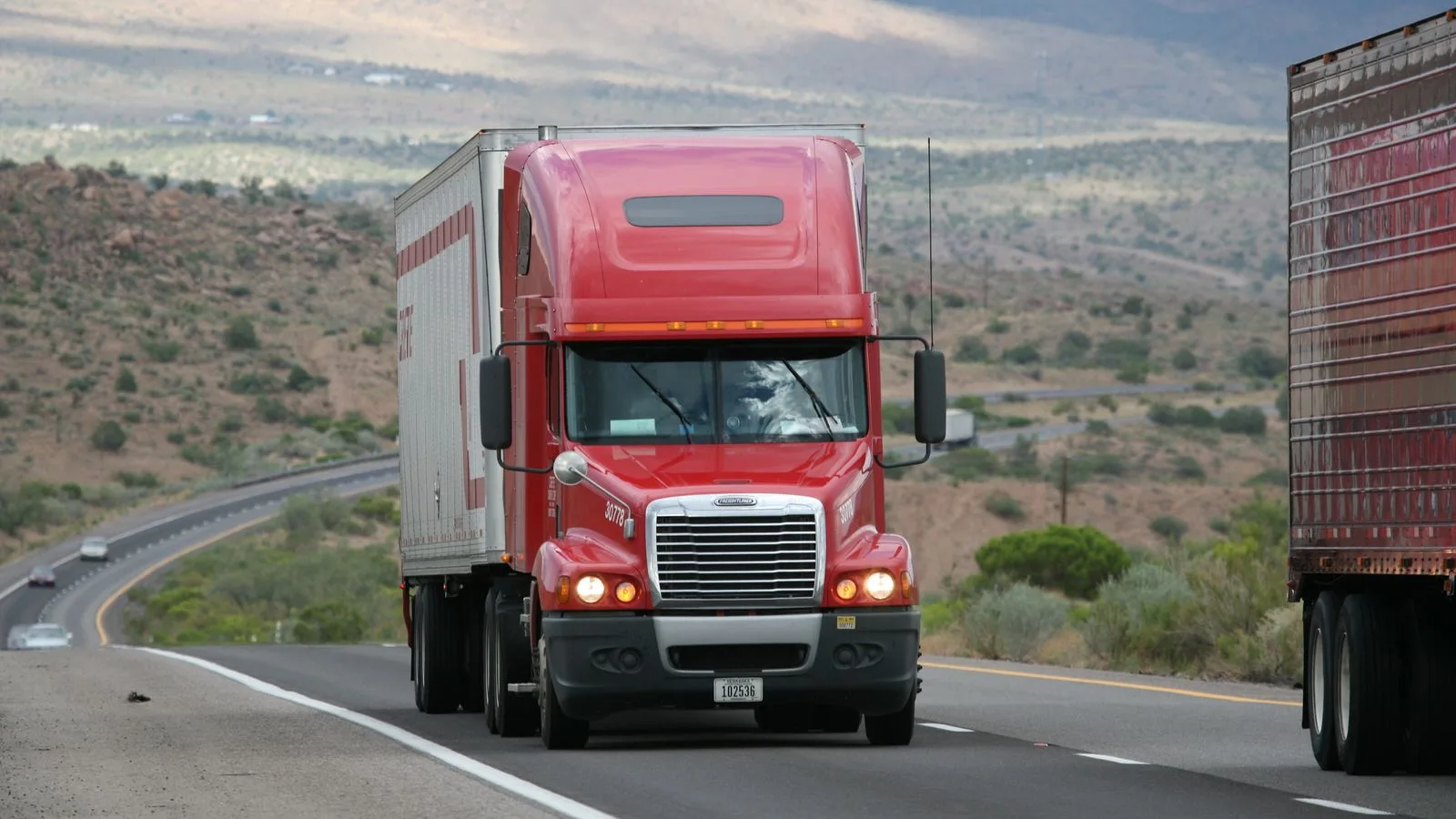
Beaumont · Truck Accident
Beaumont Truck Accident Lawyer
A commercial truck crash in Beaumont is not just a bigger car-accident file; it is a federally regulated case where the tractor-trailer and its carrier must comply with FMCSA rules covering hours of service, driver qualifications, and vehicle maintenance, layered on top of Texas negligence law. The I-10 freight corridor through Jefferson County is among the busiest in Southeast Texas, and the Golden Triangle's petrochemical economy means tanker haulers and chemical-plant fleet trucks are a regular part of the crash mix. Because the carrier's records — ELD logs, driver-qualification file, post-crash drug testing — begin cycling off retention schedules within days of a crash, preservation letters must go out immediately. Jefferson County district court on Pearl Street is the venue for serious truck cases that remain in state court.
Why Beaumont cases are different
Beaumont sits at the top of the Golden Triangle, where tanker trucks, hazmat haulers, and chemical-plant fleets run I-10, SH-347, and SH-105 around the clock. A collision with one of those commercial operators is a different case than an ordinary car wreck: federal rules and layered policies enter the file immediately.
Why a Golden Triangle truck case is different
Tanker operators and chemical-plant fleet drivers are commercial motor carriers regulated by the FMCSA and Texas DOT, and tanker hazmat operations carry added federal duties under 49 CFR Parts 171-180. That regulatory layer creates evidence that does not exist in a passenger-car crash: driver-qualification files, hours-of-service logs, electronic logging device (ELD) data, post-crash drug-and-alcohol testing, the carrier's safety record, and load and manifest documentation all become discoverable. Beaumont's heavy-industry economy puts these commercial defendants into the Southeast Texas case mix at a higher rate than in a comparable-size Texas city. Because the freight moving on I-10 between Houston and Louisiana is the densest in the region, a single missed brake application approaching a Walden Road lane closure can stack multiple vehicles. We pull the FMCSA SAFER profile at intake and treat the regulatory file as the spine of the case.
Employer liability, ELDs, and the umbrella layer
When a tractor is operating in furtherance of the carrier's business, the company, not just the driver, is on the hook, which is what makes commercial coverage so much deeper than a personal auto policy. Golden Triangle commercial-auto policies frequently carry limits in the millions and sit beneath substantial umbrella layers, so the real ceiling on a serious file is far higher than minimum-limits work. The danger is evidence loss: ELD and engine-control-module data, dashcam recordings (most national fleets run forward-facing cameras), and hours-of-service logs can be overwritten or recycled on routine retention cycles. We send spoliation and preservation letters immediately, covering the tractor's ECM, the driver-qualification file, post-crash testing, and the load manifest, and we request TxDOT traffic-management footage of the I-10 corridor before it cycles out.
More in Beaumont
Other ways we help Beaumont injury victims.





Frequently asked
Beaumont truck accident questions
- Driver-qualification files, hours-of-service logs, ELD data, post-crash drug-and-alcohol testing, the carrier's safety record, dashcam footage, and the load manifest all matter, and tanker hazmat work adds duties under 49 CFR Parts 171-180. Much of it sits on retention cycles that overwrite within weeks. A spoliation letter sent quickly is what keeps that evidence from disappearing before anyone can review it.
- Federal and state rules require motor carriers to carry far higher minimum coverage than passenger drivers, and Golden Triangle fleets servicing refineries often layer commercial-auto policies in the millions beneath umbrella coverage. Because the carrier itself is liable when the truck is on company business, those deeper policies, rather than the driver's personal assets, are what typically fund a serious recovery.
- Yes. If the driver was working in furtherance of the carrier's business at the time of the crash, the company can be liable for the driver's conduct and, separately, for its own hiring, training, supervision, and maintenance decisions. That dual exposure is one reason commercial truck claims are pursued differently from ordinary car accidents and why the carrier's internal records become central evidence.
- An electronic logging device records a commercial driver's hours of service in real time, replacing paper logs that were easy to falsify. If the ELD data shows the driver exceeded the 11-hour daily driving limit or was past the 14-hour on-duty window when the crash occurred on I-10 or US-69, that is direct evidence of a federal hours-of-service violation, which supports both a negligence claim and, potentially, a gross-negligence exemplary-damages claim. The data begins cycling off the device quickly, which is why preservation letters go out the same day.
- Two years from the date of the crash under Tex. Civ. Prac. & Rem. Code § 16.003. But the practical window is much shorter: ELD data, ECM recordings, dashcam footage, and driver-qualification files can be overwritten or routinely destroyed within weeks. The deadline to act on evidence preservation is effectively the day after the crash, not two years later.
- No. Commercial carriers deploy claims teams and defense lawyers immediately after a serious crash precisely because the early period is when records can be shaped and statements locked in. Do not give a recorded statement to the carrier or its insurer. Anything you say can be used to assign you comparative fault under Texas Chapter 33, reducing or eliminating your recovery.
Where we work from
Downtown Austin. Beaumont clients welcome.
Our office is in downtown Austin; we represent Beaumont-area clients statewide and travel to Beaumont for case-specific needs (scene visits, medical-records consultations, court appearances). Home and hospital visits when injuries make travel difficult.
Talk to a Beaumont truck accident lawyer.
Free case review, no obligation. We'll tell you straight whether we can help.