
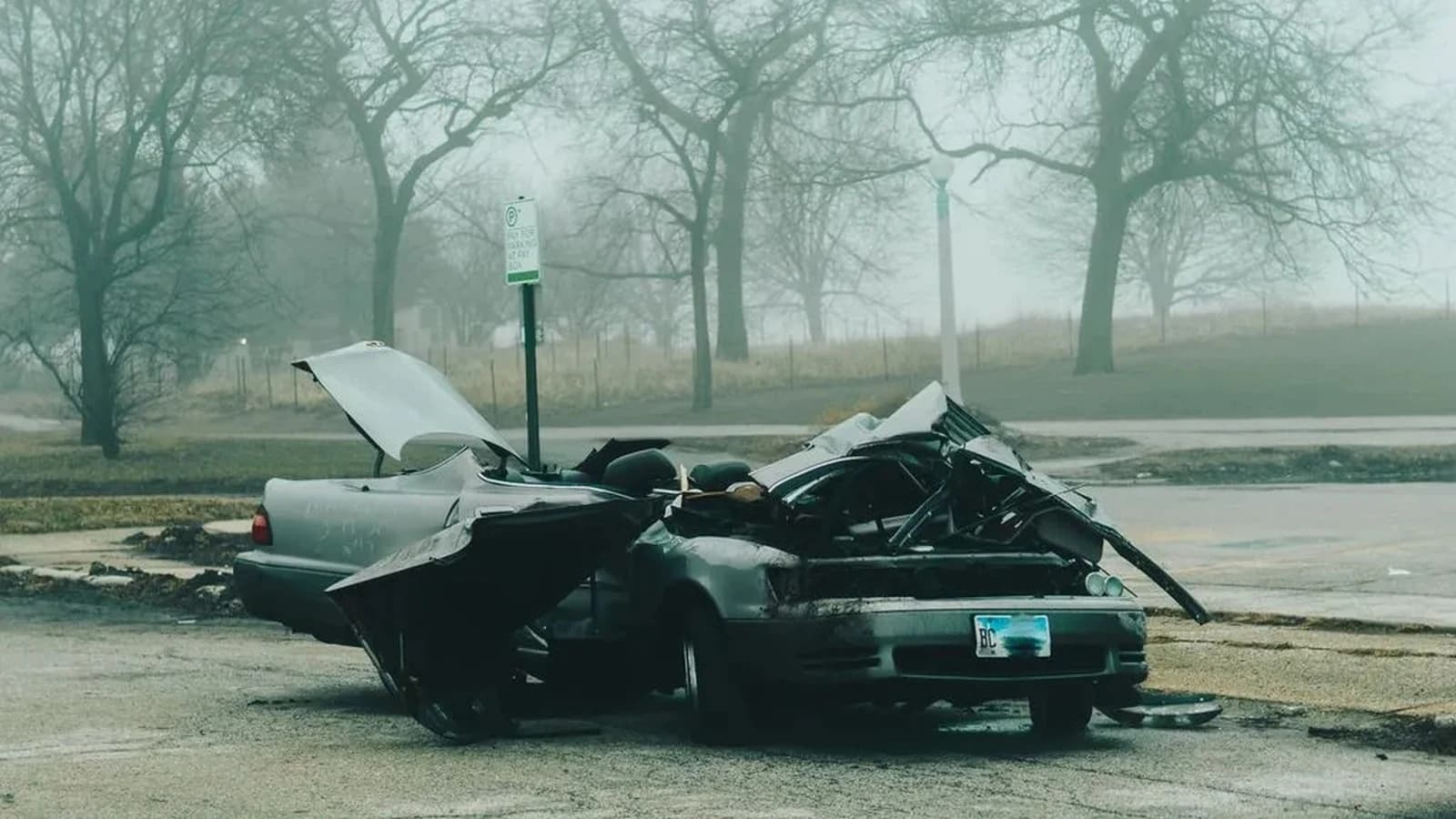
Beaumont · Car Accident
Beaumont Car Accident Lawyer
A car accident claim in Jefferson County is a personal injury case arising from a collision between passenger vehicles, governed by Texas modified comparative fault: you can recover so long as your share of fault stays at 50 percent or below, reduced by that percentage. The two-year deadline under Tex. Civ. Prac. & Rem. Code § 16.003 runs from the date of the crash. Most Beaumont passenger-vehicle collisions occur on I-10, US-69, or the Eastex interchange at the north edge of downtown, where stop-and-go freight traffic and the Southeast Texas weather patterns combine to produce rear-end and multi-car pile-up patterns. The claim goes to Jefferson County district court on Pearl Street, and the county's historically plaintiff-leaning reputation shapes how both sides value a credible file from the start.
Why Beaumont cases are different
Most Beaumont crash files we open start on I-10, US-69, or US-90: the three corridors that carry Golden Triangle traffic through Jefferson County. The same two-year statute and Chapter 33 proportionate-responsibility framework that govern every Texas claim decide who pays here.
Where Beaumont crashes actually happen
Three corridors generate the bulk of Jefferson County collision intake. I-10 east-west across the south side of the city is a high-speed freight spine where wet-weather rear-ends and multi-vehicle pile-ups cluster around the Walden Road, MLK Parkway, and SH-69 interchanges. US-69 north-south through downtown mixes commuter and oilfield-service traffic, and the I-10/US-69/96/287 interchange at the north edge of downtown, locally called Eastex, is one of the most rear-ended points in Southeast Texas. US-90 through the older part of the city produces intersection crashes at Eleventh and College. Knowing the geometry of these spots matters because liability often turns on stopping distance, lane-closure signage, and whether a driver had time to react. We map the crash to the specific interchange before we ever argue fault.
Fault, Chapter 33, and your own coverage
Texas runs on modified comparative fault: under Chapter 33 of the Civil Practice and Remedies Code, your recovery drops by your share of responsibility and disappears entirely if a jury puts you over 50 percent. Insurers exploit that math, pressing for a recorded statement within days and floating a fault percentage to shrink the payout. In a chain-reaction stack approaching a Walden Road lane closure, sorting out who hit whom first decides the case. Texas minimum liability limits are thin, so underinsured and uninsured motorist coverage on your own policy frequently carries the file when an at-fault driver is bare. We pull the crash report, identify every policy in the chain, and preserve traffic-management footage before the typical 30-day overwrite erases it.
More in Beaumont
Other ways we help Beaumont injury victims.


Frequently asked
Beaumont car accident questions
- Early offers usually arrive before the full injury picture is known. Beaumont-area ERs at Christus St. Elizabeth and Baptist tend to discharge fast with a sprain diagnosis, and disc or concussion symptoms often surface at orthopedic or neurology follow-up days later. Accepting and signing a release closes the claim permanently. It is worth getting the complete chart and specialist records before deciding whether any offer reflects what the case is actually worth.
- Under Chapter 33, a jury assigns each party a percentage of responsibility. Your damages are reduced by your own share, and if you are found more than 50 percent at fault you recover nothing. That makes the liability investigation as important as the medical one. In a multi-car pile-up on I-10, establishing the sequence of impacts can move your fault percentage and the value of your claim significantly.
- Texas minimum coverage often falls short of real injury costs. If you carry uninsured/underinsured motorist coverage, your own policy can step in to cover the gap, and you do not have to be at fault to use it. We review your declarations page early because UM/UIM is frequently the most reliable source of recovery after a Beaumont crash with an underinsured at-fault driver.
- Cases arising from a Beaumont-area crash are filed in Jefferson County district court at the courthouse on Pearl Street in downtown Beaumont. If the at-fault driver is from outside Jefferson County, they may attempt removal to the U.S. District Court for the Eastern District of Texas, and venue strategy is part of how we position the file from day one.
- TxDOT's traffic-management-system footage typically cycles out on a 30-day retention schedule, though this can vary by system. On a serious file we send a preservation request immediately, because that footage can document the lane configuration, signal timing, and vehicle positions that decide who caused the crash. Waiting even a few weeks can mean the video is gone.
- Yes. Whiplash and disc injuries frequently present with mild or delayed symptoms in the first 24 hours and worsen over days. Christus St. Elizabeth and Baptist Hospitals of Southeast Texas both operate regional emergency services, but fast ER encounters often document conservative findings. Follow-up with an orthopedic or neurology specialist is where the real injury picture emerges, and a gap in treatment gives insurers an argument that the crash did not cause your symptoms.
Where we work from
Downtown Austin. Beaumont clients welcome.
Our office is in downtown Austin; we represent Beaumont-area clients statewide and travel to Beaumont for case-specific needs (scene visits, medical-records consultations, court appearances). Home and hospital visits when injuries make travel difficult.
Talk to a Beaumont car accident lawyer.
Free case review, no obligation. We'll tell you straight whether we can help.