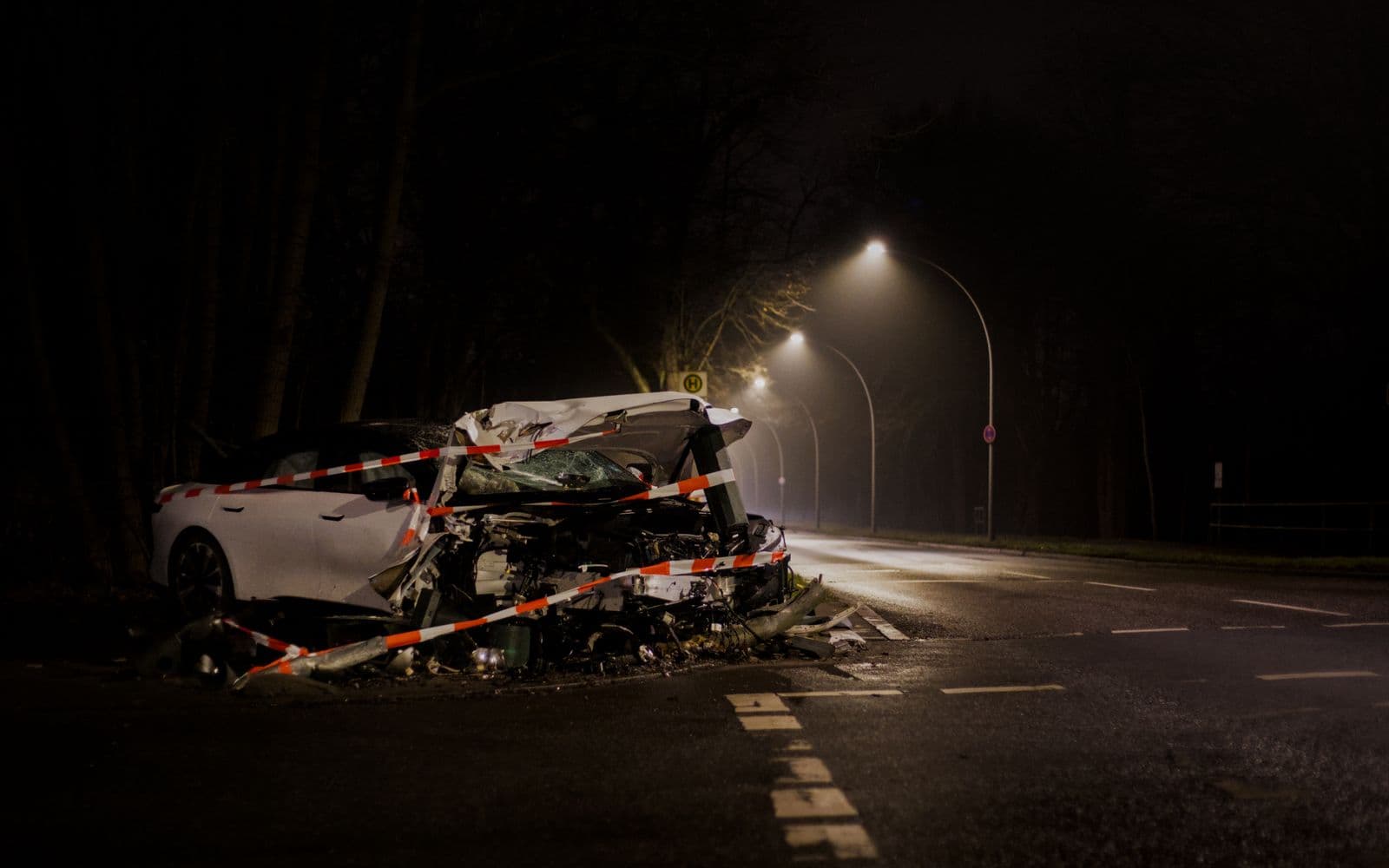
Injuries from a crash can be quite serious, but they can also include mental and emotional aspects. PTSD is a common factor to consider in accident cases.
Damages for PTSD can come into your case in two major ways: either as a consequence of physical injuries or as the sole injury. PTSD and similar symptoms of anxiety and depression are quite common after injuries and can be claimed as part of your typical case. However, suing for PTSD without a physical injury is a much harder case.
Call Cap City Injury Attorneys’ Austin, TX personal injury lawyers today at (512) 612-3110 for a free review of your case.
Suing for PTSD After an Accident in Texas
After an accident, you face a range of economic, physical, and mental/emotional harms. In any injury case, you can typically claim compensation for…
- Medical bills
- Lost earnings and
- Pain and suffering.
This allows lawsuits to cover PTSD-related damages in three major areas:
From a Physical Injury
If you were injured in any type of accident, our Buda, TX personal injury lawyers can help you get financial compensation for all of the effects, including PTSD. PTSD, along with anxiety and depression, are common effects of injuries and can get you damages for mental health care, lost wages, and the mental/emotional distress of the condition.
On its Own
Some accidents – or more likely, a near miss – might be traumatic even without physical injuries. Usually, Texas courts require some kind of physical symptoms, whether that be…
- An injury that caused the mental anguish/PTSD or
- Physical manifestations of the purely mental injury (e.g., stress ulcers, heart attacks).
However, there are some narrow situations where a lawsuit for PTSD is allowed without physical harm, such as when someone intentionally tried to cause you emotional distress or torment.
From Witnessing a Loved One’s Accident
Another of those narrow exceptions is when you witness a loved one get seriously injured or killed in an accident. These claims for bystanders witnessing disturbing events are usually filed when a loved one is killed in a car crash and you were in the car with them or just outside it.
There are special requirements about being close enough to the accident to witness it and being closely related to the victim.
Do You Need Physical Injuries to Sue for PTSD?
In most cases, you do need a physical injury, but the law is complex and there are exceptions:
General Rule
Usually, mental anguish damages need a physical injury to support them. In most cases, you will sue for PTSD because a physical injury is the traumatic event that sparked the PTSD.
Keep in mind, though, that the injury can come after the PTSD. If your mental health condition resulted in physical symptoms, you might be able to sue even if the original accident didn’t physically hurt you.
Exceptions
One common exception is for bystanders that witness terrible events. Usually, this allows a lawsuit with no physical injuries only if:
- You were near the accident.
- You suffered shock from witnessing it, rather than from hearing about it later.
- You were closely related to the victim.
In Texas, you may also be able to sue for mental/emotional damages when someone causes you severe mental distress on purpose.
How to File a Claim for PTSD Damages
To bring your claim, you need to follow a few important steps:
Collect Evidence
If you can, gather evidence from the scene of the accident to help prove the case later. This might mean taking pictures of a car accident or saving the dangerous product that injured you (if safe).
Report the Accident
If you were in a car accident, you should always call 911. You might want to report other accidents to the police or owner or the property where they happened.
Get Medical Care
Call 911 and go to the hospital to get any treatment you need for your injuries.
Call a Lawyer
An attorney can help you gather additional information and prepare your case
Document Your PTSD
As your injuries heal and you seek mental health treatment for PTSD, keep track of information about your condition:
- The duration of PTSD symptoms
- Their severity
- What specific symptoms you have.
If you get a diagnosis from a psychiatrist, you should also save records of this.
Document Damages
Save any medical/psych bills and financial records that help show the financial impact of your PTSD.
File a Lawsuit
Lawsuits can be filed in court for most injuries caused by another party. There may be a chance to file an insurance claim before going straight to court, but your lawyers can help you understand how exactly to proceed and what your case is worth.
FAQs for PTSD Damages in Injury Cases
What is PTSD?
PTSD stands for post-traumatic stress disorder. This is a mental health condition that stems from direct or indirect exposure to a traumatic event. Symptoms usually include flashbacks, anxiety, disturbed sleep, all usually tied to situations that are similar to the traumatic event.
How Much is My PTSD Case Worth?
It is impossible to determine the value of any personal injury case without examining the specific facts and factors in that case. Damages are usually based on what the event cost you, financially, plus compensation for your mental and emotional harm – which is different in every case.
What Damages Can You Get for PTSD?
PTSD and similar symptoms often affect you in three ways you can get damages for:
- Emotional distress/mental anguish damages can compensate you directly for your PTSD.
- Medical bills and mental health care bills to treat your condition can be covered.
- If your condition is serious enough that you miss work because of it, lost wage damages are available.
What Evidence Do I Need to Prove My PTSD?
Medical and psychiatric documentation of your condition and symptoms is important. On top of this, your own testimony about how the PTSD or similar symptoms affect you, when they are triggered, and the duration of added distress are vital.
Do I Need an Official Diagnosis?
You can claim damages for emotional distress and mental anguish, generally, after being injured in an accident. You do not need an explicit PTSD diagnosis to get damages for similar or related symptoms. However, a documented PTSD diagnosis will help prove these harms.
Does Insurance Cover PTSD?
When you get hurt in an accident, the defendant may have liability insurance to cover the injuries they cause you. This should include payments for any harm, whether economic or mental/emotional. That means it should cover your PTSD.
Call Our Texas Personal Injury Lawyers Today
For help with your case, call the Manor, TX personal injury lawyers at Cap City Injury Attorneys at (512) 612-3110.