
Spring · Truck Accident
Spring Truck Accident Lawyer
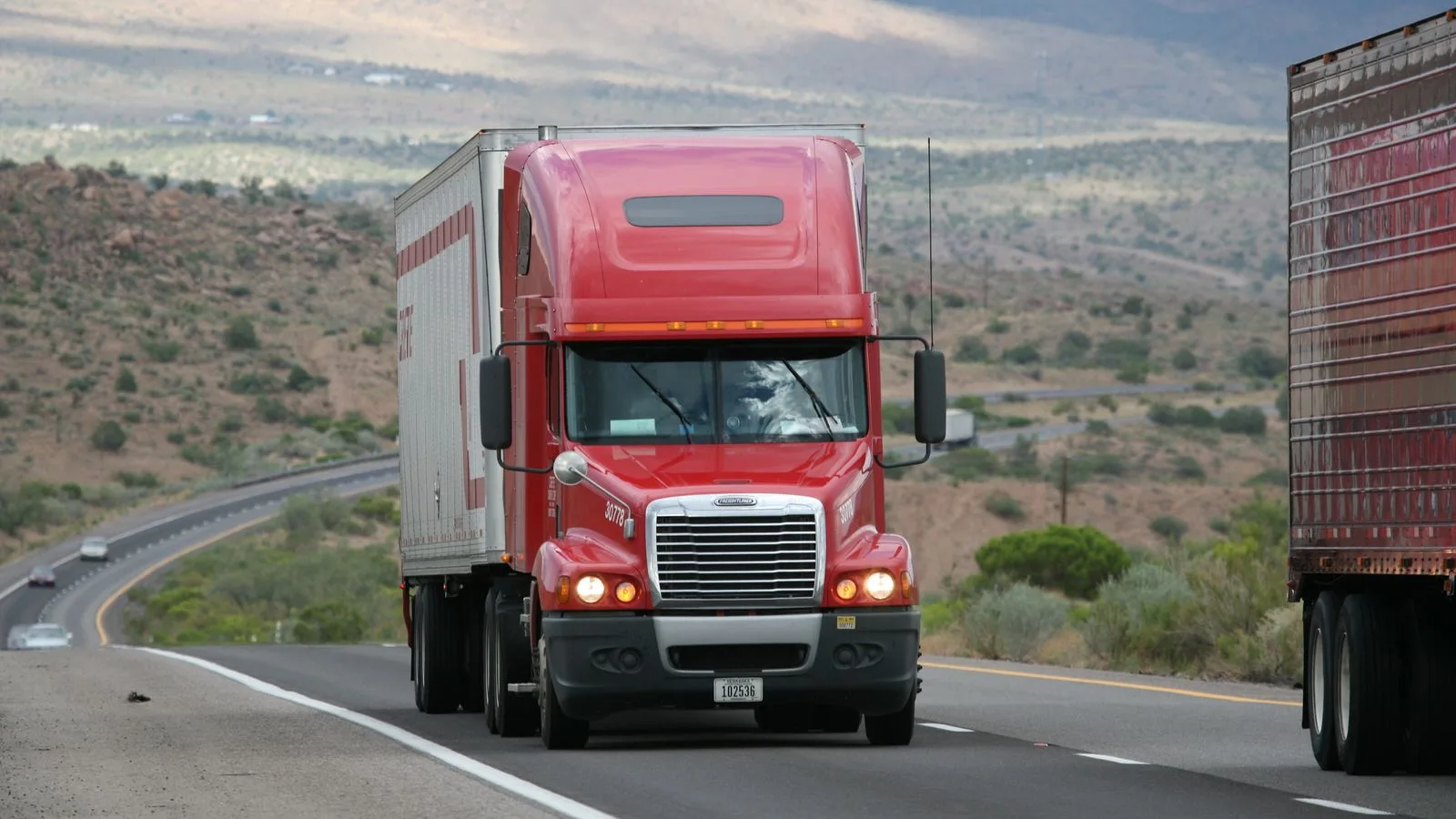
A commercial truck accident claim in Spring arises when an 18-wheeler, tractor-trailer, or commercial work-truck operating on a freight corridor like I-45 or the Hardy Toll Road causes a crash through driver negligence or a carrier's regulatory violations under the Federal Motor Carrier Safety Regulations (49 C.F.R. Parts 350-399). Unlike a passenger-car wreck, the case reaches beyond the driver to the motor carrier and potentially an energy-sector employer whose fleet traffic reshapes the Spring corridor around Springwoods Village Parkway. The two-year limitations period under § 16.003 applies, but the real urgency is the narrow window to preserve ELD logs, driver-qualification files, and ECM data before they are overwritten. Cases against commercial defendants also open larger coverage layers: federal minimums start at $750,000 and commercial umbrellas often sit well above that.
Why Spring cases are different
Spring sits at a freight and energy-commuter crossroads where I-45 and the Hardy Toll Road carry commercial volume past the ExxonMobil campus and the master-planned communities feeding FM-2920. A collision with an 18-wheeler or commercial vehicle here is built very differently than a two-car crash, starting with federal records and far larger insurance layers.
FMCSA records, ELD data, and hours-of-service on the I-45 corridor
Commercial trucks moving through Spring on I-45 and the Hardy Toll Road fall under Federal Motor Carrier Safety Administration rules, and those rules generate evidence a passenger-car case never touches. The driver-qualification file, hours-of-service logs, electronic logging device data, post-crash drug-and-alcohol screening, and the carrier's maintenance and safety records all enter discovery. ELD data can show whether a driver ran past lawful drive time before a rear-end or merge crash on the high-volume freeway segment between Beltway 8 and the Grand Parkway. The catch is retention: carriers are only required to keep some of this data for limited windows. We send spoliation letters at intake to lock the truck's electronic records and the driver file before they age out, because once that data is gone, the most important proof of how the crash happened can disappear with it.
Employer liability, energy-fleet defendants, and higher policy limits
When the at-fault driver was working, the employer is on the hook under respondeat superior, and Spring's defendant mix makes that common. The ExxonMobil campus on Springwoods Village Parkway draws thousands of employees, contractors, and corporate-fleet vehicles daily, reshaping shift-change traffic on the Hardy, I-45, and surrounding arterials. Energy-services contractors, fleet vehicles, and pipeline-services trucks concentrate at predictable hours. When one of those is involved, the case opens against the company's commercial auto policy and umbrella layer rather than the driver's personal coverage, and those limits are typically far larger. Identifying the right corporate defendant early matters, because a contractor running a delivery for a regional company can put several insurers and an umbrella in play at once. The investigation has to establish that the driver was on the company's business at the moment of the crash.




Frequently asked
Spring truck accident questions
- A commercial truck is governed by FMCSA rules, so the evidence set is bigger: driver-qualification files, hours-of-service logs, ELD data, drug-and-alcohol screening, and carrier safety records. The defendant is often a company with commercial and umbrella coverage far larger than personal auto limits. That changes both how the case is investigated and what coverage is available to compensate serious injuries.
- Quickly. Carriers only have to keep some electronic logs and records for limited periods, and the data that shows hours-of-service violations or pre-crash speed can be overwritten or discarded. We send spoliation letters at intake demanding the company preserve telematics, dispatch records, and the driver file. The sooner that letter goes out, the better the chance the proof still exists.
- It can. If the driver was on the company's business at the time, the employer's commercial auto policy and umbrella coverage are likely available under respondeat superior, usually a much higher layer than the driver's personal policy. Spring's energy-sector and fleet traffic makes this scenario common. We work to establish the work connection and identify every responsible company and insurer.
- Commercial motor carriers operating on I-45 and the Hardy Toll Road are governed by the Federal Motor Carrier Safety Regulations, 49 C.F.R. Parts 350-399, enforced in Texas by the Department of Public Safety under Tex. Transp. Code Ch. 644. These rules set hours-of-service limits, driver qualification standards, drug-and-alcohol testing requirements, and maintenance obligations. Violations of those regulations are evidence of negligence and can support exemplary damages for gross negligence.
- Venue follows the crash location under § 15.002 regardless of the practice area. A truck crash north of the Harris/Montgomery county line files in Conroe at the Lee G. Alworth Building. The federal FMCSA rules and the two-year limitations deadline are the same in both courts, but docket pace, the local jury pool, and the defense bar differ, and those differences matter for negotiation and trial strategy. Commercial defendants headquartered out of state can also trigger removal to federal court.
- Exemplary damages require proving gross negligence — that the carrier was consciously indifferent to an extreme risk — to a clear-and-convincing standard under Tex. Civ. Prac. & Rem. Code § 41.003. Hours-of-service violations with falsified logs or a documented pattern of ignoring driver-qualification deficiencies can support that showing. These damages are capped under § 41.008 but can be significant on top of economic and non-economic losses.
Where we work from
Downtown Austin. Spring clients welcome.
Our office is in downtown Austin; we represent Spring-area clients statewide and travel to Spring for case-specific needs (scene visits, medical-records consultations, court appearances). Home and hospital visits when injuries make travel difficult.
Talk to a Spring truck accident lawyer.
Free case review, no obligation. We'll tell you straight whether we can help.