
Pasadena · Truck Accident
Pasadena Truck Accident Lawyer
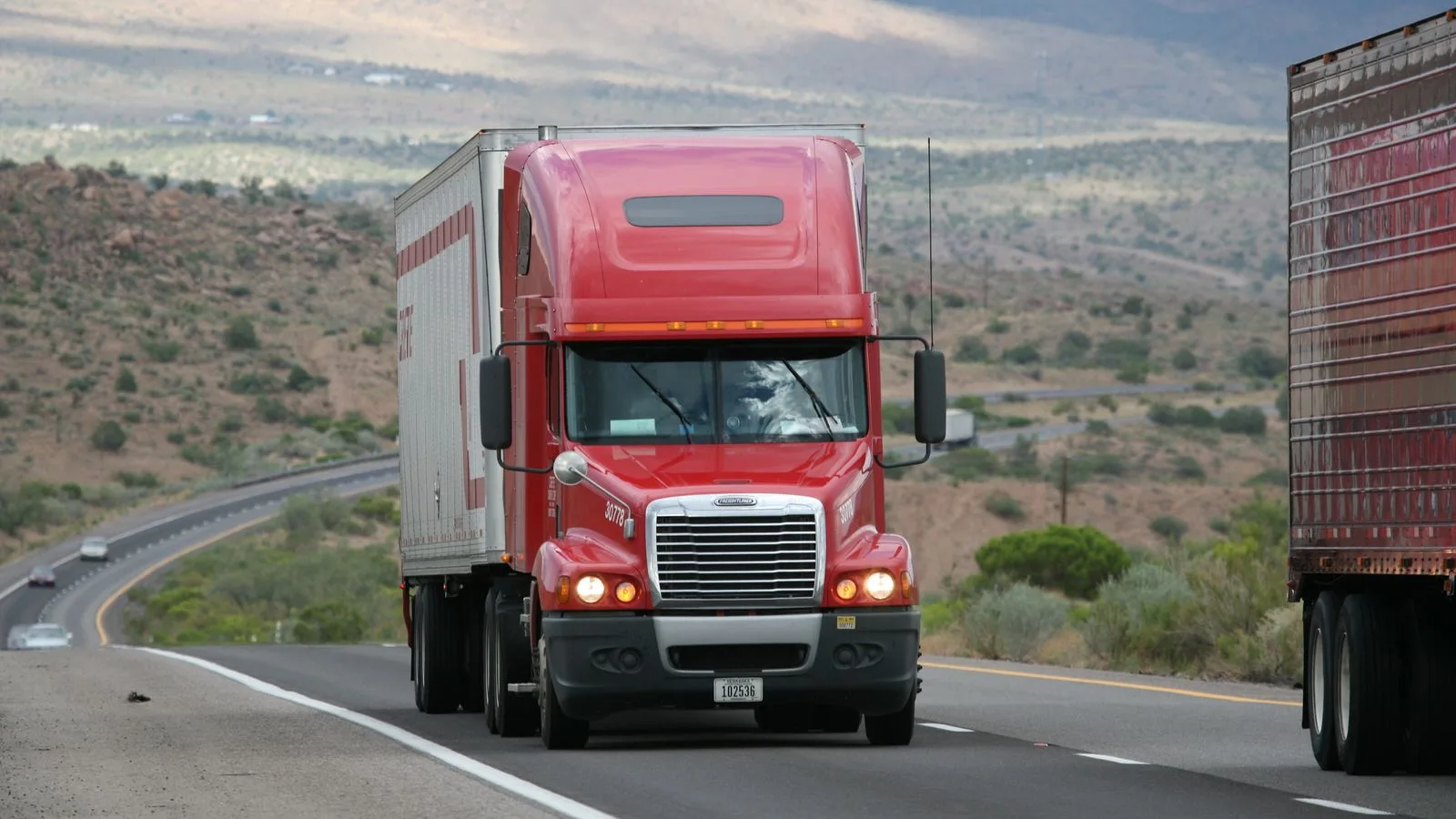
A commercial truck crash claim in Pasadena involves a tractor-trailer, tanker, or other federally regulated motor carrier vehicle operating on the Houston Ship Channel corridor, typically on SH-225 or Beltway 8 East, where the case is governed by the Federal Motor Carrier Safety Regulations alongside Texas negligence law. Unlike a car-vs-car case, the trucking company and its FMCSA-regulated records (ELD logs, driver-qualification file, hours-of-service data) become central evidence targets, and the liable parties can extend beyond the driver to the carrier, shipper, and any maintenance contractor. Harris County district court at 201 Caroline is the trial venue, with the two-year deadline of § 16.003 running from the crash date.
Why Pasadena cases are different
Few Texas cities run commercial trucks the way Pasadena does. SH-225 between the 610 East Loop and Beltway 8 East carries continuous tanker, contractor, and refinery shift traffic tied to the Houston Ship Channel, producing one of the highest commercial-collision rates per mile of any Harris County freeway segment.
FMCSA records and the data race after a tanker crash
A collision with an 18-wheeler or chemical tanker on SH-225 or Beltway 8 East is built very differently than a passenger-car case. Carriers running commercial vehicles answer to the Federal Motor Carrier Safety Regulations, which require electronic logging devices, hours-of-service limits, driver-qualification files, and post-crash drug-and-alcohol screening. Much of that evidence is electronic and overwrites on retention schedules, so spoliation letters need to reach the carrier — and, on a cargo run, the shipping facility — at intake. For a tanker hauling a load between a Pasadena terminal and a ship-channel facility, the cargo placard, hazmat endorsements, dispatch and dispatch records, and the truck's event data recorder all enter discovery. The objective is to lock the carrier's own records before they cycle out, because an hours-of-service or fatigued-driver violation often establishes liability more cleanly than the crash scene alone.
Employer liability and layered commercial coverage in the refining corridor
When the other vehicle is a tanker or contractor truck operating in furtherance of a carrier's business, the coverage picture is far larger than a personal policy. Commercial auto policies on chemical-load operators are typically substantial and frequently sit beneath umbrella layers, and where a shipping contract contains indemnity terms, the shipper's coverage may be reachable as well. Because Pasadena traffic is so tightly tied to refineries and petrochemical plants — ExxonMobil, Shell, LyondellBasell, INEOS, OxyChem, and dozens of contractor firms — the employer-of-record question is central: driver pay records, dispatch logs, the carrier name on the truck, and master service agreements all feed the analysis of who is vicariously liable and whose policy responds. Diversity claims against out-of-state corporate defendants are common removal candidates to the Southern District of Texas at the Bob Casey courthouse on Rusk Street.
More in Pasadena
Other ways we help Pasadena injury victims.





Frequently asked
Pasadena truck accident questions
- Substantially. FMCSA driver-qualification records, hours-of-service logs, ELD data, post-crash drug-and-alcohol screening, and the carrier's safety record all enter discovery. Commercial auto policies on tanker and chemical-load operators run much larger than personal policies and frequently sit beneath umbrella layers and shipper indemnity arrangements. We send spoliation letters to the carrier — and on chemical loads, the shipper — at intake to lock the electronic data before retention windows close.
- Be cautious. Early commercial offers often arrive before the full medical picture is known and before the carrier's own records are reviewed. On a commercial truck case, liability evidence like ELD logs and hours-of-service records can materially raise the value, and disc, concussion, or inhalation injuries frequently surface only at follow-up. Get the records preserved and the injuries documented before evaluating any number.
- Often, yes. Beyond the driver, the motor carrier can be vicariously liable, and where a shipping contract contains indemnity terms, the shipper's coverage may also respond. On loads moving to or from ship-channel facilities, master service agreements, named-insured status, and dispatch arrangements all factor into who pays. Identifying every responsible party early is what opens the layered commercial coverage that a single personal policy can never match.
- Not necessarily. Under 49 C.F.R. § 376.12, when a carrier operates a leased owner-operator under its own authority, the carrier remains liable for the driver's conduct regardless of the independent-contractor label on the door. The key questions are whose USDOT authority was being used on the run and who controlled the work. We request the lease agreement and operating authority records at intake to resolve this quickly.
- Patients are commonly initially treated at HCA Houston Healthcare Pasadena Bayshore on Pasadena Boulevard or Memorial Hermann Southeast on Beltway 8. The most serious polytrauma cases, given the mass and speed of a fully loaded commercial truck, transfer to Memorial Hermann-TMC inside the 610 Loop, frequently via Life Flight. Chemical-exposure injuries from tanker crashes require additional occupational-medicine and toxicology follow-up that the initial ER visit typically does not capture.
- The lawsuit deadline is two years from the crash date under Tex. Civ. Prac. & Rem. Code § 16.003. However, the practical evidence window is much shorter: ELD logs, ECM downloads, and driver-qualification files are retained on schedules measured in months, and some overwrite within days. Preservation letters to the carrier and shipper need to go out as close to the crash date as possible. Waiting until the lawsuit deadline to start the case risks losing the most important liability evidence permanently.
Where we work from
Downtown Austin. Pasadena clients welcome.
Our office is in downtown Austin; we represent Pasadena-area clients statewide and travel to Pasadena for case-specific needs (scene visits, medical-records consultations, court appearances). Home and hospital visits when injuries make travel difficult.
Talk to a Pasadena truck accident lawyer.
Free case review, no obligation. We'll tell you straight whether we can help.